

Few houseplants carry their own bottle of conditioner. Shampoo ginger (Zingiber zerumbet) earns its name from the swollen, pinecone-shaped bracts that swell at the base of the plant in late summer, ripen from cool green to a glowing scarlet, and fill with a milky, faintly perfumed liquid that has been squeezed onto hair across the Pacific for centuries. It is a plant with two lives: a lush leafy summer where arching stems reach for the ceiling, and a bare winter dormancy where the whole thing vanishes back into its rhizome and waits. Understanding that rhythm is the difference between a grower who panics in November and one who simply lets the plant sleep.
Quick Reference
| Common names | Shampoo ginger, pinecone ginger, bitter ginger, awapuhi |
| Botanical name | Zingiber zerumbet |
| Family | Zingiberaceae |
| Origin | Tropical Asia, naturalised across the Pacific including Hawaii |
| Mature size | 1.2 to 2 metres (4 to 6.5 feet) tall in a growing season |
| Light | Bright indirect light to dappled part shade |
| Water | Consistently moist in growth, nearly dry in dormancy |
| Humidity | High, 60 percent and above preferred |
| Temperature | 18 to 30 degrees Celsius (64 to 86 degrees Fahrenheit) |
| Soil | Rich, moisture-retentive, free-draining loam |
| Fertiliser | Monthly balanced feed through the growing season |
| Propagation | Rhizome division |
| Toxicity | Non-toxic, historically used for food, medicine and haircare |
| Dormancy | Deciduous, dies back and rests over winter |
Why Shampoo Ginger Is Worth Growing as a Houseplant
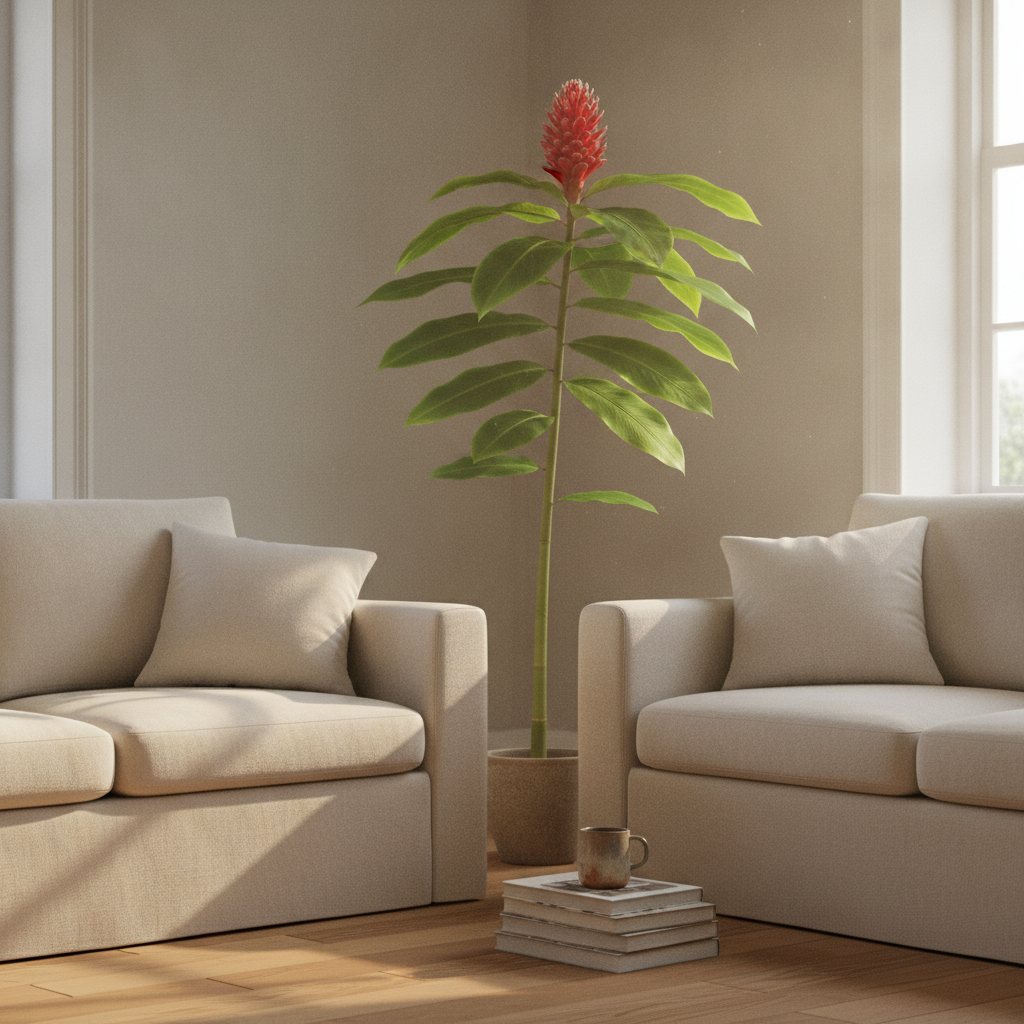
Most people meet shampoo ginger through the cone rather than the plant. The scarlet inflorescence, held on its own short stalk apart from the leafy stems, is genuinely useful: squeeze a mature one and it releases a slippery, sudsy liquid that smells clean and gingery, the same substance Hawaiians know as awapuhi and once used to soften and scent their hair. That party trick alone sells the plant, but the leafy body is a handsome thing in its own right, throwing up bamboo-like canes lined with two neat ranks of glossy, lance-shaped leaves that catch the light and rustle with any breeze.
What separates a shampoo ginger that merely survives from one that thrives is a willingness to work with its seasons rather than against them. This is not an evergreen tropical that holds its leaves year round. It is a rhizomatous perennial built for a monsoon climate, where it grows explosively during the warm wet months and then retreats underground for a dry rest. Indoors, a plant that is watered heavily in summer and then largely left alone in winter will reward you with vigorous regrowth and, in time, those famous cones. A plant kept soggy and confused through a dark December, by contrast, tends to rot in its pot. Give it heat, feed it generously while it grows, and respect the dormancy, and shampoo ginger is one of the more forgiving members of the ginger family to keep.
It also carries no real danger to a household. The rhizomes are edible if bitter, the sap has a long history of medicinal and cosmetic use, and the plant is not listed among those that are toxic to cats, dogs or children. For a grower who wants drama without a warning label, it is a rare and welcome thing.
Light
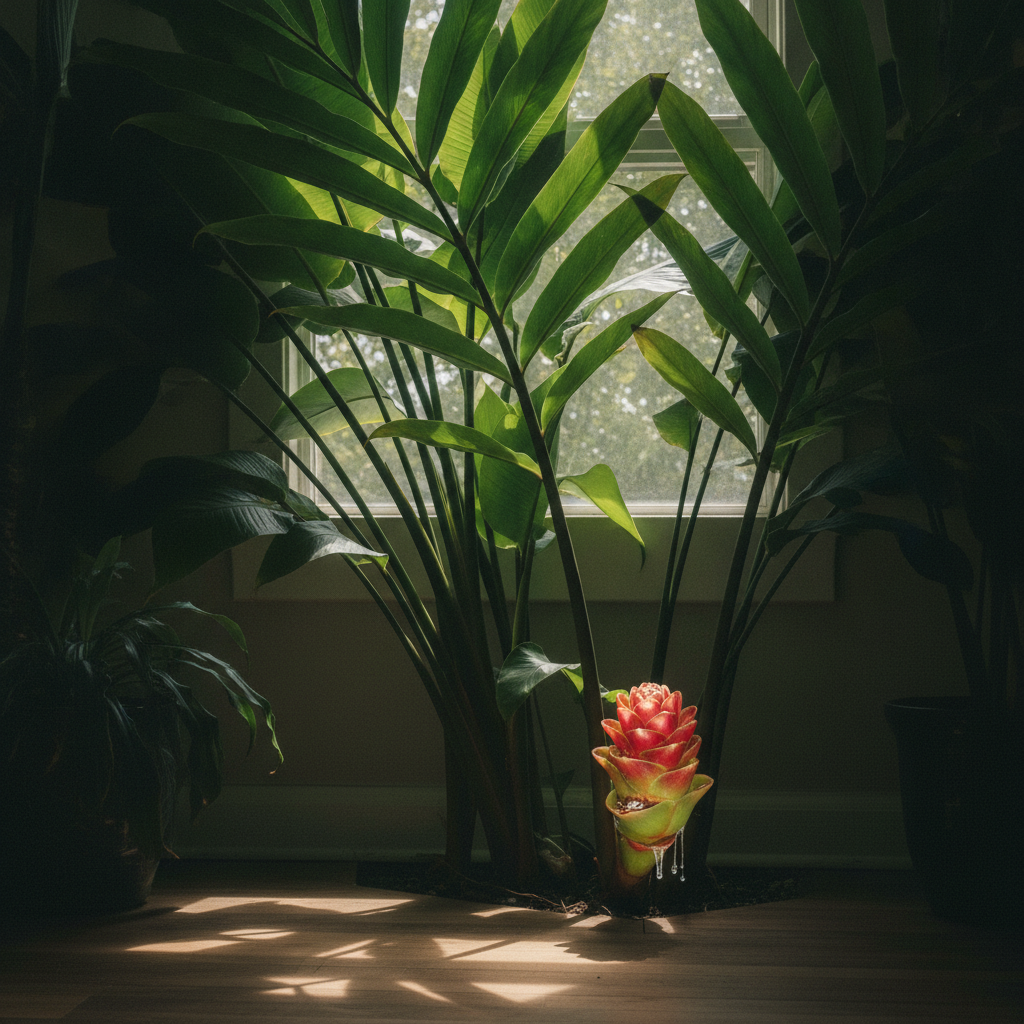
In the wild, shampoo ginger grows at the margins of tropical forest and along stream banks, where it receives generous but broken light rather than the full weight of the midday sun. That preference translates cleanly to indoor care: it wants bright, indirect light for most of the day, with perhaps an hour or two of gentle direct sun from an east-facing window in the morning. An east or a lightly shaded south aspect suits it well. The leaves are thin and lush, and they scorch readily if pressed against hot glass in high summer, developing bleached patches and crisp brown edges that never recover.
The more common indoor failing is too little light rather than too much. Starved of brightness, the canes stretch, the internodes lengthen, and the whole plant leans toward the window with weak, floppy growth that struggles to support itself. A plant grown in genuinely dim conditions will also refuse to flower, because the energy simply is not there to build a cone. If your room is on the shadier side, move the plant as close to the window as you can without letting the leaves touch the glass, and consider a full-spectrum grow light to extend the day during the darker months of active growth.
Pro Tip — Rotate for balance: Because the leaves fan out in two flat ranks, a shampoo ginger left in one position will grow lopsided toward the light. Give the pot a quarter turn each time you water so the canes fill out evenly on all sides.
Watering
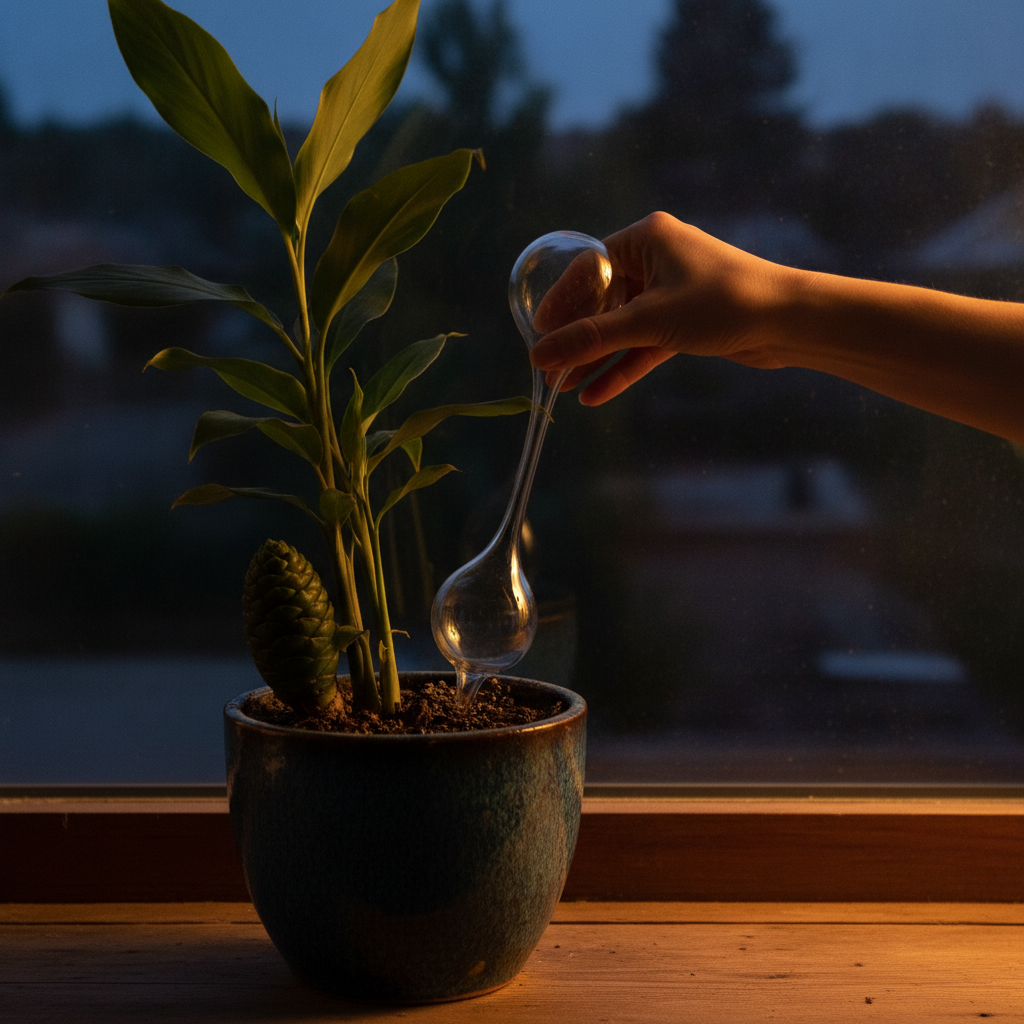
Watering shampoo ginger is a tale of two seasons, and getting the seasonal shift right matters more than any single technique. Through spring and summer, while the plant is in full leaf and building its stores, it is thirsty. It wants soil that stays evenly moist, never waterlogged but never bone dry, closer to a wrung-out sponge than a desert. In the heat of summer a vigorous plant in a bright spot may need water every two or three days, and it appreciates the pot standing where excess can drain freely rather than sitting in a saucer of stagnant water. Let the top two centimetres (about three quarters of an inch) dry between drinks, then water thoroughly until it runs from the base.
As autumn arrives and the leaves begin to yellow, everything changes. This is not a plant in distress; it is a plant preparing to sleep. Reduce watering steadily as the foliage dies back, and once the stems have collapsed and browned, cut them off and keep the rhizome barely moist through winter, watering perhaps once every few weeks only to stop the soil turning to dust. A dormant rhizome sitting in cold, wet compost is the single most reliable way to kill this plant, because with no leaves transpiring, the water simply pools and rot sets in. When new shoots push up in spring, gradually resume normal watering.
Humidity walks hand in hand with watering. Shampoo ginger loves a muggy atmosphere and rewards it with larger, less crispy leaves. Aim for 60 percent relative humidity or more during growth, grouping it with other plants, standing it on a pebble tray, or running a humidifier in dry centrally heated rooms. Hard tap water can leave mineral crusts on the leaf tips over time, so rainwater or filtered water is a kindness if your supply is very hard.
Warning — Do not water a sleeping rhizome: The instinct to keep watering when the leaves die back kills more shampoo gingers than any pest. Once dormancy begins, treat the pot almost like a stored bulb: cool, dark is optional, but above all keep it dry.
Soil and Potting
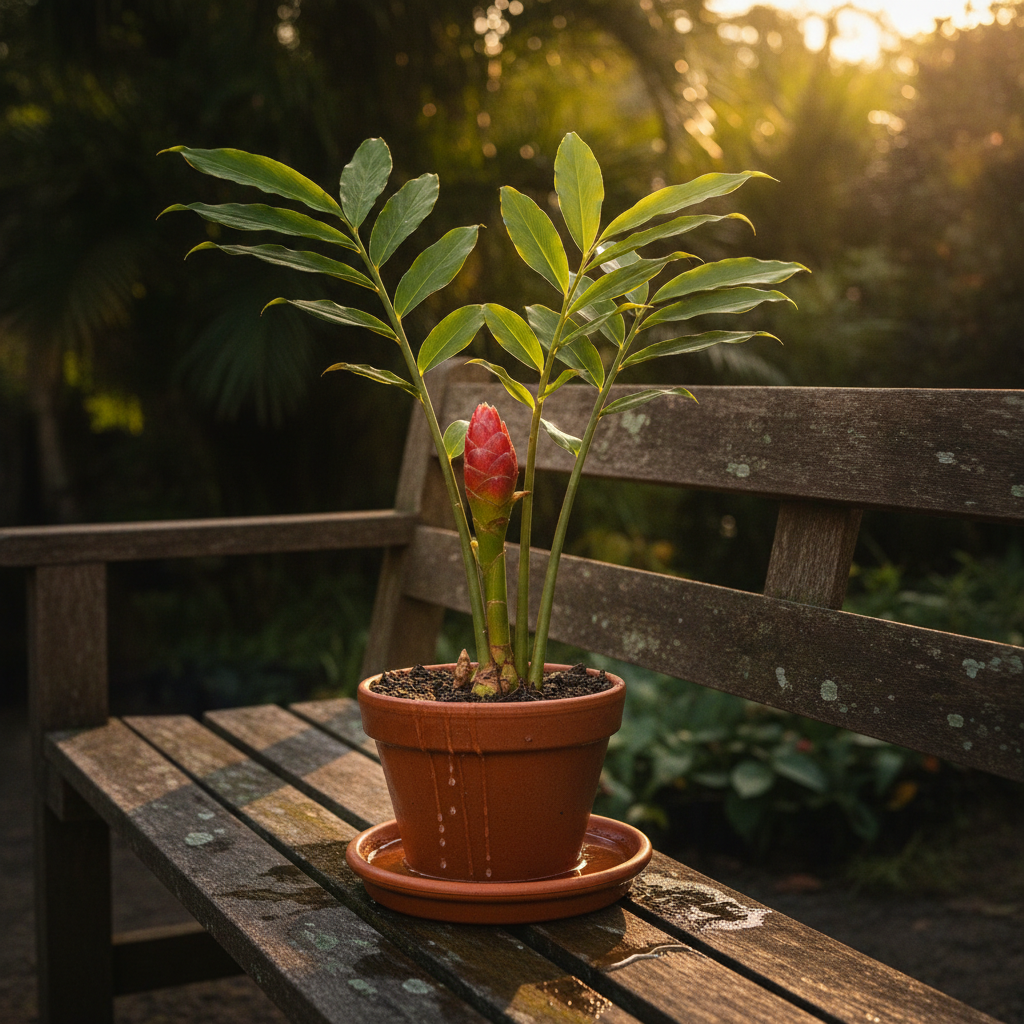
The ideal shampoo ginger soil resolves an apparent contradiction: it must be rich and moisture-retentive enough to fuel fast summer growth, yet open and free-draining enough that the rhizome never sits in standing water. A good starting point is a quality peat-free houseplant compost or loam-based mix lightened with roughly a third extra drainage material. Coarse perlite, fine orchid bark and a little coarse grit all work, and a generous helping of organic matter such as well-rotted compost or worm castings supplies the steady feeding this heavy grower appreciates. Aim for a slightly acidic to neutral pH, somewhere around 6.0 to 6.8, which the plant reaches happily in most standard mixes.
Pot choice matters because of the rhizome’s growth habit. Shampoo ginger spreads sideways, its fingered rhizome creeping outward just below the surface, so a wide pot serves it far better than a deep, narrow one. Choose a container with generous drainage holes and give the plant room to run. A vigorous specimen will fill a wide pot in a single season, and crowding the rhizome limits both the number of canes and the likelihood of cones.
Repot in early spring, just as the first shoots appear and before the plant powers into growth. This is the natural moment to lift the rhizome, refresh the compost, and divide if you wish. Set the rhizome shallowly, with only two or three centimetres (about an inch) of mix over it, since burying it too deep slows the emergence of new shoots. After repotting, water in well and then let the plant settle before returning to a normal watering rhythm.
Fertilising
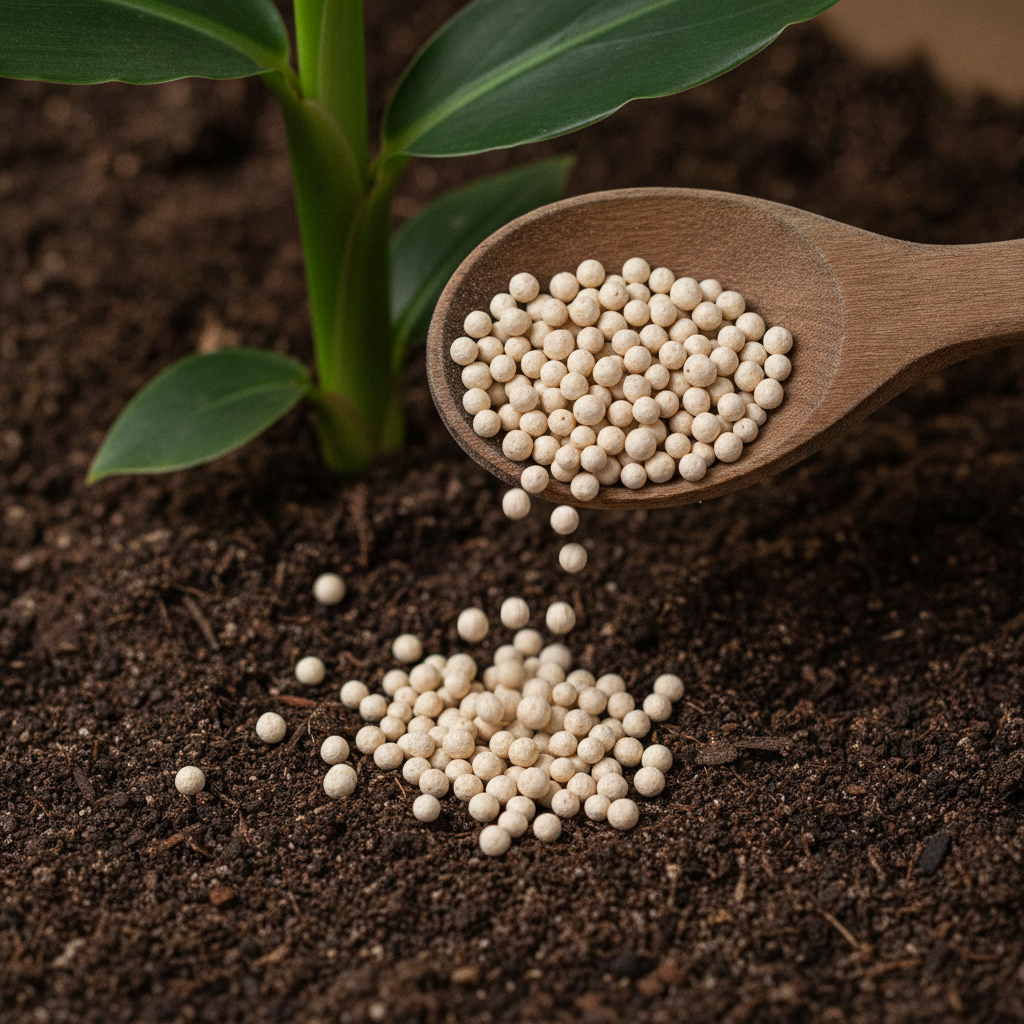
Shampoo ginger is a genuine heavy feeder, and skimping on nutrition shows up quickly as pale, undersized leaves and a reluctance to cone. Through the growing season, from the moment new shoots appear in spring until the leaves begin to fade in autumn, feed regularly. A balanced liquid fertiliser diluted to half strength and applied every two weeks suits it well, or a monthly full-strength feed if that fits your routine better. Because the plant produces both lush foliage and, ideally, flowers, a balanced formula with a modest lift in potassium encourages the cones without pushing all the energy into leaf.
Growers who prefer a low-effort approach can top-dress the pot in spring with a slow-release granular fertiliser and supplement with the occasional liquid feed during the peak of summer. Organic options such as worm castings, diluted seaweed extract or a gentle compost tea also work beautifully and match the plant’s appetite for rich, living soil. Whichever route you take, always feed onto damp compost rather than dry, since fertiliser applied to parched soil can scorch the roots.
Stop feeding entirely once the plant begins its autumn die-back. A dormant rhizome has no use for nutrients and cannot take them up, so continuing to fertilise merely leaves unused salts building up in the compost. Resume only when the new spring shoots are clearly under way.
Pro Tip — Feed for cones: If your plant grows lush and tall but never produces a cone, it is usually short on either light or potassium. Move it brighter and switch to a bloom-oriented feed higher in potassium for a few weeks in mid-summer to tip the balance toward flowering.
Propagation
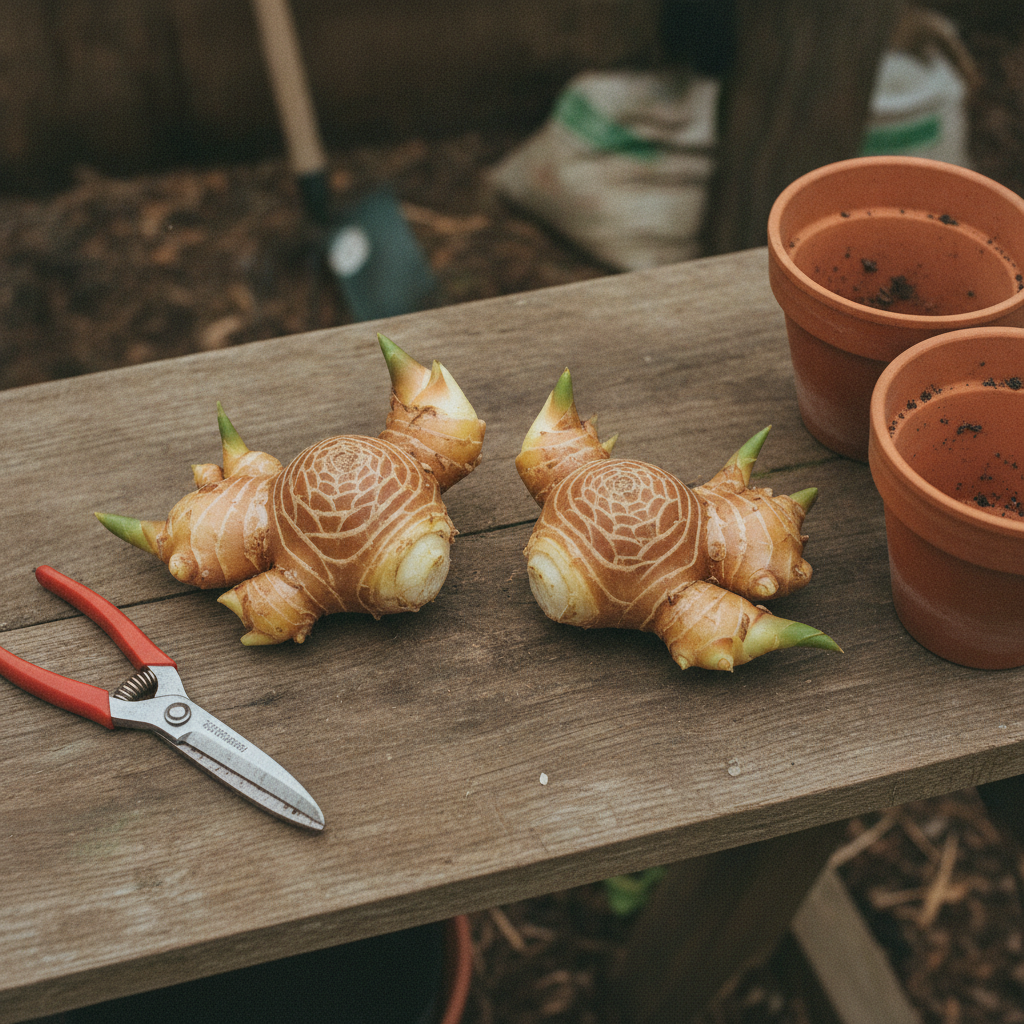
Shampoo ginger does not propagate from stem or leaf cuttings. It multiplies the way most gingers do, by division of the rhizome, and it takes to this readily. The ideal moment is early spring, at the point where the plant is breaking dormancy and you can see the first pink or green buds swelling on the rhizome. Dividing then means each new piece has a full growing season ahead of it to establish, and the plant is already primed to push new shoots.
The process is straightforward. Slide the whole plant out of its pot, brush away enough compost to see the fingered rhizome clearly, and identify the growth points, the small nodes from which shoots emerge. Using a clean, sharp knife, cut the rhizome into sections, making sure each piece carries at least one or two of these growth buds along with a portion of healthy root. Let the cut surfaces dry and callus for a few hours to reduce the risk of rot, then pot each division into its own wide container of fresh, free-draining mix, setting it shallowly as you would when repotting.
Aftercare is a matter of patience and restraint. Keep the newly potted divisions warm, ideally above 20 degrees Celsius (68 degrees Fahrenheit), in bright indirect light, and water sparingly at first. The rhizome holds plenty of stored energy, and overwatering before roots and shoots are actively growing is the main cause of failure. Once you see new leaves unfurling, you can water and feed normally and treat each division as a full plant.
A simple sequence for dividing a shampoo ginger:
- In early spring, unpot the plant and gently expose the rhizome.
- Locate the growth buds and plan cuts so each section keeps one or two of them plus some roots.
- Cut cleanly with a sterilised knife and let the wounds dry for a few hours.
- Pot each piece shallowly in fresh, free-draining mix in a wide container.
- Keep warm, bright and only lightly moist until new shoots appear, then resume normal care.
Pests and Problems

For a lush tropical, shampoo ginger is refreshingly untroubled by pests. Its most common visitor indoors is the spider mite, which thrives in the warm, dry air of a centrally heated room and betrays itself with fine stippling on the leaves and delicate webbing in the leaf axils. Because good humidity discourages mites in the first place, keeping the plant in a moist atmosphere is both a growing preference and a pest defence. If mites do appear, rinse the foliage thoroughly, raise the humidity, and treat with an insecticidal soap or a fine neem oil spray, paying attention to the undersides of the leaves.
Aphids may gather on soft new growth and the emerging cone, and scale insects occasionally attach themselves to the stems as small brown limpets. Both are dealt with by hand for light infestations, wiping the pests away with a cotton bud dipped in diluted alcohol, or with insecticidal soap for heavier ones. A monthly inspection, turning a leaf or two to check the undersides, catches all of these before they become established.
The most serious problems are not pests at all but errors of watering and season. Yellowing leaves in autumn are entirely normal and simply mark the onset of dormancy. Yellowing in the middle of the growing season, especially paired with soft, mushy stem bases, points to overwatering and the beginnings of rhizome rot, which calls for immediate action: unpot, cut away any soft, foul-smelling tissue, dust the cuts, and repot into fresh dry mix. Crisp brown leaf edges usually mean the air is too dry or the plant has been scorched by direct sun, while a plant that simply refuses to grow in spring may have been kept too cold over winter, since the rhizome needs warmth to break dormancy.
| Symptom | Likely cause | Response |
| Leaves yellowing in autumn | Natural dormancy | Reduce water, allow die-back, rest the rhizome |
| Yellow, mushy stems in summer | Overwatering and rot | Unpot, cut away rot, repot into dry mix |
| Crisp brown leaf edges | Low humidity or sun scorch | Raise humidity, move out of harsh direct sun |
| Fine stippling and webbing | Spider mites | Rinse, raise humidity, treat with neem or soap |
| No new growth in spring | Kept too cold in dormancy | Move somewhere warmer, be patient |
Varieties
Shampoo ginger is grown in two forms that between them cover most collections: the plain-leaved wild type valued above all for its cones, and a striking variegated selection grown as much for its foliage as its flowers.
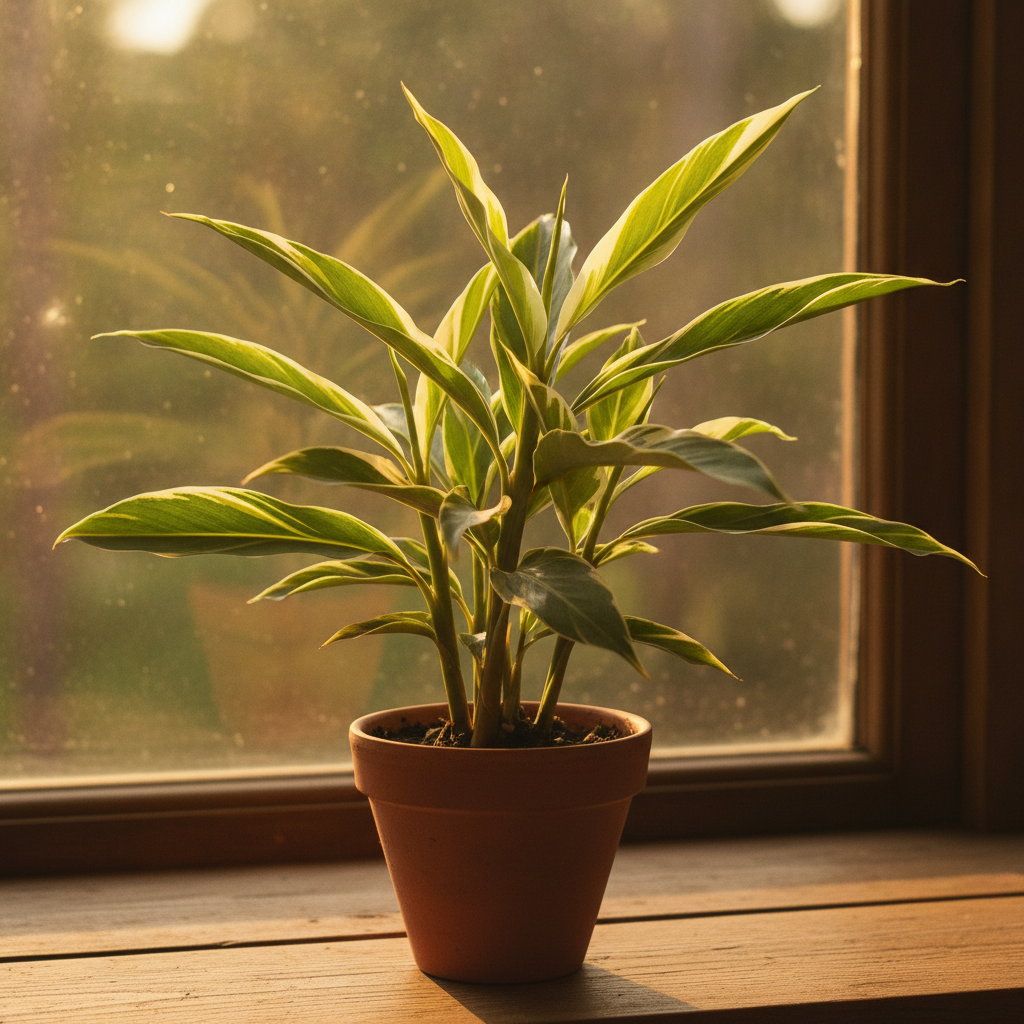
‘Darceyi’ is the variegated shampoo ginger, and it is the form most often sought for its looks alone. Its lance-shaped leaves are boldly edged and streaked with creamy white along the margins, so that a full stand of it seems to glow. It carries the same red cones as the species but tends to grow a little more slowly and appreciates protection from strong sun, which can bleach the pale variegated areas. In every other respect its care is identical to the plain form.
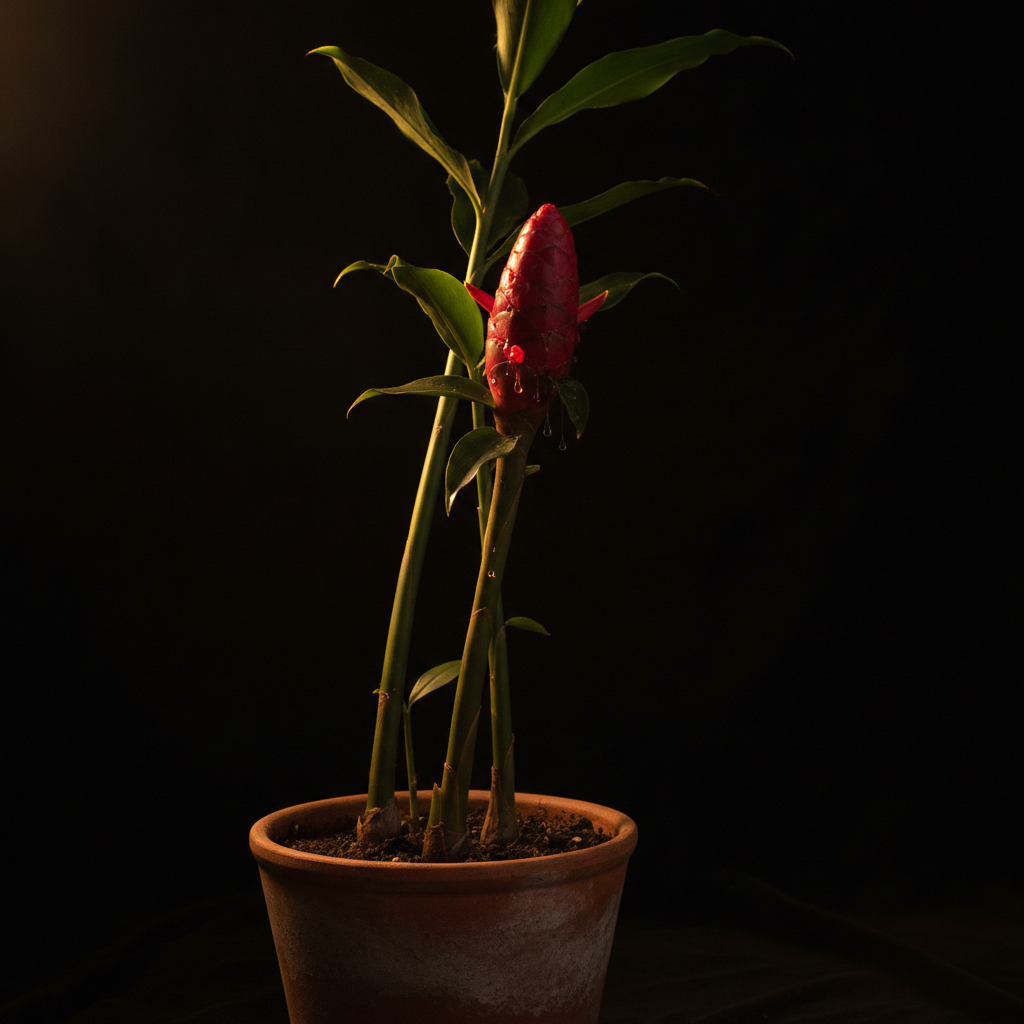
The wild-type awapuhi is the classic plain green shampoo ginger, and the one to grow if the cones are the point. Its glossy green leaves are handsome but unremarkable; the reward comes in late summer, when the swollen red bract rises on its own stalk and fills with the milky, fragrant liquid that gives the plant its name. This is the form with the deepest cultural history across the Pacific and the most reliable coning under good conditions.
Frequently Asked Questions
Why did all the leaves on my shampoo ginger die?
Almost always this is natural dormancy rather than death. Shampoo ginger is deciduous and dies back completely each autumn, retreating into its rhizome for a winter rest. Cut away the spent stems, keep the pot barely moist and warm, and new shoots will appear in spring.
Can I really use the liquid from the cone as shampoo?
Yes. Squeezing a mature red cone releases a slippery, fragrant, mucilaginous liquid that has been used across Hawaii and the wider Pacific to soften and scent hair. It will not lather like a modern detergent shampoo, but it is genuinely conditioning and pleasantly perfumed.
How long until my plant produces a cone?
A well-grown, established plant typically cones in its second or third season, in late summer, once the rhizome has built up enough size and stored energy. Bright light, generous feeding and warmth all bring flowering forward; a young or shade-grown plant may take longer or skip coning altogether.
Is shampoo ginger safe around pets and children?
It is considered non-toxic and has a long history of use as food, medicine and haircare. It does not appear on the common lists of plants toxic to cats and dogs. As with any plant, discourage pets from chewing large quantities, but there is no serious hazard here.
How big will it get indoors?
In a single growing season the leafy stems commonly reach 1.2 to 2 metres (4 to 6.5 feet) tall, depending on light, warmth and pot size. Because it dies back each year, it never becomes a permanent tree-sized presence; each spring it starts fresh from the rhizome.
Does it need a winter rest, or can I keep it growing year round?
The dormancy is built into the plant and difficult to prevent. Even in a warm, bright indoor spot, most shampoo gingers will slow and die back as the days shorten. Rather than fight it, reduce watering, stop feeding and let the rhizome rest; the plant returns stronger for it.






