
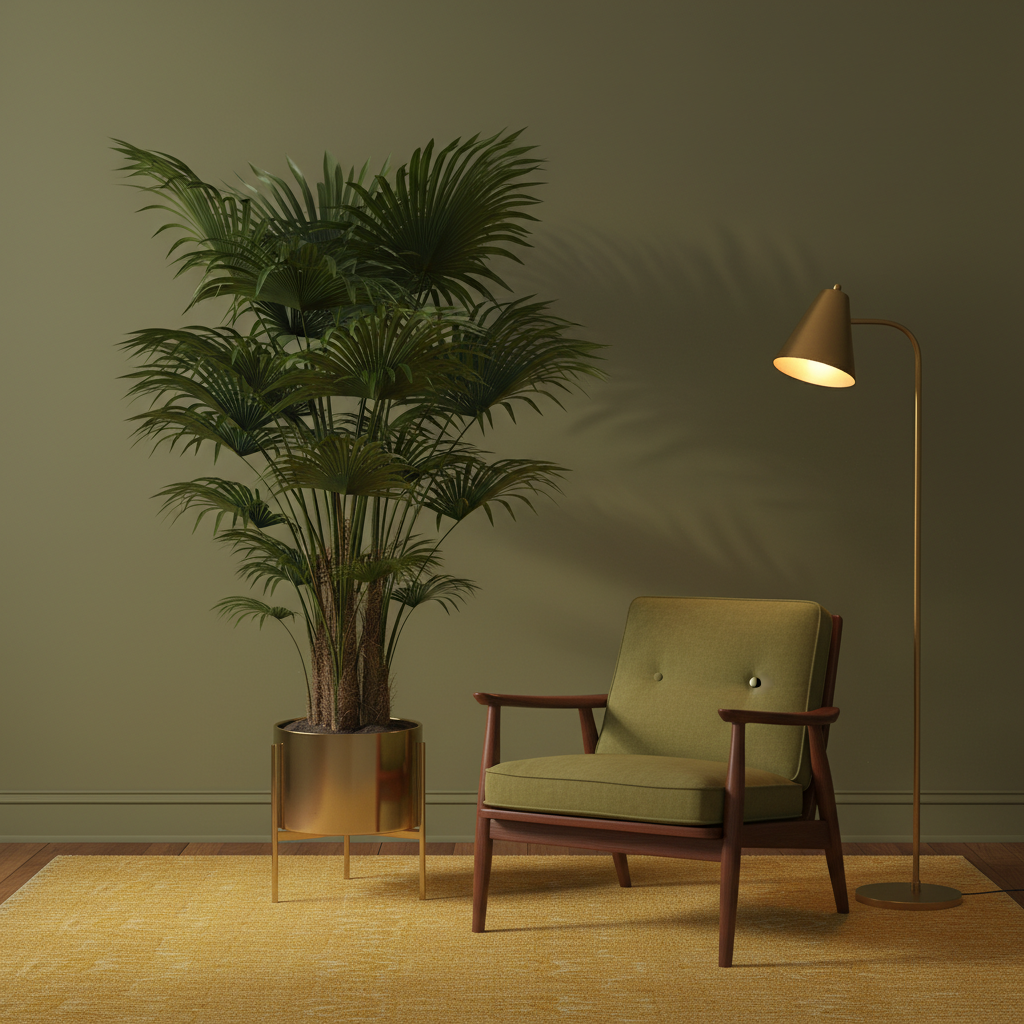
Few palms earn a place indoors as gracefully as the lady palm. Where most palm species sulk the moment they leave a humid greenhouse, Rhapis excelsa shrugs off dim corners, dry air and the occasional missed watering with the composure of a plant that has been cultivated in Asian courtyards for more than three centuries. Its slender, bamboo-like canes and broad, glossy fans give it an architectural elegance that suits both a minimalist apartment and a cluttered Victorian conservatory, and unlike many of its tropical relatives it is genuinely happy in the kind of moderate light most living rooms provide.
This guide covers everything needed to move a lady palm from merely surviving to genuinely thriving: how much light it truly wants, the watering rhythm that keeps its sensitive root system content, the soil and feeding it prefers, how to multiply it by division, and how to head off the handful of pests that bother it. The species is also one of the few indoor palms that is non-toxic to cats and dogs, which makes it a rare safe choice for households with curious pets.
In this guide
- Quick reference
- Why the lady palm makes a good houseplant
- Light
- Watering
- Soil and potting
- Fertilising
- Propagation
- Pests and problems
- Varieties
- Frequently asked questions
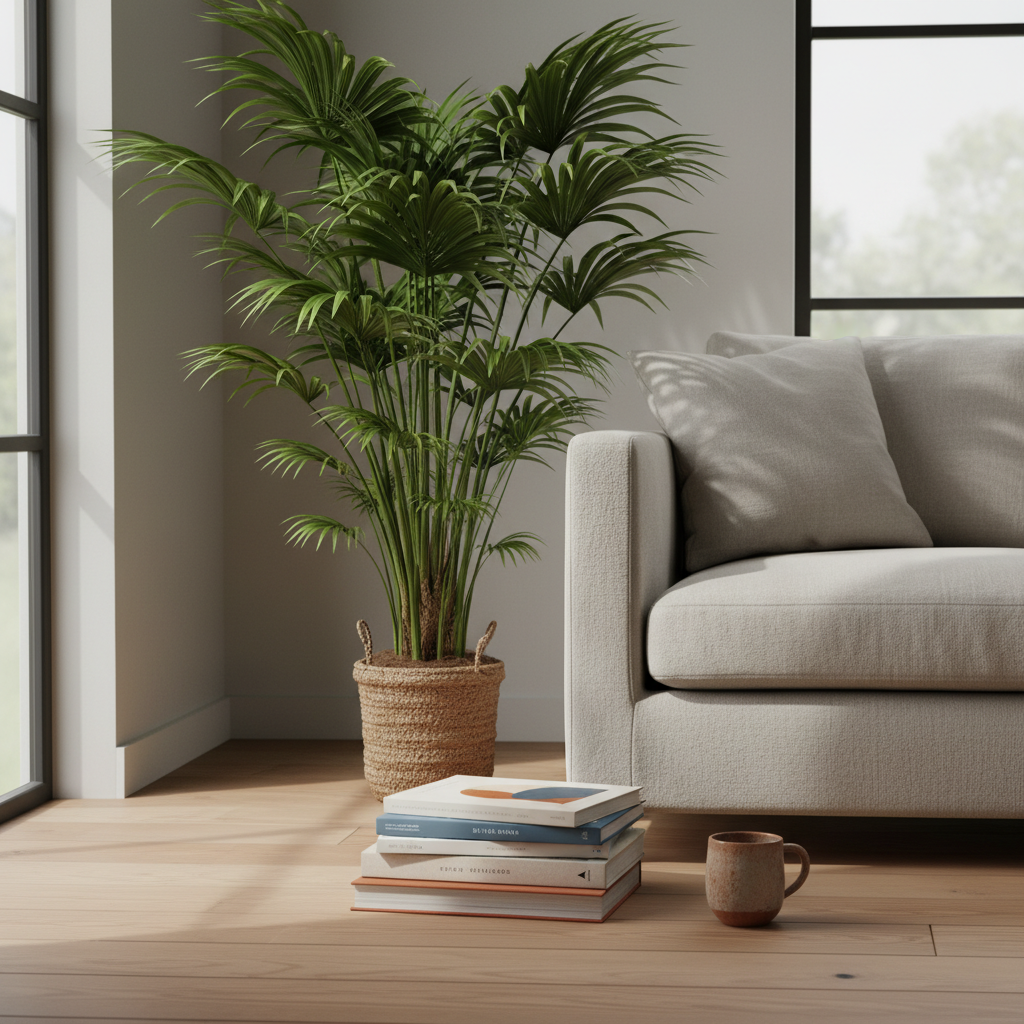
Quick reference
| Botanical name | Rhapis excelsa |
| Common names | Lady palm, broadleaf lady palm, bamboo palm, ground rattan |
| Family | Arecaceae (palm family) |
| Origin | Southern China and Taiwan; known only in cultivation |
| Mature size indoors | 1 to 1.8 metres (3 to 6 feet) over many years; up to 4 m (13 ft) in ideal conditions |
| Light | Bright indirect light preferred; tolerates moderate to low light |
| Water | Keep evenly moist in growth; let the top 2 to 3 cm (1 in) dry between waterings |
| Humidity | Average household humidity is fine; appreciates 40 to 60 per cent |
| Temperature | 18 to 27 C (65 to 80 F); tolerates brief dips to 7 C (45 F) |
| Soil | Rich, well-draining, slightly acidic mix |
| Feeding | Light feeder; dilute balanced fertiliser monthly in spring and summer |
| Propagation | Division of the clump and rhizome offsets |
| Toxicity | Non-toxic to cats, dogs and humans |
| Growth rate | Slow |
Why the lady palm makes a good houseplant
The lady palm belongs to a small genus of fan palms from the understorey of subtropical forests in southern China and Taiwan, where it grows beneath taller trees in dappled, often quite dim light. That evolutionary background is the key to its success indoors. A plant adapted to filtered forest-floor light does not expect the blazing sun that most palms crave, and so it adapts readily to the relatively low light levels found several metres back from a window. Interestingly, Rhapis excelsa is not known from the wild at all; it has been propagated and refined in Chinese and Japanese gardens for so long that the cultivated clumps are effectively a horticultural creation, passed from grower to grower as divisions rather than grown from seed.
Structurally the plant is a clump of upright canes, each one slender and ringed like bamboo and clothed in a coarse, dark-brown fibrous mat formed from the persistent bases of old leaves. From the top of each cane emerge the fronds that give the species its charm: deep green, lacquered fans split into five to ten broad segments with blunt, finely toothed tips. New canes push up continually from a creeping underground rhizome, so a healthy specimen slowly thickens into a dense, columnar stand rather than a single trunk. This clumping habit is what makes division such a natural method of propagation, and it also means an established plant has a pleasing fullness from the soil line upward, with none of the bare-trunk leggy look that afflicts many indoor palms.
Beyond looks, the lady palm has a reputation for resilience that is well earned. It tolerates the dry air of centrally heated rooms better than most palms, copes with a degree of underwatering, and is one of the few palms genuinely content in low light. It featured in NASA’s clean-air studies for its ability to filter common indoor pollutants, and crucially for many households it carries no toxins, so a nibbling cat or dog is at no risk. The main trade-off for all this forgiveness is pace: this is a slow plant. A specimen will take years rather than seasons to gain real height, which makes a large, mature lady palm both expensive to buy and worth protecting once you have one.
Light
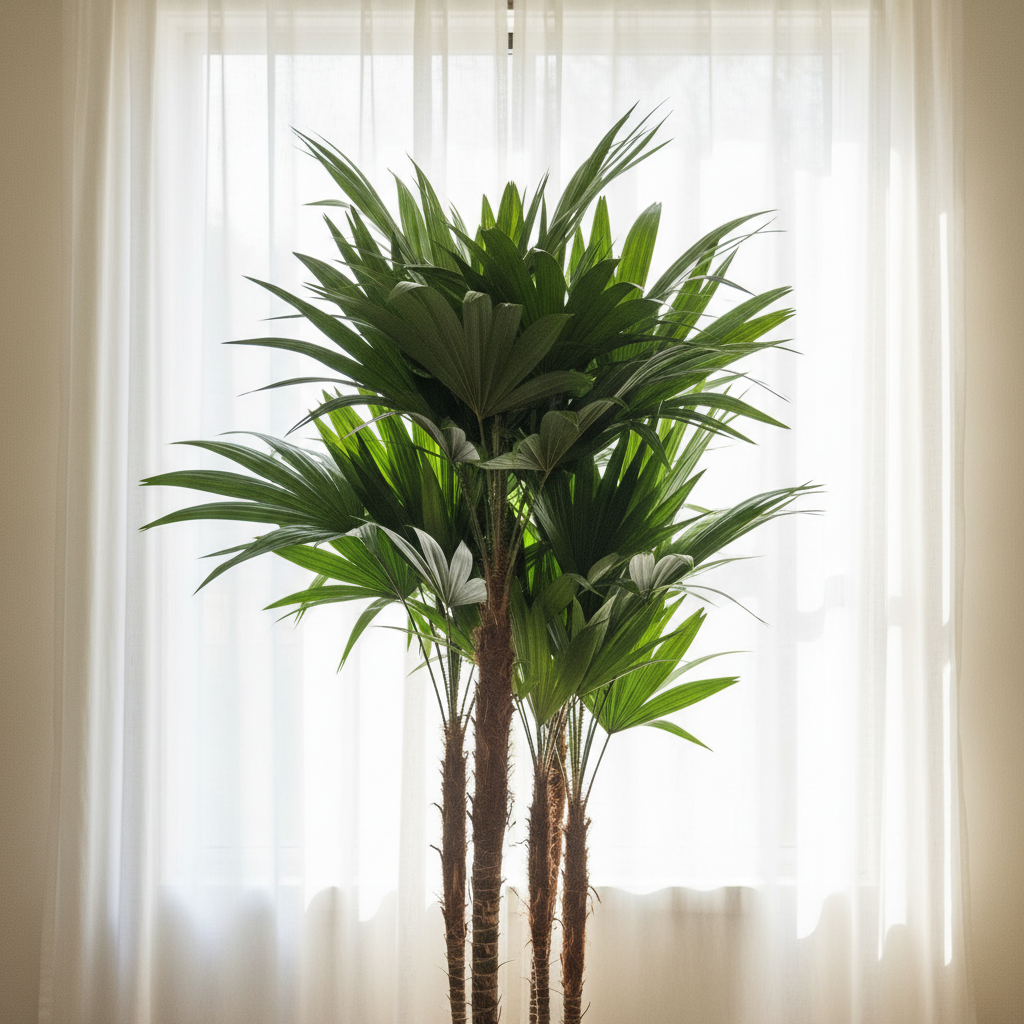
Light is where the lady palm’s understorey origins pay off. The plant will survive in genuinely low light, the kind of north-facing corner or interior hallway where most palms slowly decline, and this tolerance is the main reason it is recommended so often for offices and shaded rooms. Survival, however, is not the same as thriving. In dim conditions the plant simply stops growing, and any new fronds it does produce will be smaller, paler and more widely spaced along the cane.
To see the lush, deep-green density that makes this palm worth having, give it bright but indirect light. An east-facing window, a position a metre or two back from a bright south or west window, or a spot behind a sheer curtain that softens direct sun all suit it well. What the plant cannot take is harsh, direct midday sunlight striking the foliage through unfiltered glass. Those broad fans scorch easily, developing bleached patches and crisp brown margins that never recover. If you are moving a plant from a shop or a shaded spot into brighter conditions, do it gradually over a week or two so the foliage can acclimatise rather than burn.
Pro Tip — Even growth: Lady palms lean gently toward their light source over time. Give the pot a quarter turn every couple of weeks so every cane receives its share and the clump grows upright and balanced rather than one-sided.
Watering
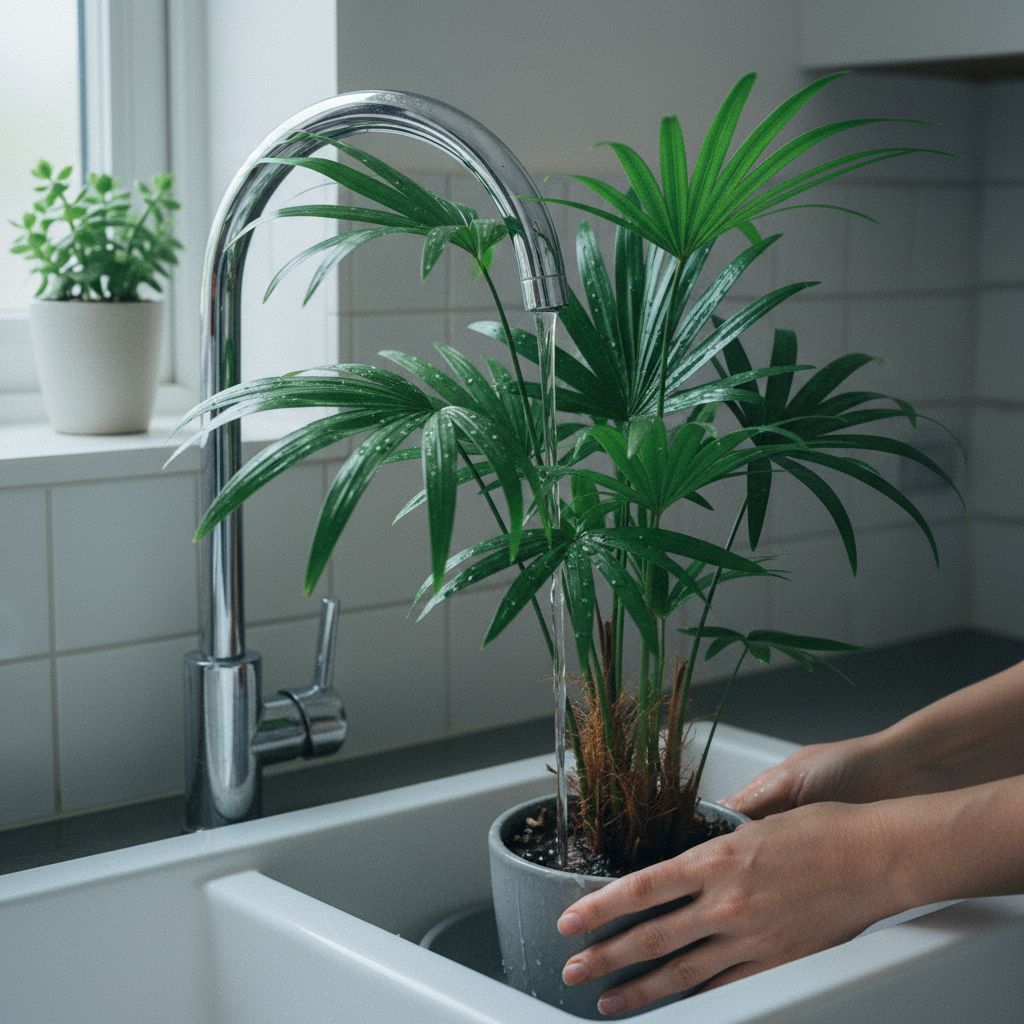
Watering is the area where lady palms reward consistency and punish extremes. During the growing season, from spring through early autumn, the plant likes its soil kept evenly moist, neither waterlogged nor bone dry. The reliable method is to water thoroughly, letting water flow right through the pot and out of the drainage holes, and then to wait until the top 2 to 3 centimetres (about an inch) of the mix have dried before watering again. Pushing a finger into the soil tells you far more than any schedule; how often this point arrives depends on the warmth, light and pot size, and it might mean watering once a week in summer and considerably less in winter.
The cardinal sin is leaving the plant standing in water. Lady palms have fine root systems that rot readily in saturated, airless soil, and persistent sogginess is the most common cause of decline. Always empty the saucer or cachepot a few minutes after watering. In the colder months the plant’s growth slows almost to a halt, and its water needs fall accordingly; let the soil dry more deeply between waterings through winter, while still never allowing the root ball to become completely parched.
One quirk worth knowing is the species’ sensitivity to the chemicals in tap water. Fluoride and the salts in heavily treated or softened water can accumulate in the soil and show up as scorched, brown leaf tips. If your tap water is hard or fluoridated and you notice tip burn, switch to rainwater, filtered water, or tap water that has been left to stand overnight. Average household humidity suits the plant, but in very dry, heated rooms an occasional misting or a nearby pebble tray helps keep the leaf tips from browning.
Warning — Brown tips: Crisp brown leaf tips usually signal one of three things: a build-up of salts and fluoride from tap water, very dry air, or erratic watering. Flushing the soil thoroughly with clean water every couple of months helps wash out accumulated salts.
Soil and potting
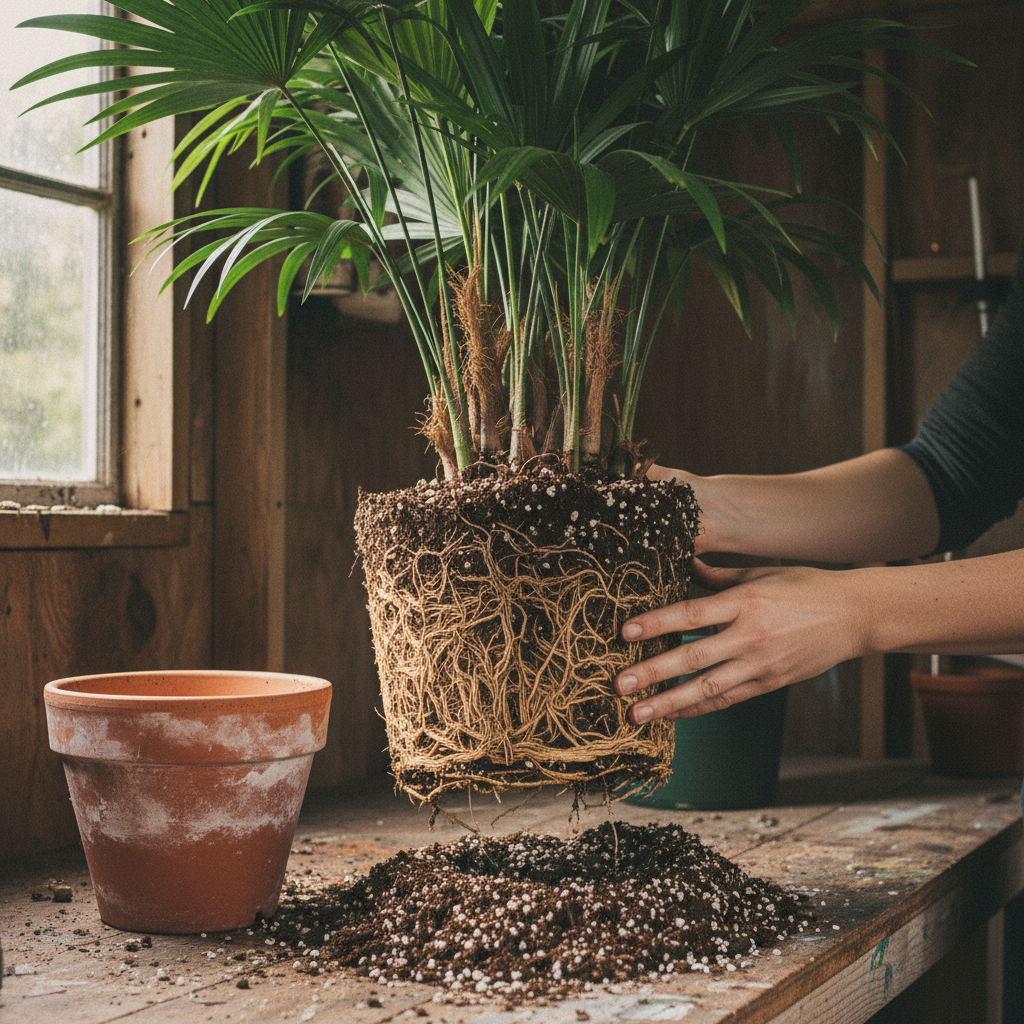
The ideal medium for a lady palm balances moisture retention against drainage. The plant wants soil that stays evenly damp yet drains freely enough that excess water disappears quickly and air can reach the roots. A good homemade blend is two parts quality peat-free potting compost to one part coarse perlite or pumice, with a handful of orchid bark or coir added for structure. A bagged palm or houseplant mix works well too, improved with extra perlite if it feels dense. Whatever you use, the plant prefers a slightly acidic to neutral pH, and the pot must have drainage holes; no amount of good soil will save a lady palm sitting in a sealed container.
Lady palms are slow growers that actively dislike disturbance, and they flower and grow best when somewhat snug in their pots, so frequent repotting is neither necessary nor welcome. Plan to repot only every two to three years, or when roots are clearly circling the surface or escaping the drainage holes. Spring, as growth resumes, is the best time. Choose a pot only one size larger, since an oversized container holds too much wet soil around the modest root ball and invites rot.
When you do repot, handle the root ball gently, as the fine roots and the creeping rhizomes that produce new canes are easily damaged. Settle the plant at the same depth it sat before, firm fresh mix lightly around the sides, and water it in. Expect the plant to pause for a while afterward rather than burst into growth; this is normal for a species that does everything at a measured pace. In the years between repottings, refreshing the top few centimetres of soil each spring keeps the medium open and the surface salts in check.
Fertilising
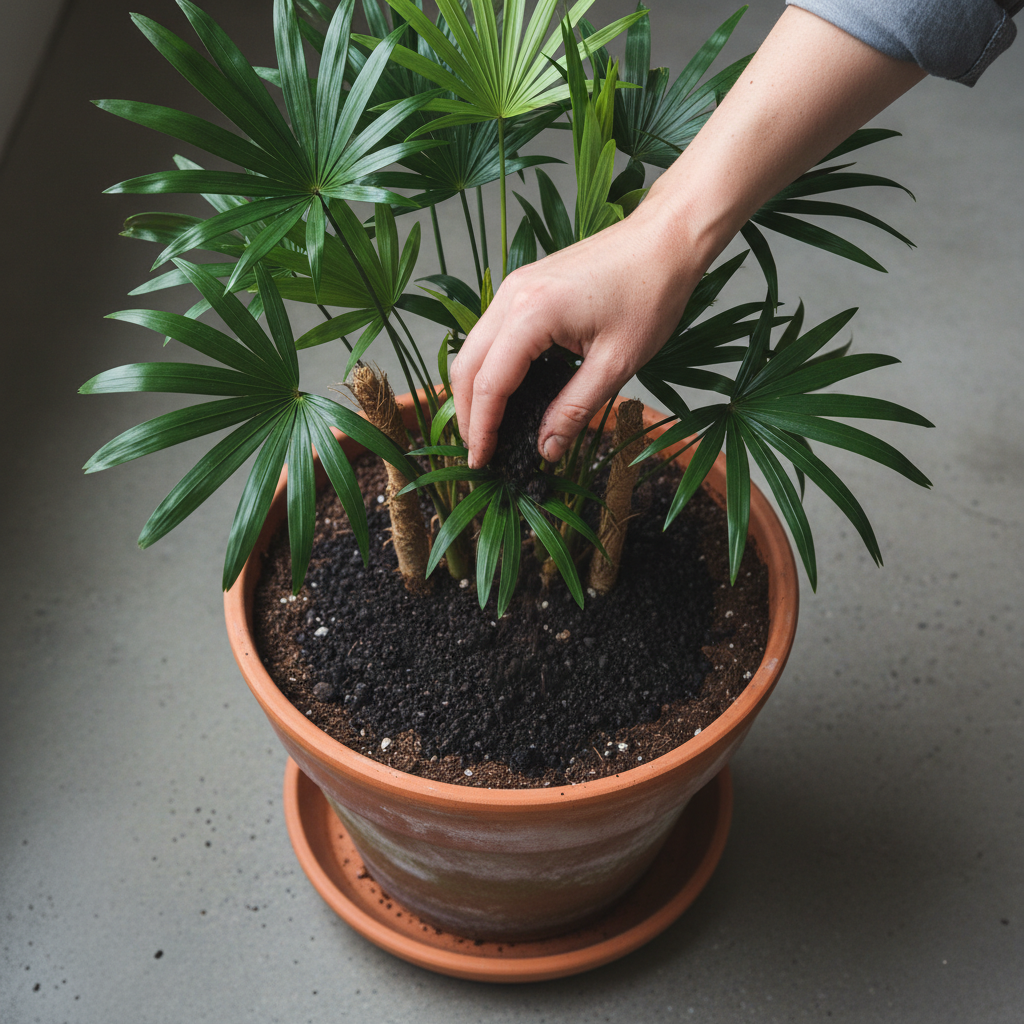
As befits a slow-growing plant, the lady palm is a light feeder, and the most common feeding mistake is generosity. Too much fertiliser, or too concentrated a dose, scorches the sensitive roots and leaves a residue of salts in the soil that worsens the tip browning the species is already prone to. The plant needs only modest support, and only while it is actively growing.
Through spring and summer, feed roughly once a month with a balanced liquid houseplant or palm fertiliser diluted to half the strength recommended on the label. A dedicated palm feed is a sensible choice because it usually includes magnesium and other micronutrients palms draw on, the lack of which can cause yellowing between the leaf veins. Gentle organic options such as a top-dressing of worm castings or a dilute seaweed feed are well suited to the plant and carry little risk of burning. Always apply fertiliser to already-moist soil rather than to a dry root ball, which concentrates the salts against the roots.
Stop feeding entirely from late autumn through winter, when the plant is resting and cannot use the nutrients; fertiliser applied to a dormant plant simply accumulates as harmful salt. If you ever suspect you have overfed, flush the pot thoroughly with plenty of clean water to leach out the excess, and ease off the feeding from then on.
Pro Tip — Less is more: When in doubt, underfeed. A lady palm growing slowly on a lean diet stays healthy for decades, whereas one pushed with heavy fertiliser develops burnt roots and chronically browning tips.
Propagation
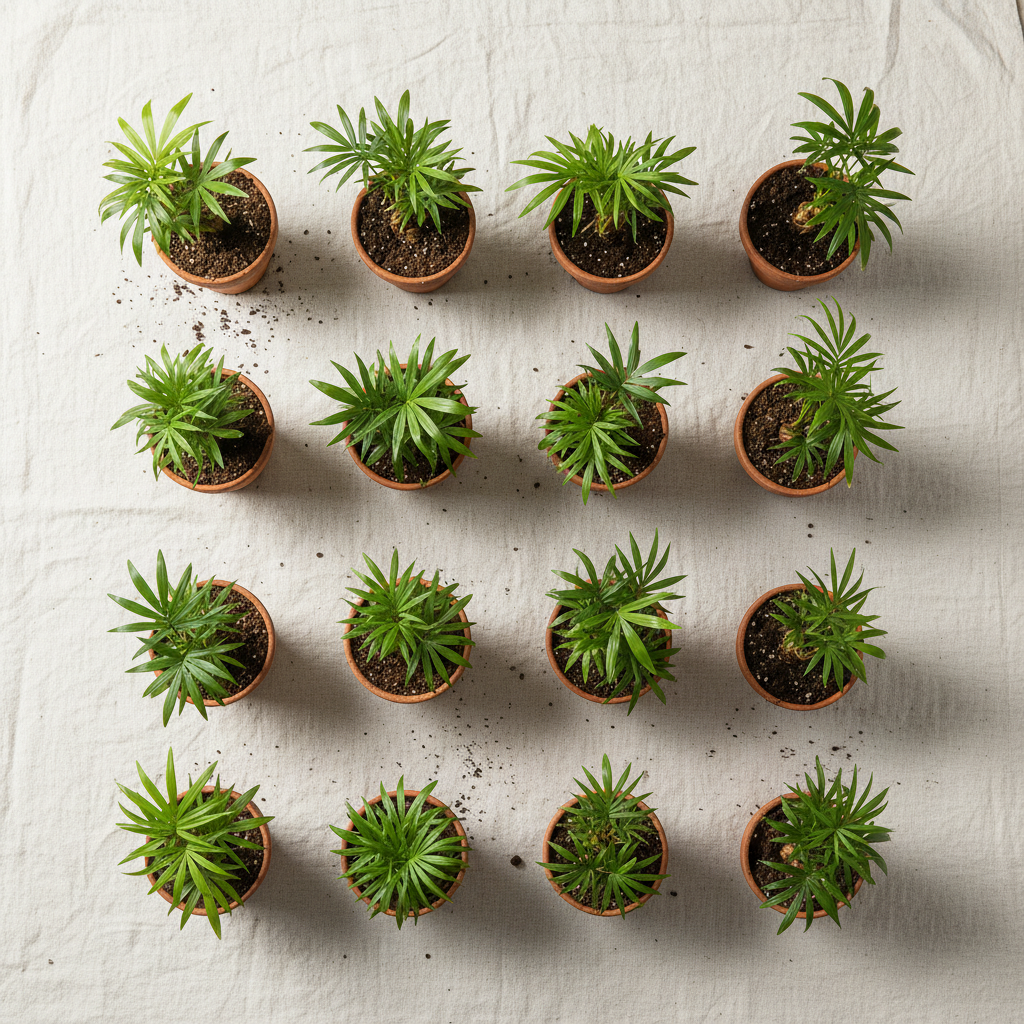
Because the lady palm grows as a spreading clump of canes rising from a shared rhizome, division is the natural and really the only practical way to propagate it at home. Cuttings will not root, and growing from seed is slow, unreliable and complicated by the fact that the plant is dioecious, meaning male and female flowers occur on separate plants, so seed rarely sets indoors. Fortunately a mature, crowded clump divides readily, and the best moment to do it is in spring when you are repotting anyway and the plant is gearing up to grow.
The aim is to separate the clump into sections, each of which keeps several healthy canes attached to a good portion of root and rhizome. A division of three or more canes establishes far more readily than a lonely single cane, which often languishes. Work patiently, because the underground rhizomes are tough and tangled, and tearing them carelessly damages the roots that each new section needs to survive.
- Water the plant a day ahead so the root ball is moist, then slide the whole clump out of its pot and gently shake or wash away enough soil to see where the canes join at the rhizome.
- Identify natural divisions, that is, groups of canes with their own roots that can be separated with minimal tearing.
- Using a clean, sharp knife or secateurs, cut through the rhizome to free a section of at least three or four canes with a generous share of healthy roots attached.
- Pot each division into its own container of fresh, well-draining mix, setting it at the depth it grew before and firming the soil gently around the roots.
- Water in well and place the new plants somewhere warm with bright indirect light, out of direct sun, and keep the soil lightly moist while they recover.
Patience is essential after division. The freshly separated plants will sit still for several weeks, and possibly a couple of months, as they rebuild their root systems before producing any new fronds. High humidity and steady warmth speed recovery, while cold, soggy soil during this vulnerable period is the surest way to lose a division. Once new growth appears you can return to normal care.
Pests and problems
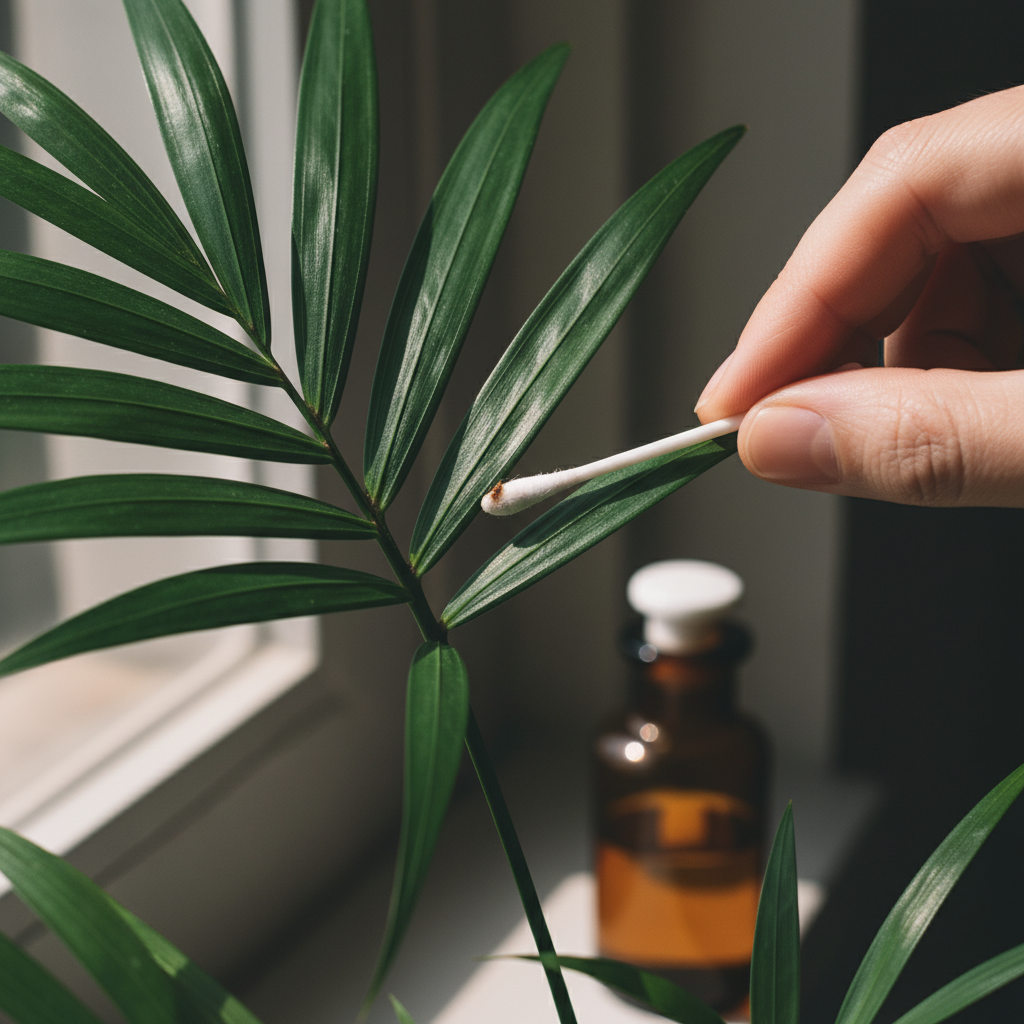
Lady palms are robust and largely untroubled by pests, but a few opportunists do appear, especially on stressed plants or in dry indoor air. The three to watch for are scale, mealybugs and spider mites. Scale insects look like small, hard brown bumps clinging to stems and the undersides of fronds, and they leave a sticky residue; mealybugs appear as white, cottony tufts tucked into the leaf axils where the fronds meet the cane; and spider mites, which thrive when the air is dry, betray themselves with fine speckling on the foliage and faint webbing between segments.
Catching trouble early makes treatment simple. A small outbreak of scale or mealybugs can be dealt with by dabbing each insect with a cotton bud dipped in isopropyl alcohol, which kills them on contact. For wider infestations, wipe the foliage down and treat the plant with insecticidal soap or a neem oil solution, repeating every week or so until no new pests appear. Spider mites respond to the same treatments, and because they hate moisture, raising the humidity and rinsing the fronds discourages them from returning. Isolate any newly affected plant from your other houseplants while you deal with it.
Most of the complaints people have about lady palms are not pests at all but cultural problems, and they trace back to water. Browning leaf tips point to salt and fluoride build-up, dry air, or inconsistent watering. Yellowing fronds, particularly when the lower leaves go limp and the soil stays wet, almost always mean overwatering and the onset of root rot, in which case you should ease off, improve drainage and, if the roots are mushy, repot into fresh mix after trimming away the damaged ones. A general pale, washed-out look with weak growth usually means too little light or a need for a gentle feed. Read these signals together with how you have been watering and lighting the plant, and the cause is usually clear.
Warning — Root rot: Yellowing lower fronds combined with permanently soggy soil and a sour smell mean root rot. Act quickly: remove the plant, cut away any soft, blackened roots, and repot into fresh, free-draining mix in a clean pot.
Varieties
The lady palm has been cultivated and selected for centuries, particularly in Japan, where collectors prize named clones for subtle differences in cane thickness, frond shape and variegation. For most growers the choice comes down to the familiar plain green species, the sought-after variegated forms, and a couple of closely related Rhapis species that are often sold alongside it. The two below are the ones you are most likely to encounter.
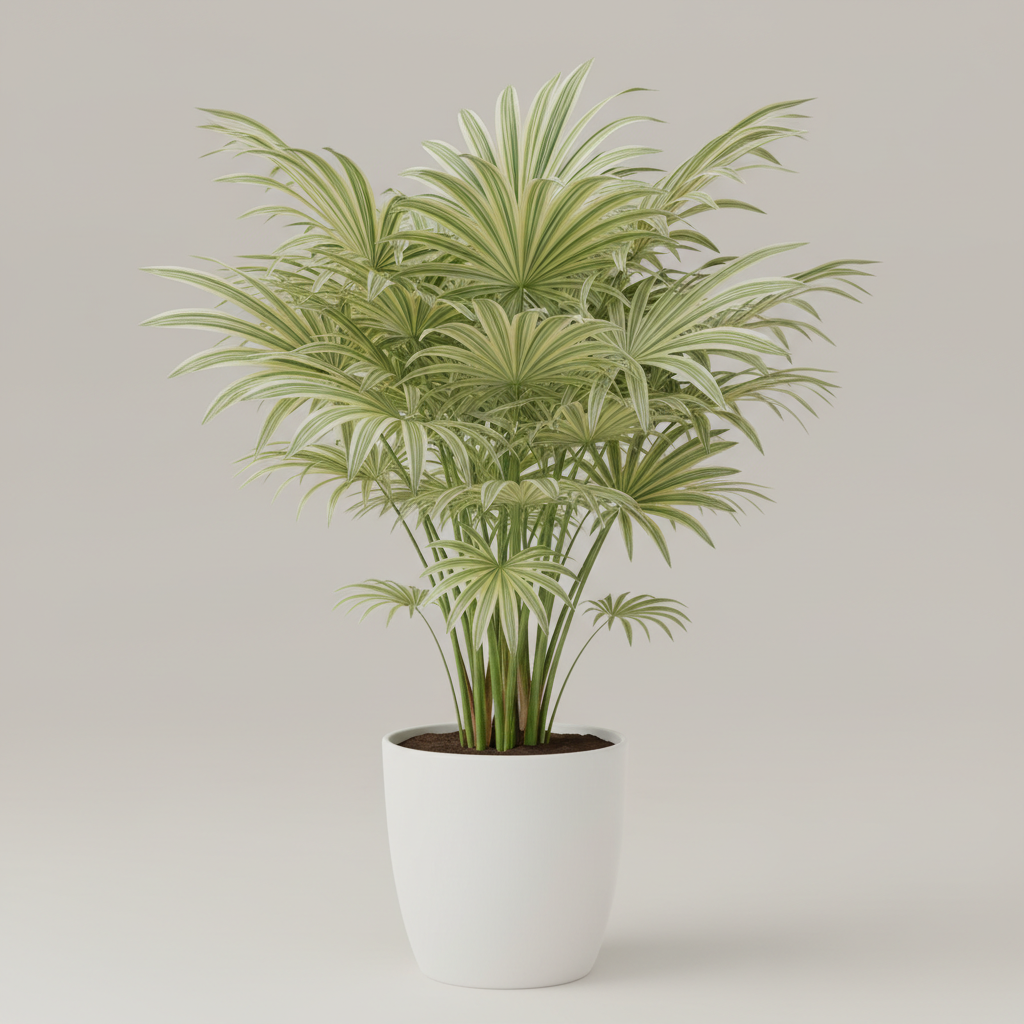
Variegated Lady Palm (Rhapis excelsa ‘Variegata’)
The collector’s favourite, with fan fronds striped in creamy-white and pale yellow longitudinal bands running the length of each segment. The variegation makes it slower and slightly more light-hungry than the plain species, and the brighter the indirect light, the crisper the contrast. Named Japanese clones such as ‘Zuikonishiki’ fall into this group and command high prices.
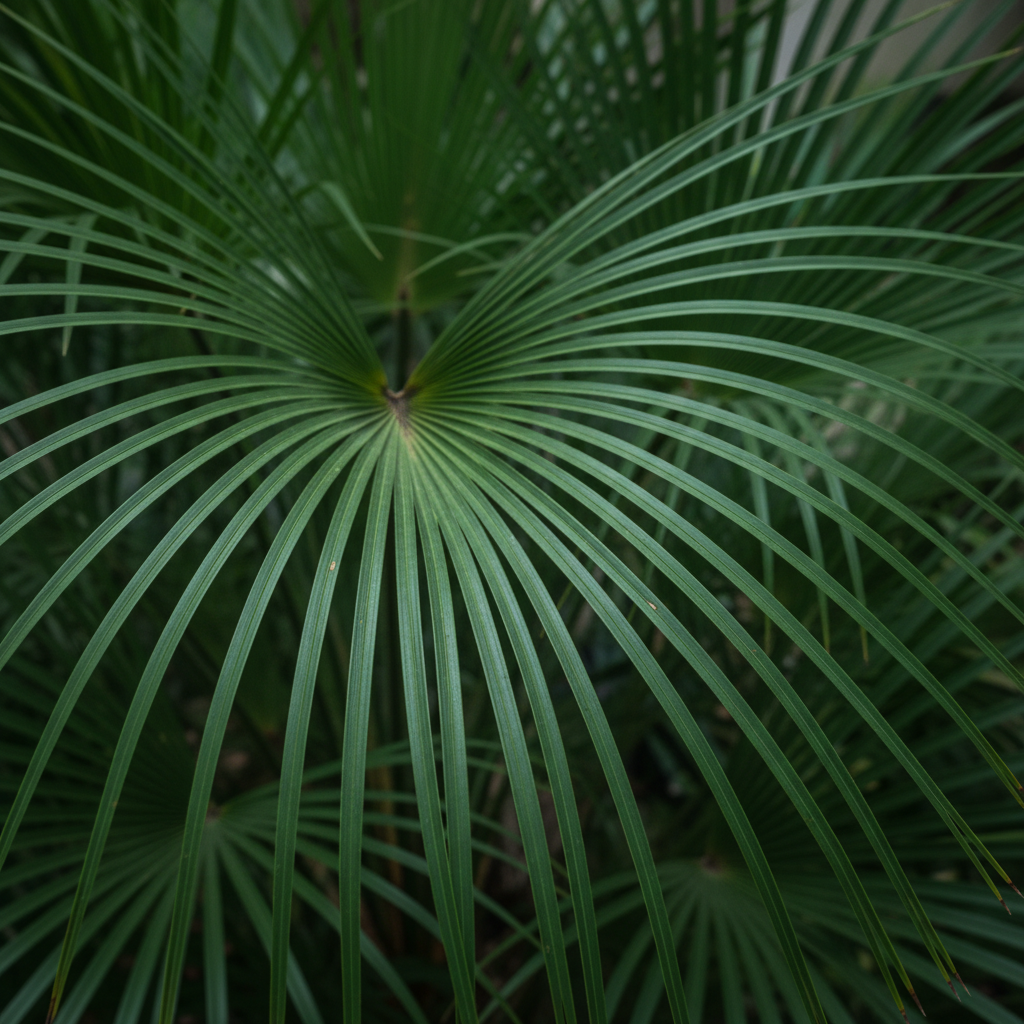
Finger Palm (Rhapis multifida)
A closely related species often sold as a lady palm, distinguished by its far finer, more numerous thread-like leaflets that give each fan a delicate, almost feathery look. It shares the same easy temperament and clumping habit, tolerates the same low light, and makes an airier, more refined alternative to the broad-segmented excelsa. Care is essentially identical.
Frequently asked questions
Is the lady palm safe for cats and dogs?
Yes. Rhapis excelsa is non-toxic to cats, dogs and humans, which makes it one of the safest indoor palms for households with pets. It is still wise to discourage chewing, since any fibrous foliage can cause mild stomach upset if eaten in quantity, but the plant carries no toxic compounds.
How fast does a lady palm grow?
Slowly. A lady palm typically adds only a handful of new fronds and a little height each year, even in good conditions, and may produce just one or two new canes annually. This measured pace is precisely why large, mature specimens are expensive, and why a healthy plant is worth holding on to.
Why are the tips of my lady palm turning brown?
Brown tips usually come from one of three causes: a build-up of fluoride and salts from tap water and fertiliser, very dry air, or inconsistent watering that lets the soil swing between soaking and bone dry. Switch to rainwater or filtered water if your tap water is hard, flush the soil periodically, keep humidity moderate, and water on a steadier rhythm.
Can a lady palm really live in low light?
It can survive in genuinely low light better than almost any other palm, which is why it is recommended for shaded rooms and offices. It will not grow much there, though. For full, deep-green growth it wants bright indirect light, just not harsh direct sun, which scorches the fronds.
How often should I repot a lady palm?
Only every two to three years, or when roots are circling the surface or escaping the drainage holes. The plant dislikes disturbance and actually prefers to be a little snug, so repot into a pot just one size larger, in spring, and expect a pause in growth afterward.
What is the best way to propagate a lady palm?
By division. Because the plant grows as a clump of canes from a shared rhizome, you separate it into sections, each with several canes and a good share of roots, ideally in spring while repotting. Cuttings do not root, and seed is slow and unreliable indoors, so division is the only practical home method.






