
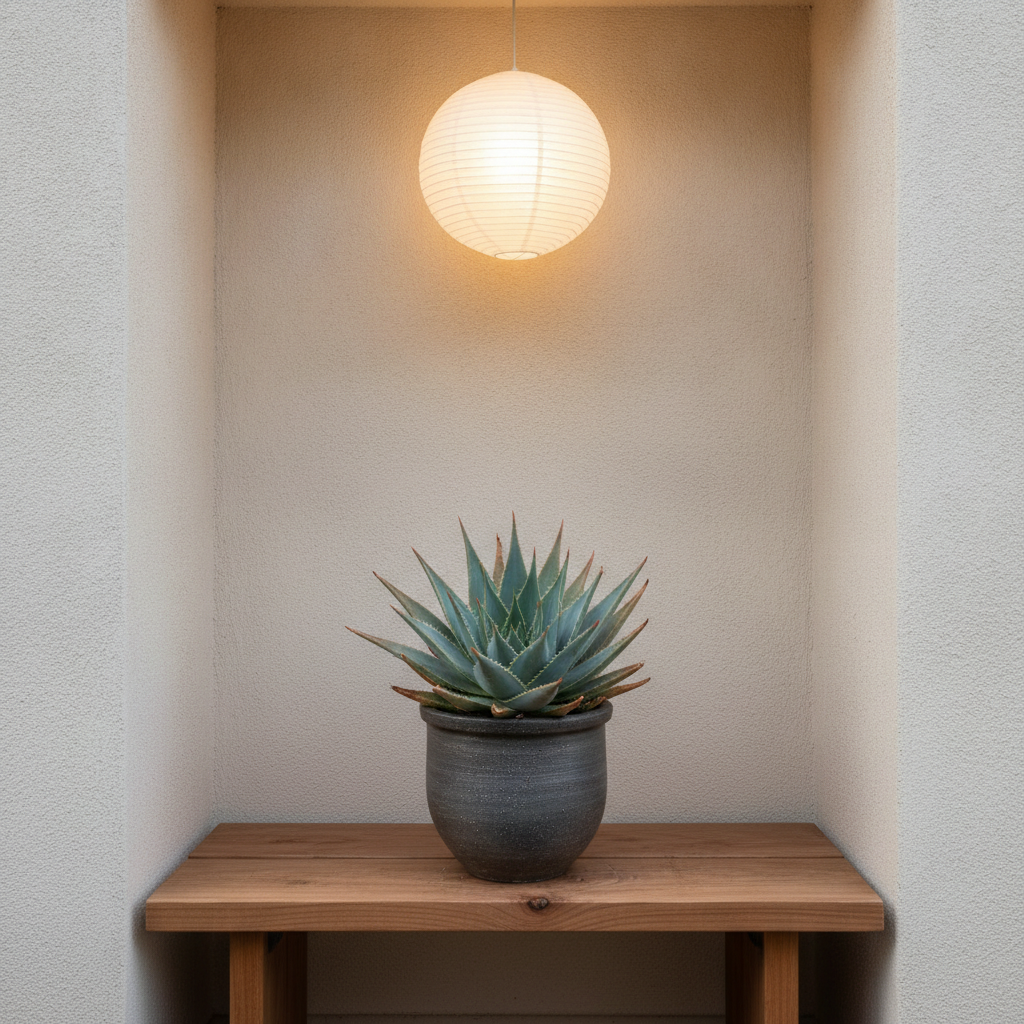
Few houseplants earn a gasp on sight the way the spiral aloe does. Where most succulents settle for a tidy rosette, Aloe polyphylla arranges its fleshy, blue-green leaves into a flawless geometric spiral, five interlocking ranks winding out from a single point like a living Fibonacci diagram. It is the national plant of Lesotho, an alpine specialist from one of the harshest mountain environments in southern Africa, and it carries a reputation among growers as one of the most beautiful and most demanding aloes you can attempt to keep.
That reputation is earned, but it is also widely misunderstood. The spiral aloe is not difficult because it is delicate. It is difficult because it wants the opposite of what most indoor succulents want: cool air, generous moisture in the growing season, sharp drainage, and no baking heat. Understand where it comes from and you understand almost everything about how to grow it. This guide walks through light, water, soil, feeding, propagation and pests in detail, with the aim of getting your plant not merely to survive on a windowsill but to build the symmetrical spiral that makes the species famous.
Contents
- Quick reference
- Why grow the spiral aloe
- Light
- Watering
- Soil and potting
- Fertilising
- Propagation
- Pests and problems
- Varieties and forms
- Frequently asked questions
Quick reference
| Botanical name | Aloe polyphylla |
| Common names | Spiral aloe, mountain aloe, kroonaalwyn, lekhala kholo |
| Family | Asphodelaceae |
| Origin | High Maluti and Drakensberg mountains of Lesotho, 2,000 to 2,500 metres altitude |
| Light | Bright light to full sun, with shelter from intense afternoon heat indoors |
| Water | Regular in spring and autumn, sparing in the heat of summer and in winter |
| Soil | Gritty, mineral, very free-draining, slightly acidic |
| Temperature | Thrives at 5 to 20 degrees C (41 to 68 degrees F); tolerates frost when dry |
| Humidity | Prefers moving, dry to moderate air; dislikes stagnant humidity |
| Growth rate | Slow; the spiral appears once the plant reaches roughly 20 cm across |
| Mature size | Rosette 30 to 60 cm (12 to 24 in) across, occasionally larger |
| Toxicity | Mildly toxic to cats, dogs and people if eaten |
| Difficulty | Advanced |
Why grow the spiral aloe
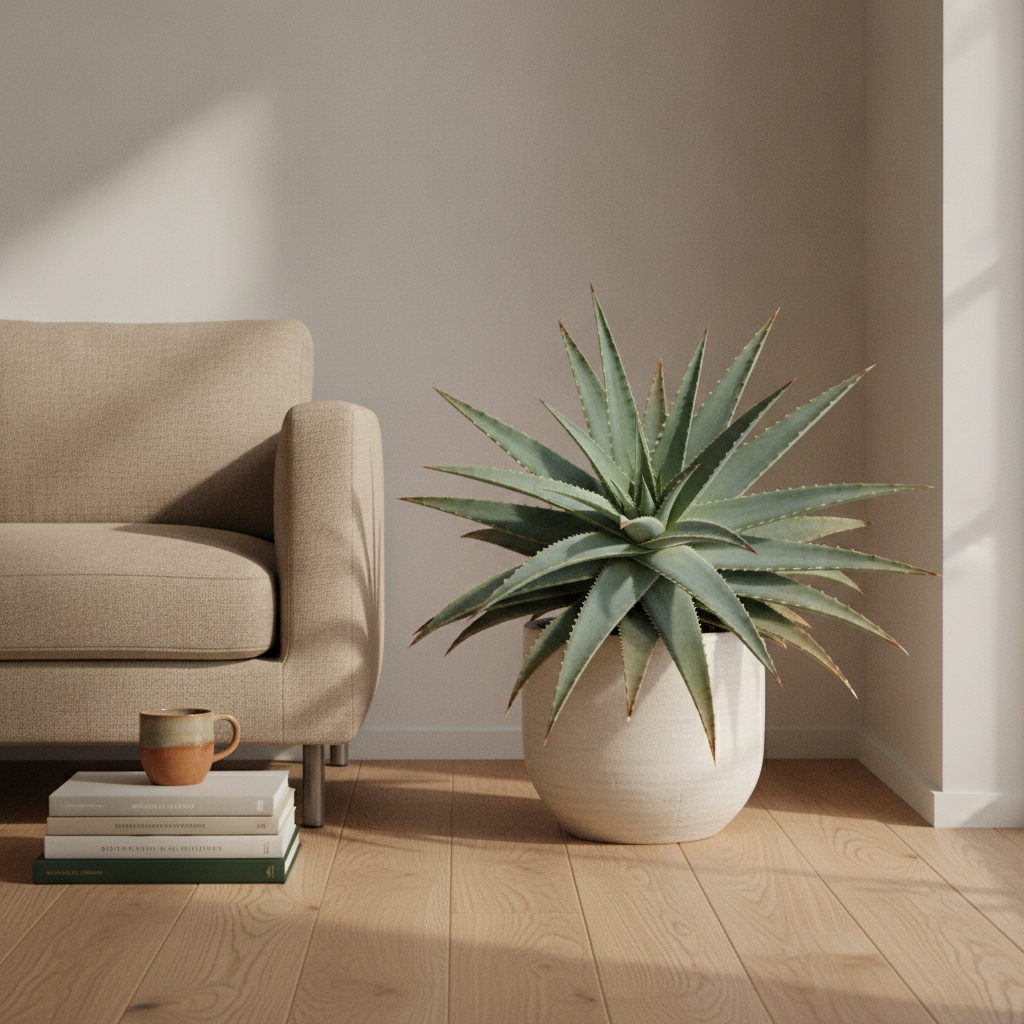
The appeal of Aloe polyphylla begins and ends with its architecture. The specific epithet polyphylla means “many leaved”, and a mature plant carries well over a hundred leaves, sometimes as many as 150, packed into a dome-shaped rosette. Those leaves are set in five spiralling ranks, and the spiral can run either clockwise or anticlockwise with roughly equal frequency, a quirk that delights botanists and mathematicians alike. No two plants are identical, yet every healthy one obeys the same underlying geometry, and that combination of order and individuality is what makes the species so collectable.
The plant comes from a single, spectacular corner of the world. It is endemic to Lesotho, growing on steep basalt slopes in the high Maluti and Drakensberg mountains between about 2,000 and 2,500 metres, where it is regularly buried under winter snow and drenched by summer mist and rain. This is not a desert succulent. It is a mountain plant adapted to cold, bright, moving air and a steady supply of water that drains away instantly through rocky ground. Every difficulty growers encounter indoors traces back to the gap between that alpine origin and the warm, still, dry conditions of a typical home.
Growing one well is therefore as much a badge of skill as an ornamental choice. The species is classed as endangered in the wild, protected by law, and listed on CITES, so every legitimately sold plant has been raised from seed in cultivation rather than dug from the mountains. When you keep a spiral aloe on your shelf you are helping to take collecting pressure off a vulnerable wild population, and you are stewarding a plant that, given the right care, will slowly compose one of the most satisfying living patterns in the plant kingdom.
Pro Tip — Buy young and grow on: Small seed-grown plants establish and adapt to your conditions far better than large specimens dug and shipped under stress. A juvenile with leaves still in rows rather than a spiral will develop its pattern in your care, which is both cheaper and more rewarding.
Light
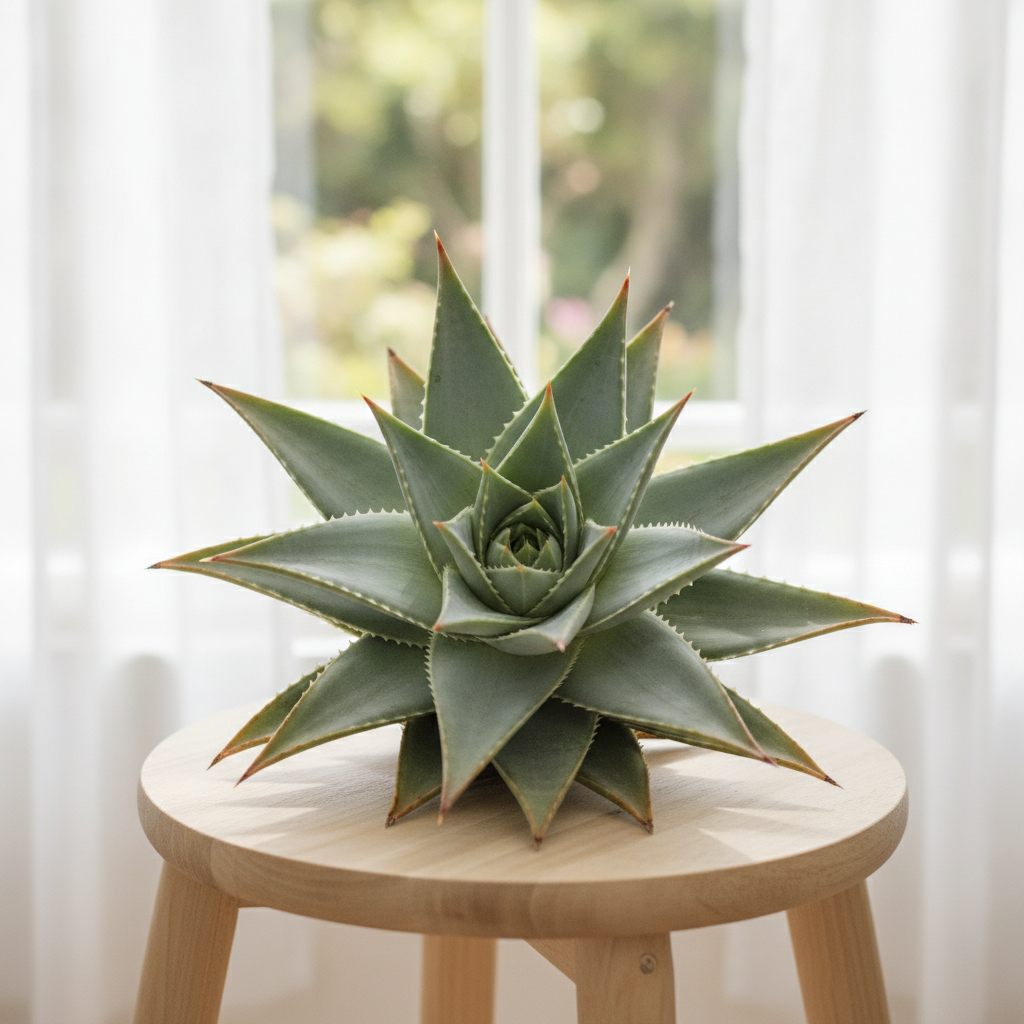
In its mountain home the spiral aloe grows in full, unfiltered sun, and light is the single biggest factor in whether the rosette stays tight and symmetrical or stretches into a loose, lopsided mess. Indoors, the plant will merely survive in medium light, holding its existing leaves but producing thin, pale new growth that leans towards the window and loses the crisp spiral geometry. To let it thrive, give it the brightest position you can offer, ideally a south or west-facing window where it receives several hours of direct sun each day.
There is a balance to strike, however, because the intense, magnified sun that comes through glass in a hot room is not the same as the cool alpine sunshine the plant evolved under. Behind glass on a sweltering summer afternoon, temperatures around the leaves can climb far higher than anything the plant meets in the mountains, and the combination of heat and glare can scorch the foliage or push the plant into a sulking summer dormancy. A sheer curtain to soften the fiercest midday and afternoon rays, or a position that catches strong morning sun and gentler light later, gives you brightness without the risk of cooking the plant.
Because the rosette grows symmetrically, it will only stay symmetrical if light reaches it evenly. Rotate the pot a quarter turn every week or two so that each rank of leaves takes its turn facing the window. A plant left in one orientation will gradually tilt its whole rosette towards the light, distorting the very pattern you are trying to encourage. If you have a sheltered spot outdoors that stays cool and bright, the plant will almost always colour up and grow more tightly outside than in, provided it is protected from prolonged rain sitting in the crown.
Warning — Acclimatise before full sun: A plant grown indoors or in a shaded nursery will sunburn if moved abruptly into direct outdoor sun. Introduce it over two to three weeks, increasing exposure gradually, or the outer leaves may bleach white and scar permanently.
Watering
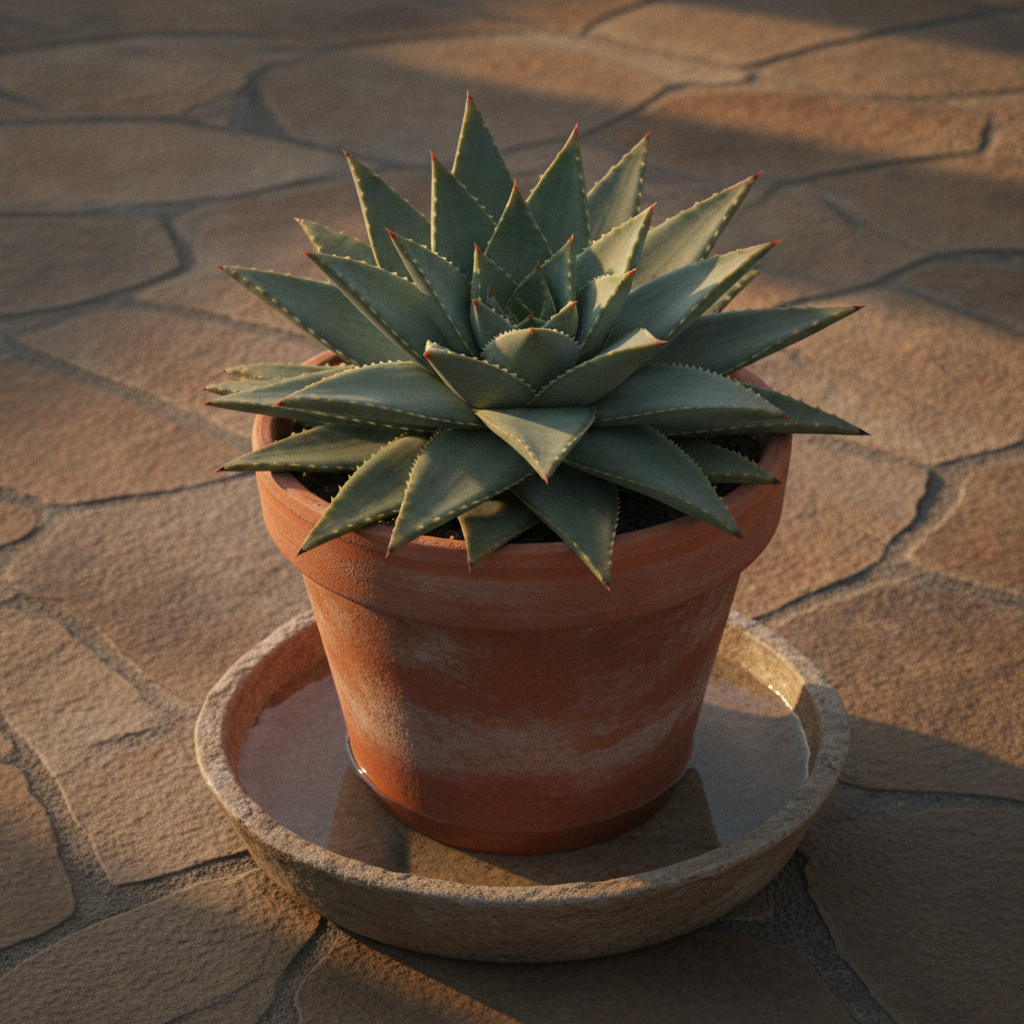
Watering is where most people go wrong with the spiral aloe, usually in one of two opposite directions. Treat it like a desert cactus and keep it bone dry, and it will slowly shrink and stall. Treat it like a tropical foliage plant and keep it constantly moist, and it will rot. The correct approach follows the rhythm of its mountain seasons, which means generous water while it is actively growing and much less when it is not, always poured onto a substrate that drains within seconds rather than minutes.
The main growing periods are spring and autumn, when temperatures are moderate. During these times, water thoroughly whenever the top two to three centimetres of the mix have dried out, letting water run freely from the drainage holes and then discarding whatever collects in the saucer. In its natural range the plant experiences frequent rain and mist through the growing season, so it appreciates more moisture than a typical succulent, but only because that water passes straight through the rocky ground. The lesson for the pot is to combine frequent watering with a soil so open that the roots are never left standing in it.
In the heat of high summer the plant often slows or pauses growth to cope with temperatures it finds uncomfortable, and its water needs drop sharply. Ease off during hot spells, checking that the mix has dried well down before watering again, because warm wet compost around a semi-dormant root system is the classic recipe for collapse. In winter, when growth is minimal and light is weak, keep the plant on the dry side, giving just enough occasional water to stop the roots desiccating completely. A plant kept cool and barely moist through winter is far safer than one kept warm and wet.
However you water, keep liquid out of the central crown where the youngest leaves cluster. Water pooling in that tight rosette, especially in cool or still conditions, invites fungal rot that can destroy the growing point before you notice anything is wrong. Watering from below by standing the pot briefly in a dish, or directing water carefully at the soil surface around the edge of the rosette, keeps the crown dry and the roots supplied.
Pro Tip — Read the leaves: Firm, plump leaves mean the plant is well hydrated. Slightly soft, thinning leaves with faint grooves mean it wants a drink. Yellowing, translucent or mushy leaves at the base mean it has had too much, so stop watering and let it dry out before anything else.
Soil and potting
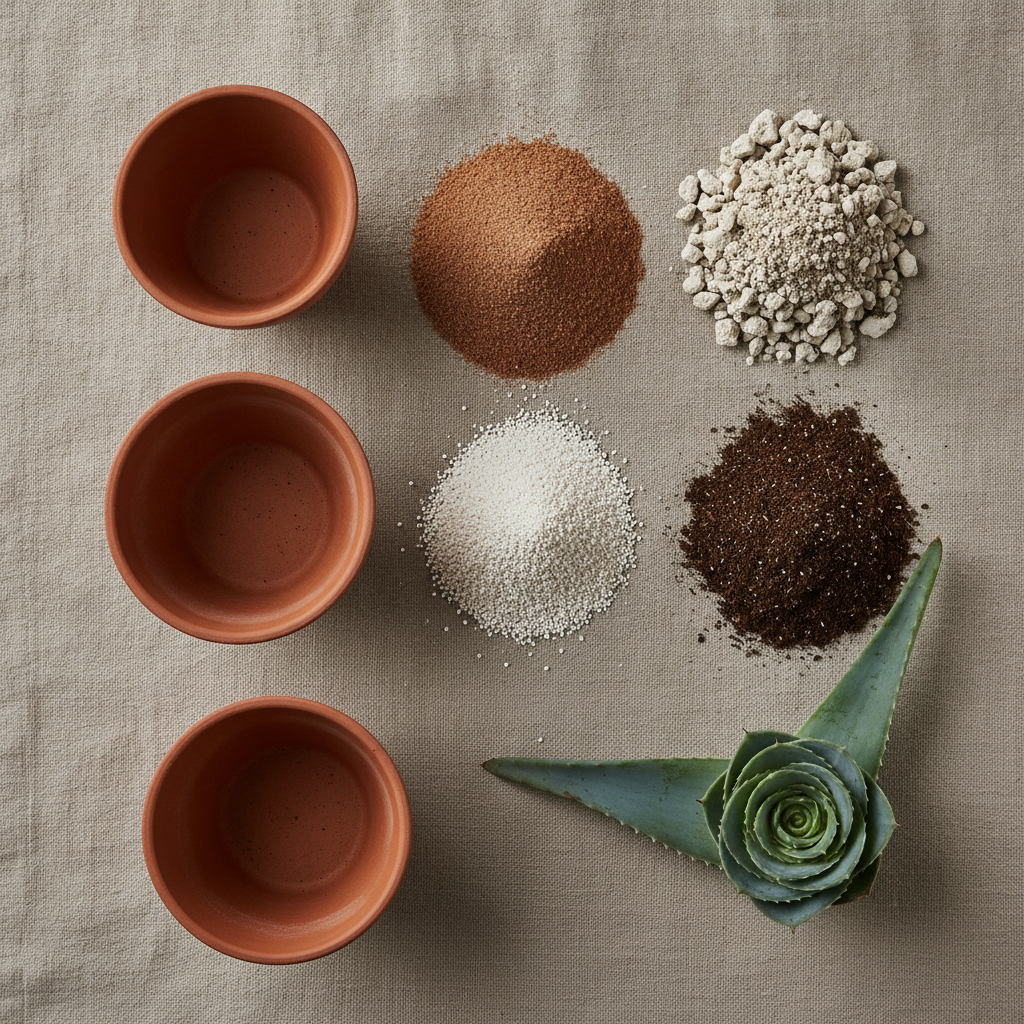
If there is one non-negotiable in spiral aloe care, it is drainage. The plant grows wedged among basalt boulders in gritty, mineral mountain soil that never holds standing water, and it expects the same in a pot. A standard peat-based houseplant compost holds far too much moisture and will suffocate and rot the roots. Aim instead for a coarse, mostly mineral mix that water races through, leaving the particles damp but the air spaces open.
A reliable blend is roughly one part of a good-quality loam-based or lightly organic base to two parts coarse mineral grit, using materials such as pumice, coarse horticultural sand, fine gravel or crushed lava rock. The exact proportions matter less than the outcome, which is a substrate that feels gritty in the hand and drains almost instantly. Adding a little extra pumice or grit is nearly always safer than adding more organic matter. The plant grows in mildly acidic conditions in the wild, so it dislikes chalky, alkaline mixes and hard tap water over the long term; rainwater or filtered water suits it better if your supply is very hard.
Choose a pot with generous drainage holes, and favour unglazed terracotta over plastic or glazed ceramic. Terracotta breathes, letting the rootball dry more evenly and buffering the plant against the overwatering that kills so many specimens. Because the spiral aloe resents root disturbance, do not rush to repot; a plant that is comfortable and slightly snug will often grow better than one constantly shifted into fresh compost. Repot only every two to three years, or when the plant has clearly outgrown its container, and do it in spring or early autumn while it is in active growth so the roots recover quickly.
When you do repot, handle the roots gently, settle the plant at the same depth it sat before, and resist the urge to bury the lower leaves. Setting the rosette too deep traps moisture against the base and encourages rot. A surface mulch of coarse grit or small stones around the plant looks attractive, keeps the base of the leaves off wet compost, and mimics the rocky ground the species calls home.
Fertilising

The spiral aloe is a slow, undemanding feeder, and the biggest mistake growers make is treating it like a hungry foliage plant. In the mineral mountain soils it comes from, nutrients are modest, and the plant is adapted to steady, unhurried growth. A little feeding supports healthy new leaves and good colour, but too much forces soft, weak, rapid growth that spoils the tight rosette and makes the plant more vulnerable to rot and pests.
During the spring and autumn growing periods, apply a balanced fertiliser diluted to about half the strength recommended on the label, or a specialist cactus and succulent feed which is formulated to be lower in nitrogen. Once a month while the plant is actively growing is ample. Always feed onto already-moist soil rather than dry compost, so the diluted solution spreads evenly and cannot scorch the roots. Do not feed at all through the hot, semi-dormant weeks of high summer or during the winter rest, when the plant is not growing and cannot use the nutrients.
Because the species prefers slightly acidic conditions, an occasional feed formulated for acid-loving plants, or simply the use of rainwater, can help counteract the gradual alkalinity that hard tap water leaves behind. If you repot regularly into fresh gritty mix, you can feed even more sparingly, since each repotting refreshes the modest nutrient supply the plant needs. When in doubt, underfeed. A slightly hungry spiral aloe grows slowly and stays beautiful, while an overfed one grows fast and falls apart.
Pro Tip — Less is genuinely more: If you only remember one thing about feeding this plant, make it this: a half-strength dose once a month in spring and autumn is the ceiling, not the starting point. Skipping feed entirely for a year rarely harms an established plant, whereas overfeeding routinely ruins the rosette.
Propagation
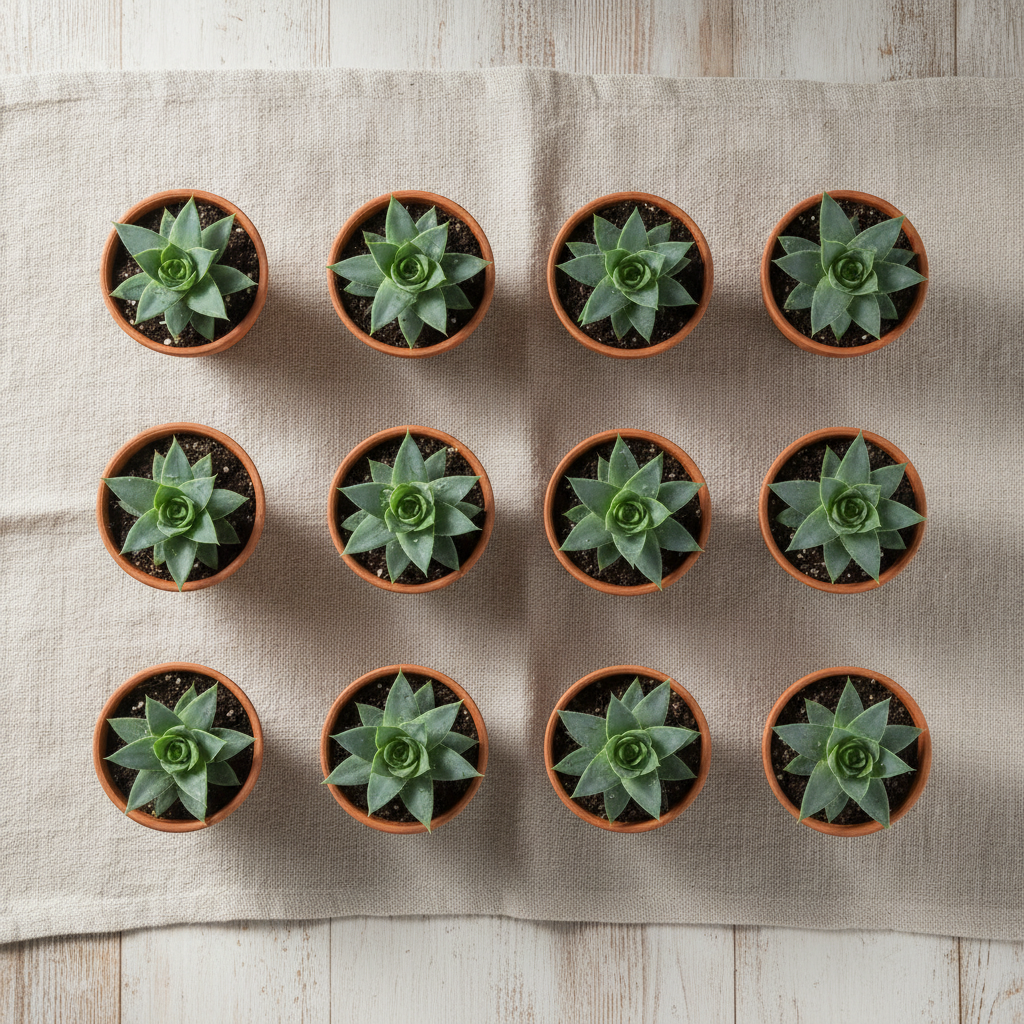
Propagating the spiral aloe is where its reputation for difficulty is most deserved, because unlike most aloes it does not readily produce offsets. A great many spiral aloes live their whole lives as solitary rosettes, and even those that do pup tend to do so sparingly, often only after damage or age prompts them to. This is precisely why the species is scarce and comparatively expensive in the trade, and why it is raised almost entirely from seed by specialist nurseries.
Seed is the standard and most reliable method, though it is a project in patience. Fresh seed germinates far better than old seed, and seedlings begin life with their leaves arranged in simple rows, only developing the characteristic spiral once they reach around 15 to 30 leaves and roughly 20 centimetres across, which can take several years. If you have an offset to work with, the process is more like careful surgery than routine division:
- Wait until an offset has developed a decent size and, ideally, some roots of its own before attempting to remove it, as small rootless pups rarely survive separation.
- Ease the parent plant from its pot so you can see where the offset joins, and use a clean, sharp, sterilised blade to cut the pup away with as many of its own roots attached as possible.
- Dust the cut surfaces on both the offset and the parent with a little sulphur or cinnamon to discourage rot, then set the offset aside in a dry, shaded place for a few days so the wound calluses over.
- Pot the callused offset into the same gritty, free-draining mix used for adults, and keep it barely moist and out of harsh sun until you see signs of new growth.
- Resist watering heavily during establishment; a newly separated offset with limited roots rots easily, so err firmly on the side of dryness until it is clearly growing.
Growing from seed asks even more restraint but is genuinely rewarding. Sow fresh seed thinly onto the surface of a gritty, sterile mix, keep it warm but not hot and lightly moist with good air movement to prevent damping off, and be prepared to wait weeks for germination and years for the spiral to appear. Whichever route you take, the guiding principle is the same as for every other aspect of this plant: excellent drainage, careful moisture, and cool, bright conditions rather than heat.
Pests and problems
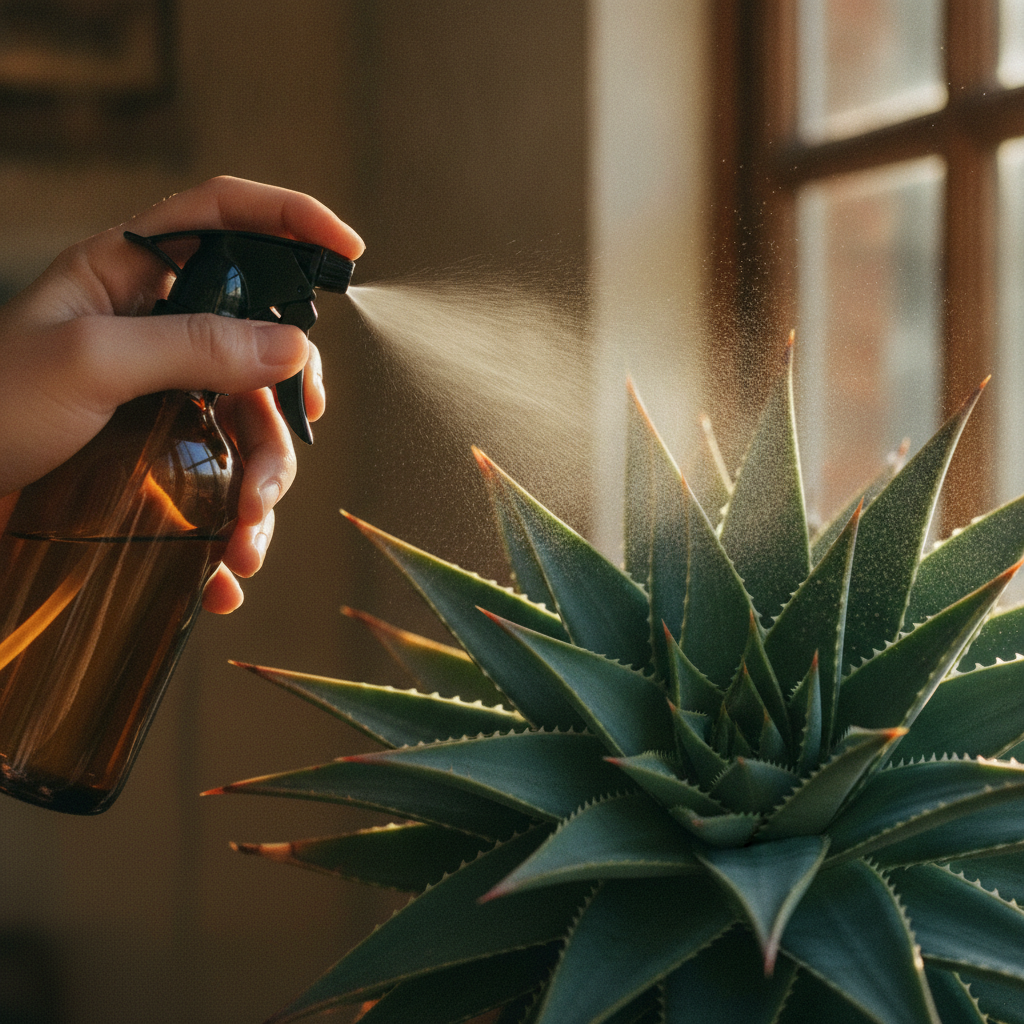
The greatest threat to a spiral aloe is not an insect but water. Root and crown rot, driven by overwatering, poor drainage or moisture trapped in the rosette, kills more of these plants than every pest combined. The warning signs are leaves that turn yellow, translucent or brown and soft at the base, or a growing point that darkens and collapses. If you catch it early, unpot the plant, cut away all rotten tissue with a sterile blade, dust the wounds, and repot into dry, fresh gritty mix, keeping it dry until it recovers. Prevention, through open soil and disciplined watering, is far more effective than any cure.
Among actual pests, the most common are the sap-sucking insects that trouble most succulents. Mealybugs, appearing as white cottony tufts in the leaf axils and the tight centre of the rosette, are the usual culprits and can be hard to spot deep in the spiral. Scale insects show up as small brown limpet-like bumps on the leaves, and aphids may cluster on any flower stalk the plant produces. All three weaken the plant by drawing sap and can be dealt with by dabbing individuals with a cotton bud dipped in diluted isopropyl alcohol, or by treating the whole plant with a neem oil solution or an insecticidal soap, repeating every week or two until the infestation clears.
Fungus gnats, whose larvae live in damp compost, are less a direct danger than a signal that the soil is staying too wet for too long. If you see them, it is a prompt to let the mix dry further between waterings and to check that your drainage is genuinely sharp. Leaf scorch, showing as bleached or brown patches on the sunward side, comes from moving the plant abruptly into fierce sun, while a loose, stretched, pale rosette points to insufficient light. Both are cultural rather than biological problems, and both are fixed by adjusting the plant’s position rather than reaching for a spray.
Warning — Inspect the crown regularly: Because pests and early rot both hide in the dense centre of the rosette, make a habit of looking into the crown every time you water. Problems caught in the growing point while small are manageable; the same problems left unseen there are usually fatal.
Varieties and forms
Aloe polyphylla is grown as the true species rather than as a series of named cultivars, and part of its magic is that the variation happens naturally within the species rather than through breeding. The most celebrated difference between plants is the direction of the spiral: some rosettes wind clockwise and others anticlockwise, in roughly equal numbers, and both are equally prized. Collectors sometimes seek out one direction or the other simply for the pleasure of owning both, and a matched clockwise and anticlockwise pair displayed side by side is a striking way to show off the species.
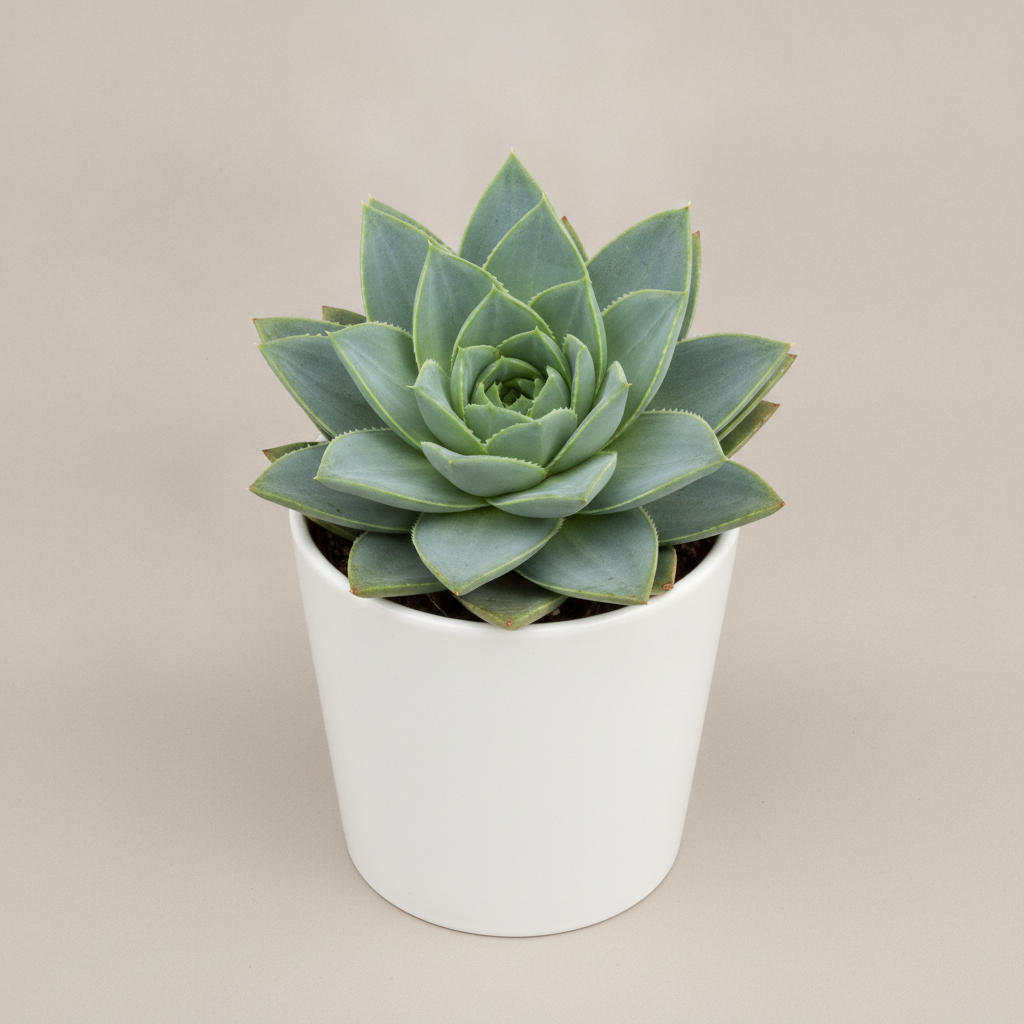
Clockwise spiral form. In a clockwise plant the five overlapping ranks of blue-green leaves wind to the right when viewed from directly above. There is no difference in care between the two directions, and the direction cannot be chosen or changed; it is set as the seedling matures and develops its pattern.
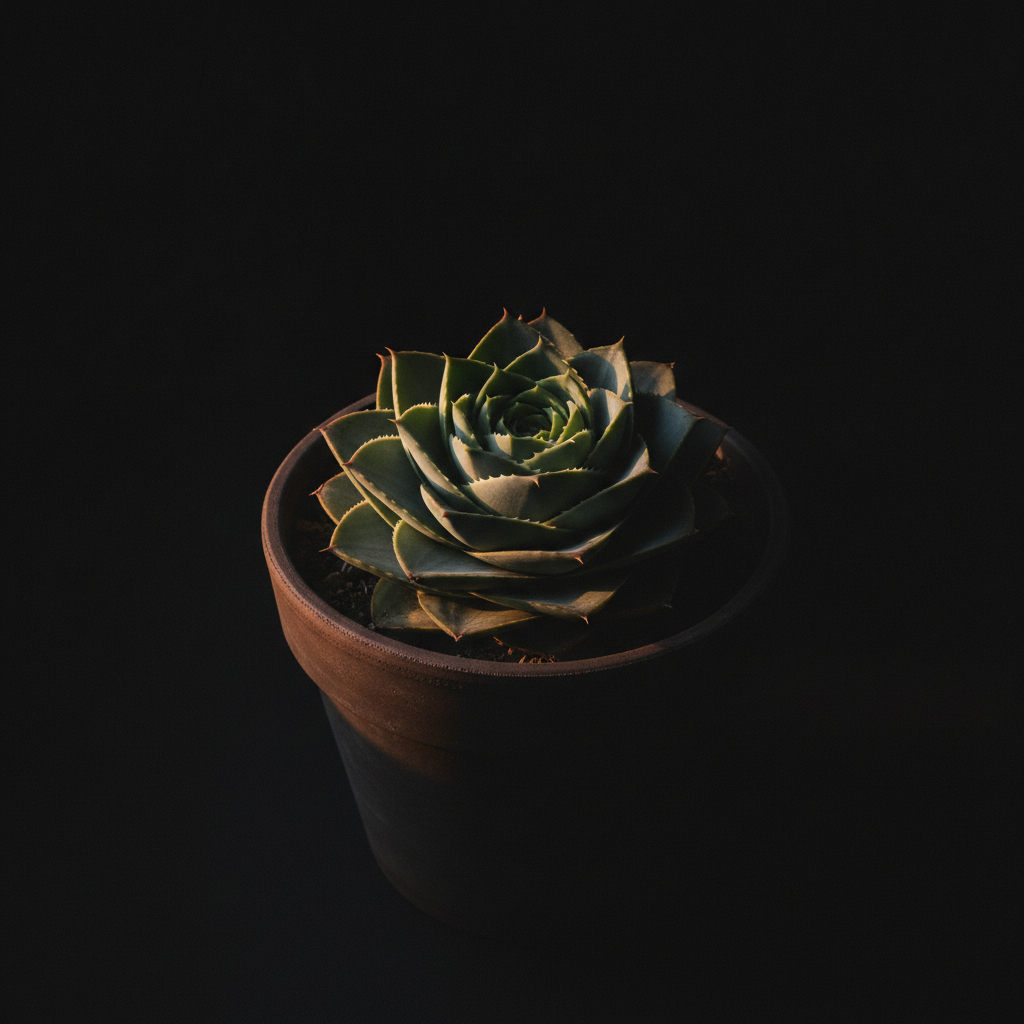
Anticlockwise spiral form. The anticlockwise plant is a perfect mirror image, its ranks coiling to the left. It is just as common in wild populations as the clockwise form, and the two are indistinguishable as young seedlings before the spiral resolves in one direction or the other.
Beyond spiral direction, plants vary in leaf colour from grey-green to a bluer, glaucous tone depending on light and conditions, and in the intensity of the reddish-brown terminal spine and pale marginal teeth. Very occasionally a mature, happy plant will flower, sending up a branched inflorescence of tubular salmon to reddish blooms in late spring or summer, though flowering is uncommon in cultivation and no reason to feel you are doing anything wrong if it never happens. For almost everyone, the foliage rosette is the whole point, and it does not need flowers to be one of the most beautiful plants you can grow.
Frequently asked questions
Why does my spiral aloe not have a spiral yet?
The spiral is a feature of maturity. Young plants carry their leaves in simple rows, and the pattern only resolves into the famous spiral once the plant reaches roughly 15 to 30 leaves and about 20 centimetres across. This can take several years of steady growth, so a juvenile without a spiral is entirely normal. Bright, even light and cool, unhurried growing conditions give it the best chance of forming a well-defined spiral in time.
Is the spiral aloe cold-hardy?
Remarkably so for an aloe. In the wild it is regularly covered by winter snow and tolerates frost down to around minus 12 degrees C (10 degrees F), provided its roots and crown are dry. Wet cold, not cold itself, is what kills it. In a container it is far safer to keep it cool and dry rather than warm and wet in winter, but if you grow it outdoors, sharp drainage and protection from prolonged winter wet matter more than absolute temperature.
Why is my spiral aloe rotting?
Almost always because of too much water, poor drainage, or moisture sitting in the central crown. The plant comes from ground that never holds standing water, so a heavy, moisture-retentive compost or a habit of frequent watering in cool weather quickly leads to root and crown rot. Switch to a gritty, fast-draining mix, water only when the top few centimetres are dry, keep the crown dry, and never leave the pot standing in a saucer of water.
Is the spiral aloe toxic to pets?
Like most aloes, Aloe polyphylla is considered mildly toxic to cats, dogs and people if the leaves are eaten, thanks to the compounds in the sap, and it can cause vomiting, diarrhoea and lethargy. It is not among the most dangerous houseplants, but it is sensible to keep it out of reach of pets and small children who might chew the leaves. Fortunately its firm, spine-tipped foliage is not especially tempting to most animals.
Can I grow a spiral aloe from a leaf cutting?
No. Unlike some succulents, aloes will not grow from a single detached leaf, which simply rots rather than rooting. The species is propagated from seed, or occasionally from the rare offsets a mature plant may produce. If you want more spiral aloes, sourcing fresh seed from a reputable supplier is the realistic route, and it is worth remembering that all legitimate plants are nursery-raised because wild collection is illegal.
Why are the lower leaves of my spiral aloe drying up?
A few of the oldest, outermost leaves drying and browning over time is normal, as the plant sheds its lowest leaves while it grows new ones from the centre. You can gently remove these once they are fully dry. If many leaves are shrivelling at once, or newer leaves are affected, the more likely causes are underwatering, extreme heat pushing the plant into stress dormancy, or root damage, so check the roots and your watering rhythm rather than assuming it is simply ageing.






