
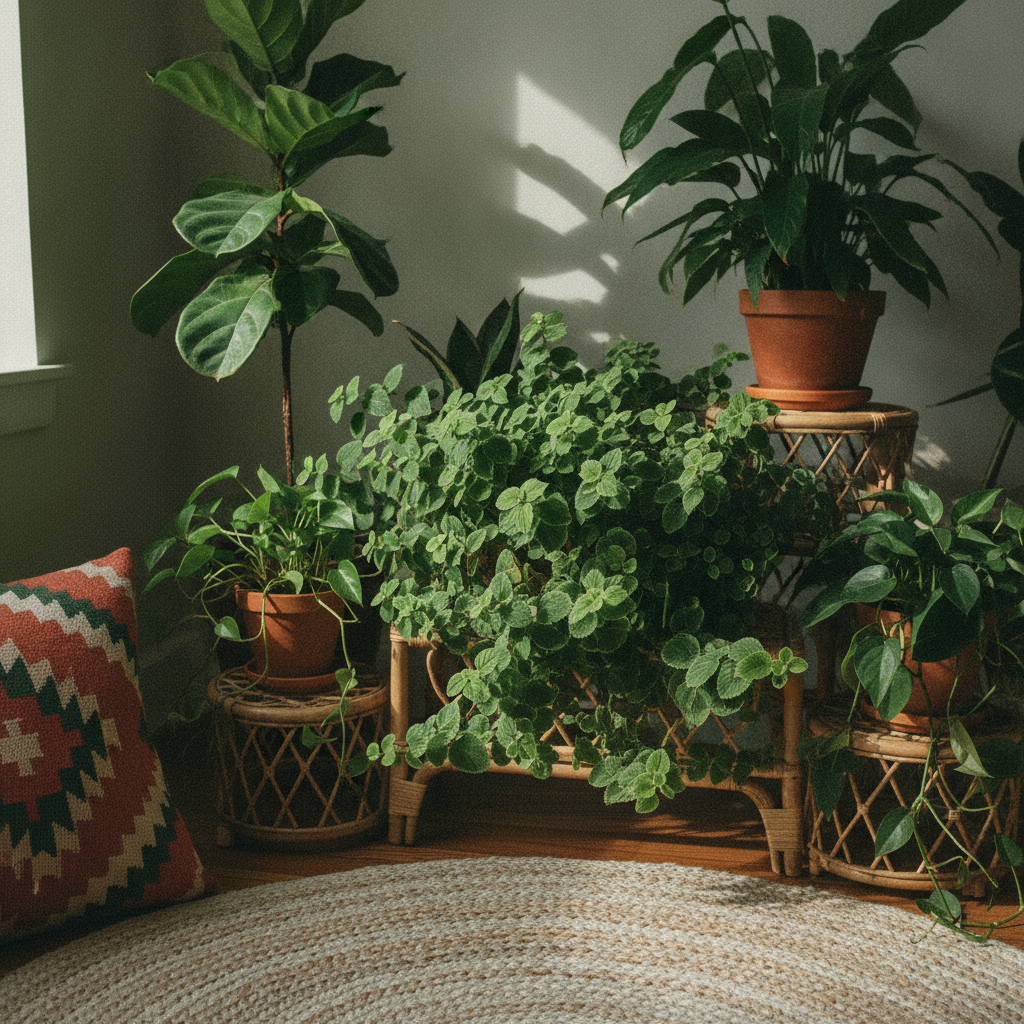
Brush a hand across an incense plant and the room answers back. The soft, faintly fuzzy leaves of Plectranthus coleoides release a cool, camphor-and-menthol scent that has earned it common names ranging from incense plant to mosquito plant, and it is this aromatic quality, rather than any single dramatic leaf, that makes it a favourite on windowsills and in hanging baskets. It belongs to the mint family, and like most of its relatives it grows with cheerful, almost weed-like speed, spilling over the edge of a pot in soft green cascades within a single season.
The good news for anyone nervous about houseplants is that this is one of the most forgiving foliage plants you can bring home. It tells you clearly when it is thirsty, it roots from a cutting almost by accident, and it recovers quickly from the small mistakes that would set back a fussier plant. This guide covers everything from the light and water it needs to survive to the conditions that let it genuinely thrive, along with propagation, pests and the handful of cultivars worth seeking out.
- Quick Reference
- Why Grow the Incense Plant
- Light
- Watering
- Soil and Potting
- Fertilising
- Propagation
- Pests and Problems
- Varieties
- Frequently Asked Questions
Quick Reference
The table below sums up what the incense plant needs at a glance. Treat it as a starting point rather than a rulebook, because your home’s particular light and warmth will always shift the details a little.
| Botanical name | Plectranthus coleoides |
| Common names | Incense plant, mosquito plant, Swedish ivy relative |
| Family | Lamiaceae (mint family) |
| Light | Bright indirect light; tolerates some gentle direct sun |
| Water | When the top 2 to 3 cm (1 in) of soil is dry |
| Soil | Light, free-draining potting mix |
| Temperature | 18 to 24 degrees C (64 to 75 degrees F) |
| Humidity | Average room humidity is fine |
| Feeding | Monthly balanced feed in spring and summer |
| Growth habit | Fast, mounding and trailing |
| Toxicity | Generally low toxicity; sap may irritate sensitive skin |
Why Grow the Incense Plant as a Houseplant
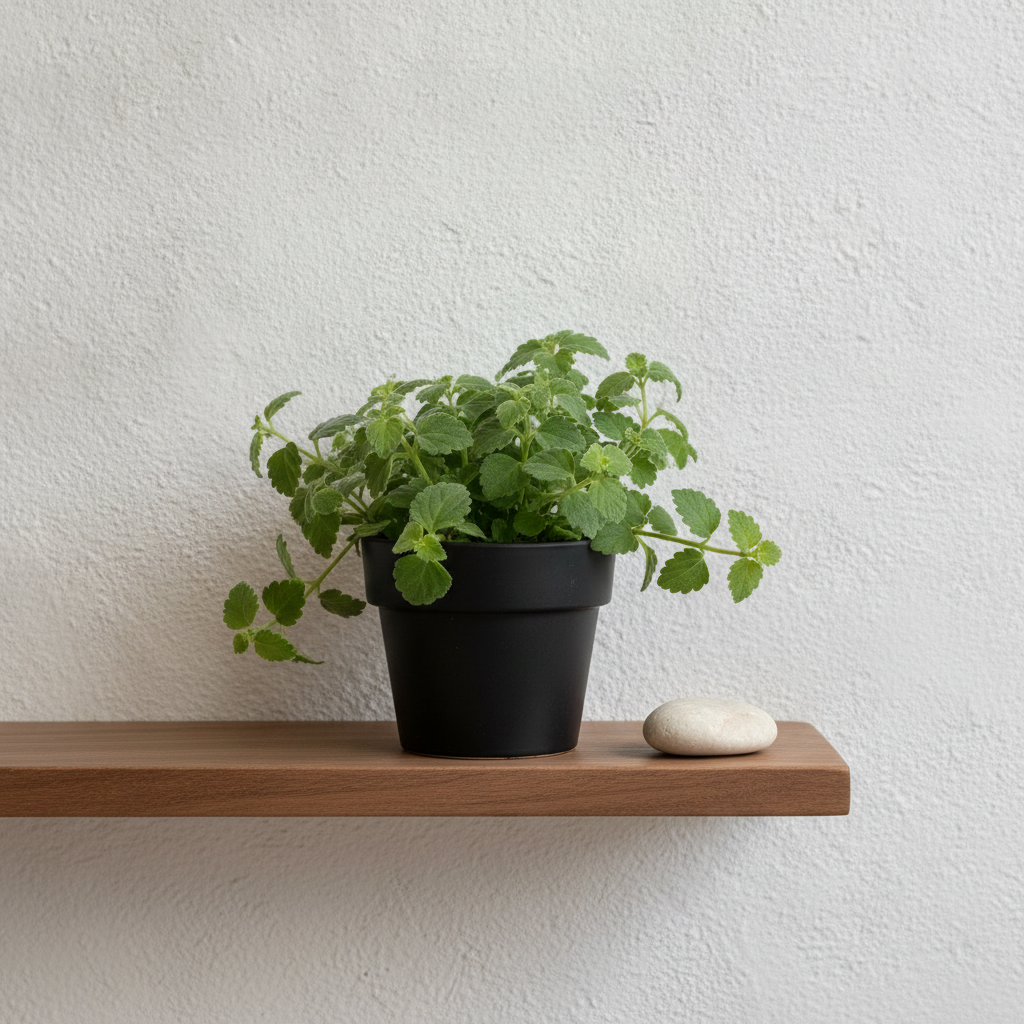
Most people meet the incense plant through their nose rather than their eyes. The foliage carries volatile oils in the same broad chemical family that gives sage and rosemary their punch, and the result is a clean, medicinal, slightly minty fragrance that lingers on the fingers. Folklore holds that the scent deters mosquitoes, which is where the mosquito plant name comes from, though the effect on any real insect is modest at best. What is not in doubt is that the plant is pleasant to sit near, and that brushing past it on the way through a room is one of the small daily rewards of growing it.
Beyond the fragrance, the incense plant earns its place through sheer good nature. Native to southern Africa, it evolved in a climate of warm days, bright light and irregular rainfall, and it carries that adaptability indoors. It grows quickly enough to fill a hanging basket in a matter of months, it takes hard pruning without sulking, and every piece you trim off can become a new plant. For a beginner who wants visible progress and a plant that bounces back, few foliage species deliver more for less effort.
The leaves themselves are quietly attractive. They are broadly oval with softly scalloped edges, a matte and slightly velvety surface, and in the most popular cultivar a broad cream-white margin that lifts the whole plant. Mature specimens throw up short spikes of small, pale lilac to white flowers, a modest but welcome bonus on a plant grown chiefly for its foliage. The overall impression is soft rather than architectural, a plant that reads as gentle and lived-in rather than sculptural.
Pro Tip — Pinch for a fuller plant: Because the incense plant grows so fast, it can turn leggy if left alone. Pinch out the growing tips every few weeks during spring and summer and each cut point will branch into two, giving you a denser, bushier plant. The trimmings root in water, so nothing goes to waste.
Light
Light is the single lever that most changes how an incense plant looks. To simply survive, it will accept a moderately lit spot several steps back from a window, holding onto its leaves and ticking along slowly. To truly thrive, and in particular to keep the crisp cream variegation of the named cultivars, it wants bright, indirect light for most of the day. An east or west-facing windowsill is close to ideal, giving it a few hours of gentle direct sun at the softer ends of the day without the searing midday glare that can scorch the leaves.
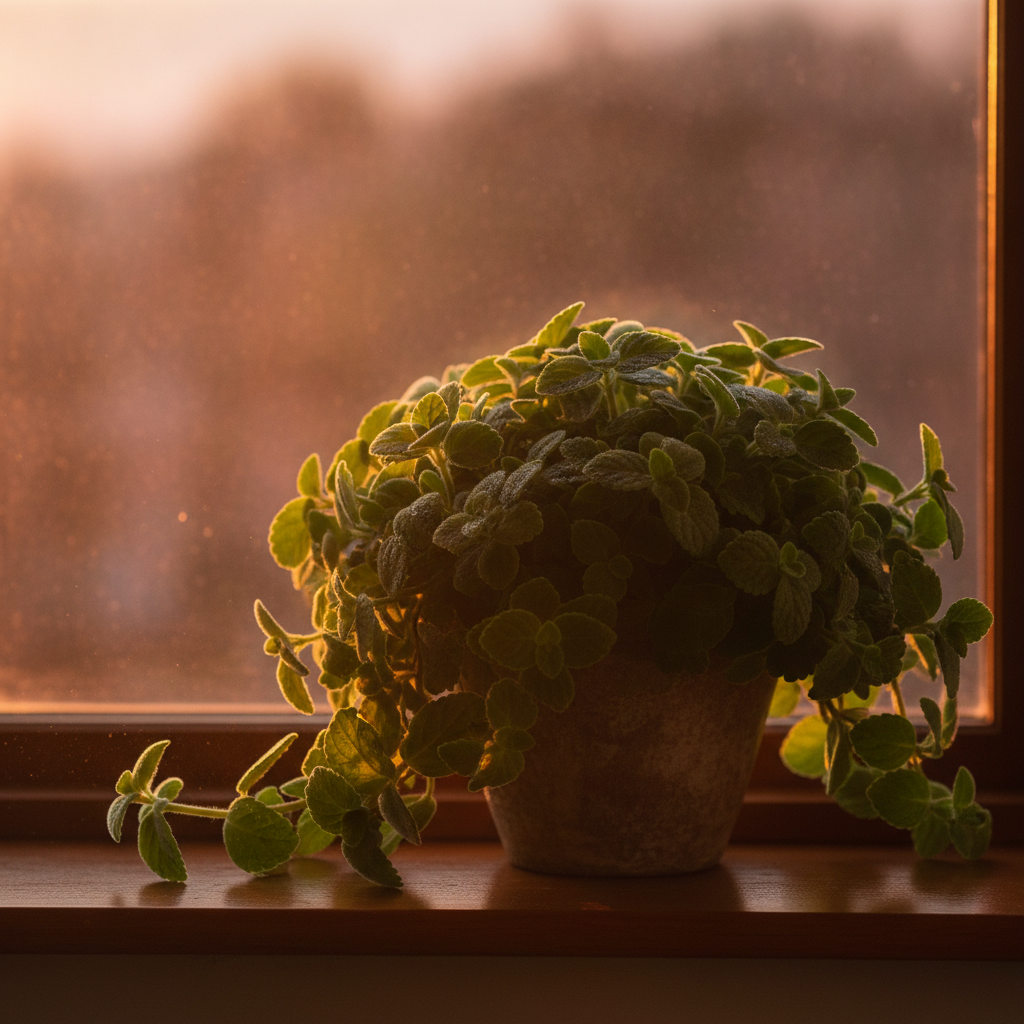
The plant is honest about getting this wrong. In too little light it stretches, pushing out long, thin stems with wide gaps between the leaves as it reaches for the window, and variegated forms fade towards plain green as they abandon the low-chlorophyll white tissue that is a luxury they cannot afford in the shade. In too much direct sun the leaves bleach, develop dry pale patches, or take on a bronzed, crisped look at the edges. Somewhere between those two extremes is a generous sweet spot, and the incense plant will settle into it happily.
If your home is genuinely dim, this is a plant that responds well to a full-spectrum LED grow light, and a modest one running for ten to twelve hours a day will keep growth compact and colour strong through the darkest months. Turn the pot a quarter every week or two whatever your light source, because the incense plant leans hard towards the brightest direction and will grow lopsided if you let it.
Watering
Watering is where the incense plant is at its most communicative. The soft leaves hold a surprising amount of water, and when the plant runs dry they wilt visibly, drooping over the rim of the pot in a way that looks alarming but reverses within an hour or two of a good drink. This makes it a wonderful teaching plant, because it shows you its thirst rather than hiding it. That said, you should aim to water before it reaches the dramatic wilting stage, since repeated severe drought will cost you lower leaves over time.
The reliable method is to check the top of the soil with a finger and water thoroughly once the top 2 to 3 cm (about an inch) has dried out. Add water until it runs freely from the drainage holes, then empty the saucer so the roots never sit in standing water. In the bright warmth of spring and summer an actively growing plant may need this every three to five days; in the low light and cool of winter, when growth all but stops, it may be closer to every ten to fourteen. Let the plant and the soil, not the calendar, set the pace.
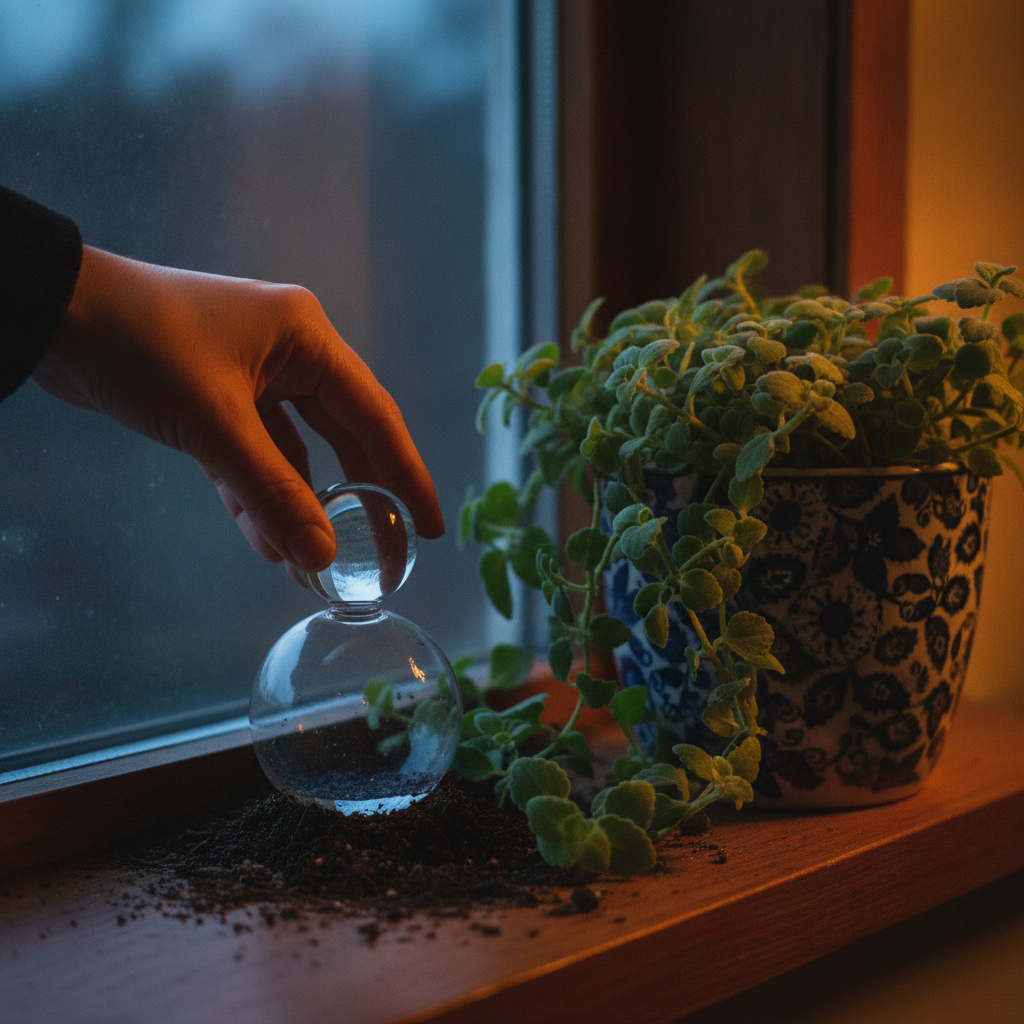
The greater danger, as with most houseplants, is overwatering rather than underwatering. Kept constantly wet, the fleshy stems and roots of the incense plant rot quickly, turning translucent, brown and mushy at the base. Because it wilts when both bone dry and waterlogged, a drooping plant in soggy soil is asking for the opposite of what your instinct says. When in doubt, feel the soil before you reach for the watering can, and always err towards letting it dry a touch rather than keeping it damp.
Warning — Read the wilt correctly: A wilting incense plant in dry soil needs water. A wilting incense plant in wet soil is drowning and needs to dry out, not to be watered again. Always check the soil moisture before responding to a droop, because the two problems look almost identical but call for opposite treatment.
Soil and Potting
The incense plant is not fussy about its growing medium, but it does insist on drainage. Its roots want moisture followed by air, and a heavy, water-retentive soil that stays soggy for days is the fastest route to trouble. A standard peat-free houseplant compost lightened with a couple of handfuls of perlite or fine bark gives exactly the open, free-draining structure it likes, holding enough moisture to keep the plant hydrated while letting the excess run away quickly.
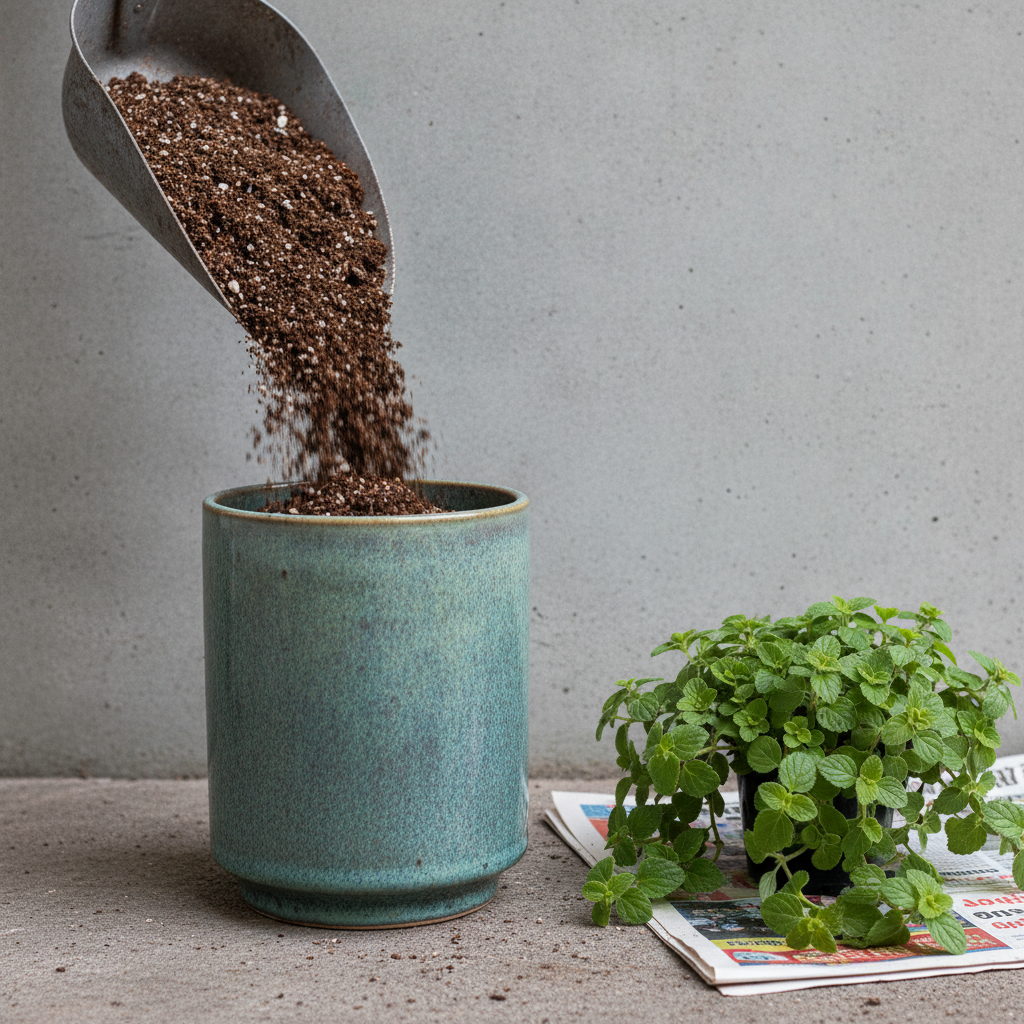
Always grow it in a pot with drainage holes. A decorative cover pot is fine as long as you lift the plant out to water it or tip away anything that collects in the bottom. Because the incense plant grows so vigorously, it fills a pot with roots faster than most houseplants, and you can expect to move it up a size roughly once a year. The signs that it is ready are roots creeping out of the drainage holes, water racing straight through without wetting the soil, and growth that has slowed despite good light and feeding.
When you do repot, go up only one pot size, around 2 to 4 cm (1 to 2 in) wider in diameter. An oversized pot holds a large volume of soil that stays wet long after the roots have taken their fill, and that reservoir of cold, damp compost is exactly the condition rot thrives in. Spring, as growth accelerates, is the best time to repot, giving the plant a full season to establish in its new home before the slow days of winter.
Fertilising
A fast grower is a hungry grower, and the incense plant repays regular feeding with lush, dense foliage. During the active season of spring and summer, a balanced liquid houseplant fertiliser diluted to half the label strength and applied roughly once a month keeps the plant supplied without risk of overdoing it. If your plant is growing especially strongly you can move to a weak feed every second watering, which mirrors the steady trickle of nutrients it would draw from soil in the wild.
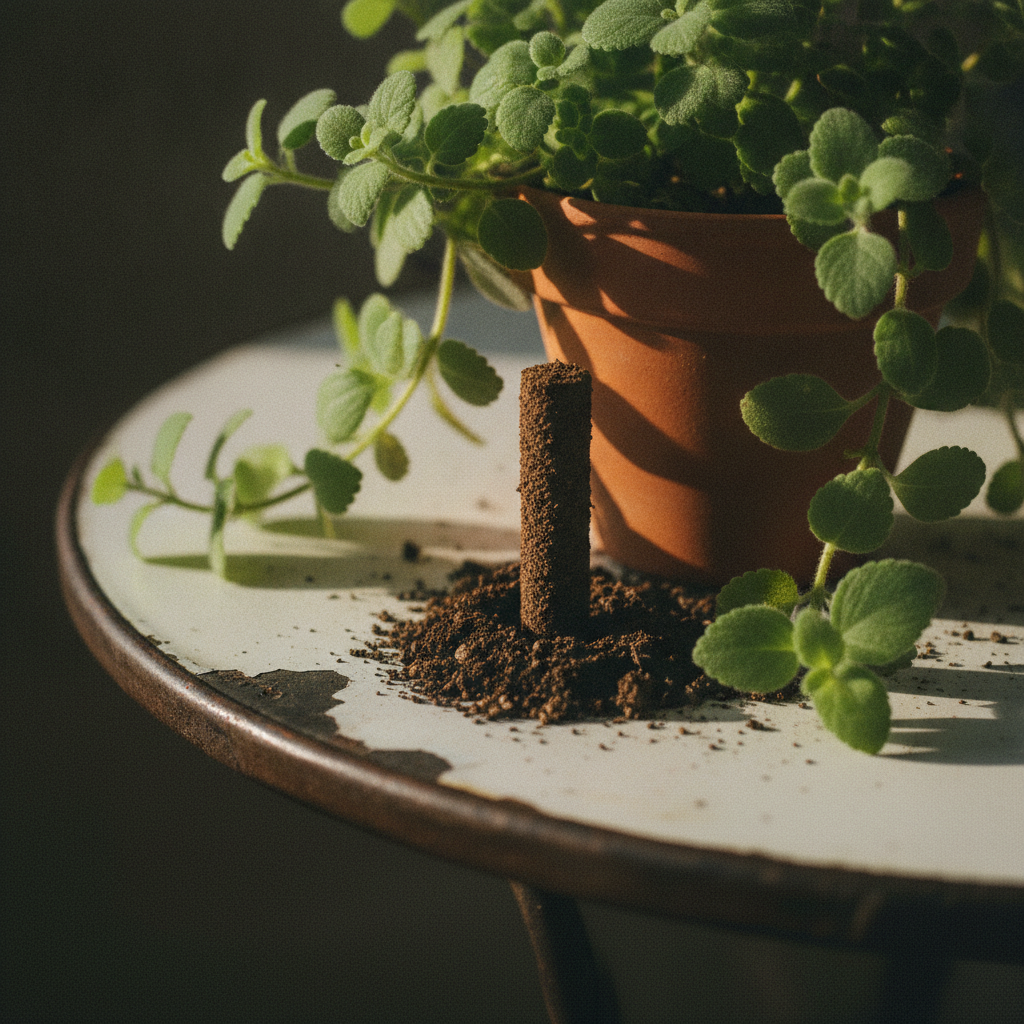
Ease off in autumn and stop feeding entirely through winter. When light levels fall the plant slows its growth to a crawl, and any fertiliser it cannot use simply accumulates in the soil as mineral salts. Over time these build up to levels that scorch the roots, showing as brown, crisp leaf tips and a whitish crust on the soil surface or pot rim. If you see that crust, flush the pot thoroughly with plain water two or three times to wash the excess away, and hold off feeding until strong growth resumes.
Whatever product you choose, more is never better with this plant. A light, consistent feed produces steady, healthy growth, while a heavy hand produces soft, weak stems that flop and are more prone to pests. Underfeeding is far easier to correct than the root damage that comes from overfeeding, so when unsure, use less.
Propagation
If the incense plant has a party trick, it is how eagerly it propagates. Like most members of the mint family, it roots from stem cuttings with almost no encouragement, and a single plant can become a dozen within a season. This is the plant to reach for when you want to share cuttings with friends, fill a hanging basket cheaply, or simply keep a young, vigorous specimen coming along to replace an older one that has grown leggy.
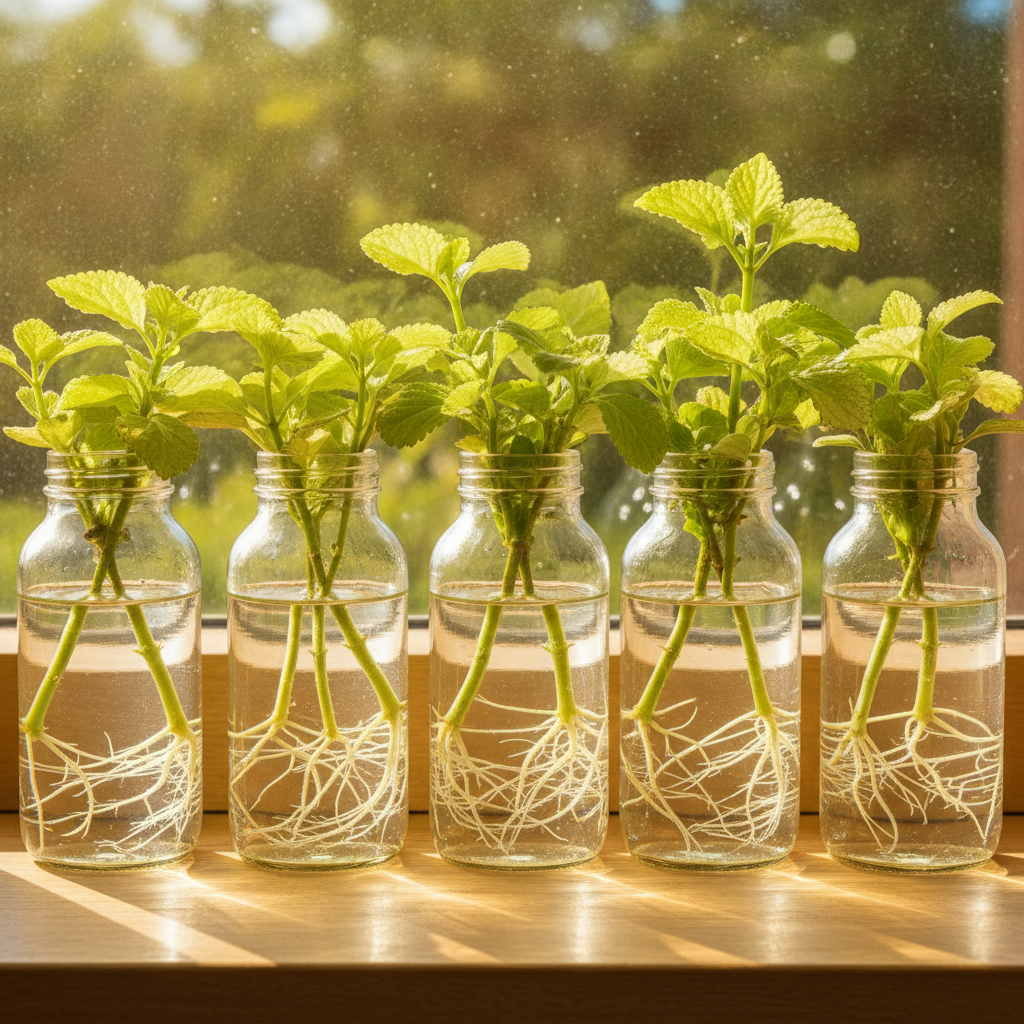
The simplest method is water propagation, which also lets you watch the roots develop. Follow these steps for reliable results:
- Choose a healthy, non-flowering stem and cut a 10 to 15 cm (4 to 6 in) length just below a leaf node, the small bump where a leaf joins the stem.
- Strip the leaves from the lower third of the cutting so no foliage will sit underwater and rot.
- Stand the cutting in a small glass of clean water with at least one bare node submerged, and place it on a bright windowsill out of harsh direct sun.
- Refresh the water every few days to keep it clear and oxygenated.
- Once the white roots are 3 to 5 cm (1 to 2 in) long, usually within one to three weeks, pot the cutting into a small pot of free-draining compost and keep it lightly moist while it settles in.
You can skip the water stage entirely and push several prepared cuttings straight into a pot of moist compost, which often gives a fuller plant more quickly since you are rooting a cluster at once. Keep the soil lightly damp and warm, and within a few weeks a gentle tug will meet the resistance that tells you roots have formed. Spring and early summer, when the plant is growing strongly and light is plentiful, is by far the best time to take cuttings, though in a warm, bright home the incense plant will oblige almost year round.
Pests and Problems
A well-grown incense plant is fairly resistant to pests, and its aromatic foliage seems to put off a few of them, but no houseplant is immune. The usual suspects are mealybugs, which appear as small white cottony tufts tucked into the leaf joints, aphids clustering on soft new growth, whitefly that rise in a little cloud when the plant is disturbed, and spider mites in hot, dry conditions, betrayed by fine webbing and a stippled, dusty look to the leaves.

The best defence is a habit of looking. Turn a few leaves over whenever you water and you will catch an infestation while it is still a handful of insects rather than a colony. For small outbreaks, wiping the leaves and stems with a cloth dipped in diluted washing-up water, or dabbing individual mealybugs with a cotton bud soaked in surgical spirit, is usually enough. For anything more established, a spray of insecticidal soap or diluted neem oil across all surfaces, repeated every week or so until the pest is gone, brings things back under control.
Most non-pest troubles trace back to watering and light. Yellowing lower leaves that feel soft, paired with soggy soil, point to overwatering and possible root rot, and the cure is to let the plant dry out and, if the base is mushy, to take healthy cuttings and start again. Brown, crisp leaf edges suggest underwatering, salt build-up from overfeeding, or dry scorching sun. Long, sparse, stretched stems mean the plant wants more light. Read these signals together with the soil moisture and the position of the plant, and the incense plant will tell you almost everything you need to know to put it right.
Pro Tip — Refresh a tired plant: Rather than nursing an old, bare and straggly incense plant back to fullness, take a handful of healthy tip cuttings and root them together in a fresh pot. Within a couple of months you will have a young, dense plant that looks far better than the parent, which is the natural way to keep this fast-lived species at its best.
Varieties
The incense plant is grown in two main guises. The variegated cultivar is by far the more common in shops and is what most people picture, while the plain green species form is quieter and, if anything, even more vigorous. Both are cared for identically, so the choice comes down to whether you want the brightness of the cream margins or the calm of solid green.
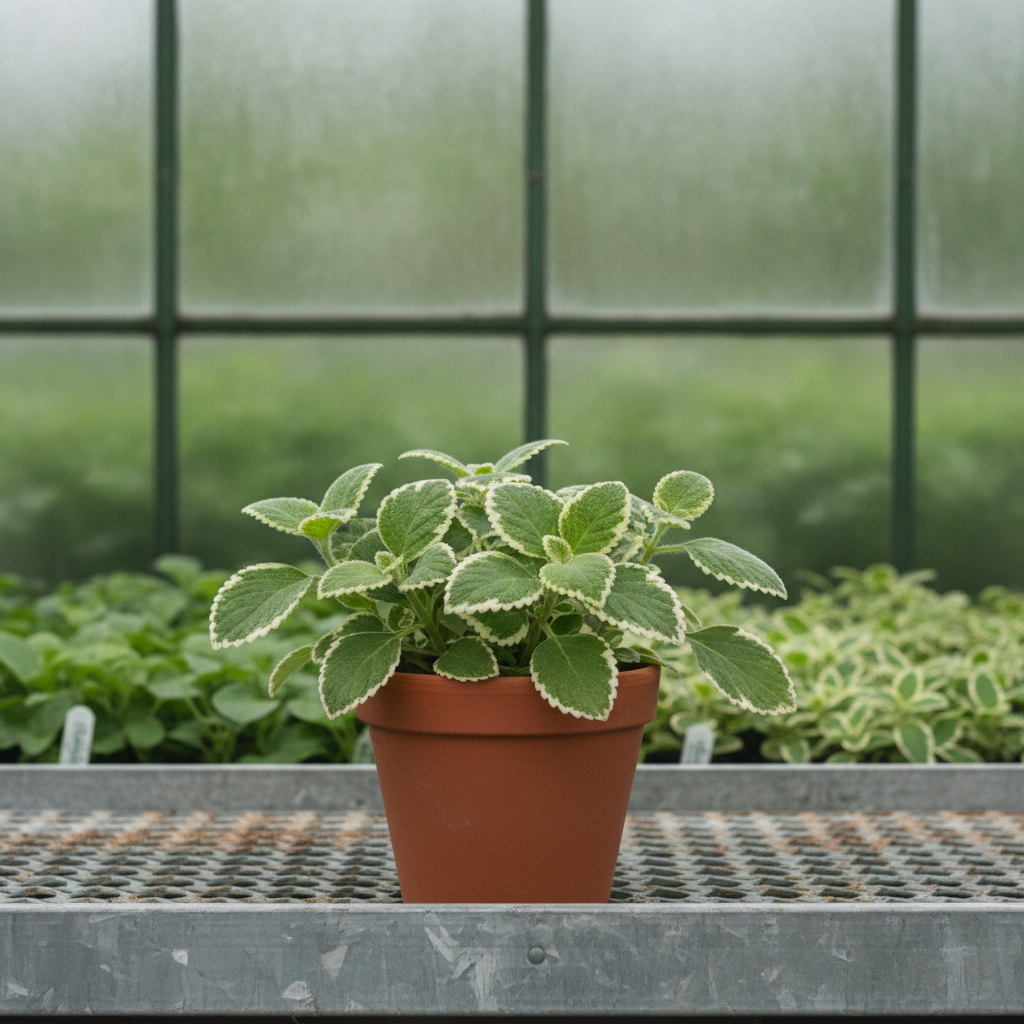
‘Marginatus’
The signature form and the one usually sold simply as the incense plant. Its soft green scalloped leaves carry a broad, irregular creamy-white margin that gives the whole plant a bright, dappled look. The variegation needs good light to stay crisp, so give it a spot near a window and it will reward you with strong colour and the same easy, trailing growth.
Green Species Form
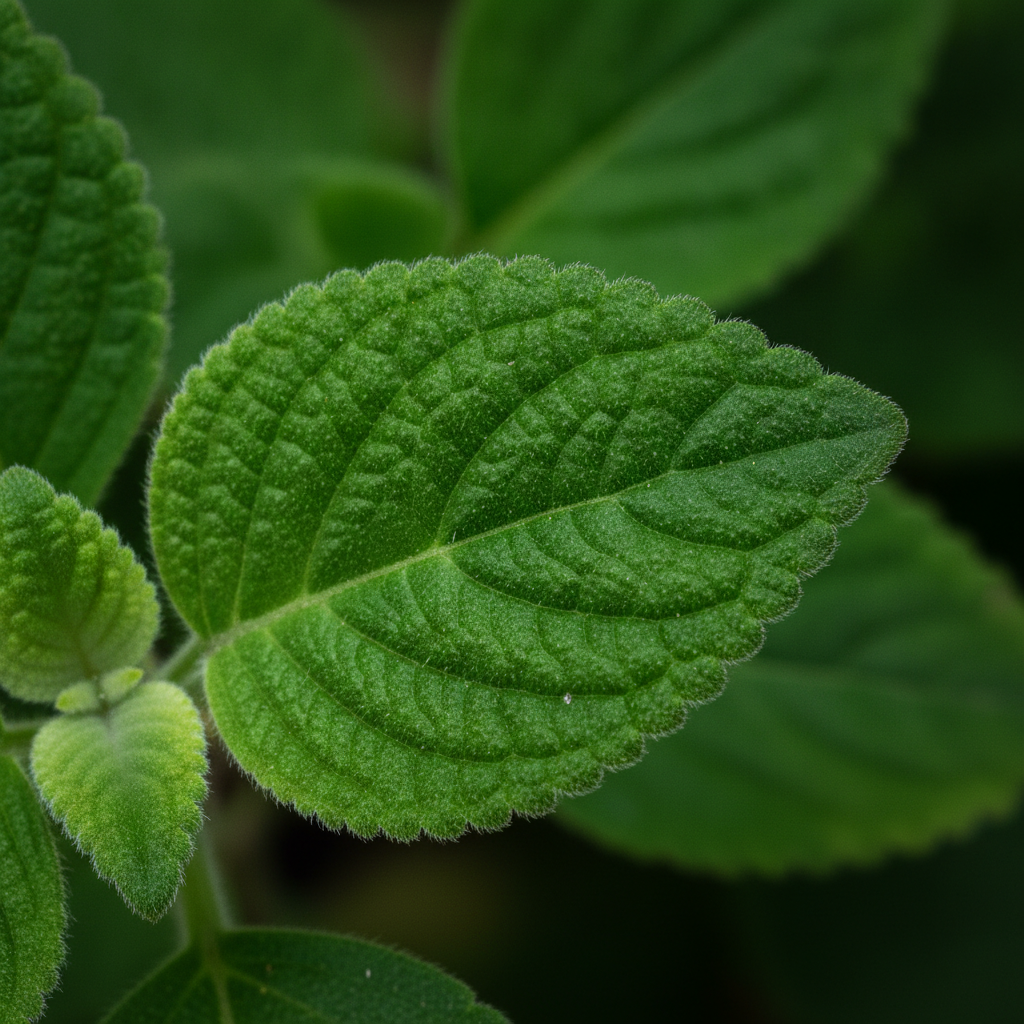
The unvariegated form has uniformly soft mid-green, velvety leaves with the same gently scalloped edges. Without the low-chlorophyll white tissue to maintain, it tends to grow even faster and copes a little better with lower light, making it a robust choice for a shadier corner or for anyone who prefers a simpler, all-green look.
Frequently Asked Questions
Does the incense plant really repel mosquitoes?
The aromatic oils in the leaves give it a strong, camphor-like scent, and this is the basis for the mosquito plant nickname. In practice the effect on mosquitoes is slight and only really noticeable if you actively crush the leaves to release the oils. Grow it for the pleasant fragrance and the easy foliage rather than as pest control, and you will not be disappointed.
Why is my incense plant wilting even though the soil is wet?
Wilting in wet soil is a classic sign of overwatering and the early stages of root rot, not thirst. The damaged roots can no longer draw up water, so the plant wilts as if dry. Let the soil dry out well before watering again, and if the stem base feels soft and mushy, take a few healthy cuttings to start fresh while you still can.
Why has my variegated plant turned mostly green?
Loss of variegation is almost always a light problem. The white areas of the leaf contain little chlorophyll and are a luxury the plant sheds when it is not getting enough light to power itself. Move it somewhere brighter, near an east or west-facing window, and new growth should return to its properly variegated colour.
How do I keep my incense plant from getting leggy?
Legginess comes from a combination of low light and a lack of pruning. Give the plant bright, indirect light, and pinch out the growing tips regularly during spring and summer. Each pinch encourages the stem to branch, so frequent light trimming produces a much fuller, bushier plant than leaving it to grow unchecked.
Is the incense plant safe around pets and children?
The incense plant is generally regarded as having low toxicity, and it is not among the plants most dangerous to cats and dogs. Even so, eating any houseplant can cause stomach upset, and the aromatic sap may irritate sensitive skin, so it is sensible to keep it out of reach of curious pets and young children and to wash your hands after handling cuttings. If a pet does eat a significant amount and seems unwell, contact your vet for advice.






