
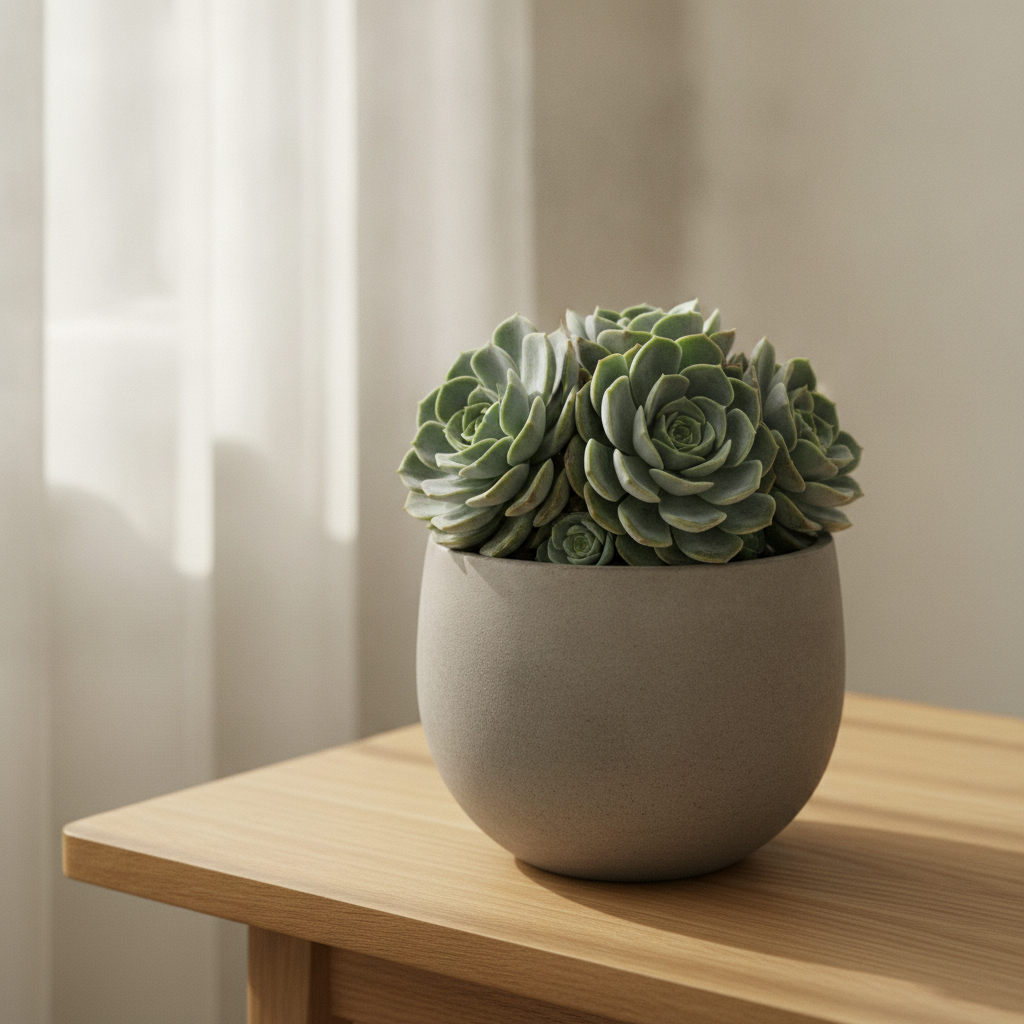
Few succulents earn their common name as literally as the mountain rose. When summer heat settles over its native Canary Island cliffs, Greenovia dodrantalis pulls its powdery blue-green leaves inward until each rosette closes into what looks unmistakably like an unopened rosebud carved from jade. It is a survival trick, not a party piece, and understanding why it happens is the key to keeping this plant not merely alive but genuinely content on a windowsill far from Tenerife.
Quick Reference
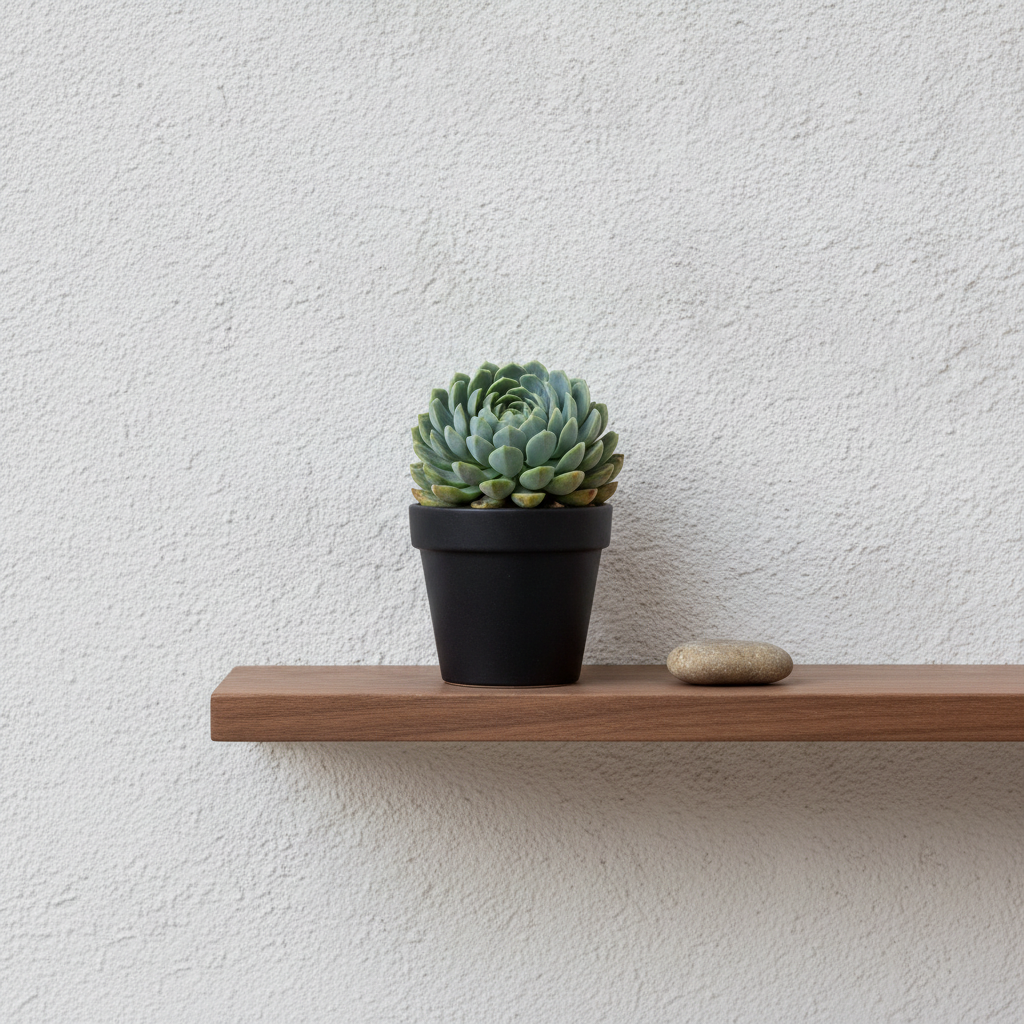
The mountain rose is a small, cool-growing succulent that rewards a light hand and punishes the well-meaning enthusiasm that suits tropical foliage plants. Everything below fills in the detail, but this table captures the essentials at a glance.
| Botanical name | Greenovia dodrantalis (now often classified as Aeonium dodrantale) |
| Common names | Mountain rose, green rose buds, rose succulent |
| Family | Crassulaceae |
| Origin | Canary Islands, on shaded rock ledges and cliffs |
| Mature size | Rosettes 5 to 8 cm (2 to 3 in) across, clumping to 15 cm (6 in) wide |
| Light | Bright indirect light with a little gentle direct sun |
| Water | Regular in the cool growing season, almost none in summer dormancy |
| Soil | Gritty, fast-draining succulent or cactus mix |
| Temperature | 4 to 21 degrees C (39 to 70 degrees F) |
| Growth cycle | Winter grower, summer dormant |
| Toxicity | Non-toxic to cats, dogs and humans |
| Difficulty | Moderate, mostly a matter of respecting its dormancy |
Contents
- Why Grow the Mountain Rose as a Houseplant
- Light
- Watering
- Soil and Potting
- Fertilising
- Propagation
- Pests and Problems
- Varieties and Relatives
- Frequently Asked Questions
Why Grow the Mountain Rose as a Houseplant
The appeal of Greenovia dodrantalis is immediate and unusual. Most succulents that people describe as rose-like, such as the various Echeveria, hold that shape permanently and rather loosely. The mountain rose does something more theatrical. For much of the cooler year it grows as an open, cupped rosette of chalky blue-green leaves, but as light intensifies and the air dries in late spring, it draws those leaves together into a dense, tightly furled sphere that genuinely resembles a rosebud on the point of opening. A cluster of them on a shelf looks less like a collection of plants and more like a small bouquet that happens to be alive.
That behaviour is the plant’s answer to a demanding home. In the Canary Islands the mountain rose clings to shaded ledges and north-facing rock faces at altitude, where winters are cool and damp and summers are hot, bright and rainless. Curling up in summer reduces the leaf surface exposed to the drying sun, protecting the growing point and conserving moisture through the dormant months. For the grower this means the plant tells you, honestly and visibly, what season it thinks it is in. A tightly closed rose is not a distress signal; it is the plant doing exactly what it evolved to do.
There is a practical reward too. Because it is genuinely small and clumps slowly into tidy mounds, the mountain rose suits people with little space, cool rooms or bright bathroom windowsills where larger succulents would sulk. It is also non-toxic, which makes it a rare succulent that is entirely relaxed around curious pets and children. The trade-off is that it keeps an unfashionable calendar, doing its growing in the depths of winter when most houseplants are resting, so the grower who succeeds is the one willing to work with that rhythm rather than against it.
Pro Tip — Read the rosette: Treat the degree of leaf closure as a live moisture and season gauge. An open, relaxed rosette means active growth and a plant ready to drink; a tightly closed rose means dormancy and a plant that wants to be left almost completely dry.
Light
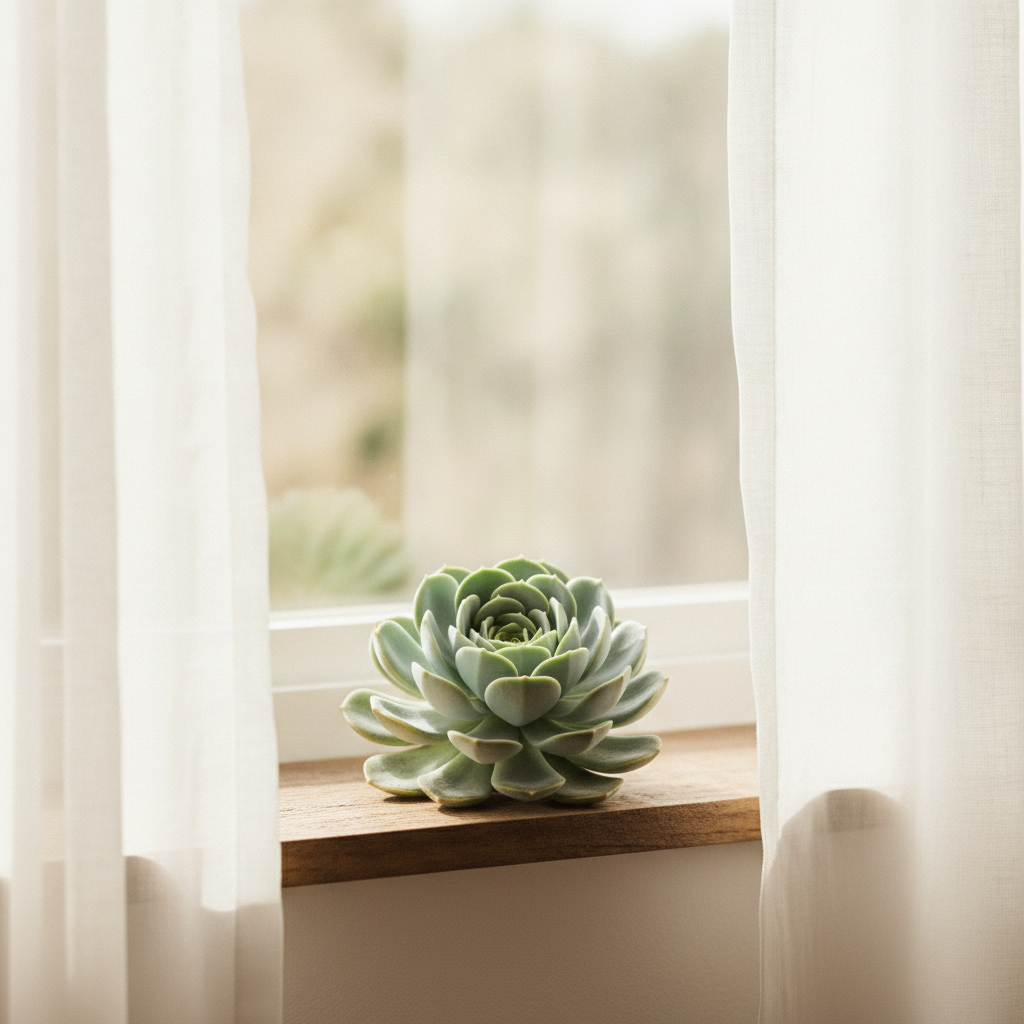
Light is where most mountain roses either flourish or slowly stretch into disappointment. In the wild the plant grows in bright, open situations but often with the softening influence of altitude haze, passing cloud and the shade of overhanging rock. Indoors the equivalent is a position that is bright for most of the day but spared the full ferocity of unfiltered summer midday sun through glass. An east-facing window that catches gentle morning light is close to ideal, as is a south or west window with a sheer curtain to take the edge off the harshest hours.
The plant will survive in a merely bright room with no direct sun at all, but it will not truly thrive there. Deprived of strong light, the rosette opens up and the leaves elongate and space themselves out, reaching for the window in a way that spoils the compact rose shape that makes the species worth growing. This etiolation is slow and easy to miss until you compare the plant with a well-lit specimen, so err on the side of more light rather than less, and rotate the pot a quarter turn every week or two so the rosette grows evenly rather than leaning.
The one real hazard is scorch. The fine powdery coating on the leaves, called farina, offers some natural sun protection, but a plant that has been growing in modest light and is then moved abruptly into blazing sun can bleach or develop dry brown patches within a day or two. Any increase in light should be introduced gradually over a week or two. During the summer dormancy the plant needs less light rather than more, and a closed rose sitting in fierce direct sun is at greater risk of heat damage than the same plant in bright shade, so easing it back from the glass in the hottest months is sensible.
Warning — Sudden sun: Never move a mountain rose straight from a shaded shelf into direct summer sun. The leaves scorch quickly, and unlike a shed leaf, a scorched growing point can set the whole rosette back for a season.
Watering
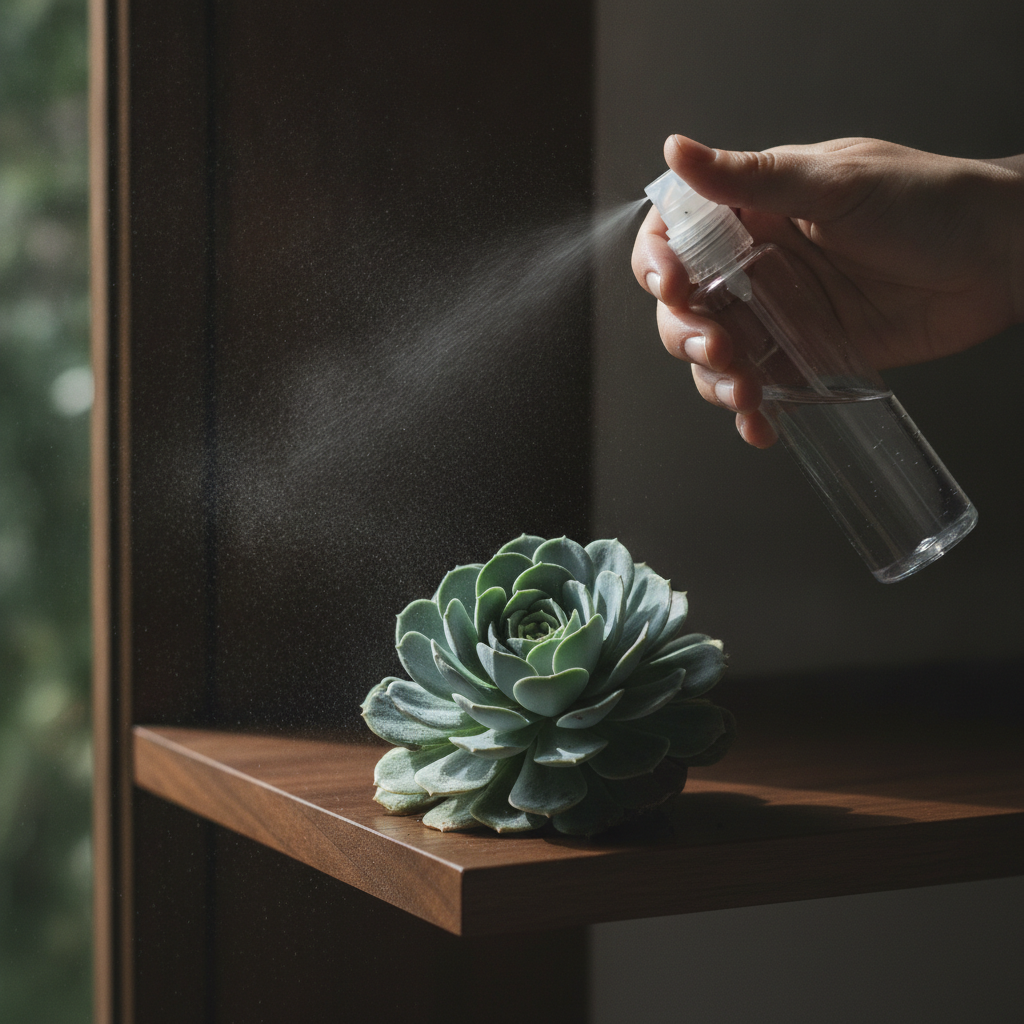
Watering the mountain rose correctly means unlearning the habit that keeps most succulents alive. The familiar advice to water sparingly and let everything dry out hard applies here only for part of the year, because this is a winter grower. Its thirstiest, most active period runs through the cool months from autumn to spring, and its rest comes in summer, which is the reverse of the schedule most windowsill succulents keep. Getting the timing wrong is the single most common way to lose the plant.
During the cool growing season, water thoroughly whenever the top two to three centimetres (about an inch) of the mix have dried out, letting water run freely from the drainage holes and then discarding whatever collects in the saucer. In a bright, cool room this might mean watering every seven to ten days, though the only reliable guide is the mix itself rather than the calendar. The open, relaxed rosette of a growing plant can take this steady rhythm and will plump up visibly, its leaves broadening and its colour deepening.
As summer approaches and the rosette begins to close, cut water back sharply. A dormant mountain rose needs very little, perhaps a light drink every three or four weeks, just enough to stop the roots shrivelling entirely. Many experienced growers give almost nothing through the hottest weeks and let the closed rose coast on its stored reserves. The mistake to avoid is reading a summer-closed rosette as thirst and responding with more water; a dormant plant sitting in damp mix in warm conditions is the classic recipe for root rot. Water in the morning so any splashes on the leaves dry quickly, and always aim for the soil rather than the crown, where trapped water can cause the centre to rot.
Pro Tip — Follow the leaves, not the season name: Because indoor conditions can shift the timing, let the rosette itself set the schedule. Water freely while it stays open and growing, and taper off the moment it starts to furl closed, whatever the month.
Soil and Potting
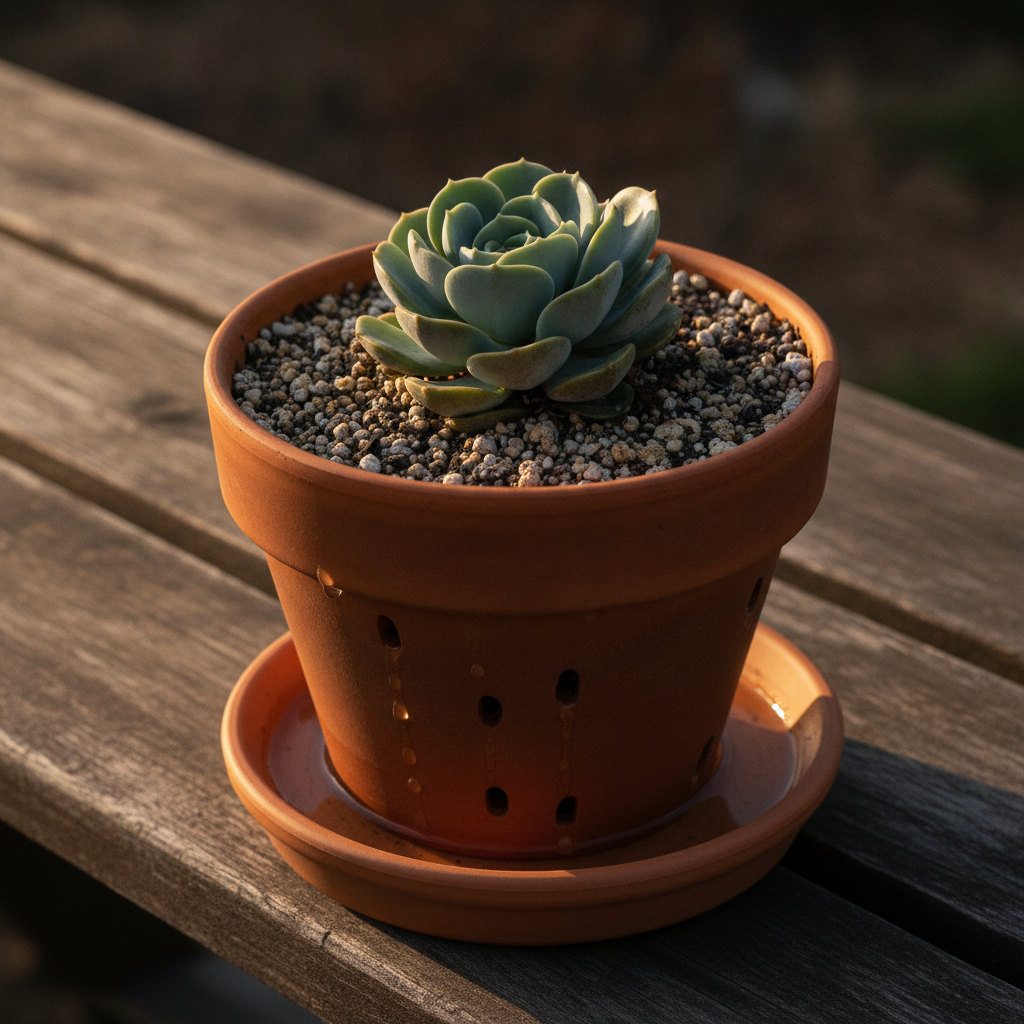
The mountain rose asks for a growing medium that drains almost aggressively. Its roots are adapted to rocky crevices where water sheets away within moments of falling, and they resent sitting in anything that stays soggy. A commercial cactus and succulent compost is a reasonable starting point, but most such mixes still hold more moisture than this species prefers, so it is worth opening them up further with additional grit. A blend of roughly half succulent compost to half mineral grit, such as pumice, coarse perlite or fine horticultural gravel, gives the fast-draining, airy root run the plant is built for.
Pot choice matters as much as the mix. A container with generous drainage holes is non-negotiable, and unglazed terracotta is a genuine advantage because its porous walls wick moisture out of the soil and allow the whole root ball to dry more evenly between waterings. Because the plant is small and shallow-rooted, it does not need depth; a wide, shallow pot suits the clumping habit and reduces the volume of damp soil sitting beneath the roots. Choose a pot only slightly larger than the current root ball, as an oversized container holds a reservoir of wet mix that the modest root system cannot use quickly.
Repot infrequently, ideally at the start of the cool growing season so the plant can settle its roots while it is actively growing rather than while it is dormant. Every two to three years is usually enough, or when a clump has genuinely filled its pot. Let the plant dry out for a few days before repotting, handle the brittle leaves gently, and wait about a week after repotting before the first proper watering so any damaged roots can callus rather than rot. A shallow top dressing of grit around the rosettes keeps the vulnerable base dry and gives a clean, finished look.
Fertilising
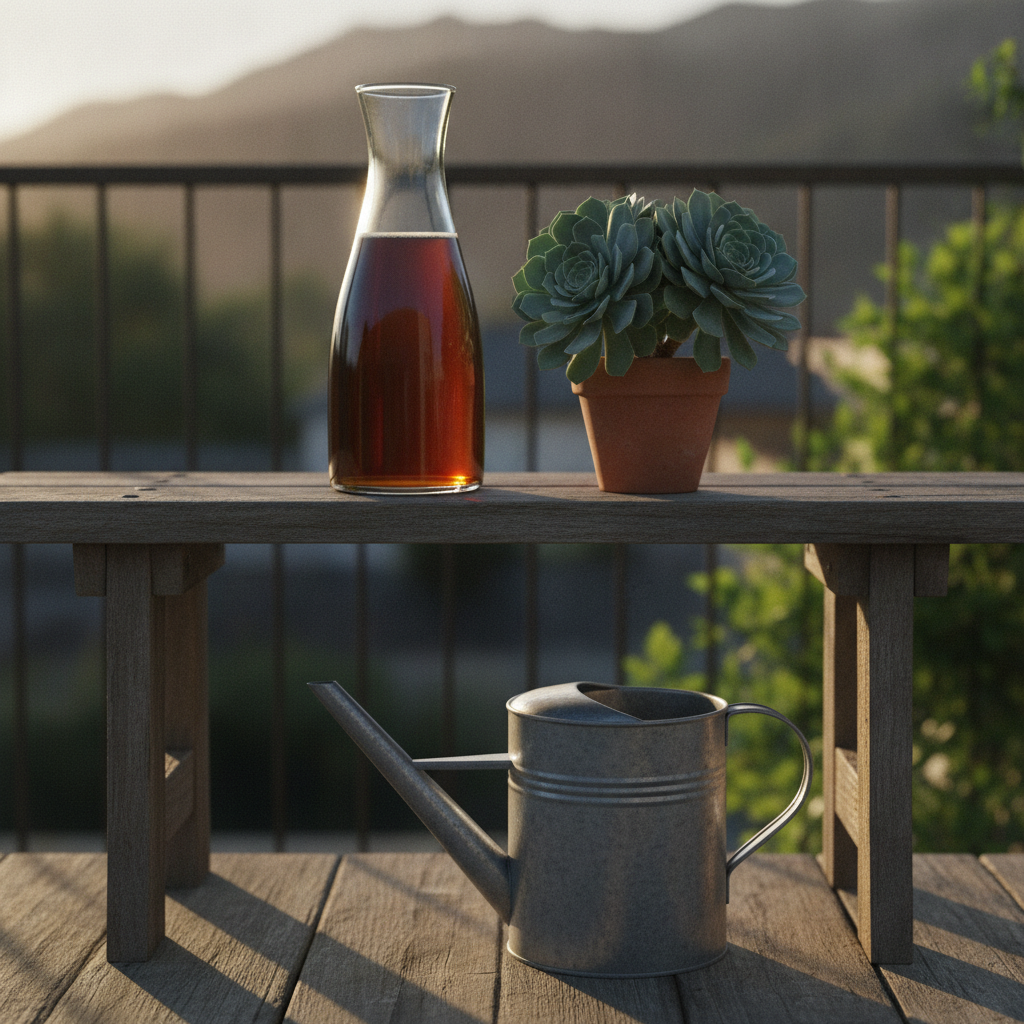
The mountain rose is a light feeder, and its appetite for nutrients follows the same calendar as its thirst. Feeding is only worthwhile during the cool growing season, when the plant is actively putting on leaves and can make use of what it is given. Through the summer dormancy it should not be fed at all, since a resting plant cannot process nutrients and unused fertiliser salts simply accumulate in the mix, where they can scorch the fine roots.
When you do feed, keep it weak and infrequent. A balanced liquid fertiliser formulated for cacti and succulents, diluted to half the strength recommended on the label, applied once a month during the growing season, is generous. Always apply feed to already-damp soil rather than dry mix, as fertiliser delivered to a bone-dry root ball is far more likely to burn the roots. If in doubt, underfeed; a mountain rose grown lean and slow is tougher and better coloured than one pushed with too much nitrogen, which tends to produce soft, pale, loosely stacked leaves that lose the tight rose form.
Warning — No summer feeding: Feeding a dormant mountain rose in summer does not give it a head start. It cannot use the nutrients, and the leftover salts build up in the mix, risking root damage just when the plant is least able to recover.
Propagation
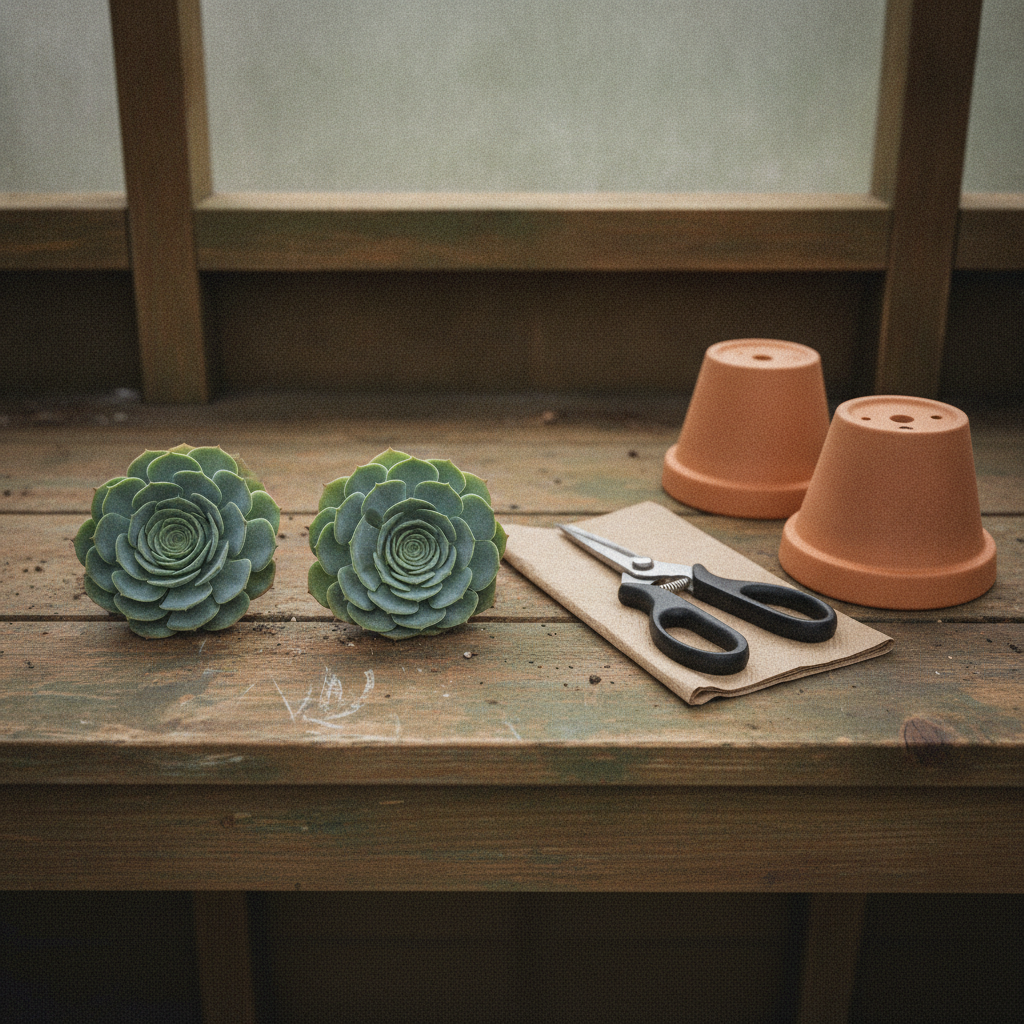
The easiest and most reliable way to multiply the mountain rose is by division, because a healthy plant does much of the work itself. Over time a single rosette produces offsets, small pups that emerge around the base and gradually build the plant into a clump of several crowns. Once a clump is well established and each offset has developed a few of its own roots, the whole plant can be lifted and separated into individual crowns, each of which becomes a new plant.
The best time to divide is at the start of the cool growing season, when the plants are ready to root and grow away rather than sit dormant. To divide a clump, follow these steps.
- Let the plant dry out for a few days, then ease the whole clump out of its pot and gently brush the loose mix away from the roots.
- Find the natural points where individual rosettes join, and tease them apart by hand where you can, using a clean, sharp blade only where crowns are firmly fused.
- Aim to keep some roots attached to each divided crown, as rooted offsets establish far faster than bare ones.
- Leave the divisions somewhere dry and shaded for two or three days so any cut or torn surfaces can callus over.
- Pot each crown into a small container of gritty, free-draining mix, and wait about a week before watering lightly so the roots can settle without rotting.
Leaf propagation is also possible but slower and less dependable. A carefully removed whole leaf, taken cleanly from the base so none of it tears, can be laid on the surface of barely-moist gritty mix in bright indirect light, where over several weeks it may form tiny roots and eventually a miniature rosette. Success rates are lower than with many other succulents, so division remains the method of choice for anyone who wants a reliable result. The species can also be grown from seed, though this is a slow project better suited to dedicated collectors than to someone simply wanting another plant or two.
Pests and Problems

The mountain rose is not especially prone to pests, but its densely packed rosette gives a few troublemakers good places to hide. Mealybugs are the most common, appearing as small white cottony clusters tucked deep between the leaves and around the growing point, where they are easy to overlook until the colony is established. A cotton bud dipped in isopropyl alcohol, worked carefully into the leaf axils, deals with a light infestation; a heavier one may need a suitable insecticide or repeated treatments over several weeks. Aphids can appear on flower stalks, and fungus gnats will breed in the top layer of mix if it is kept too wet, which is itself a sign that watering needs correcting.
By far the most serious threat, however, is not an insect but water. Root and crown rot, caused by overwatering or by moisture pooling in the centre of the rosette, kills more mountain roses than every pest combined. The warning signs are leaves that turn translucent, yellow or mushy at the base, or a rosette that blackens and collapses from the centre outward. Rot moves quickly and is often fatal once it reaches the growing point, so prevention through a gritty mix, careful watering and good airflow is far more effective than any cure. If you catch it early, unpotting the plant, cutting away all soft and discoloured tissue with a clean blade, letting the healthy remainder callus and replanting it in fresh dry mix offers a chance of salvage.
Other problems are usually cultural rather than biological. A rosette that opens up and stretches, with widely spaced, elongated leaves, is telling you it needs more light. Dry brown patches on the leaf faces point to sun scorch, usually from too rapid a move into direct sun. Lower leaves drying and shrivelling is normal as the plant ages and sheds its oldest foliage, but widespread shrivelling of the whole rosette suggests underwatering during the growing season or a root system compromised by earlier rot. Because this species closes up naturally in summer, it is worth repeating that a tightly furled rose in the hot months is healthy behaviour and not a problem to be fixed.
Warning — Water in the crown: Never let water sit in the centre of the rosette, especially in cool or still conditions. Trapped moisture at the growing point is the fastest route to crown rot, which is almost always fatal.
Varieties and Relatives
The genus Greenovia is small and closely related to Aeonium, into which botanists now generally fold it, so plants are sold under both names. All share the rose-forming habit to some degree, but they differ in size, colour and the drama of their summer closure. The two relatives below are the ones most often found alongside Greenovia dodrantalis and make natural companions for a collection.
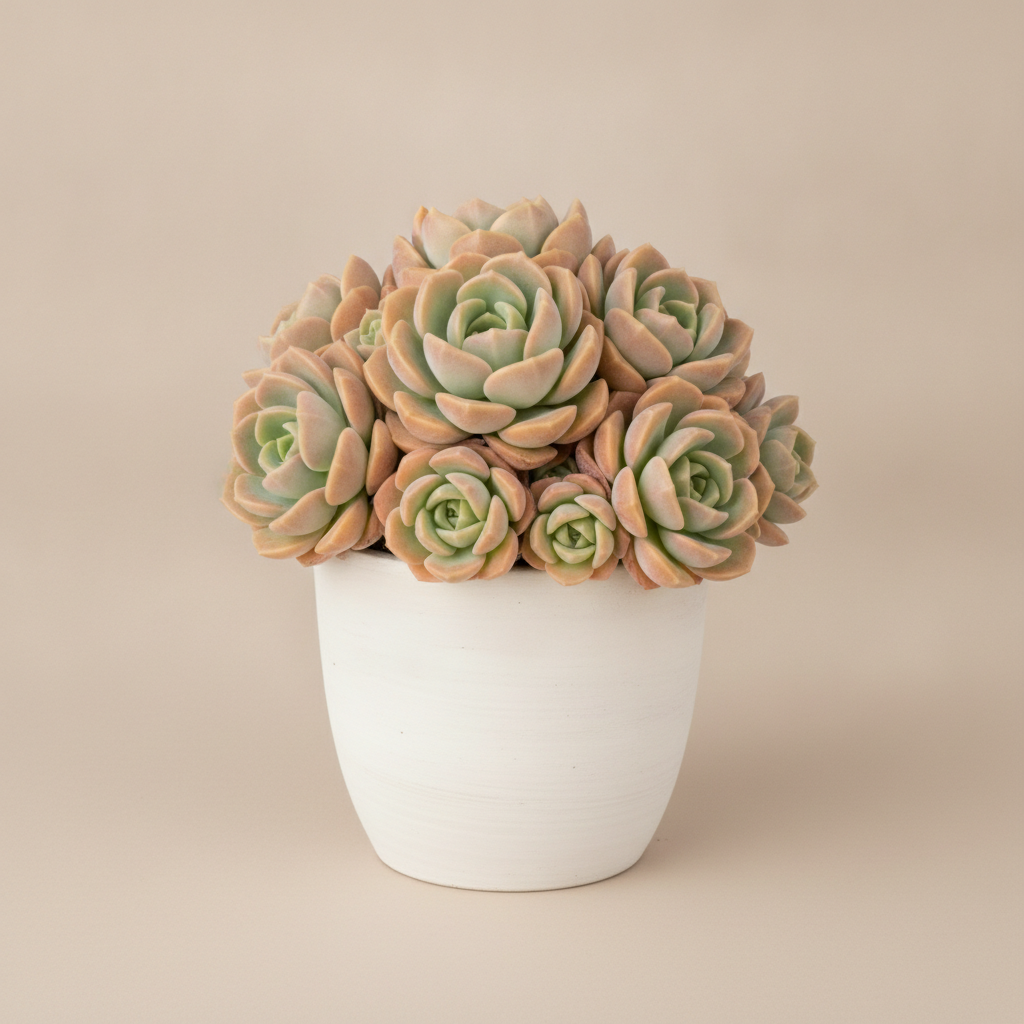
Greenovia aurea
The larger and more robust of the common mountain roses, Greenovia aurea forms chunkier, more deeply cupped rosettes of pale blue-green leaves that flush warm pink and coral at the tips when grown in bright light. Its bigger scale makes the closed summer rosebud especially striking, and it clumps freely into generous mounds. Care is identical to G. dodrantalis, though its size makes it a touch more forgiving of the occasional watering error.
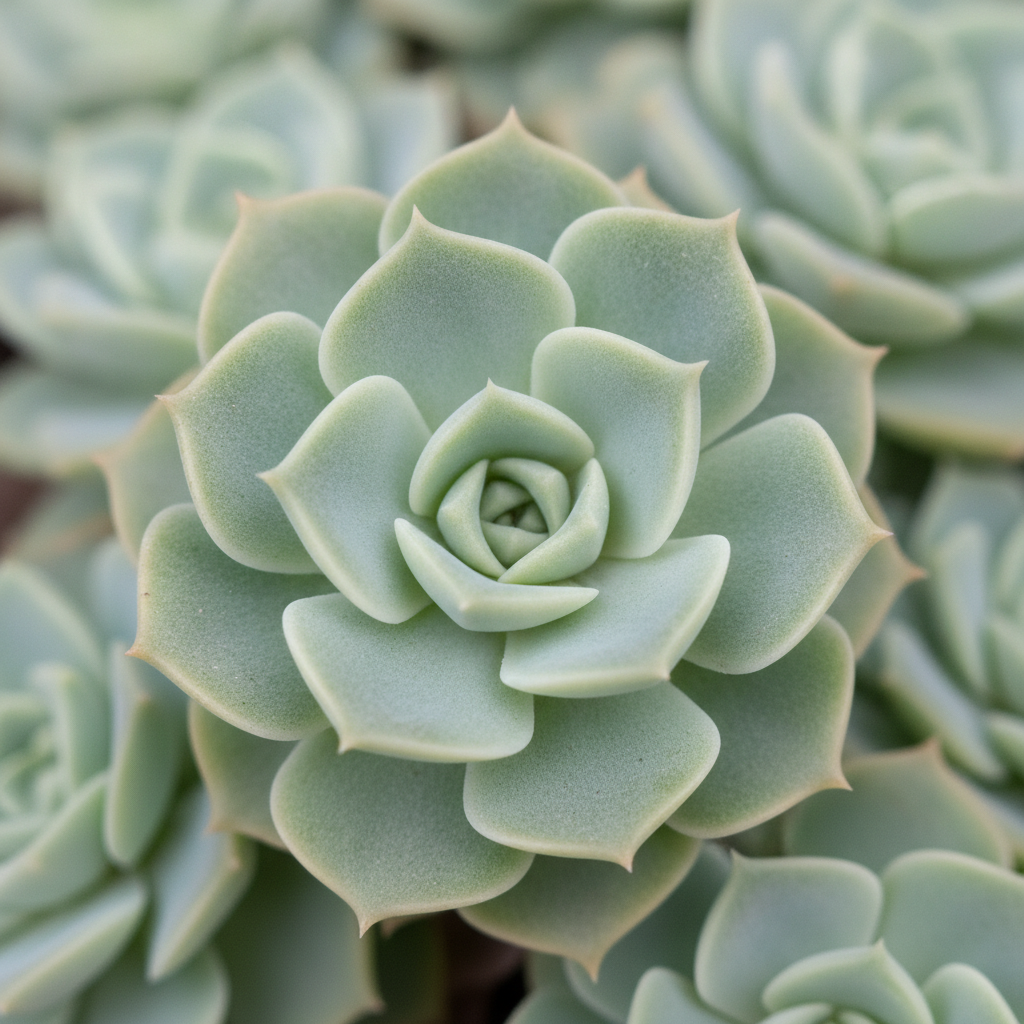
Greenovia diplocycla
Flatter and more open in habit, Greenovia diplocycla produces wider, fan-shaped leaves in a soft sea-green, dusted with a fine powdery bloom. It closes into a rose in summer like its relatives but tends to hold a looser, more relaxed form for longer, making it a good contrast to the tightly furled dodrantalis. It shares the same cool-growing, summer-dormant rhythm and the same intolerance of wet feet.
Frequently Asked Questions
Why has my mountain rose closed up into a tight ball?
This is entirely normal and is the plant’s signature behaviour. As light intensifies and the air dries in late spring and summer, Greenovia dodrantalis pulls its leaves inward to conserve moisture and protect its growing point through dormancy, forming the rosebud shape that gives it its name. A closed rose is a healthy, resting plant, not a stressed one. It will open again on its own as cooler, damper growing conditions return.
How often should I water it?
It depends on the season, because this is a winter grower. During the cool growing months, water thoroughly whenever the top few centimetres of mix have dried, which often works out to roughly every seven to ten days in a bright, cool room. Through the summer dormancy, cut right back to a light drink every three or four weeks or less. Let the rosette guide you: water freely while it is open and growing, and taper off as it closes.
Is the mountain rose safe for cats and dogs?
Yes. Greenovia dodrantalis and its close relatives are considered non-toxic to cats, dogs and people, which makes them a reassuring choice for households with curious pets. As with any plant, it is still wise to discourage nibbling, since eating quantities of any foliage can cause mild digestive upset, but there is no toxic compound to worry about.
Why is my plant stretching and losing its rose shape?
Stretching, with elongated leaves spaced widely apart and a rosette that will not close tightly, is almost always a sign of insufficient light. Move the plant to a brighter position, such as an east-facing window or a south or west window with a sheer curtain, introducing the extra light gradually to avoid scorch. The existing stretched growth will not tighten back up, but new growth will form a proper compact rosette once the light is right.
My mountain rose flowered and then died. Did I do something wrong?
No. Like many of its relatives in the Aeonium group, an individual mountain rose rosette is monocarpic, meaning it flowers once, sending up a stalk of small yellow blooms, and then that particular rosette dies. This is a natural part of its life cycle rather than a care failure. As long as the plant has produced offsets, and established clumps almost always have, those pups carry on and the plant as a whole continues. This is one more reason to encourage clumping and to divide offsets so you always have replacements coming along.
What temperatures can it tolerate?
The mountain rose is a cool-loving plant that is happiest between about 4 and 21 degrees C (39 to 70 degrees F). It positively enjoys cool winter conditions that would check many other succulents, but it dislikes prolonged heat, which is precisely what triggers its summer dormancy. It is not reliably frost hardy and should be protected from freezing, so in cold climates it is best grown as an indoor or conservatory plant, kept cool and bright rather than warm and stuffy.






