
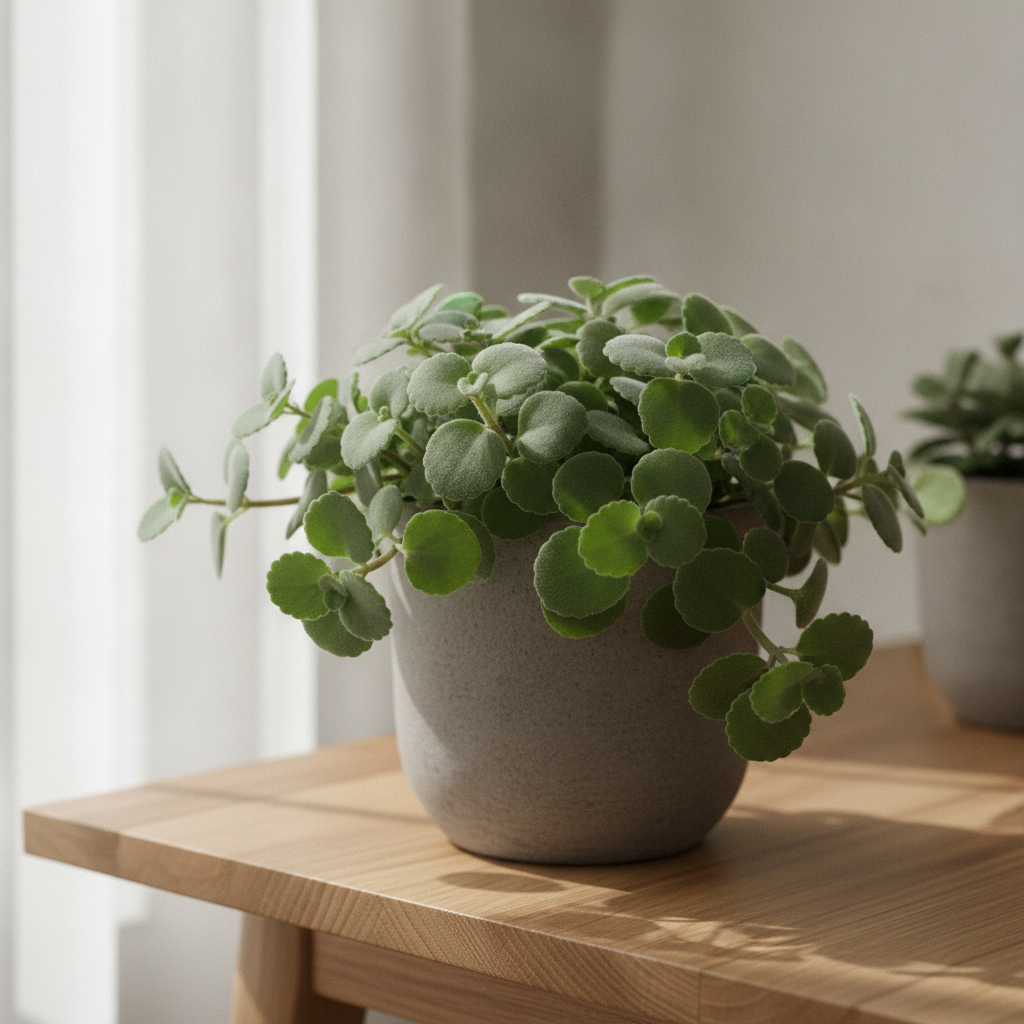
Cuban mint (Plectranthus amboinicus) is a soft-stemmed, aromatic herb that packs the unmistakable scent of oregano into thick, fuzzy, faintly succulent leaves. Despite the name it is neither a true mint nor a native of Cuba; it belongs to the sprawling Lamiaceae family and traces its origins to southern and eastern Africa, from where it travelled across the tropics as a kitchen and medicine-cabinet staple. Along the way it gathered a drawer full of common names, including Indian borage, Cuban oregano, Mexican mint, Spanish thyme and country borage, which tells you a good deal about how widely it has been grown and how useful people have found it.
As a houseplant it sits in the comfortable overlap between herb and ornamental, growing quickly on a bright windowsill and shrugging off the occasional missed watering thanks to those water-storing leaves. Keeping one alive is genuinely easy, which is why it turns up so often on lists of beginner plants. Coaxing it into the dense, silvery, richly scented mound that makes it worth growing takes a little more attention to light, drainage and regular pruning. This guide covers the full arc, from the bare minimum that keeps a plant ticking over to the conditions that let it truly thrive.
Contents
- Quick Reference
- Why Cuban Mint Makes a Rewarding Houseplant
- Light Requirements
- Watering & Humidity
- Soil, Potting & Repotting
- Fertilising
- Propagation
- Pests & Diseases
- Popular Varieties
- Frequently Asked Questions
Quick Reference: Cuban Mint at a Glance
| Light | Bright indirect light with several hours of direct sun; the more light it receives, the denser and more aromatic the growth. |
| Watering | Let the top third of the soil dry out, then water thoroughly and allow it to drain freely. Semi-succulent and quick to rot if kept soggy. |
| Temperature | 18 to 27 degrees C (64 to 81 degrees F). Protect from anything below 10 degrees C (50 degrees F). |
| Humidity | Average household humidity is fine. Tolerates dry air far better than most culinary herbs. |
| Fertiliser | A light feeder. A balanced, diluted liquid feed every 4 to 6 weeks in spring and summer is plenty. |
| Toxicity | Culinary and generally regarded as safe for people. The concentrated aromatic oils can cause mild stomach upset in cats and dogs if eaten in quantity. |
Why Cuban Mint Makes a Rewarding Houseplant
Few plants earn their place on a kitchen sill as easily as Cuban mint. It is fast, forgiving and constantly useful, and it announces itself the moment you brush a leaf, releasing a warm, camphoraceous oregano scent that lingers on the fingers. The plant grows as a low, mounding, slightly trailing subshrub, reaching around 30 to 60 centimetres (12 to 24 inches) across in a pot, with succulent stems that root wherever they touch soil. That combination of ornamental habit and genuine culinary value is unusual, and it is the main reason growers keep coming back to it.
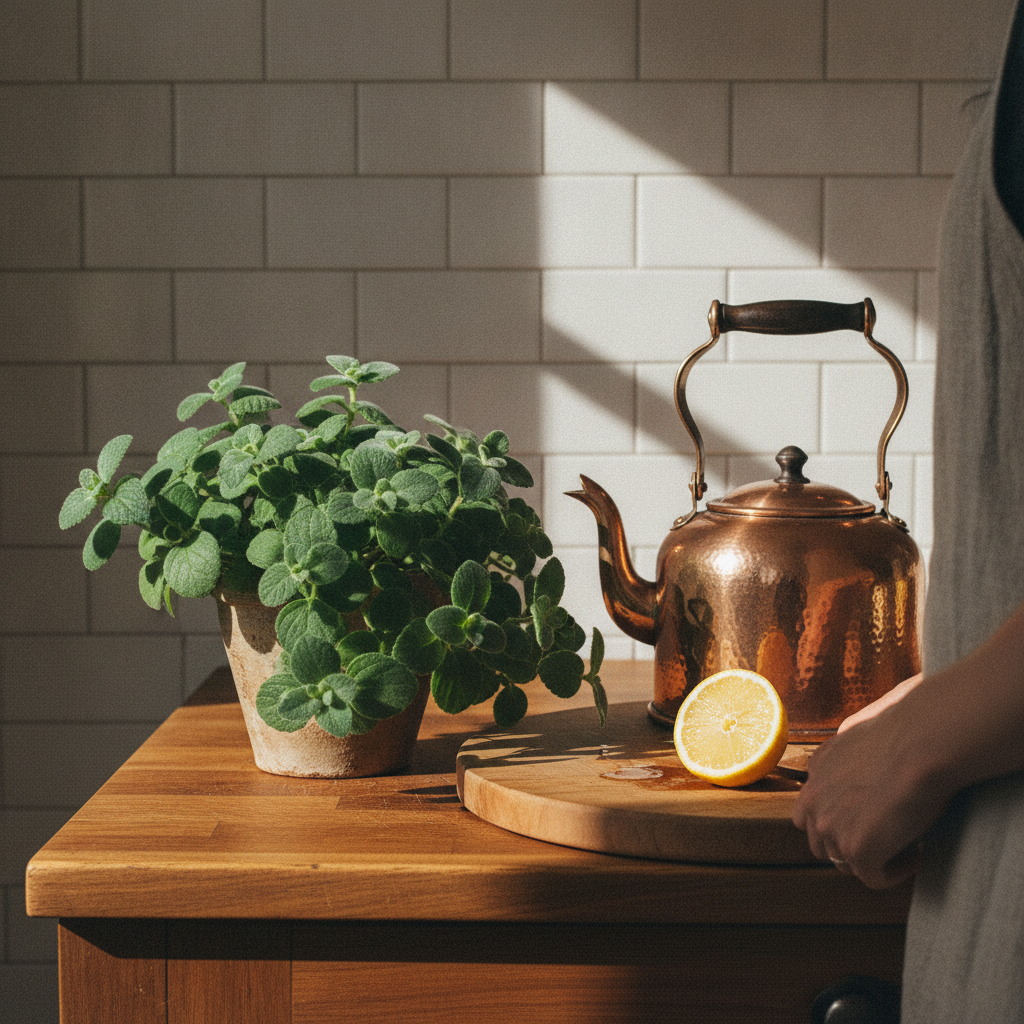
The leaves are the star: thick, fleshy and covered in a fine felt of hairs that gives them a soft, silvery grey-green appearance and a velvety feel. Their scalloped margins and rounded shape make the plant attractive even when it is not flowering, and the water stored in that succulent tissue is exactly what makes the plant so tolerant of neglect. Where a basil or coriander will collapse the first time you forget it, Cuban mint simply draws on its reserves and waits. Understanding the difference between merely surviving and genuinely thriving comes down to light and restraint with the watering can, both of which are covered in detail below.
Important — Toxicity: Cuban mint is a culinary herb and is generally regarded as safe for people to handle and eat in normal quantities. It does contain aromatic essential oils, however, and cats and dogs that chew large amounts of the foliage may develop mild vomiting or diarrhoea. Keep plants out of reach of pets that like to graze, and consult a vet if a large quantity has been eaten.
Light Requirements
Light is the single biggest factor separating a leggy, pale Cuban mint from a compact, deeply aromatic one. In its native range it grows in open, sunny positions, and it carries that appetite for brightness indoors. Give it as much light as you can short of scorching, and it responds with short internodes, dense foliage and a stronger concentration of the oils that make it worth growing.
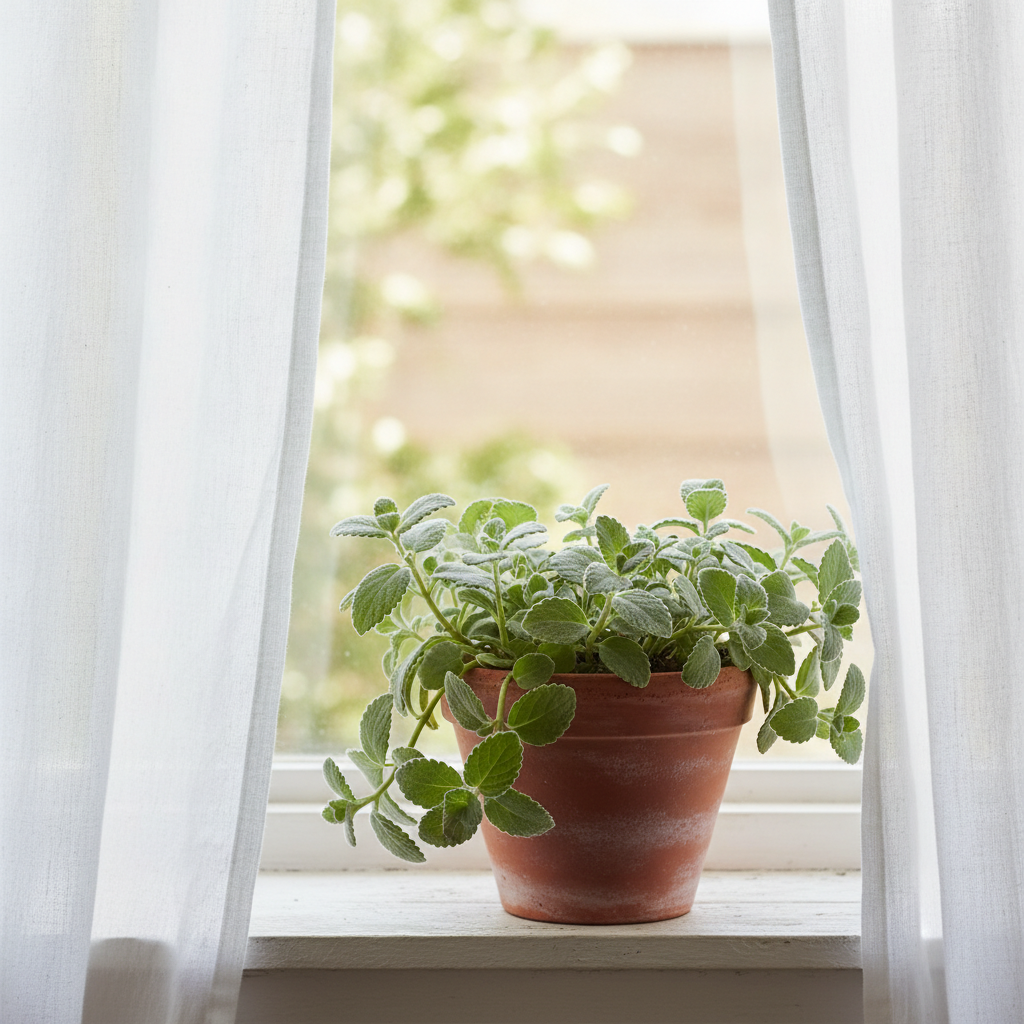
The ideal indoor position is a spot that receives bright indirect light for most of the day plus two to four hours of direct sun, such as a windowsill that catches the morning or late-afternoon sun. In these conditions the plant stays tight and bushy and the variegated forms hold their cream margins cleanly. In lower light it will still grow, but the stems stretch and thin, the leaves space out and the scent fades noticeably.
Light Levels Explained
Because plant-light terminology can be vague, the table below translates the common categories into approximate light levels and the outcome you can expect from Cuban mint in each.
| Light Category | Approx. Level | Typical Location | Outcome |
|---|---|---|---|
| Direct sun | Over 50,000 lux | On a south or west sill, unobstructed | Excellent, provided it is acclimatised; densest, most aromatic growth |
| Bright indirect | 10,000 to 25,000 lux | Just back from a bright window, or behind a sheer curtain | Very good; compact and healthy |
| Medium | 5,000 to 10,000 lux | A metre or two from a bright window | Acceptable; slower, slightly looser growth |
| Low | 1,000 to 2,500 lux | A north sill or a dim corner | Poor; stretched, pale stems and weak scent |
| Very low | Under 1,000 lux | Interior room with no direct window | Unsuitable; decline over time |
Window Orientation and Placement
South-facing window: In the northern hemisphere this is the best position for a Cuban mint, offering the long, bright days it loves. In the height of summer a very hot south window can scorch the leaves, so a sheer curtain or a slight setback from the glass is worth having during heatwaves.
East-facing window: An excellent all-round choice. Gentle morning sun followed by bright light for the rest of the day suits the plant well and rarely causes scorch.
West-facing window: Also very good, delivering strong afternoon sun. Keep an eye on the leaves during hot spells, as west light can be fierce by late afternoon.
North-facing window: Usually too dim for good growth. A plant here will survive for a while but gradually stretch and lose its scent, so supplement with a grow light or move it somewhere brighter.
Pro Tip — Rotate for an Even Shape: Cuban mint leans hard towards the light. Give the pot a quarter turn every time you water so that all sides receive their share and the plant develops into a balanced, rounded mound rather than a lopsided one.
How Light Affects Leaf Colour and Scent
The plant’s silvery cast, the crispness of the variegation on cultivars such as Variegatus, and above all the strength of the aroma are all light-dependent. In strong light the leaves stay small, thick and heavily scented, and the cream margins of variegated forms are bright and well defined. In weak light the leaves grow larger, thinner and greener, the variegation washes out towards plain green, and the essential-oil content drops so that the plant smells faintly of nothing much. If your Cuban mint has stopped smelling like oregano, poor light is almost always the reason.
Warning — Direct Sunlight: A plant grown in low light and then moved abruptly into full summer sun can scorch, developing bleached or brown papery patches within a day or two. Acclimatise it over a week or two, increasing exposure gradually, rather than shifting it in one step.
Artificial Lighting
Cuban mint responds very well to supplementary lighting, which makes it a practical windowsill herb through dark northern winters. A full-spectrum LED grow light positioned 20 to 30 centimetres (8 to 12 inches) above the plant and run for 12 to 14 hours a day will keep growth compact and aromatic when natural light is weak. Because the plant genuinely wants bright conditions, artificial light is more of a true substitute here than it is for shade-loving foliage plants.
Seasonal Adjustments
As days shorten through autumn and winter, move the plant to your brightest available window and expect growth to slow considerably. This is normal. Reduce watering to match the slower pace and hold off on feeding until spring. When light returns and new growth resumes, you can shift the plant back from the hottest glass and return to a normal watering and feeding rhythm.
Watering & Humidity
If light is the key to a thriving Cuban mint, watering is the key to a living one. The plant’s fleshy, water-storing leaves make it far more drought-tolerant than a typical soft herb, but that same succulence makes it acutely sensitive to being kept wet. The overwhelming majority of Cuban mints that die do so from overwatering and root rot, not from thirst, so the whole approach should err on the dry side.
When to Water
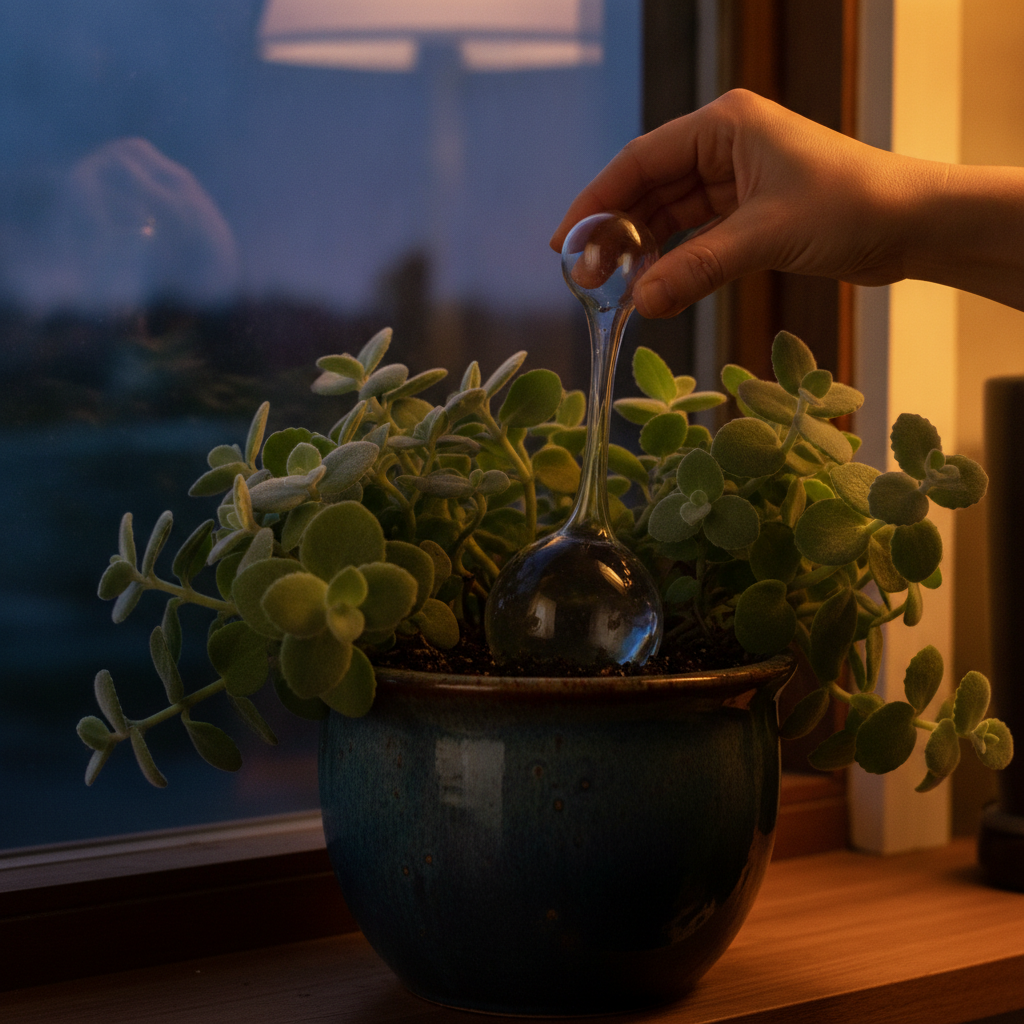
Water when the top third of the soil has dried out. Push a finger into the pot to the second knuckle; if it comes out with soil clinging to it and feels cool and damp, wait. If the top few centimetres are dry and crumbly, it is time to water. In a bright, warm spot in summer this might mean watering once or twice a week, while in winter it can stretch to once every two or three weeks.
The leaves themselves are a useful gauge. A well-watered plant has firm, plump foliage; when it is genuinely thirsty the leaves soften slightly and lose a little of their turgor, which is your cue to water before any real stress sets in. Learning to read that softening is more reliable than watering on a fixed calendar, since light, temperature and pot size all change how fast the soil dries.
Pro Tip — Weigh the Pot: Lift the pot just after watering and again a few days later to feel the difference between heavy, wet compost and light, dry compost. After a week of doing this you will be able to judge when the plant needs water simply by picking it up, no finger test required.
How to Water Correctly
- Check that the top third of the soil is dry before you begin.
- Water the soil directly, not the foliage, since the hairy leaves hold moisture and can spot or rot if repeatedly wetted.
- Add water steadily until it runs freely from the drainage holes, which ensures the whole root ball is moistened.
- Let the pot drain completely for several minutes.
- Tip away any water that collects in the saucer or cover pot so the roots never sit in it.
- Wait until the soil has dried to the correct point again before the next watering.
Signs of Overwatering vs. Underwatering
| Symptom | Overwatering | Underwatering |
|---|---|---|
| Leaf colour | Yellowing, often starting with lower leaves | Dull, slightly greyed, edges may brown |
| Leaf texture | Soft, translucent, mushy to the touch | Thin, limp and slightly wrinkled |
| Soil | Constantly wet, may smell sour | Bone dry, pulling away from the pot sides |
| Roots | Brown, soft and foul-smelling | Pale and intact but dry |
| Stem base | Blackened, collapsing, may rot through | Firm but the whole plant looks deflated |
Warning — Root Rot: Soft, blackening stems at soil level are a sign that rot has taken hold, and a plant this far gone rarely recovers as a whole. Act fast: take healthy tip cuttings from the unaffected top growth and root them, effectively saving the plant by starting again. Cuban mint roots so readily that this is a reliable rescue.
Humidity Requirements
Here Cuban mint is refreshingly undemanding. It comes from warm but not especially humid habitats and is perfectly content in ordinary household air. Average indoor humidity of 40 to 50 per cent suits it well, and it will cope with the drier air of a centrally heated home better than most kitchen herbs.
In fact, high humidity is more of a risk than a benefit. Still, damp air around the fuzzy leaves encourages fungal problems and can promote rot, so the plant is best kept somewhere with reasonable air movement rather than in a steamy, enclosed spot.
For this reason you should not mist Cuban mint. Whereas misting can help a fern or a calathea, on a hairy-leaved semi-succulent it simply leaves water sitting on surfaces that do not dry quickly, inviting mould and leaf spot. If your home is unusually dry and you feel the plant needs help, group it loosely with other plants rather than wetting the foliage.
Water Quality
Cuban mint is not fussy about water quality and tolerates ordinary tap water without complaint. If you live in a very hard-water area you may see a little mineral crust build up on the soil surface over time, which is easily dealt with by flushing the pot thoroughly every few months. Room-temperature water is kinder to the roots than cold water straight from the tap.
Soil, Potting & Repotting
Given how prone Cuban mint is to rot, the growing medium matters more than almost anything else you provide. The plant needs a soil that holds enough moisture to sustain growth but drains fast enough that the roots are never left standing in water. A dense, water-retentive compost is the fastest route to trouble.
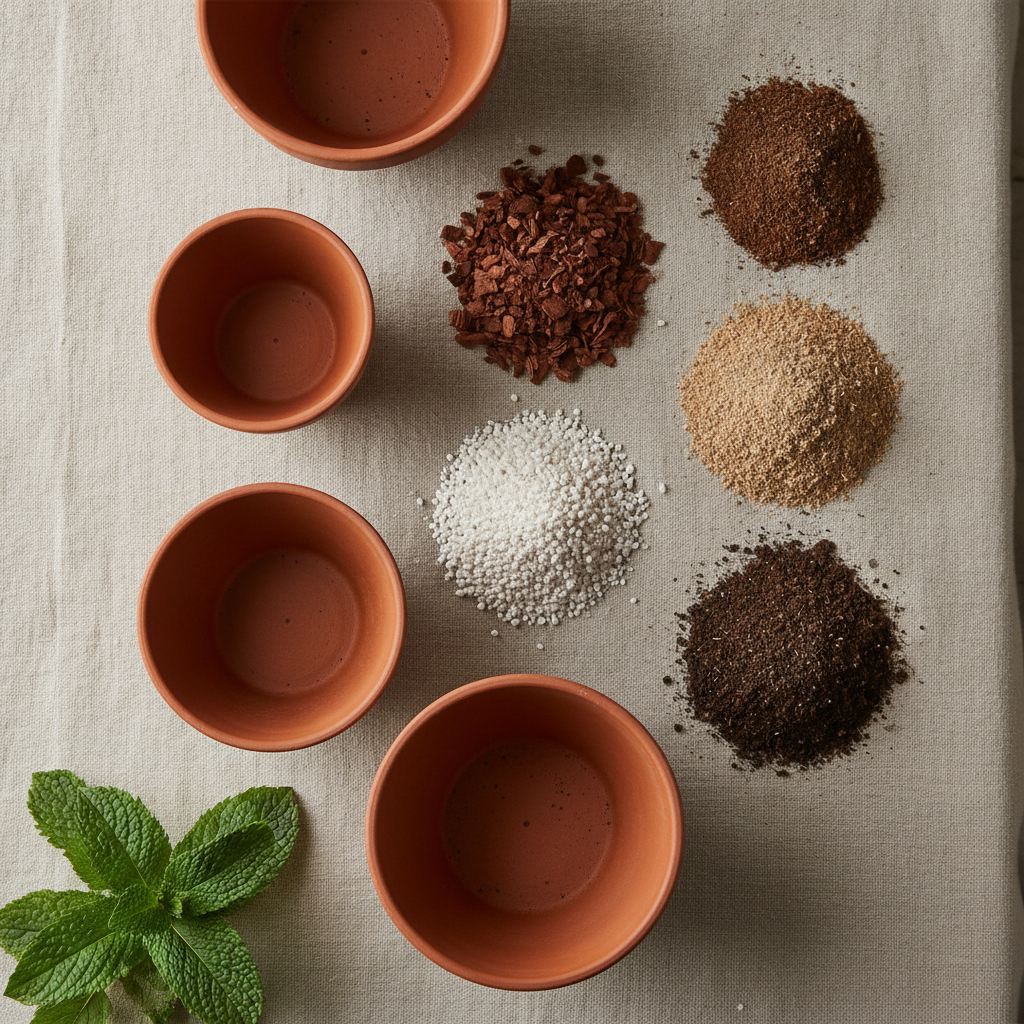
Ideal Soil Composition
Aim for a light, open, free-draining mix. A good starting point is a quality peat-free houseplant or general-purpose compost lightened generously with grit and perlite so that water runs through quickly and air can reach the roots. Many growers treat Cuban mint much like a succulent, and a proprietary cactus and succulent compost, perhaps with a little extra organic matter added, works very well.
| Component | Proportion | Function |
|---|---|---|
| Peat-free houseplant compost | 50% | Base medium holding moisture and nutrients |
| Perlite or pumice | 25% | Opens the mix and improves aeration |
| Horticultural grit or coarse sand | 20% | Adds weight and sharp drainage |
| Fine bark or worm castings | 5% | Structure and a slow trickle of nutrients |
Cuban mint is not particular about pH and grows well in anything from slightly acidic to slightly alkaline soil, roughly 6.0 to 7.5. There is no need to test or adjust pH for this plant under normal conditions; getting the drainage right is far more important.
Pro Tip — Quick Mix Recipe: If you want a simple, reliable blend, combine two handfuls of peat-free compost with one handful of perlite and one handful of grit. That two-to-one-to-one ratio drains fast, stays open and keeps a Cuban mint happy without any further tinkering.
Choosing the Right Pot
The pot is part of the drainage system, not just a container. Because the plant dislikes wet roots, a pot that helps the soil dry evenly and quickly is a real advantage, and the right size prevents a reservoir of unused wet compost from forming around the roots.
Drainage holes are non-negotiable. Never grow Cuban mint in a pot without drainage. If you love a particular decorative cover pot that has no holes, plant into a plastic nursery pot that does drain and sit that inside the cover pot, lifting it out to water and drain.
Pot material: Terracotta is close to ideal for this plant. Its porous walls wick moisture out of the compost and let it evaporate, which suits a rot-prone semi-succulent perfectly. Plastic and glazed ceramic hold water longer, so if you use them, lean even harder on a gritty mix and a careful watering hand.
Pot size: Choose a pot only a little larger than the root ball, around 2 to 3 centimetres (roughly an inch) of extra room all round. An oversized pot holds a large volume of compost that stays wet long after the roots have taken what they need, which is a common cause of rot.
When to Repot
Cuban mint grows quickly and will usually need moving on once a year, ideally in spring as growth accelerates. Signs that it is ready include roots emerging from the drainage holes, water running straight through without wetting the compost, and a plant that dries out noticeably faster than it used to. Since the plant is so easy to propagate, many growers simply start fresh plants from cuttings every year or two rather than potting an old, woody specimen into ever-larger containers.
How to Repot: Step-by-Step
- Water lightly a day before so the root ball holds together, then ease the plant out by tipping the pot and supporting the base of the stems.
- Gently tease away loose old compost and inspect the roots, trimming any that are brown, soft or smelly with clean scissors.
- Add a layer of fresh, gritty mix to the base of a pot one size up.
- Position the plant at the same depth it grew before and backfill around it, firming lightly to remove air pockets.
- Leave a small gap between the soil surface and the rim to make watering easier.
- Water once, moderately, then let the plant settle in bright light without feeding for a few weeks.
Warning — Transplant Shock: Repotting into wet compost and then watering heavily is a fast track to rot in this plant. Repot into barely moist mix, water lightly once, and then resist the urge to keep watering while the disturbed roots recover.
Fertilising
Cuban mint is a light feeder that grows perfectly well on fairly lean soil. In the wild it thrives in unremarkable ground, and indoors it needs far less feeding than a hungry foliage plant. Overfeeding is a genuine risk: it pushes soft, sappy, weakly scented growth that is more prone to pests and rot.
There is also a culinary consideration. If you plan to eat the leaves, it is worth being modest with fertiliser and choosing an organic feed, so that you are not harvesting foliage laden with synthetic salts. A restrained approach gives the best flavour as well as the healthiest plant.
Understanding Plant Nutrients
Fertilisers are labelled with an NPK ratio giving the percentages of nitrogen, phosphorus and potassium, the three nutrients plants use in the largest amounts. A balanced ratio such as 10-10-10 suits Cuban mint, since it wants steady all-round growth rather than a push towards flowering or fruiting. The table below summarises the main nutrients and the symptoms that appear when they run short.
| Nutrient | Symbol | Primary Function | Deficiency Symptoms |
|---|---|---|---|
| Nitrogen | N | Leaf and stem growth | Pale, yellowing older leaves and weak growth |
| Phosphorus | P | Root development and energy transfer | Stunted growth, dull or purplish leaves |
| Potassium | K | Overall vigour and disease resistance | Browning or scorched leaf edges |
| Calcium | Ca | Cell wall structure | Distorted new growth and weak stems |
| Magnesium | Mg | Core of the chlorophyll molecule | Yellowing between the veins of older leaves |
| Iron | Fe | Chlorophyll production | Yellowing between the veins of new leaves |
Types of Fertiliser
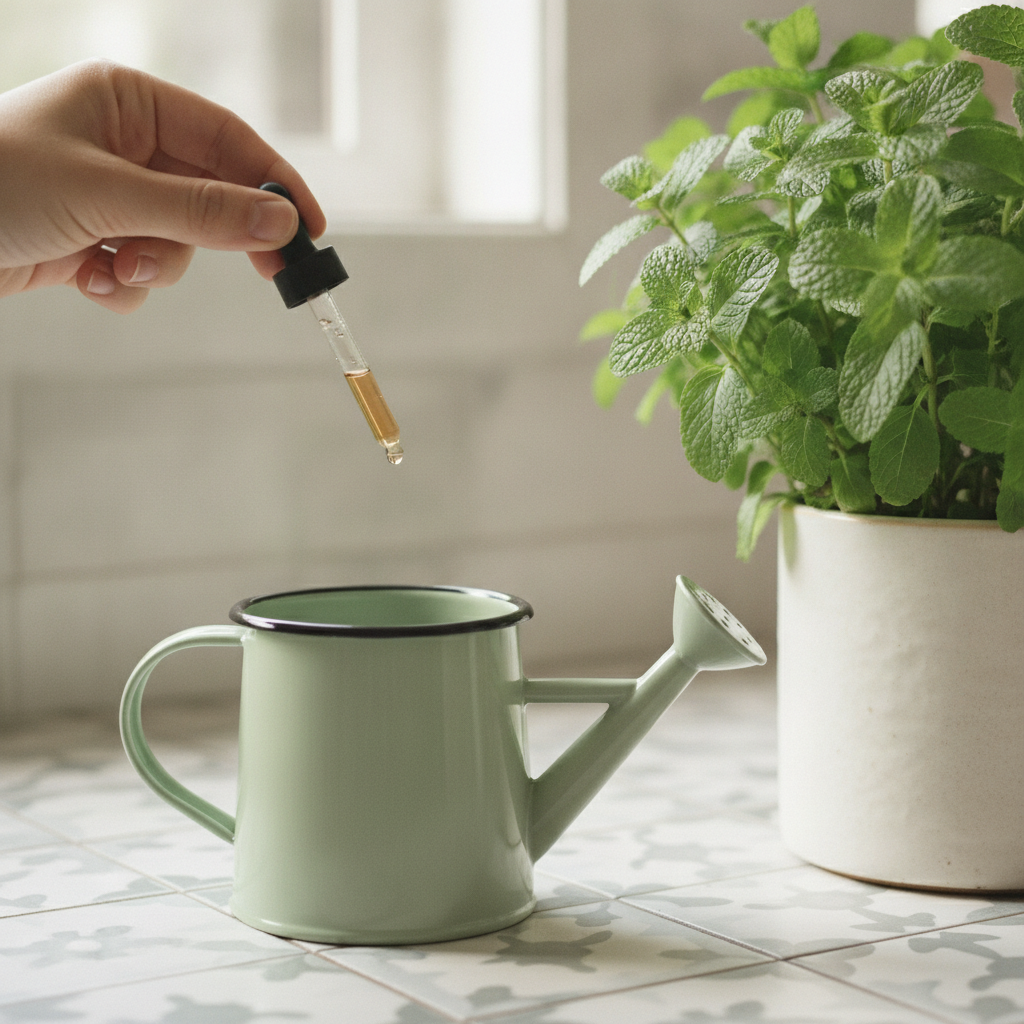
Liquid fertilisers: The easiest option for Cuban mint. A balanced liquid feed diluted to half the recommended strength gives you precise control and is quickly taken up. This is the method most growers will reach for.
Slow-release granular: Convenient but harder to moderate, and easy to overdo on a plant that wants so little. If you use granules, apply at well under the stated rate for foliage plants.
Organic fertilisers: Diluted seaweed feed or a gentle worm-cast tea are ideal, especially for plants you intend to harvest for the kitchen. They release nutrients gently and improve soil life without the risk of a salt spike.
Feeding Schedule
Feed only during the active growing season, from spring through to early autumn, at roughly every four to six weeks. Stop feeding entirely in late autumn and winter, when the plant is growing slowly and cannot use the nutrients, leaving them to accumulate as harmful salts in the soil. A plant in fresh compost needs no feeding at all for the first couple of months, since the new mix already carries a supply.
Pro Tip — Less Is More: When in doubt, underfeed. A slightly hungry Cuban mint is compact, well coloured and strongly scented, whereas a well-fed one is often lush, floppy and comparatively bland. For this herb, restraint genuinely improves the plant.
How to Fertilise
- Dilute a balanced liquid feed to half the label strength in a watering can.
- Make sure the soil is already slightly moist, never bone dry, before feeding to avoid scorching the roots.
- Apply the diluted feed evenly to the soil and let any excess drain away.
- Flush the pot with plain water every few months to wash out any accumulated salts.
Warning — Salt Build-Up: A white crust on the soil or pot rim and browning leaf tips point to a build-up of fertiliser salts. Cut back on feeding and flush the pot thoroughly with plenty of plain water, letting it drain fully, to leach the excess away.
Propagation
If Cuban mint has one true superpower, it is the ease with which it propagates. The succulent stems are studded with nodes that root almost eagerly, and a single healthy plant can become a dozen within a few weeks. This is the plant to learn propagation on, because it is very nearly foolproof.
Propagation is also the practical way to keep Cuban mint going long-term. Older plants grow woody and less attractive at the base, so rather than nursing a leggy specimen, most growers simply take cuttings every year or two and start fresh. It is the ideal way to replace an ageing plant, share with friends or rescue one that has begun to rot.
Understanding Nodes
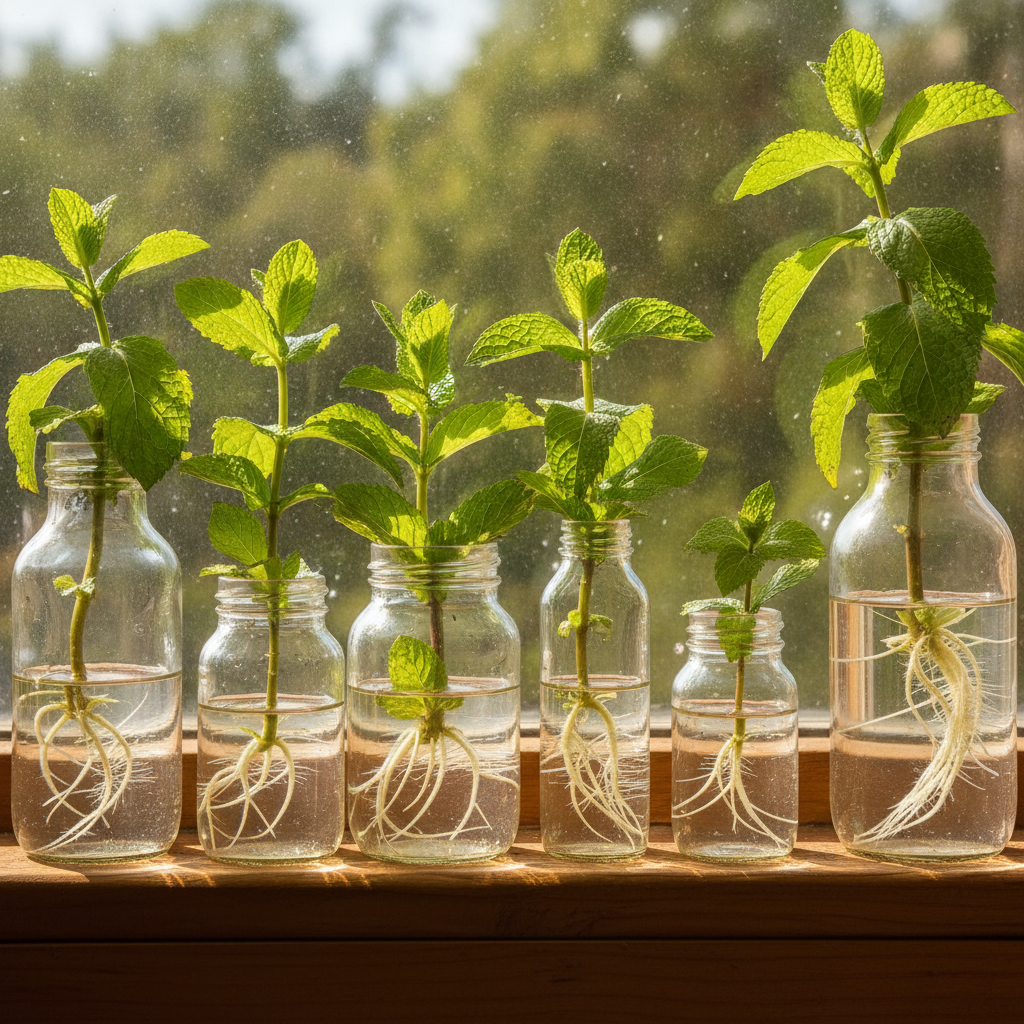
The key to propagating any Plectranthus is the node, the slightly swollen point on the stem where leaves attach. Nodes contain the dormant cells that produce new roots, so every successful cutting must include at least one, and ideally two, buried in water or soil. A cutting without a node cannot root, however healthy the leaf looks, which is why understanding this small piece of anatomy makes all the difference.
Water Propagation: Step-by-Step
Rooting cuttings in water is the most satisfying method because you can watch the roots develop, and with Cuban mint it happens fast.
- Using clean scissors, cut a healthy stem tip 8 to 12 centimetres (3 to 5 inches) long, just below a node.
- Strip the leaves from the lower third of the cutting so no foliage will sit under water.
- Place the cutting in a glass of clean, room-temperature water with at least one bare node submerged.
- Stand it in bright, indirect light and refresh the water every few days to keep it clear.
- Watch for white roots within about one to two weeks; once they reach 3 to 5 centimetres (1 to 2 inches), pot the cutting into a gritty mix.
- Keep the newly potted cutting lightly moist for the first week or two while it adjusts to soil.
Pro Tip — Pot Sooner Rather Than Later: Water-grown roots are brittle and adapt to soil best while young. Move cuttings into compost once the roots are a few centimetres long rather than letting them grow into a long tangle, and they will establish far more smoothly.
Direct Soil Propagation: Step-by-Step
Because Cuban mint roots so readily, you can skip the water stage altogether and start cuttings straight in soil, which avoids the transition shock entirely.
- Take a stem tip 8 to 12 centimetres (3 to 5 inches) long, cutting just below a node, and remove the lower leaves.
- Allow the cut end to dry for an hour or two, which helps guard against rot in the succulent stem.
- Insert the bare node or two into a small pot of moist, gritty cutting compost.
- Firm the mix gently around the stem and place the pot in bright, indirect light.
- Keep the compost barely moist, never wet, and expect roots to establish within two to three weeks as new growth signals success.
Troubleshooting Propagation
| Problem | Likely Cause | Solution |
|---|---|---|
| Cutting rots in water | Leaves left below the waterline, or stale water | Strip lower leaves and change the water every few days |
| Stem goes soft and mushy in soil | Compost too wet, or cut end not dried first | Use a grittier mix, water sparingly and let cuts callus |
| No roots after several weeks | No node submerged, or light too low | Ensure a node is buried and move to brighter light |
| Cutting wilts after potting | Sudden move from water to soil | Keep lightly moist and shaded for a few days to adjust |
Pests & Diseases
The strongly aromatic oils that make Cuban mint useful in the kitchen also make it relatively unappealing to many pests, and a healthy plant in good light is seldom troubled. Most problems that do arise are the result of overwatering or poor air movement rather than an infestation arriving out of nowhere.
That said, no houseplant is immune, and a stressed or crowded Cuban mint can pick up the usual indoor pests. Catching them early, while numbers are low, makes them easy to deal with, so inspect the fuzzy undersides of the leaves now and then where trouble tends to start.
Common Pests
Mealybugs (Pseudococcus species)
Small, soft-bodied insects that look like tufts of white cotton wool, mealybugs tuck themselves into leaf axils and along stems, sucking sap and weakening the plant. On a hairy-leaved plant like this they can hide well, so look closely where leaves meet stems.
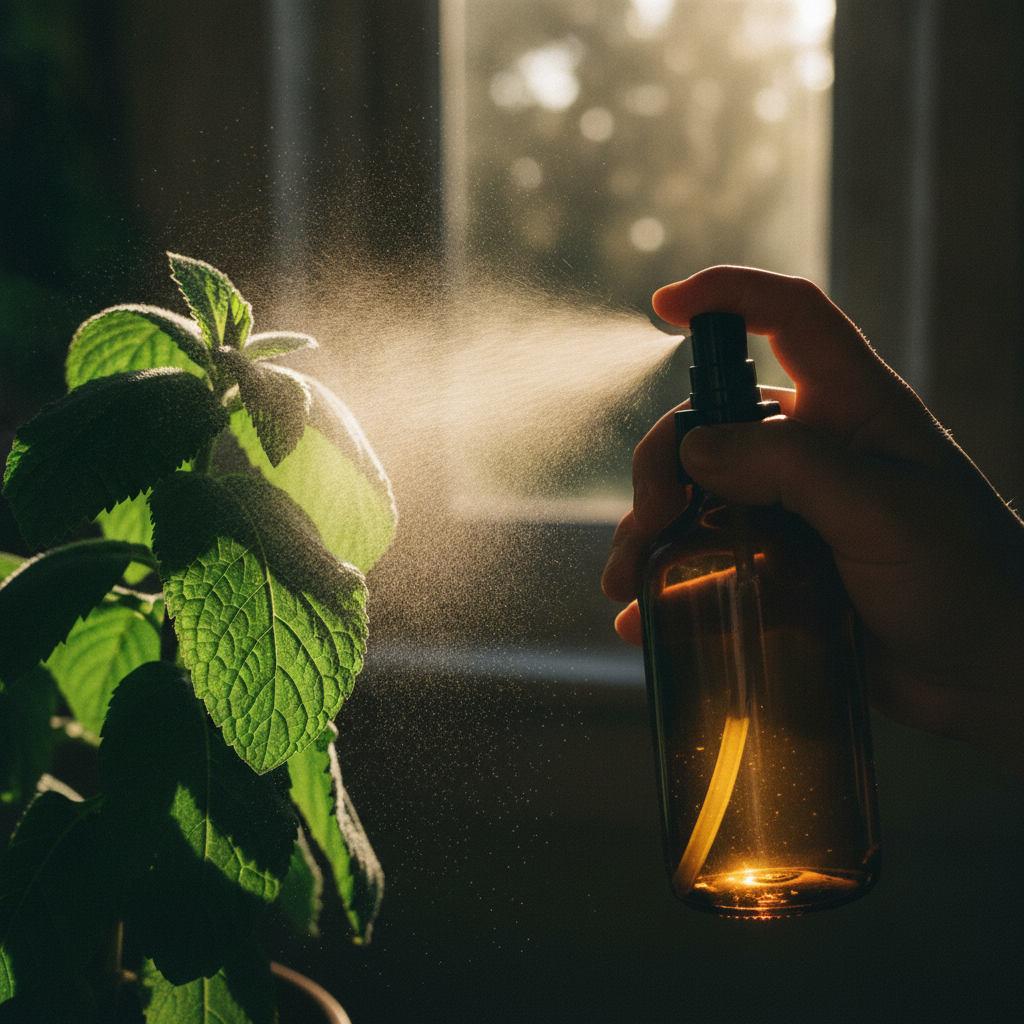
Treatment: Dab each insect with a cotton bud dipped in isopropyl alcohol, then follow up with a neem oil spray every week or two until no new bugs appear. Isolate the plant while you deal with them.
Spider Mites (Tetranychus urticae)
These tiny mites thrive in hot, dry conditions and reveal themselves through fine stippling on the leaves and delicate webbing between stems. They are hard to see individually but the damage accumulates quickly.
Treatment: Rinse the plant to knock populations back, improve air movement, and apply neem oil or an insecticidal soap to the leaf undersides on a repeated cycle until they are gone.
Whitefly (Trialeurodes vaporariorum)
Tiny white flies that rise in a cloud when the plant is disturbed, whitefly cluster on the undersides of leaves and, like mealybugs, feed on sap and excrete sticky honeydew. They are more common on plants grown alongside vegetables or brought in from outdoors.
Treatment: Hang yellow sticky traps to catch the adults and spray the undersides of the leaves with insecticidal soap or neem oil, repeating to break the life cycle.
Common Diseases
Root Rot (Pythium and Phytophthora species)
By far the most serious threat to Cuban mint, root rot follows from soil that stays wet. The roots turn brown and mushy, the stem base blackens and collapses, and the plant wilts even though the soil is damp.
Treatment: Prevention through gritty soil and careful watering is the real answer. If rot has begun, take clean cuttings from the healthy top growth and start again, discarding the affected root ball and its compost.
Fungal Leaf Spot (various fungi)
Dark or water-soaked spots on the leaves, sometimes with a yellow halo, indicate a fungal leaf spot, usually the result of water sitting on the foliage in still, humid air. On a felted-leaf plant this is a real risk if the leaves are repeatedly wetted.
Treatment: Remove affected leaves, stop wetting the foliage, and improve air circulation. Watering only at the soil keeps this problem away almost entirely.
Pest and Disease Summary
| Pest / Disease | Identification | Treatment |
|---|---|---|
| Mealybugs | White cotton-like tufts in leaf axils | Alcohol on a cotton bud, then repeated neem oil |
| Spider mites | Fine stippling and webbing, worse in dry heat | Rinse, raise humidity around it, neem or soap sprays |
| Whitefly | Clouds of tiny white flies, sticky honeydew | Yellow sticky traps and insecticidal soap |
| Root rot | Mushy brown roots, blackened collapsing stem | Re-root healthy tips, discard the affected soil |
| Fungal leaf spot | Dark or water-soaked spots on the leaves | Remove leaves, keep foliage dry, improve airflow |
Prevention Strategies
The best defence is a plant grown well. Bright light, a free-draining mix, careful watering and good air movement together prevent the great majority of the problems described above, since almost all of them take hold on plants weakened by wet roots or stagnant conditions.
Inspect new arrivals before placing them near an established Cuban mint, and quarantine anything suspect for a couple of weeks. A quick weekly look at the leaf undersides while you water lets you spot and squash trouble long before it becomes an infestation.
Pro Tip — Treat in the Evening: If you spray with neem oil, do it in the evening or out of direct sun. Oil on the leaves combined with strong sunlight can scorch the foliage, so an evening application gives the plant time to absorb the treatment safely.
Popular Varieties
Cuban mint is grown in relatively few named forms compared with showier houseplants, but the ones in circulation are distinct enough to be worth seeking out. The choice largely comes down to whether you want the plain green culinary workhorse or one of the decorative variegated selections that double as a foliage plant.
All of them share the same easy care and the same aromatic leaves, so you can grow whichever appeals without any change in routine. The variegated forms are a little slower and slightly hungrier for light to keep their markings, but otherwise behave identically to the species.
| Variety | Leaf Appearance | Light Needs | Growth Rate | Availability |
|---|---|---|---|---|
| Green species form | Solid grey-green, fuzzy, scalloped | Bright | Fast | Common |
| Variegatus | Grey-green centre with cream margins | Very bright | Moderate | Common |
| Well Sweep Wedgwood | Broad, showy cream-and-green variegation | Very bright | Moderate | Occasional |
| Variegated (broad-margin) | Wide, irregular white margins | Very bright | Moderate | Occasional |
Featured Varieties
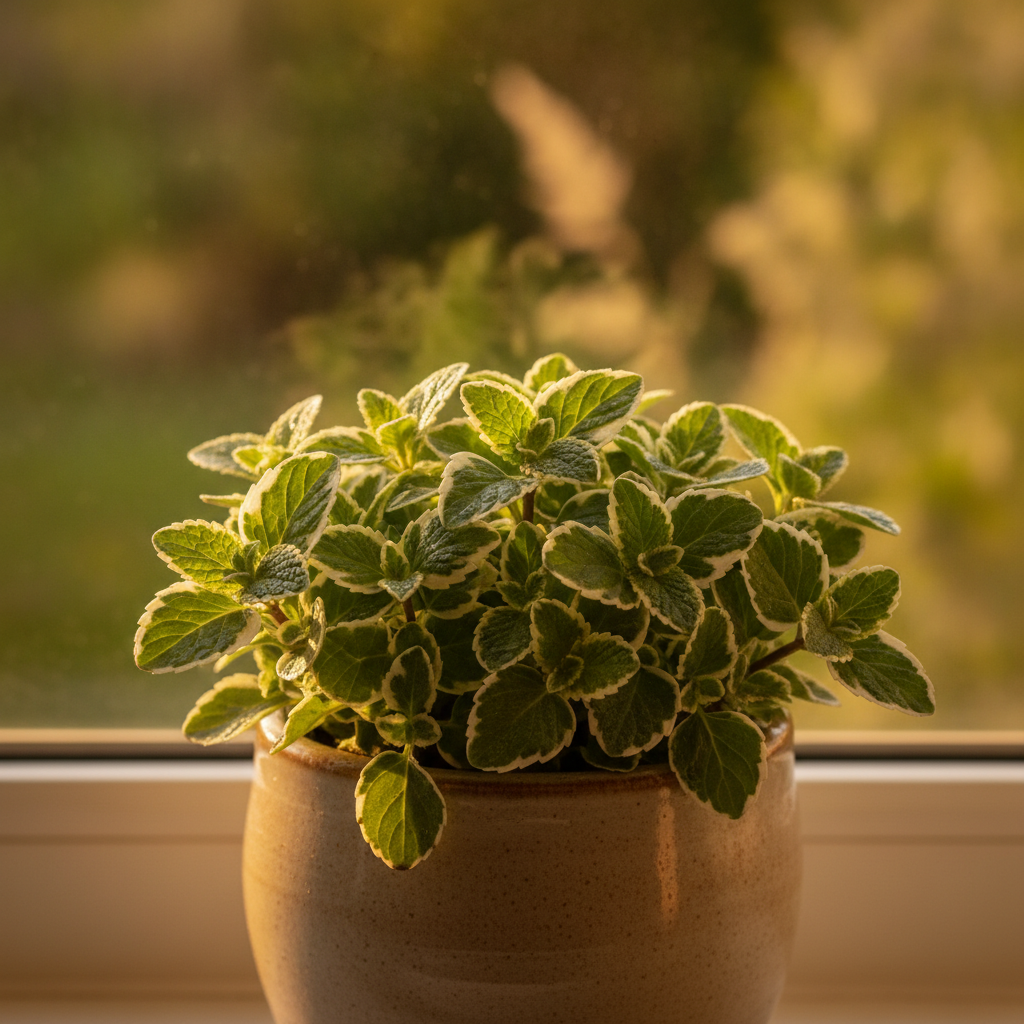
Variegatus
The best-known decorative form, carrying the same plump aromatic leaves edged in irregular creamy-white margins around a grey-green centre. It brings a brighter, more ornamental look to a windowsill while remaining fully usable in the kitchen, though it needs strong light to keep its variegation crisp.
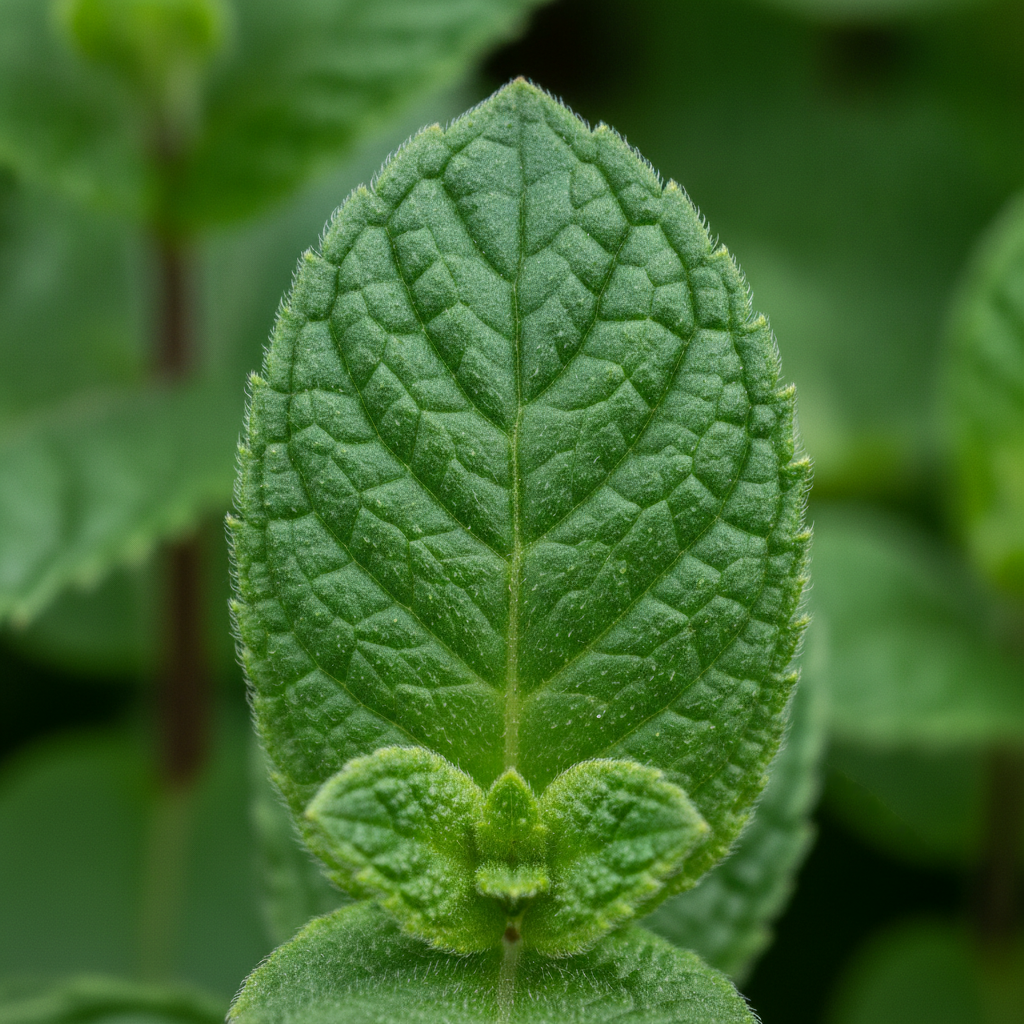
Green Species Form
The classic culinary Cuban mint, with solid grey-green, fuzzy, fleshy leaves and the strongest scent of the group. It is the fastest grower and the easiest to find, and it is the form most cooks reach for as an oregano substitute.
Variety Profiles in Detail
Green Species Form (Plectranthus amboinicus)
The unimproved species is the one to grow if flavour and vigour matter most. Its thick, uniformly grey-green leaves hold the highest concentration of aromatic oils, and it grows so quickly that a single cutting fills a pot in a season. For anyone growing Cuban mint primarily to cook with, this is the default choice.
Variegatus (Plectranthus amboinicus ‘Variegatus’)
The variegated selection trades a little vigour for a great deal of ornamental appeal. Its cream-margined leaves brighten a shelf and give the plant a more decorative presence, at the cost of slightly slower growth and a stronger demand for light to prevent the markings fading. Grown well, it is one of the most attractive small foliage plants you can keep on a sunny sill.
Choosing the Right Variety for Your Space
If your main aim is cooking, choose the plain green species for its flavour and fast growth. If you want a plant that looks good as much as it performs, and you can offer a really bright spot, one of the variegated forms will reward you with brighter foliage. Whichever you pick, the care is the same, so many growers end up keeping both: a workhorse for the kitchen and a variegated form for show.
Frequently Asked Questions
Can you eat Cuban mint?
Yes. Cuban mint is a genuine culinary herb, used across the Caribbean, India and Southeast Asia as a robust substitute for oregano. The flavour is strong and savoury, so use it more sparingly than you would soft herbs like basil. It stands up well to cooking and is often used in meat dishes, soups and stuffings.
Why does my Cuban mint not smell of anything?
Weak scent almost always means too little light. The aromatic oils that give the plant its oregano fragrance are produced in strength only in bright conditions, so a plant kept in a dim spot grows larger, thinner, greener leaves with little smell. Move it somewhere much brighter and the aroma of new growth will return.
Why is my Cuban mint leggy and floppy?
Legginess is caused by insufficient light, overfeeding, or both, which push soft, stretched stems. Give the plant more light and pinch out the growing tips regularly to encourage branching. The stems you remove root easily, so nothing is wasted, and the parent grows back bushier.
How often should I water Cuban mint?
Only when the top third of the soil has dried out, which in practice means roughly once or twice a week in warm bright conditions and much less in winter. Because the plant stores water in its leaves, it is far safer to water too little than too much. Let the soil, not a calendar, tell you when.
Should I pinch or prune it?
Yes, regular pinching is the secret to a good-looking plant. Nipping out the growing tips every few weeks keeps the plant dense and bushy rather than sprawling, and it conveniently supplies both cuttings for propagation and leaves for the kitchen. The more you harvest, within reason, the better the plant looks.
Is Cuban mint safe around pets?
It is not among the most dangerous houseplants, but its concentrated aromatic oils can cause mild vomiting or diarrhoea in cats and dogs that eat a quantity of the leaves. It is sensible to keep it out of reach of pets that graze on plants, and to contact a vet if a large amount has been eaten.
Can Cuban mint grow outdoors?
In warm, frost-free climates it grows happily outdoors year-round in a sunny, well-drained spot. In cooler regions it is best treated as a tender container plant that spends summer outside and comes indoors before the first frost, since it is damaged by temperatures below around 10 degrees C (50 degrees F).
Why are the lower leaves turning yellow?
A few yellowing lower leaves on an otherwise healthy plant are normal ageing. Widespread yellowing, especially with soft stems and wet soil, points to overwatering and the beginnings of root rot. Check the soil moisture and the firmness of the stem base, ease off watering, and improve drainage if the compost stays wet.






