
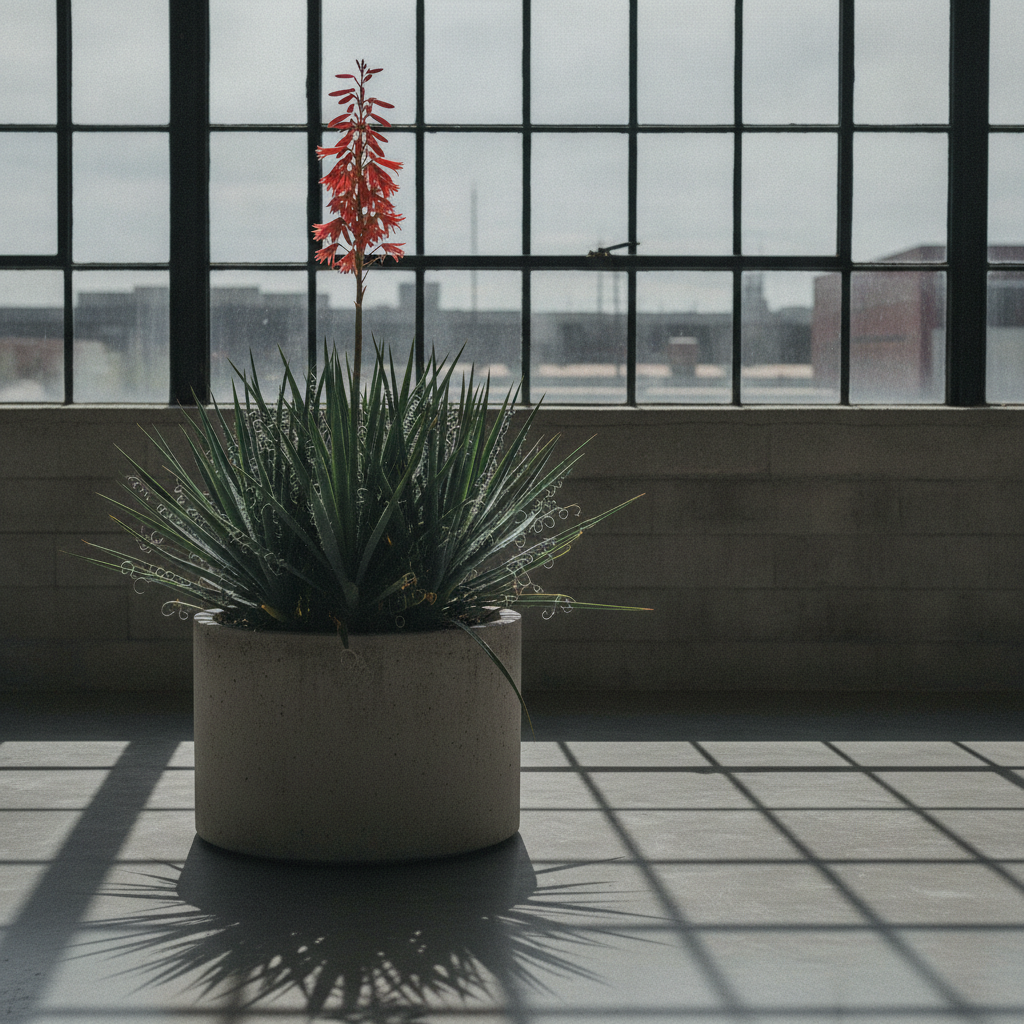
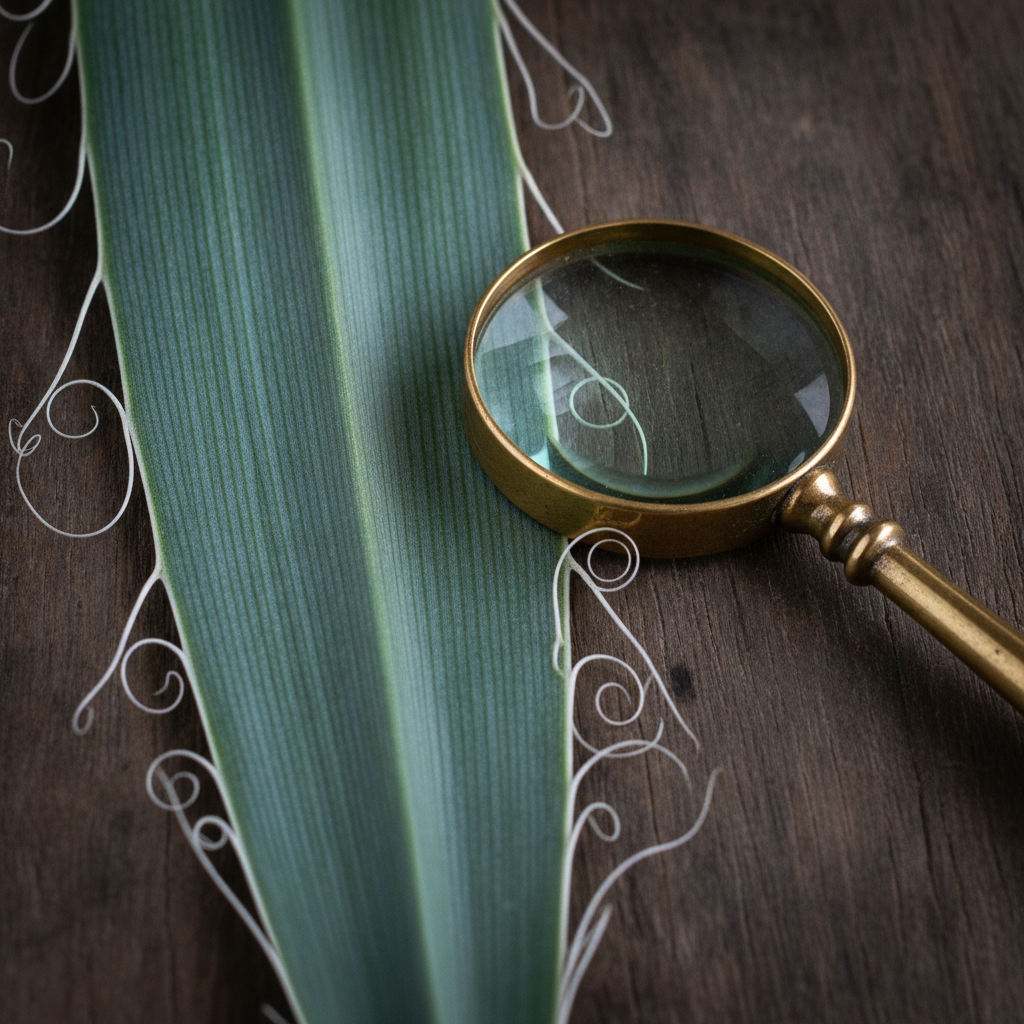
Few plants reward benign neglect quite so generously as the red yucca (Hesperaloe parviflora). Despite its common name it is neither a true yucca nor an agave, but a member of the asparagus family, the Asparagaceae, grown for its fountain of narrow, blue-green, semi-succulent leaves and the tall wands of coral-red tubular flowers that rise above them from late spring well into autumn. Native to the Chihuahuan Desert of west Texas and the neighbouring Mexican states of Coahuila, Nuevo León and Tamaulipas, it is built for scorching sun, poor soil and long stretches without rain. The curling white threads that peel from its leaf margins are a signature detail that distinguishes it at a glance from the stiffer, sharper true yuccas.
Red yucca has a reputation as one of the most forgiving ornamental plants you can grow, and that reputation is well earned. It shrugs off heat, drought, frost and pests with equal indifference, and a healthy clump can live for decades with barely any intervention. That toughness, though, comes with one firm condition: it wants light, and lots of it. This guide walks through everything that separates a red yucca that merely survives from one that thrives and flowers freely, covering light, watering, soil, feeding, propagation, pests and the most popular varieties, whether you are growing it in an open xeriscape bed or in a container on a bright, sunny patio.
Contents
- Quick Reference
- Why Red Yucca Makes a Striking Houseplant
- Light Requirements
- Watering & Humidity
- Soil, Potting & Repotting
- Fertilising
- Propagation
- Pests & Diseases
- Popular Varieties
- Frequently Asked Questions
Quick Reference: Red Yucca at a Glance
| Light | Full sun, the brightest position available; a minimum of 6 hours of direct sun to flower |
| Watering | Sparingly; allow the soil to dry out completely between waterings, roughly every 2 to 3 weeks in growth and far less in winter |
| Temperature | Thrives from 18 to 35°C (64 to 95°F); hardy down to about -20°C (-4°F) once established |
| Humidity | Low; dry air is ideal and high humidity is a liability |
| Fertiliser | Minimal; one light feed in spring is plenty, none in winter |
| Toxicity | Generally regarded as non-toxic to cats, dogs and people, though the plant is not edible |
Why Red Yucca Makes a Striking Houseplant
The appeal of red yucca is a study in contrasts. At rest it is architectural and restrained, an evergreen mound of arching, grass-like blades that hold their form through every season without dropping leaves or needing to be tidied. Then, for months on end, it throws up slender flower spikes taller than the foliage itself, hung with waxy coral-red bells that sway on the slightest breeze and pull in hummingbirds, orioles and bees. In its native range it is a keystone plant for pollinators, and even as an ornamental far from the desert it brings that same long, generous bloom season. Very few plants combine such extreme toughness with such a long and lively display.
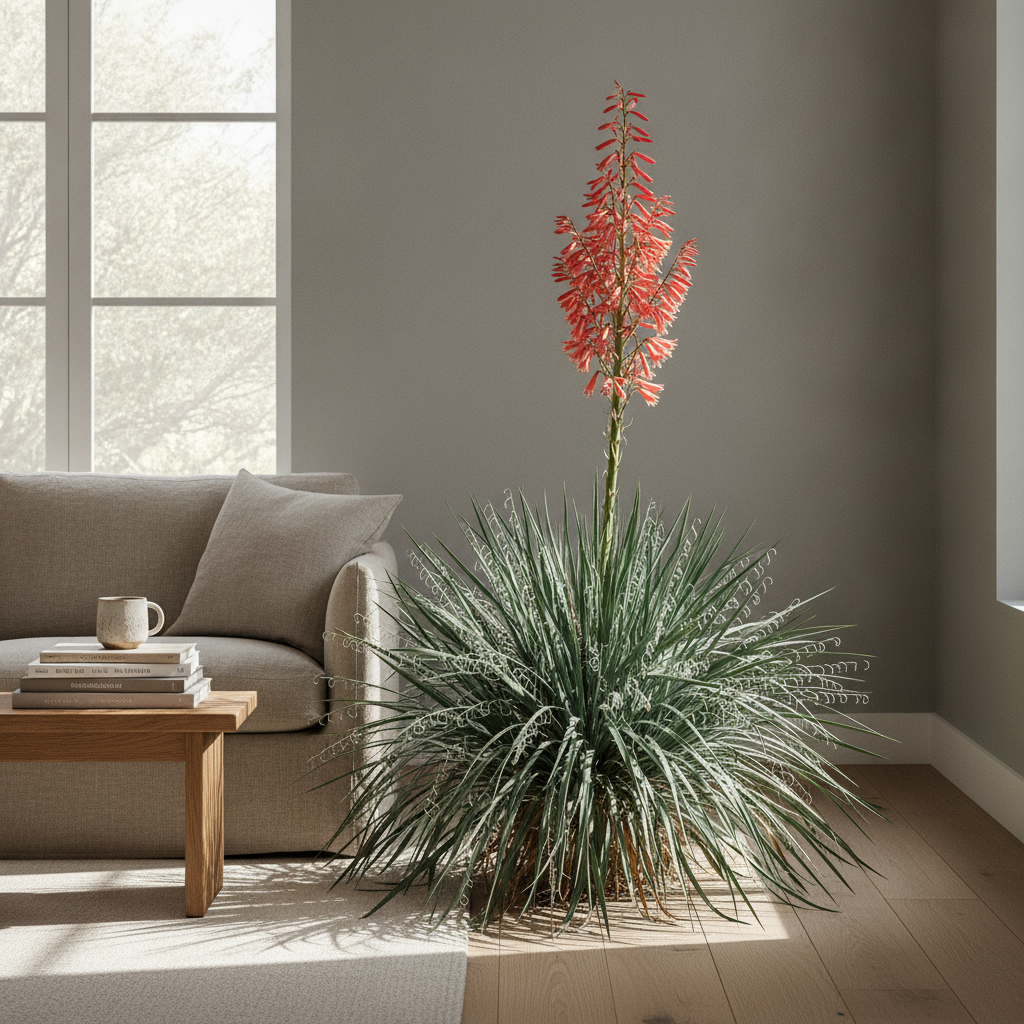
For the indoor and container grower, the honest picture is that red yucca is really a sun-worshipping outdoor plant that can be kept in a pot, rather than a conventional houseplant. It will not flower in a dim corner, and it resents the damp, still air of a typical living room. Grown on a bright, sunny balcony, in a conservatory drenched in light, or in a container that summers outdoors and only comes under cover to dodge the worst wet of winter, it becomes an easy, sculptural and near-indestructible companion. Match its love of light and its hatred of soggy roots, and it asks for almost nothing else.
Important — Toxicity: Red yucca is generally considered non-toxic to cats, dogs and humans, and it does not appear on the main lists of plants known to poison pets. It is not, however, a food plant, and the tough, fibrous leaves end in a firm point, so site containers where curious pets and small children are unlikely to blunder into the foliage.
Light Requirements
If there is a single factor that determines success or failure with red yucca, it is light. This is a desert plant adapted to the unfiltered glare of the Chihuahuan Desert, where it grows in open, exposed ground with nothing overhead to shade it. Indoors or on a patio, it needs the very brightest position you can offer, and there is almost no such thing as too much sun for an established plant.
To flower, red yucca wants at least six hours of direct sun each day, and ideally more. With good light it stays compact, its leaves take on their attractive blue-grey cast, and it sends up spike after spike through the warm months. Starved of light it survives but sulks: the foliage stretches, softens and greens up, the clump grows lax and floppy, and flowering stops altogether. A plant that has never bloomed indoors is almost always telling you it needs to be somewhere brighter.
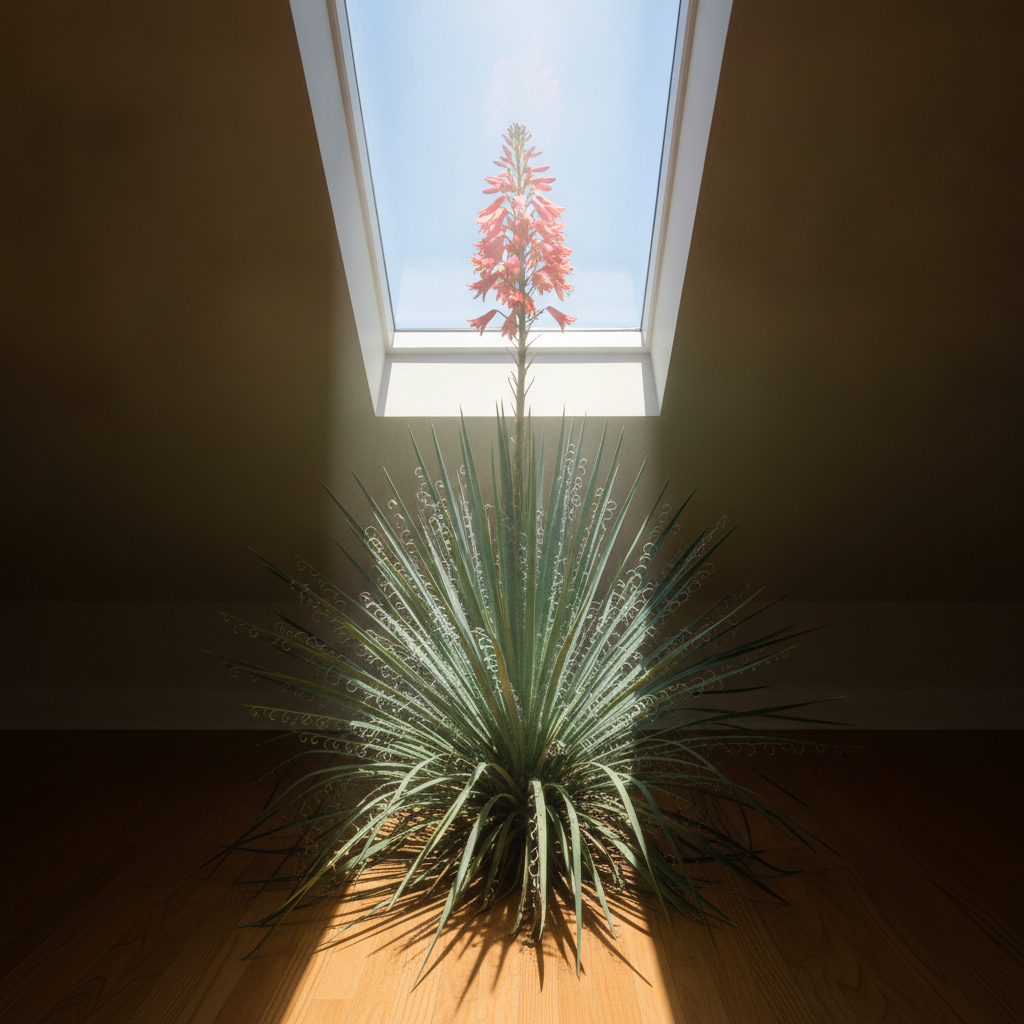
Light Levels Explained
The table below sets out how red yucca responds across the range of light levels found in and around the home. Unlike most houseplants, its sweet spot sits firmly at the top of the scale.
| Light Category | Approx. Level | Typical Location | Outcome |
|---|---|---|---|
| Direct sun | Over 50,000 lux | Outdoors in the open, unobstructed south-facing sill | Ideal; compact form, blue-grey leaves, free flowering |
| Bright indirect | 10,000 to 25,000 lux | Just inside a large sunny window | Healthy foliage but sparse to no flowering |
| Medium | 5,000 to 10,000 lux | A few metres back from a bright window | Slow, stretched growth; no bloom |
| Low | 1,000 to 5,000 lux | North-facing room, interior wall | Gradual decline, weak floppy leaves |
| Very low | Under 1,000 lux | Dim corner, windowless space | Unsustainable; the plant will fail over time |
Window Orientation and Placement
South-facing window: This is the only orientation that consistently satisfies red yucca indoors in the northern hemisphere. Place it as close to the glass as possible and it will bask happily. In a bright conservatory or garden room, a south aspect can even coax it into flower under cover.
West-facing window: A strong second choice. The intense afternoon and evening sun of a west window suits red yucca well and can be enough to support blooming, especially in summer.
East-facing window: Workable for keeping the plant alive and in good foliage, but the gentler morning light rarely delivers enough energy for reliable flowering. Expect a handsome plant rather than a floriferous one.
North-facing window: Not suitable. A north aspect simply cannot supply the light this desert plant needs, and a red yucca kept there will slowly stretch and weaken. If a north room is your only option, plan on supplementary grow lights or, better, an outdoor summer holiday in full sun.
Pro Tip — Summer Outdoors: The single most effective thing you can do for a container red yucca is to move it outside into full sun for the warm months. A summer in the open builds a compact, well-coloured plant and does more to trigger flowering than any amount of fussing indoors. Acclimatise it over a week or two so the leaves do not scorch after a spell behind glass.
How Light Affects Leaf Colour and Flowering
Light does more than keep red yucca alive; it shapes how it looks. In strong sun the leaves develop their characteristic waxy blue-grey coating, a natural sunscreen that also gives the plant much of its ornamental value. In weaker light that coating thins and the foliage reverts to a plainer green, while the leaves lengthen and soften as the plant reaches for brightness. Flowering, likewise, is entirely light-driven: the tall coral spikes are a response to abundant sun and warmth, so a plant that never blooms is almost always under-lit rather than unwell.
Warning — Direct Sunlight: Red yucca thrives in direct sun, but a plant that has spent months indoors or under glass can still scorch if thrust straight into fierce midday light. Move it out gradually over a couple of weeks, starting with morning sun, to let the leaves toughen and avoid pale, bleached patches.
Artificial Lighting
Because red yucca demands so much light, ordinary indoor conditions rarely suffice through a dark winter, and grow lights can bridge the gap. Choose a powerful full-spectrum LED and position it close, running it for 12 to 14 hours a day. Artificial light is generally enough to keep the plant healthy and compact over winter, though matching the sheer intensity needed to trigger flowering with lamps alone is difficult. Treat grow lights as a way to hold the plant in good condition until the sun returns rather than a full substitute for it.
Seasonal Adjustments
As the days shorten, red yucca slows almost to a standstill and its light needs, though still high, become easier to meet because you are also watering far less. Keep it in the brightest available spot through winter and resist the urge to compensate for gloom with extra water, which is far more dangerous in the cold months. When spring arrives, ramp light and water back up together, and begin hardening the plant off for its move outdoors as soon as the risk of hard frost has passed.
Watering & Humidity
Watering is where most red yuccas are lost, and almost always through kindness. This is a plant that stores moisture in its thick, semi-succulent leaves and roots and is built to endure long droughts. In cultivation the commonest cause of death by far is overwatering, so the guiding principle is simple: when in doubt, do not water.
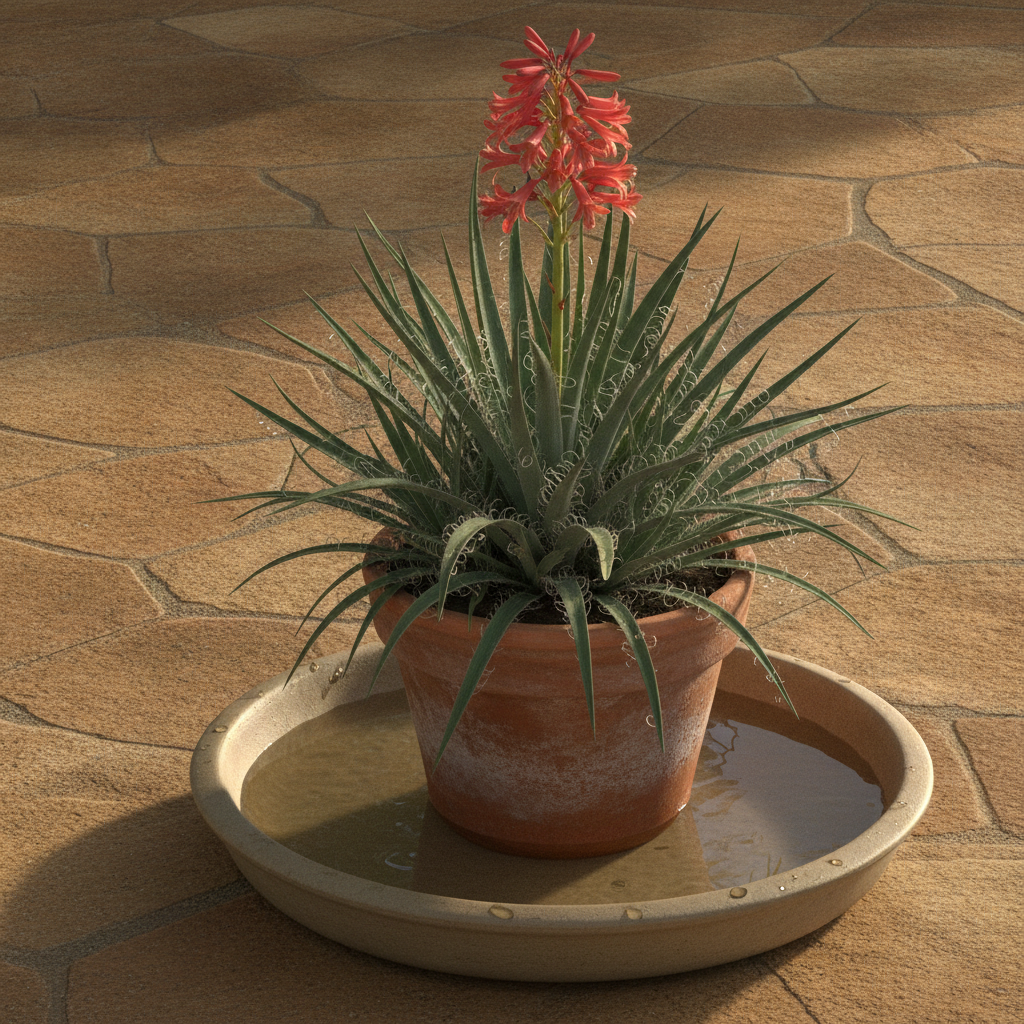
When to Water
Let the potting mix dry out completely before watering again. In the warm growing season that usually means watering a container plant roughly every two to three weeks, though the exact interval depends on pot size, heat and how much sun the plant is getting. The reliable test is to push a finger deep into the soil, or lift the pot: if any moisture remains or the pot still feels heavy, wait. Established plants in the ground may need no supplementary water at all once their roots reach down.
In autumn and winter, when growth halts, cut back hard. A container red yucca may want water only once every four to six weeks in winter, and a plant kept cold should be kept almost bone dry, since cold, wet compost is the perfect recipe for root rot. It is far safer to let a red yucca thirst than to keep it damp.
Pro Tip — The Soak and Dry Method: When you do water, water thoroughly. Drench the mix until it runs freely from the drainage holes, then let it dry out entirely before the next drink. This mimics the desert pattern of an occasional heavy downpour followed by a long dry spell and encourages a deep, resilient root system.
How to Water Correctly
- Check first that the soil is dry all the way through; if it is not, put the watering can down and wait.
- Water the soil directly at the base of the plant, keeping the leaf crown and centre of the rosette dry to avoid rot.
- Apply water slowly and evenly until it drains freely from the bottom of the pot.
- Let the pot drain fully and never leave it standing in a saucer of water.
- Tip away any water that collects in the drip tray within a few minutes.
- Wait until the mix is completely dry again before repeating.
Signs of Overwatering vs. Underwatering
| Symptom | Overwatering | Underwatering |
|---|---|---|
| Leaf colour | Yellowing, then browning from the base outward | Dull grey-green, fading slowly overall |
| Leaf texture | Soft, mushy, translucent at the base | Thin, wrinkled, folded lengthwise |
| Soil | Stays wet for days, may smell sour | Bone dry, pulling away from the pot sides |
| Roots | Brown, soft and foul-smelling | Dry and papery but otherwise firm |
| Crown / base | Blackened, collapsing at soil level | Firm, simply limp and thirsty |
Warning — Root Rot: A soft, darkening base and leaves that pull away with a gentle tug are signs of root rot, the near-inevitable result of soggy soil. Unpot the plant at once, cut away every brown or mushy root and any collapsed tissue with clean tools, let the wounds dry for a day or two, and replant into fresh, sharply draining mix. Recovery is possible only if firm, healthy tissue remains.
Humidity Requirements
Red yucca likes its air dry. Coming from an arid climate, it has no need of the raised humidity that many tropical houseplants crave, and it is perfectly content in the dry indoor air that leaves ferns and calatheas crisping at the edges. Average household humidity of 30 to 50 per cent suits it well, and lower is no problem.
Persistently high humidity, by contrast, is a genuine risk. Damp, stagnant air encourages fungal problems on the foliage and slows the drying of the soil, compounding the danger of rot. If you grow red yucca in a humid room or a closed conservatory, prioritise good airflow.
There is never any need to mist a red yucca, and doing so is counterproductive. Sitting water on the leaves and in the crown invites exactly the rot the plant is otherwise so good at avoiding. Leave the misting bottle for your tropicals.
Water Quality
Red yucca is undemanding about water quality and tolerates hard tap water without complaint, a reflection of the mineral-rich desert soils it evolved in. Rainwater is fine too, but there is no need to seek it out. The far more important variable is quantity and frequency, not what comes out of the tap. As with all container plants, an occasional thorough flush helps wash out any mineral or fertiliser salts that build up in the mix over time.
Soil, Potting & Repotting
Sharp drainage is the second half of the red yucca survival equation, working hand in hand with careful watering. The plant will forgive poor, stony, nutrient-thin ground of exactly the sort that defeats fussier ornamentals, but it will not forgive a mix that holds water around its roots. Get the growing medium right and most other problems simply never arise.
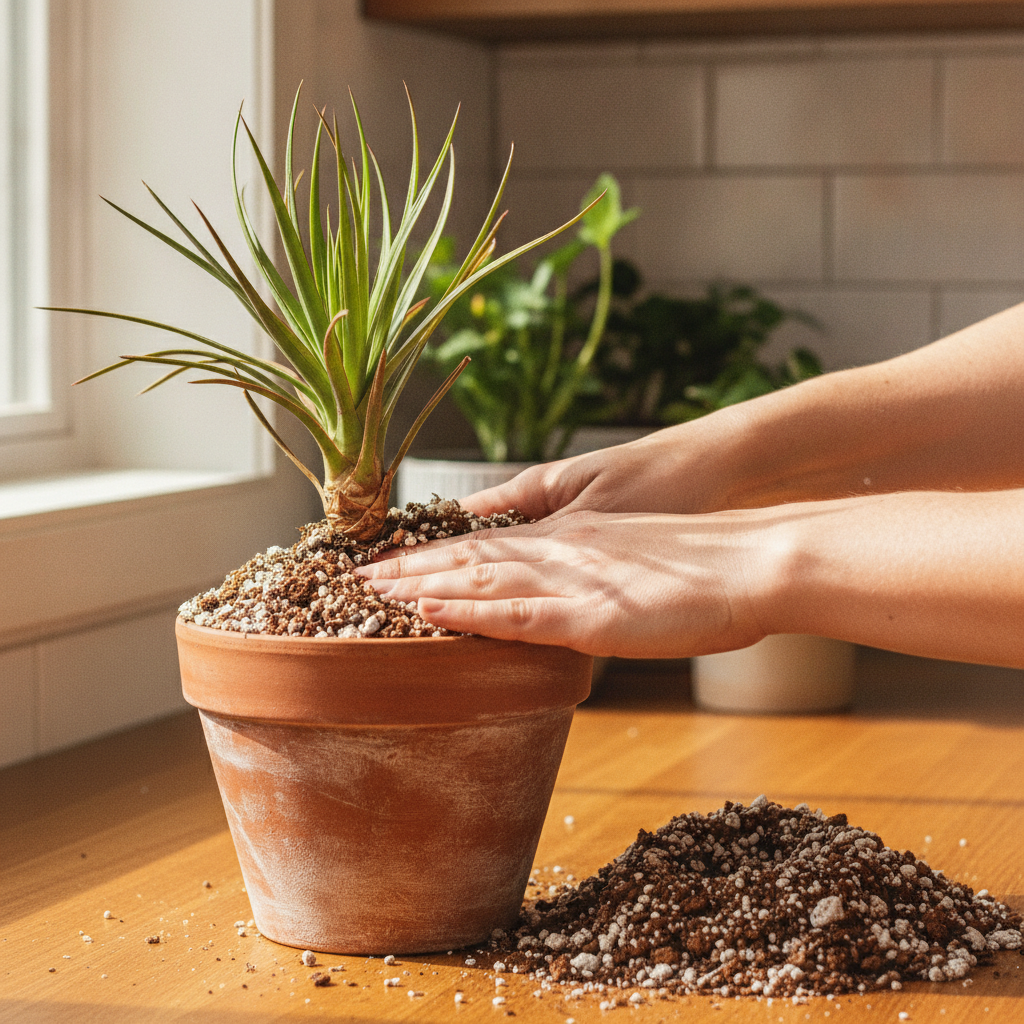
Ideal Soil Composition
Aim for a lean, gritty, fast-draining medium along the lines of a cactus and succulent mix. The goal is a substrate that wets through when you water and then dries quickly and completely, holding no reservoir of moisture around the roots. Rich, moisture-retentive potting compost is entirely the wrong choice and should be cut heavily with grit.
| Component | Proportion | Function |
|---|---|---|
| Cactus or succulent compost | 50% | Base medium with light structure and modest nutrients |
| Coarse grit or sharp sand | 25% | Opens the mix and speeds drainage |
| Pumice or perlite | 25% | Creates air pockets and prevents compaction |
Red yucca is unfussy about pH and grows well in anything from mildly acidic to distinctly alkaline soil, comfortably spanning a pH of about 6.0 to 8.0. This tolerance of alkaline, limey conditions is one reason it succeeds where many ornamentals struggle, and it means you can use ordinary tap water and standard mixes without worrying about acidity.
Pro Tip — Quick Mix Recipe: For a reliable container blend, combine two parts of a bagged cactus and succulent compost with one part coarse horticultural grit and one part pumice. Top the surface with a layer of gravel or grit to keep the crown dry and set the plant off handsomely.
Choosing the Right Pot
The container matters almost as much as the mix inside it. Red yucca develops a substantial, slightly fleshy root system and, in time, a broad clump, so it appreciates a pot with some weight and stability, particularly once the tall flower spikes catch the wind.
Drainage holes are non-negotiable. Never plant a red yucca in a pot without generous drainage. If you love a decorative cachepot that has no holes, use it only as an outer sleeve and keep the plant in a functional inner pot that can drain freely and be emptied.
Pot material: Unglazed terracotta is close to ideal, because its porous walls wick moisture out of the mix and let it breathe, exactly what this rot-prone plant wants. Terracotta also adds ballast, helping counterbalance the top-heavy flower stems. Glazed ceramic and plastic will work if you are disciplined about watering, but they hold moisture longer.
Pot size: Choose a container only a little larger than the root ball. Red yucca is slow-growing and actively prefers to be somewhat snug, whereas an oversized pot holds a large volume of slow-drying soil that raises the risk of rot. Pot up gradually, a single size at a time.
When to Repot
Repot infrequently. As a slow grower that tolerates crowded roots, red yucca typically needs moving only every three to four years, or when roots are pushing out of the drainage holes, the clump is straining against the pot, or the old mix has broken down and no longer drains. The best time is spring, as the plant moves back into active growth and can recover quickly. Avoid repotting a plant in bud or full flower, and never repot in the depths of winter.
How to Repot: Step-by-Step
- Water lightly a day or two beforehand so the root ball holds together, then let the surface dry.
- Wearing gloves to guard against the firm leaf tips, ease the plant out by tipping the pot and supporting the base of the clump.
- Gently tease away the old, spent mix and inspect the roots, trimming any that are brown, soft or rotten with clean tools.
- Choose a pot just one size larger with ample drainage, and add a layer of fresh gritty mix to the bottom.
- Set the plant at the same depth it sat before, never burying the crown, and fill around the roots with fresh mix, firming gently.
- Top-dress with grit, then wait about a week before the first watering to let any disturbed roots heal.
Warning — Transplant Shock: Red yucca dislikes root disturbance and may pause visibly after repotting. Keep the freshly potted plant in bright light but hold off on water for several days, and do not feed until you see new growth. Resist the temptation to water it heavily to help it settle; dry roots recover, rotting ones do not.
Fertilising
Red yucca is adapted to lean desert soils and needs very little feeding. In the wild it grows perfectly well in ground that would starve most garden plants, and in cultivation it is far easier to over-feed than to under-feed. A modest hand with fertiliser produces a compact, well-coloured plant that flowers on cue.
Overfeeding, on the other hand, pushes soft, lush leaf growth at the expense of flowers and can leave the plant lax and prone to problems. Think of feeding as an occasional light supplement rather than a routine, and always err on the side of less.
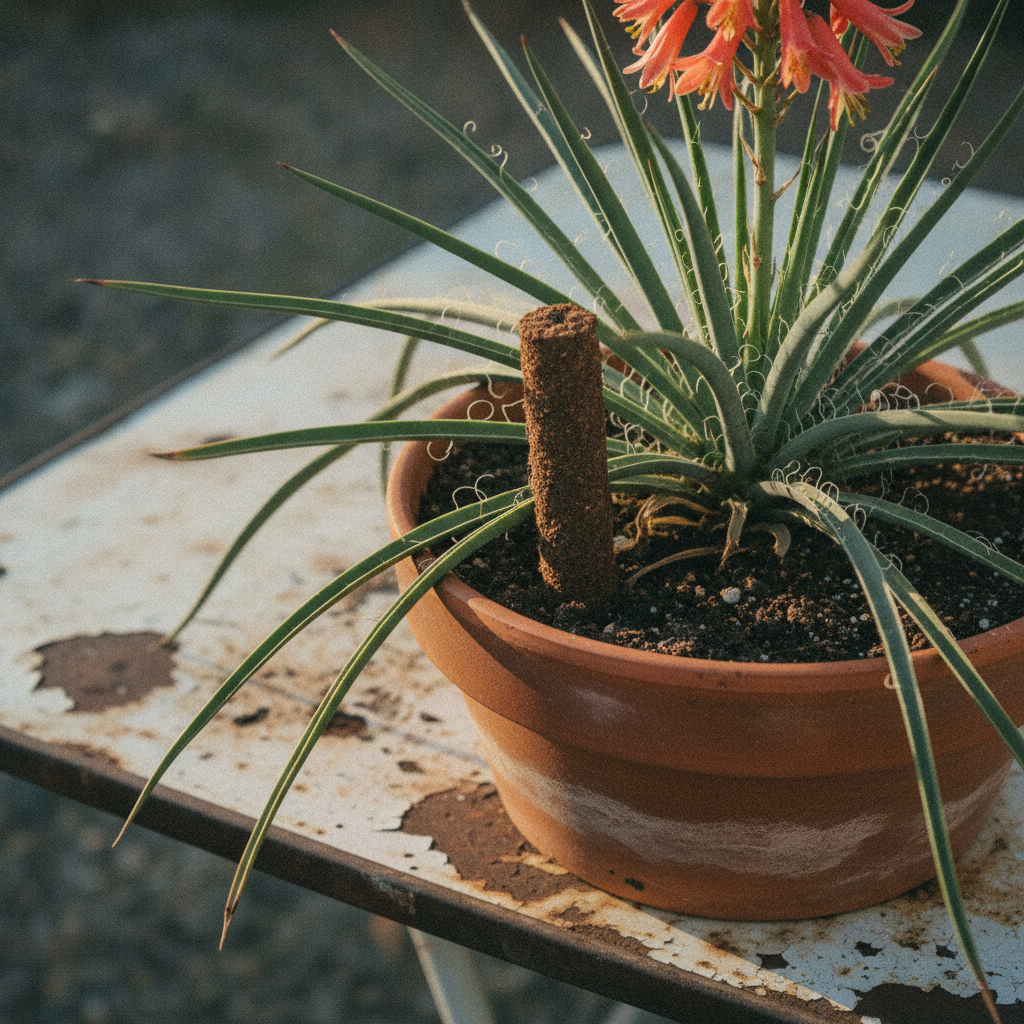
Understanding Plant Nutrients
The three numbers on a fertiliser label give the ratio of nitrogen, phosphorus and potassium, the primary nutrients plants use in the greatest quantity. For a flowering desert plant like red yucca, a balanced or slightly phosphorus-leaning feed at low strength supports blooms without forcing excess foliage. The table below summarises what each of the main nutrients does and how a shortage shows itself.
| Nutrient | Symbol | Primary Function | Deficiency Symptoms |
|---|---|---|---|
| Nitrogen | N | Leaf and stem growth, green colour | Pale, yellowing older leaves, weak growth |
| Phosphorus | P | Root development and flowering | Poor flowering, dull, stunted growth |
| Potassium | K | Overall vigour, drought and stress tolerance | Browning leaf tips and margins |
| Calcium | Ca | Cell wall strength | Distorted new growth, weak tissue |
| Magnesium | Mg | Core of the chlorophyll molecule | Yellowing between the veins of older leaves |
| Iron | Fe | Chlorophyll production | Yellowing between the veins of new leaves |
Types of Fertiliser
Liquid fertilisers: A balanced liquid feed diluted to half strength, or a dedicated cactus and succulent formula, is the easiest way to give red yucca a controlled boost. Because you mix it fresh each time, you can keep the dose deliberately light and stop the moment the growing season ends.
Slow-release granular: A small amount of slow-release feed worked into the surface in spring suits this plant’s low-maintenance nature, releasing a trickle of nutrients over months. Use less than the packet suggests, since the label rates assume hungrier subjects.
Organic fertilisers: A light top-dressing of worm castings or a diluted organic feed in spring works perfectly well and is gentle enough that the risk of over-feeding is low. Organic options release slowly and improve the soil as they break down.
Feeding Schedule
For red yucca, less is genuinely more. A single light feed in spring is enough to carry the plant through its whole flowering season; at most, feed once more in early summer. Never feed in autumn or winter, when the plant is dormant and unable to use the nutrients, and never feed a plant that is dry, stressed or newly repotted. If you forget to feed at all in a given year, the plant will scarcely notice.
Pro Tip — Half Strength Is Plenty: Whatever feed you choose, dilute it to half the recommended rate or less. Desert plants are far more easily harmed by too much fertiliser than too little, and a weak, occasional feed gives you all the flowers with none of the soft, floppy growth that overfeeding produces.
How to Fertilise
- Feed only during the spring and early summer growing season, never in autumn or winter.
- Water the plant lightly first if the mix is bone dry, so the feed does not scorch dry roots.
- Mix a balanced or cactus fertiliser to half strength, or less.
- Apply it to the soil, keeping fertiliser off the leaves and out of the crown.
- Flush the pot with plain water every few months to clear any salt build-up.
Warning — Salt Build-Up: Fertiliser salts accumulate in container soil and can burn the roots, showing as brown, crisping leaf tips. If you see a white crust on the soil or pot, leach the mix by flushing it with a large volume of plain water until it runs clear from the drainage holes, and ease off on feeding.
Propagation
Red yucca is propagated in two dependable ways: by division of an established clump and by seed. It cannot be grown from leaf or stem cuttings the way many houseplants can, because its growth points sit at the crown rather than along the leaves, so do not waste a leaf trying to root one. Division is the quickest route to a new plant of known quality, while seed is the way to raise larger numbers, albeit slowly.
Both methods call for patience. This is not a fast plant at any stage of its life, and a division or seedling takes time to bulk up and reach flowering size. The reward is a tough, long-lived plant that, once established, will outlast far more demanding companions.
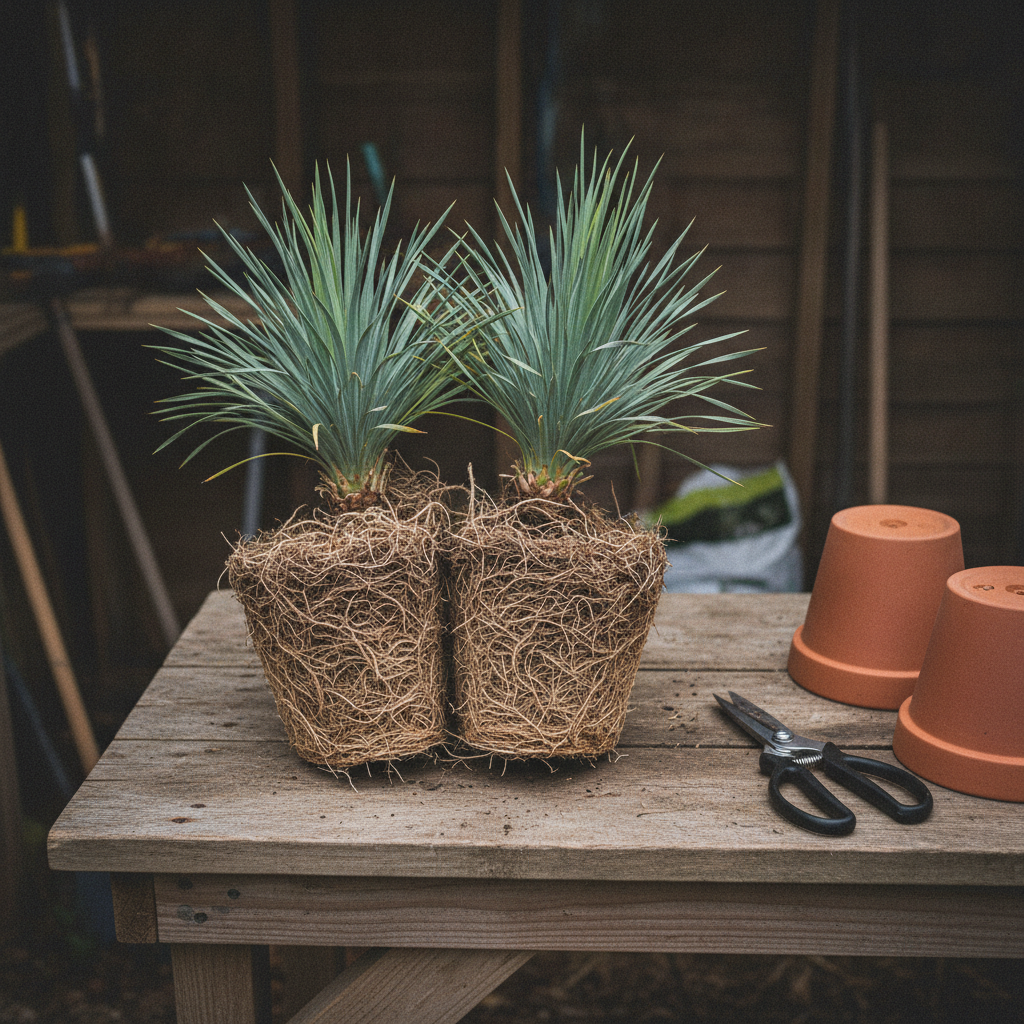
Understanding the Crown and Offsets
A red yucca grows as a clump of rosettes arising from a woody crown at soil level. Over the years the crown broadens and produces additional growth points, or offsets, around its edge, each capable of becoming an independent plant once it has its own roots. Recognising these separate crowns is the key to dividing the plant successfully, since a clean division that carries both foliage and a healthy share of roots establishes far more readily than a rootless fragment.
Division: Step-by-Step
Division is best done in spring, when the plant is entering active growth and can recover quickly. It suits mature, congested clumps that have several distinct crowns.
- Water lightly a day beforehand, then lift the whole plant from its pot or, if in the ground, dig widely around it to preserve as much root as possible.
- Shake and tease away the soil so you can see where the separate crowns and their roots divide.
- Using a clean, sharp knife or spade, cut the clump into sections, making sure each piece has both healthy foliage and a good portion of roots.
- Let the cut surfaces dry and callus for a day or two in a shaded, airy spot to guard against rot.
- Pot each division into fresh gritty mix at its original depth, keeping the crown proud of the soil.
- Wait about a week before watering, then treat the divisions as established plants.
Pro Tip — Let the Cuts Callus: The single most important step in dividing red yucca is to let the cut surfaces dry and seal over before potting. Planting a fresh wound straight into moist soil is an open invitation to rot. A day or two in the shade to callus dramatically improves the odds of success.
Growing from Seed: Step-by-Step
If your plant flowers and sets seed, you can raise new red yuccas from the black seeds held in its dry capsules. It is slower than division but lets you produce many plants at once. Note that named cultivars will not come true from seed, and sterile forms such as ‘Brakelights’ set no seed at all.
- Collect ripe seed from the dry, split capsules in late summer or autumn.
- Sow on the surface of a moist, gritty seed mix and cover very lightly.
- Keep the tray warm and in bright light, misting just enough to stop the surface drying out completely.
- Expect germination over a few weeks, sometimes erratically.
- Once seedlings are large enough to handle, prick them out into individual pots of gritty mix and grow on, watering sparingly.
Troubleshooting Propagation
| Problem | Likely Cause | Solution |
|---|---|---|
| Division rots after potting | Cut left un-calloused or soil kept too wet | Let cuts dry for a day or two and delay watering after potting |
| Division fails to establish | Too little root taken with the crown | Divide so each section keeps a generous share of roots |
| Seed does not germinate | Old, infertile seed or cold conditions | Use fresh seed and provide steady warmth and light |
| Seedlings damp off | Excess moisture and poor airflow | Sow thinly in gritty mix, water sparingly, improve ventilation |
Pests & Diseases
One of red yucca’s great virtues is how little it troubles the grower with pests and disease. Its tough, fibrous, semi-succulent leaves are unappetising to most insects, and its desert constitution means the fungal problems that plague softer plants rarely take hold. A well-grown red yucca in bright light and gritty soil is about as trouble-free as ornamental plants come.
When problems do arise, they are almost always secondary to poor conditions, above all excess moisture. Keep the plant lean, sunny and dry at the roots and you will seldom reach for a treatment. The notes below cover the occasional issues worth knowing about.
Common Pests
Agave Snout Weevil (Scyphophorus acupunctatus)
The most serious potential pest of red yucca and its relatives, this weevil lays eggs at the base of the plant, and the grubs tunnel into the crown, causing sudden collapse. It is far more a concern for plants grown outdoors in warm regions than for indoor specimens. Wilting, a loosening crown or a plant that topples at soil level are warning signs.
Treatment: Remove and destroy badly infested plants to protect neighbours, as recovery is unlikely once the crown is tunnelled. Prevention through good hygiene and, where the weevil is known locally, a suitable soil drench is more effective than cure.
Mealybugs (Pseudococcidae)
These small, soft, white insects with a cottony coating shelter in the leaf axils and crown, sucking sap and secreting sticky honeydew. They are the pest most likely to appear on indoor or container plants, particularly in warm, still air.
Treatment: Dab individual insects with a cotton bud soaked in isopropyl alcohol, and for wider infestations treat with insecticidal soap or neem oil, repeating every week or two until clear. Improve airflow to discourage their return.
Aphids (Aphidoidea)
Aphids occasionally cluster on the soft, developing flower stalks, distorting the buds and coating them in honeydew. They rarely bother the tough foliage but can spoil a bloom.
Treatment: Dislodge them with a firm jet of water or wipe them from the flower stalk, and treat persistent colonies with insecticidal soap. A healthy plant usually outgrows minor infestations without lasting harm.
Common Diseases
Root and Crown Rot (Phytophthora and Pythium spp.)
By far the most common and most fatal problem for red yucca, rot follows from soggy soil and poor drainage. It shows as a softening, darkening base, yellowing and collapsing leaves, and a plant that pulls loose from the soil with a gentle tug.
Treatment: Act quickly. Unpot the plant, cut away all soft, brown roots and tissue with clean tools, let it dry, and replant into fresh, sharply draining mix. Prevention through careful watering and gritty soil is far more reliable than any cure.
Fungal Leaf Spot (various fungi)
In damp, stagnant conditions, brown or grey spots can develop on the leaves, sometimes with a yellow halo. It is uncommon on a plant grown hard and dry, and almost always a symptom of too much humidity or water sitting on the foliage.
Treatment: Remove affected leaves, improve airflow and light, and stop wetting the foliage. Keeping the crown dry and the air moving usually resolves the problem without the need for fungicides.
Pest and Disease Summary
| Pest / Disease | Identification | Treatment |
|---|---|---|
| Agave snout weevil | Sudden collapse, loosening crown, grubs at the base | Remove infested plants; prevent with hygiene and soil drench |
| Mealybugs | White cottony clusters in leaf axils and crown | Alcohol swabs, insecticidal soap or neem, better airflow |
| Aphids | Small insects on soft flower stalks, sticky honeydew | Water jet, wiping, insecticidal soap |
| Root and crown rot | Soft dark base, yellowing collapse, plant pulls loose | Cut away rot, dry, replant in gritty mix; water less |
| Fungal leaf spot | Brown or grey spots, sometimes haloed | Remove leaves, improve airflow, keep foliage dry |
Prevention Strategies
Prevention with red yucca comes down to honouring its desert nature. Grow it in full sun, in a lean, gritty, free-draining mix, in a pot that drains freely, and water only when the soil is bone dry. Under those conditions the plant is naturally resistant to almost everything, and pests and diseases struggle to gain a foothold on a vigorous, well-lit specimen.
Good airflow is the other pillar of prevention, since still, humid air is behind most of the few problems red yucca suffers. Space plants so air moves freely around the foliage, keep water off the leaves and out of the crown, and inspect the leaf bases now and then so that the rare pest is caught early, while it is still easy to deal with.
Pro Tip — Dry Is the Best Defence: Almost every problem red yucca encounters traces back to excess moisture. If you keep the plant sunny, airy and dry at the roots, you will spend far more time admiring it than treating it. When something does go wrong, check your watering before you reach for a spray.
Popular Varieties
Although the wild species with its coral-red flowers remains a favourite, plant breeders have selected a range of red yucca cultivars that widen the colour palette and refine the habit. These selections keep the toughness of the species while offering brighter reds, soft yellows, deep roses and, in some cases, a tidier, more compact form or a longer bloom season.
All are grown in exactly the same way, so choosing between them is largely a matter of flower colour and scale. The table and profiles below cover the varieties you are most likely to encounter.
| Variety | Leaf Appearance | Light Needs | Growth Rate | Availability |
|---|---|---|---|---|
| Species (coral) | Blue-green grassy clump, coral-red flowers | Full sun | Slow | Very common |
| ‘Brakelights’ | Compact clump, vivid neon-red flowers, sterile | Full sun | Slow | Common |
| ‘Yellow’ | Blue-green clump, soft lemon-yellow flowers | Full sun | Slow | Fairly common |
| ‘Sandia Glow’ | Robust clump, deep rose-red flowers | Full sun | Slow to moderate | Increasing |
| ‘Pink Parade’ | Tall spikes of clear pink flowers | Full sun | Slow | Occasional |
| ‘Coral Glow’ | Bright coral flowers on a tidy clump | Full sun | Slow | Occasional |
Featured Varieties
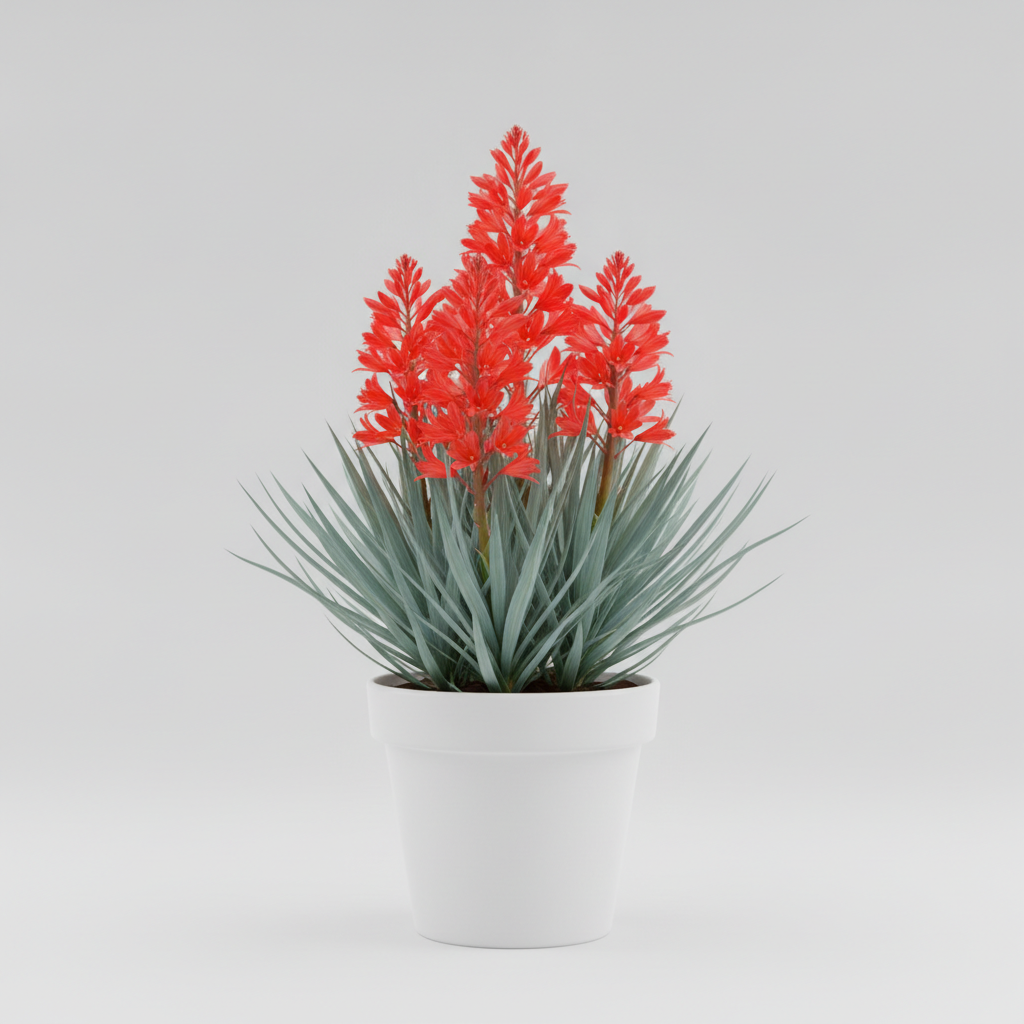
‘Brakelights’
A compact, sterile selection with vivid, almost neon red flowers on shorter spikes. Because it sets no seed, it blooms harder and longer and never scatters seedlings, making it a tidy, free-flowering choice for containers and small spaces.
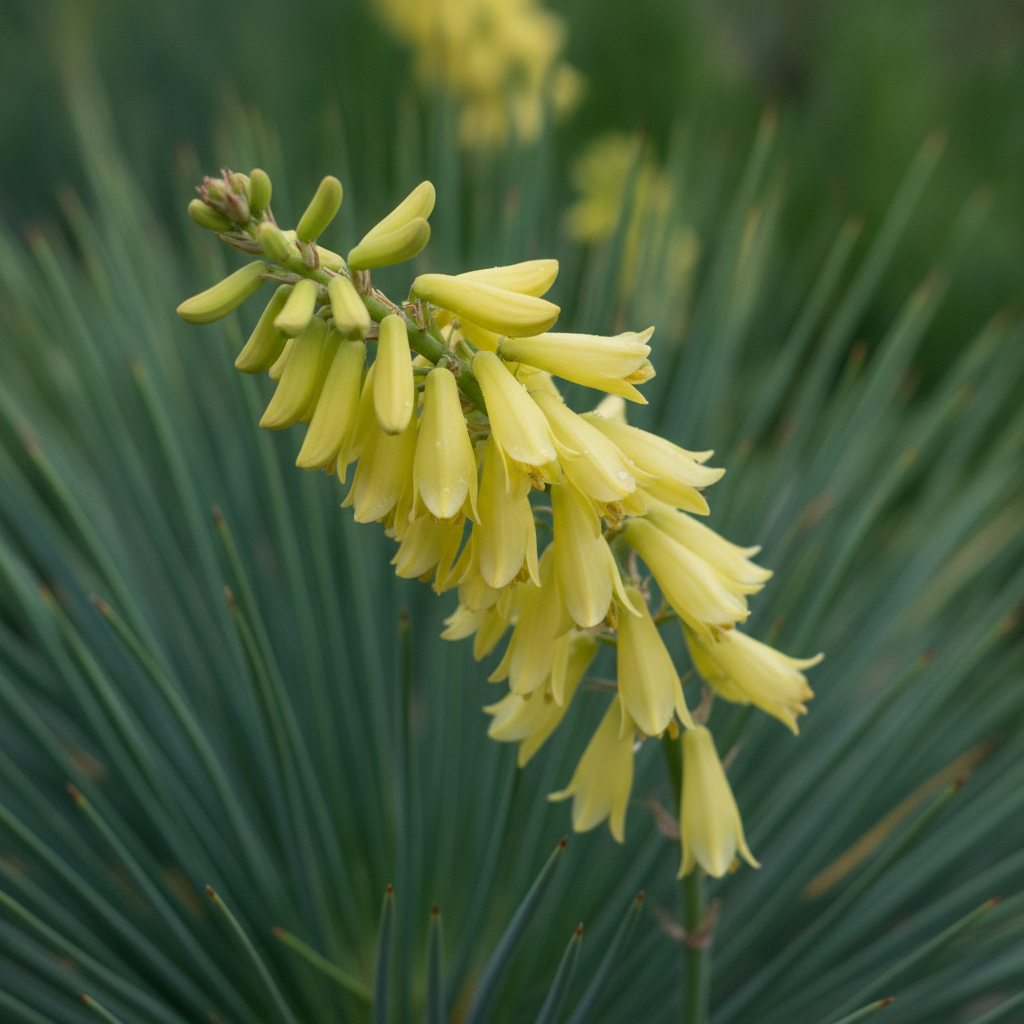
‘Yellow’
The same fountain of blue-green foliage, but topped with soft lemon-yellow rather than coral flowers. It brings a cooler, softer note to a planting and combines beautifully with the coral species for contrast.
Variety Profiles in Detail
Brakelights (Hesperaloe parviflora ‘Perpa’)
Perhaps the most popular named red yucca, ‘Brakelights’ is a compact, sterile cultivar prized for its intense, glowing red flowers. Being sterile, it diverts no energy into seed and instead reblooms generously over an exceptionally long season, staying neat at around 60 centimetres (2 feet) tall. It is the variety of choice where you want maximum flower power in a modest footprint.
Yellow (Hesperaloe parviflora ‘Yellow’)
The yellow-flowered form swaps the usual coral for clear, soft lemon blooms held on the same tall, arching spikes. Every bit as tough and drought-proof as the species, it is valued for the way its cool colour lifts a hot, dry planting and sets off the reds and pinks of other selections.
Sandia Glow (Hesperaloe parviflora ‘Sandia Glow’)
A more recent introduction with rich, deep rose-red flowers on a robust, upright clump. It reads as more saturated and substantial than the wild species and has become a favourite for making a bolder statement in a xeriscape or large container.
Choosing the Right Variety for Your Space
Because every red yucca wants the same full sun and lean, dry conditions, selecting a variety is mostly about colour and scale. For a compact, hard-working container plant choose ‘Brakelights’; for a cooler palette or to contrast with coral forms, reach for ‘Yellow’; and for a bolder, deeper display in a larger space, ‘Sandia Glow’ or ‘Pink Parade’ earn their place. Mixing two or three colours in a sunny bed or a run of pots gives you the plant’s famous toughness with a longer, more varied show.
Frequently Asked Questions
Is red yucca actually a yucca?
No. Despite the name, red yucca (Hesperaloe parviflora) is neither a true yucca nor an agave, though it belongs to the same broad family, the Asparagaceae. Its softer, more flexible leaves and curling white marginal threads set it apart from the stiffer, sharper true yuccas, and it earned its common name simply from a superficial resemblance.
Can I grow red yucca indoors?
You can keep it alive indoors in the very brightest spot you have, ideally right against a south-facing window, but it is really a sun-loving outdoor plant grown in a pot. Without intense light it will not flower and will slowly stretch and weaken. The best approach for container growers is to summer it outdoors in full sun and bring it under cover only to escape winter wet.
Why won’t my red yucca flower?
Almost always the answer is too little light. Red yucca needs at least six hours of direct sun to bloom, and a plant in anything less will stay green and leafy but flowerless. Overfeeding can also suppress flowers in favour of foliage. Move the plant into the strongest sun you can offer, ease off the fertiliser, and be patient, as young plants take a few years to reach flowering size.
How often should I water red yucca?
Only when the soil has dried out completely, which in a container usually means every two to three weeks in summer and far less in winter, sometimes only once a month or less. Established plants in the ground may need no extra water at all. The golden rule is that it is always safer to underwater than to overwater this drought-adapted plant.
Is red yucca cold hardy?
Remarkably so for a desert plant. An established red yucca tolerates temperatures down to around -20°C (-4°F), roughly USDA zone 5, and stays evergreen through the cold. The greater danger in a cold climate is not frost but winter wet, so a plant kept cold should also be kept dry, with excellent drainage to prevent the roots from rotting.
Is red yucca toxic to pets?
Red yucca is generally regarded as non-toxic to cats and dogs and does not appear on the main lists of plants known to poison pets. That said, it is not a food plant, and the tough, fibrous leaves taper to a firm point, so it is sensible to place it where pets and children are unlikely to chew or brush against it.
Should I cut off the spent flower stalks?
You can, though it is optional. Removing spent flower spikes tidies the plant and, on seed-setting forms, prevents self-sowing and can encourage further bloom. Cut the whole stalk back to the base once flowering finishes. On sterile cultivars such as ‘Brakelights’, which set no seed, you are simply trimming for appearance.
Why are the leaf tips turning brown?
Occasional brown tips are usually cosmetic and can come from fertiliser salt build-up, an unusually dry spell, or physical damage. Flush the pot with plain water to clear any salts, keep to a sensible watering routine, and trim badly marked tips if they bother you. Widespread yellowing or a softening base, by contrast, points to overwatering rather than simple tip browning.
How big does red yucca get?
The mound of foliage typically reaches around 60 to 90 centimetres (2 to 3 feet) tall and a similar width at maturity, while the flower spikes rise well above it to about 1.5 metres (5 feet). It is a slow grower that takes several years to reach full size, and it stays comfortably in scale for a large container or a sunny bed.
Can I propagate red yucca from a leaf?
No. Unlike many succulents, red yucca cannot be grown from a single leaf, because its growth points sit at the crown rather than along the leaves. The reliable methods are dividing an established clump into rooted sections in spring, or sowing fresh seed, keeping in mind that named cultivars will not come true from seed.






