
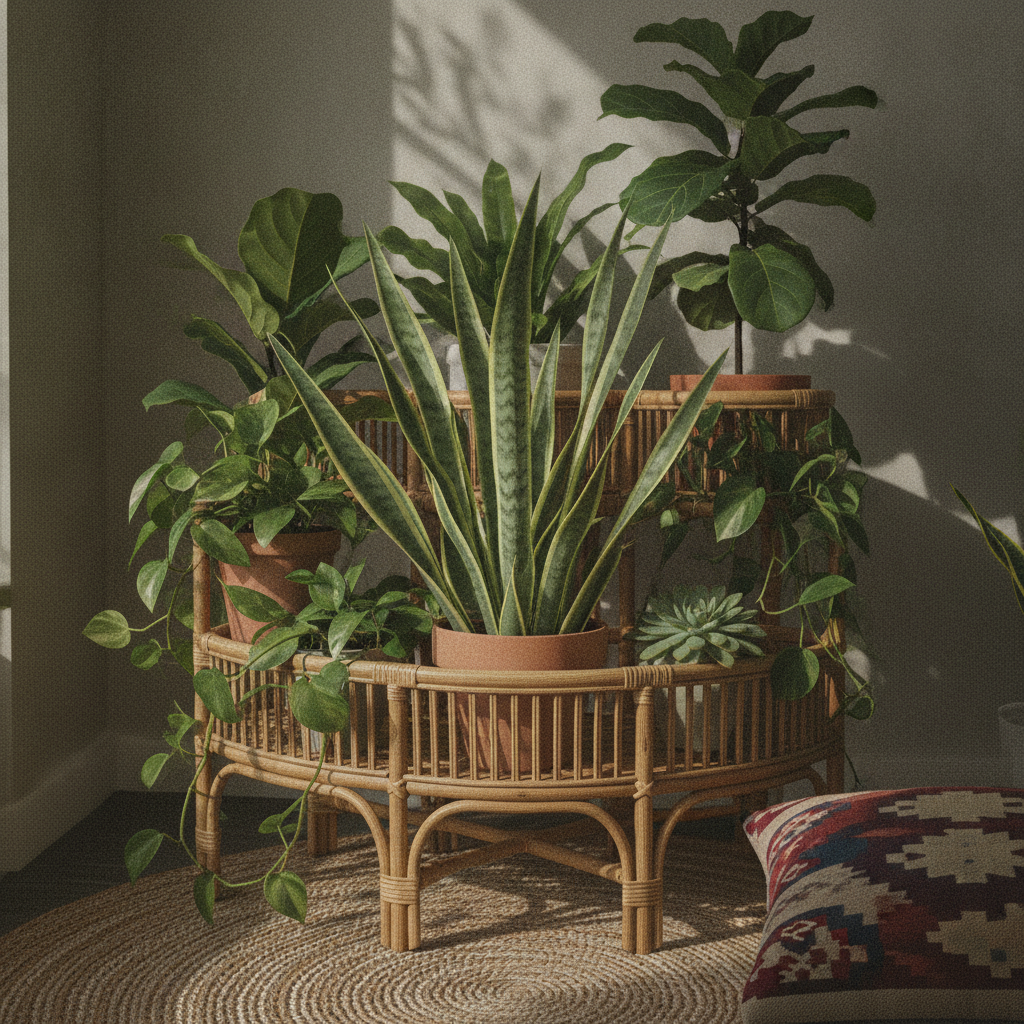
Few houseplants manage to look both sculptural and serene, but the Moonshine snake plant does exactly that. A silvery-leaved selection of Dracaena trifasciata (still widely sold under its former name Sansevieria trifasciata), the Moonshine cultivar trades the bold cross-banding of the ordinary snake plant for broad, upright blades in a soft, pale sage that can read almost metallic in bright light. It shares the same West African heritage as its cousins, hailing from the dry tropical lowlands of Nigeria and the Congo basin, where erratic rainfall and poor soils have shaped a plant that stores water in its leaves and asks for very little in return.
That toughness is exactly why the Moonshine has become a design-world favourite. It tolerates neglect that would kill most foliage plants, purifies indoor air, and holds its elegant fan shape whether it is placed in a sun-drenched window or a dim office corner. Yet there is a real difference between a Moonshine that merely survives and one that thrives, keeping its luminous silver colour and pushing out new leaves each year. This guide covers everything you need to move from the first to the second: light, watering, soil, feeding, propagation, pests, and the related cultivars worth knowing.
Contents
- Quick Reference
- Why the Moonshine Snake Plant Makes an Excellent Houseplant
- Light Requirements
- Watering & Humidity
- Soil, Potting & Repotting
- Fertilising
- Propagation
- Pests & Diseases
- Popular Varieties
- Frequently Asked Questions
Quick Reference: Moonshine Snake Plant at a Glance
| Light | Adaptable, from low light to bright indirect. Silvery colour is strongest in bright, filtered light. |
| Watering | Sparingly. Allow the soil to dry out completely, then water thoroughly. Roughly every 2 to 3 weeks in summer, monthly or less in winter. |
| Temperature | 18 to 27 degrees Celsius (64 to 81 Fahrenheit). Avoid anything below 10 degrees Celsius (50 Fahrenheit). |
| Humidity | Undemanding. Ordinary household humidity of 30 to 50 percent is fine. |
| Fertiliser | Light feeder. A balanced or cactus feed at half strength, two or three times across spring and summer. |
| Toxicity | Toxic to cats and dogs if eaten, due to saponins. Mildly toxic to humans. |
Why the Moonshine Snake Plant Makes an Excellent Houseplant
The Moonshine earns its place on the beginner’s shortlist for one simple reason: it is extraordinarily forgiving. Its thick, succulent-like leaves are water reservoirs, so the plant sails through the missed waterings and irregular attention that spell disaster for thirstier species. It grows from a network of tough underground rhizomes that store energy and drive new growth, which means a Moonshine can bounce back even after a spell of serious neglect. For anyone who travels often, works long hours, or has simply killed a fern or two and lost their nerve, this is a plant that rebuilds confidence.
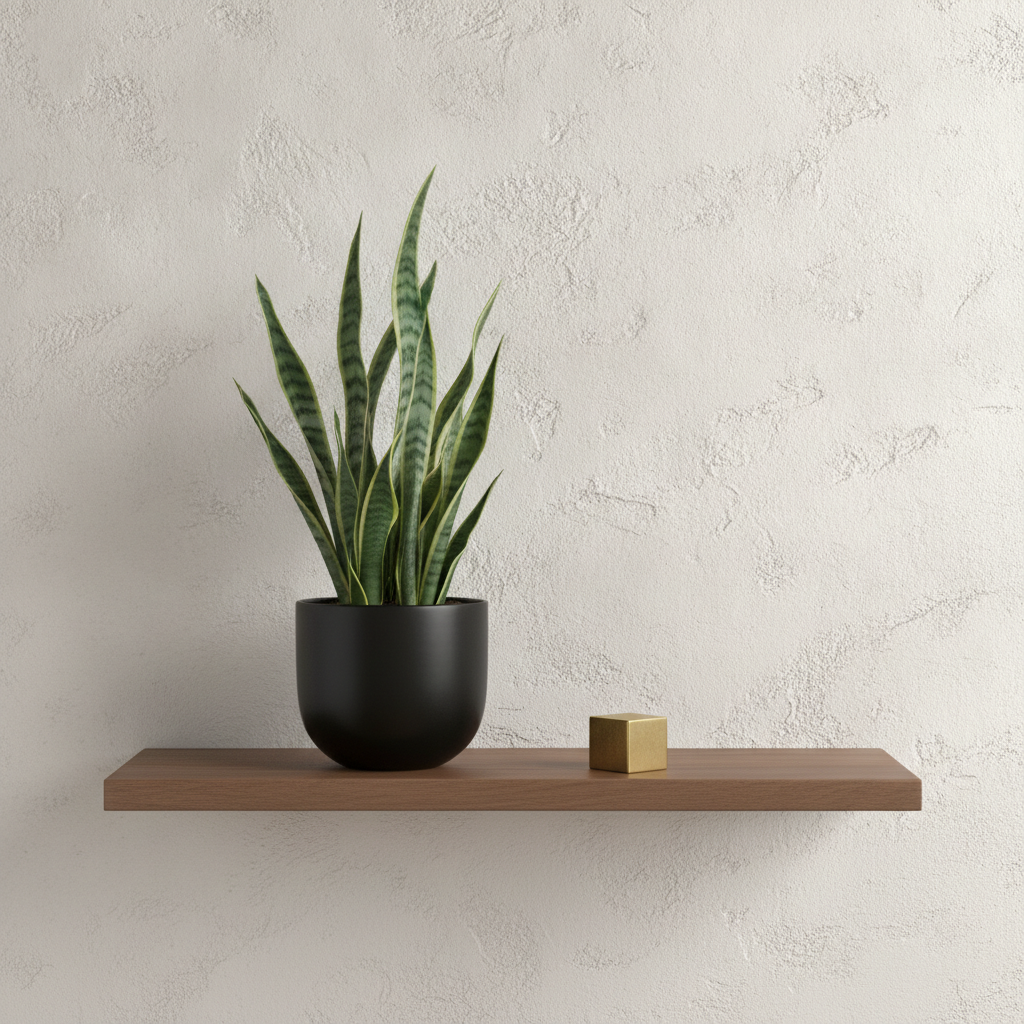
Beyond resilience, the Moonshine offers real design value. Its broad, paddle-shaped leaves stand upright in a tidy fan, giving vertical structure without sprawling or dropping litter. The pale silver-green colouring is unusual among houseplants and works as a soft, neutral counterpoint to darker foliage or busy interiors. The snake plant was also one of the species studied in NASA’s Clean Air research, noted for its ability to filter certain airborne compounds, and it is one of the few houseplants that continues releasing oxygen at night through crassulacean acid metabolism, the water-saving photosynthesis pathway it shares with many desert plants. None of that makes it a substitute for ventilation, but it is a pleasant bonus in a plant that already asks for so little.
Important — Toxicity: All parts of the Moonshine snake plant contain saponins, which are toxic to cats and dogs and can cause drooling, vomiting, and diarrhoea if chewed or swallowed. The plant is also mildly toxic to humans and may cause mouth and stomach irritation. Keep it out of reach of curious pets and small children, and wash your hands after handling cut leaves.
Light Requirements
The Moonshine’s reputation as a low-light plant is only half the story. It will genuinely tolerate dim corners far from any window, surviving on light levels that would leave most foliage plants leggy and pale. But tolerance is not preference. In deep shade a Moonshine slows almost to a standstill, and its signature silvery colour deepens toward a plain grey-green as the plant produces more chlorophyll to make the most of the scarce light.
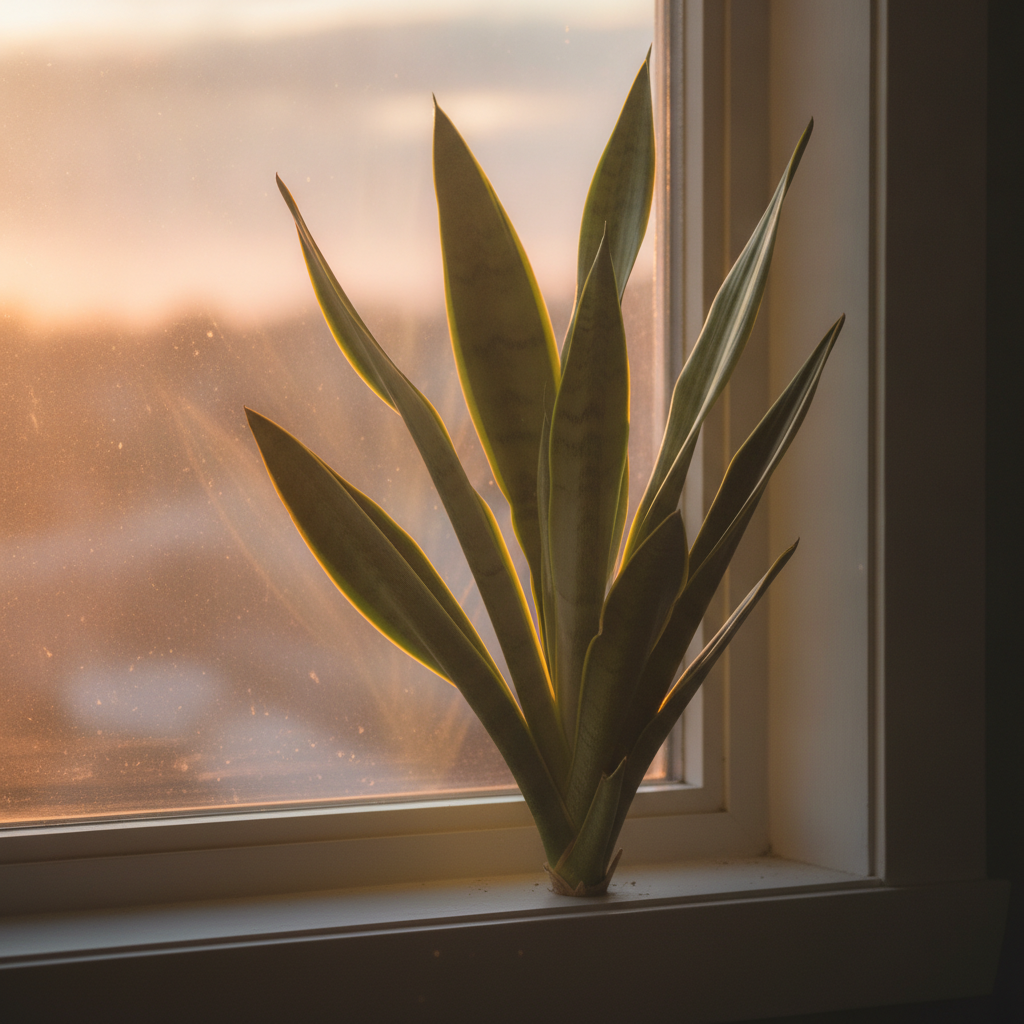
To see the Moonshine at its best, give it bright, indirect light for most of the day. In these conditions the leaves take on their luminous, almost frosted pale sage tone, new growth comes reliably each season, and the plant holds itself upright and firm. A position a metre or two back from a bright window, or right beside one that faces east or north, hits the sweet spot between too little light and too much scorching sun.
Light Levels Explained
Indoor light is notoriously hard to judge by eye, because our eyes adjust so readily. The table below translates the usual descriptions into rough illuminance values in lux and typical locations, so you can place your Moonshine with more confidence.
| Light Category | Approx. Level | Typical Location | Outcome |
|---|---|---|---|
| Direct sun | 50,000 lux and above | On a south-facing sill, unshaded | Risk of scorch and bleaching over time |
| Bright indirect | 10,000 to 20,000 lux | Near an east or north window | Ideal: strong colour and steady growth |
| Medium | 5,000 to 10,000 lux | A couple of metres from a bright window | Good: slower but healthy |
| Low | 1,000 to 2,500 lux | Interior corner, dim hallway | Survives, colour fades, growth minimal |
| Very low | Below 1,000 lux | Windowless room with lamps only | Slow decline; add a grow light |
Window Orientation and Placement
South-facing window: The brightest exposure in the northern hemisphere. A Moonshine can do well here, but keep it slightly back from the glass or behind a sheer curtain, as hours of unfiltered midday sun can bleach and scorch the leaves.
East-facing window: Close to perfect. Gentle morning sun followed by bright indirect light for the rest of the day suits the Moonshine well and encourages its best colour without any risk of burning.
West-facing window: Also a good choice, though the afternoon sun is stronger than the morning equivalent. A little distance from the glass or a light curtain will temper the hottest rays in summer.
North-facing window: Reliable and safe. The soft, even light here rarely scorches, and a Moonshine placed right at the sill will keep good colour and slow, steady growth.
Pro Tip — Rotate for Symmetry: Snake plants grow toward the light, and a fan of tall blades can lean noticeably over a few months. Give the pot a quarter turn every time you water to keep the plant upright and evenly shaped.
How Light Affects Leaf Colour
The Moonshine is prized above all for its pale, silvery leaves, and that colour is directly tied to how much light it receives. In bright, indirect light the plant keeps its chlorophyll thin and even, letting the frosted silver tone dominate. Move it into deep shade and it responds by packing more chlorophyll into the leaves to capture the limited light, which turns the silver toward an ordinary grey-green. If holding the luminous colour matters to you, err on the side of more light rather than less.
Warning — Direct Sunlight: While the Moonshine tolerates some gentle sun, prolonged exposure to harsh, direct rays can scorch the leaves, leaving dry, bleached or brown patches that never recover. Acclimatise the plant gradually if you move it to a brighter spot, increasing exposure over a week or two rather than all at once.
Artificial Lighting
Because it copes so well with low light, the Moonshine is an excellent candidate for offices and interior rooms lit mainly by artificial sources. A standard full-spectrum LED grow light positioned 30 to 45 centimetres (12 to 18 inches) above the plant, run for 10 to 12 hours a day, is more than enough to maintain healthy growth and good colour where natural light is scarce. Ordinary bright room lighting also helps top up what a dim window provides.
Seasonal Adjustments
Light levels indoors can fall dramatically between summer and winter, especially at higher latitudes where the sun sits low and days are short. A Moonshine that thrived a metre back from a window in July may need to be moved right up to the glass in December to keep the same exposure. As the plant’s growth naturally slows in the darker months, cut back watering to match, and resist the urge to compensate with extra feeding.
Watering & Humidity
If there is one thing that kills a Moonshine snake plant, it is too much water. Everything about this plant, from its thick water-storing leaves to its succulent rhizomes, is adapted to survive drought, and it is far happier bone dry than sitting in damp soil. The single most useful habit you can build is to water less often than you think you should, and to let the soil dry out completely between drinks.
When to Water
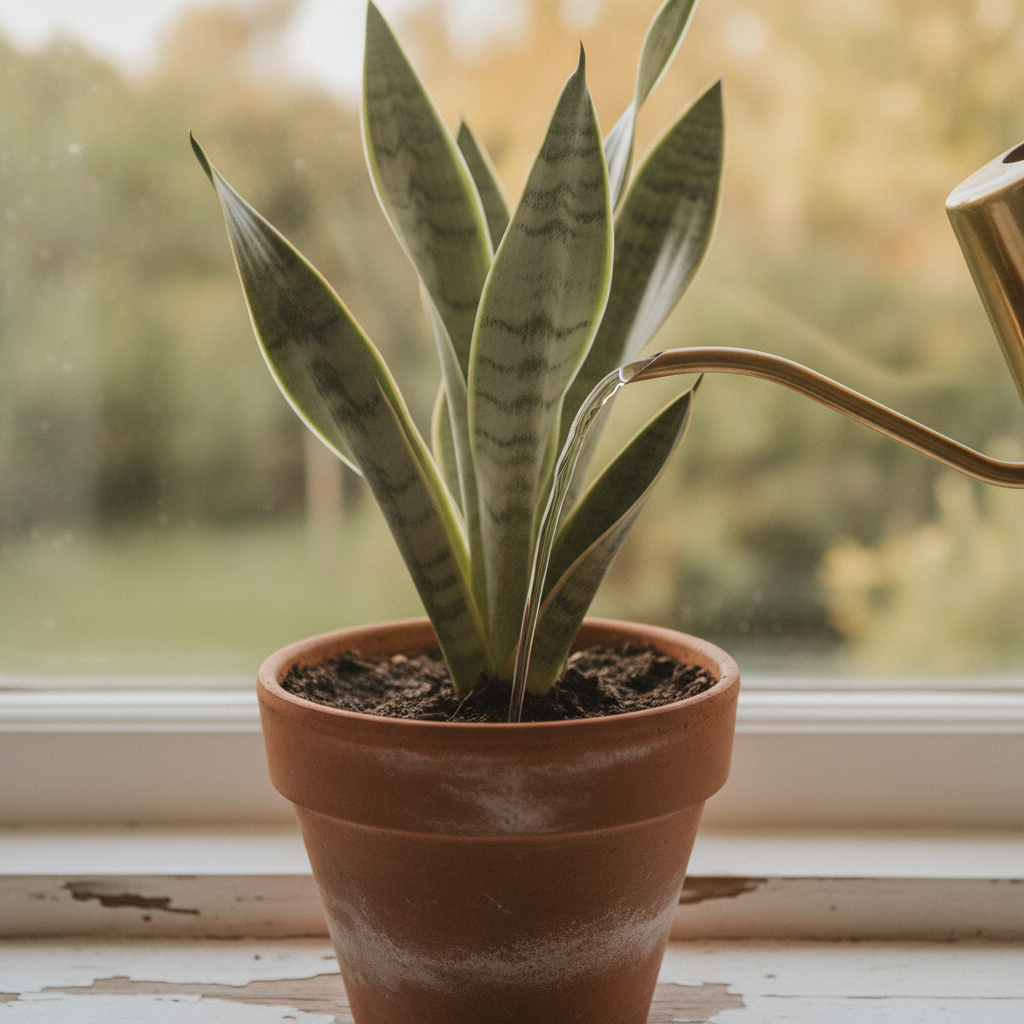
Rather than watering on a fixed schedule, water according to how dry the soil is. Push a finger several centimetres into the pot, or lift the pot to feel its weight: if the soil is dry all the way through and the pot feels light, it is time to water. If there is any moisture or heaviness left, wait. In a warm, bright spot this cycle usually works out to roughly once every two to three weeks in spring and summer.
In autumn and winter, when growth slows and the plant uses far less water, that interval can stretch to once a month or even longer. Many experienced growers water their snake plants only a handful of times over the entire winter. When in doubt during the cold months, wait another week. A thirsty Moonshine recovers within a day of watering, while an overwatered one may already be rotting at the roots before you notice.
Pro Tip — The Weight Test: Learn the feel of your pot when freshly watered and when bone dry by lifting it at both extremes. Once you know the difference, a quick heft tells you instantly whether the plant needs water, no moisture meter required.
How to Water Correctly
- Check that the soil is completely dry throughout before you begin.
- Water at the soil surface, pouring evenly around the base and avoiding the crown where the leaves meet the soil.
- Continue until water runs freely from the drainage holes, moistening the entire root ball.
- Let the pot drain fully in a sink or tray for several minutes.
- Empty the saucer or cachepot so the plant never sits in standing water.
- Return the plant to its spot and do not water again until the soil is dry all the way down.
Signs of Overwatering vs. Underwatering
| Symptom | Overwatering | Underwatering |
|---|---|---|
| Leaf colour | Yellowing, often at the base first | Slight dulling or fading of the silver |
| Leaf texture | Soft, mushy, translucent patches | Wrinkled, puckered, slightly curled edges |
| Soil | Stays wet for days, may smell sour | Bone dry, pulling away from the pot sides |
| Roots | Brown, soft and foul-smelling | Firm and pale, simply dry |
| Stem base | Soft, collapsing, blackening | Firm, sometimes slightly shrivelled |
Warning — Root Rot: Root rot is the leading killer of snake plants and almost always follows overwatering or poor drainage. If leaves turn soft and yellow at the base and the soil smells sour, unpot the plant at once, cut away all mushy brown roots and rhizome with clean tools, let the wounds dry for a day, and repot into fresh, gritty, dry mix.
Humidity Requirements
Humidity is one area where the Moonshine asks for nothing special. Adapted to dry tropical regions, it is perfectly content in the 30 to 50 percent relative humidity typical of most homes, including the drier air of centrally heated rooms in winter. There is no need for misting, pebble trays or humidifiers.
In fact, extra humidity can do more harm than good. High moisture in the air, combined with poor airflow, encourages fungal spotting on the leaves and raises the risk of rot. If anything, the Moonshine appreciates good ventilation and dislikes stagnant, damp conditions such as a windowless bathroom that stays humid for hours.
Should you ever need to raise humidity for other plants sharing the space, the Moonshine will not object to moderate levels. Just avoid deliberately misting the foliage, and make sure air can move freely around the leaves so any surface moisture dries quickly.
Water Quality
The Moonshine is not fussy about water quality and handles ordinary tap water in most areas without complaint. If your water is very hard or heavily chlorinated, or if you notice mineral crusting on the soil surface, you can let tap water stand overnight or switch to filtered or rainwater. Watering thoroughly and letting the excess drain away also helps flush out any salts that would otherwise accumulate.
Soil, Potting & Repotting
Getting the soil right is the other half of the overwatering equation. Because the Moonshine is so vulnerable to rot, it needs a fast-draining, airy medium that holds a little moisture but never stays soggy. A dense, water-retentive potting compost straight from the bag is one of the most common causes of trouble, no matter how carefully you water.
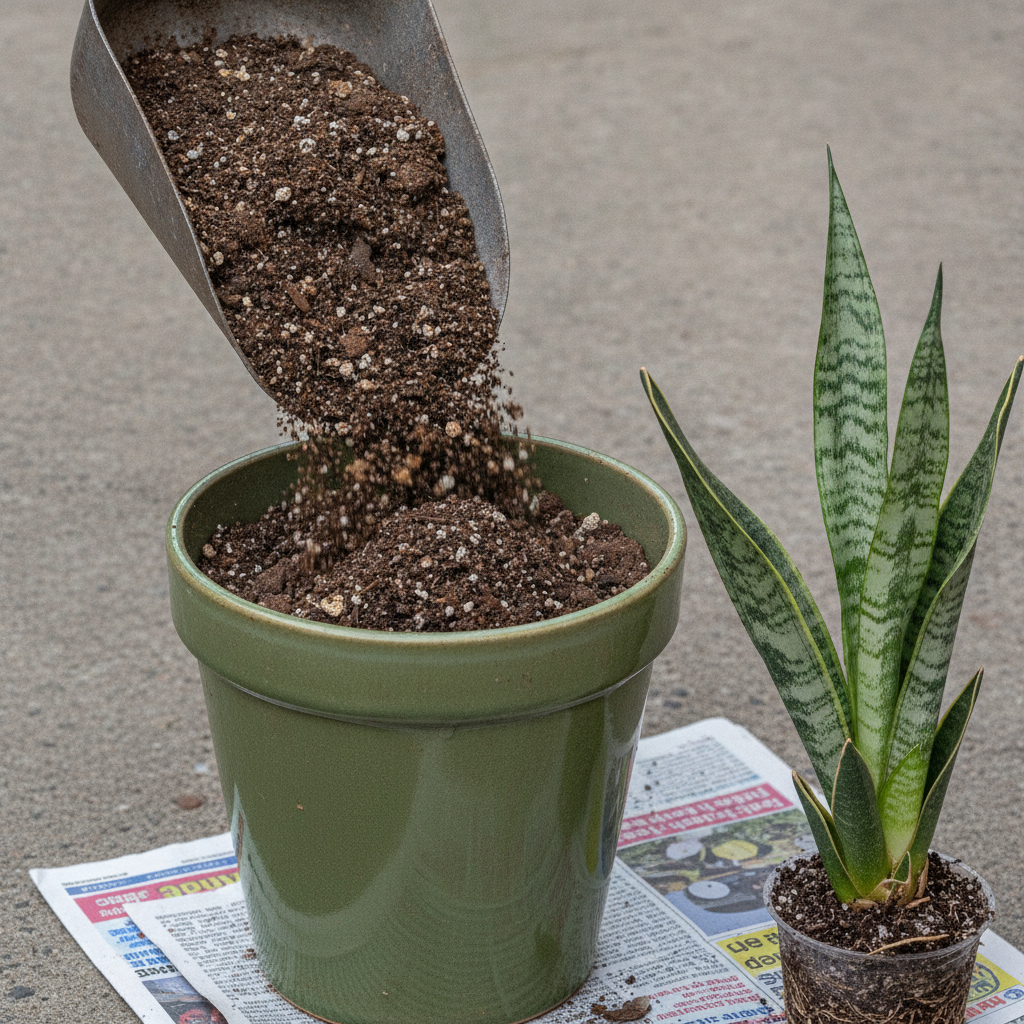
Ideal Soil Composition
The goal is a mix that drains within seconds of watering and lets air reach the roots. A ready-made cactus and succulent compost is the easiest starting point, and it can be improved further by adding extra grit or perlite. If you prefer to blend your own, the proportions below give a reliable, open medium that suits the Moonshine’s drought-adapted roots.
| Component | Proportion | Function |
|---|---|---|
| Cactus or standard potting compost | Half | Base structure and modest moisture retention |
| Coarse perlite or pumice | One quarter | Aeration and rapid drainage |
| Horticultural grit or coarse sand | One quarter | Weight, drainage and a dry root zone |
The Moonshine prefers a slightly acidic to neutral soil, roughly pH 5.5 to 7.0, which is comfortably within the range of most commercial mixes, so there is rarely any need to adjust it. What matters far more than exact pH is that the medium stays open and drains fast.
Pro Tip — Quick Mix Recipe: For a no-fuss blend, combine two parts bagged cactus compost with one part perlite and one part coarse grit. It drains freely, holds just enough moisture, and takes about a minute to mix in a bucket.
Choosing the Right Pot
The container you choose has a direct effect on how easy the Moonshine is to keep alive. Its vigorous rhizomes are surprisingly strong and can crack thin or flexible plastic pots as the plant matures, so a sturdy vessel pays off in the long run.
Drainage holes are non-negotiable. Whatever the pot is made of, it must have at least one generous drainage hole. Without a way for excess water to escape, even the grittiest mix will eventually stay wet and the plant will rot. If you love a decorative pot with no hole, use it as a cachepot and keep the plant in a plain nursery pot inside it.
Pot material: Terracotta is an excellent match for the Moonshine, because the porous clay wicks moisture from the soil and helps it dry out faster between waterings. Glazed ceramic and plastic hold moisture longer, which is fine as long as you water even more conservatively and the mix drains well.
Pot size: Snake plants actively prefer to be somewhat root-bound and flower and offset more readily when snug in their pots. Choose a container only slightly larger than the root ball, no more than 2 to 4 centimetres wider, and resist the urge to over-pot, as a large volume of damp soil around small roots is an invitation to rot.
When to Repot
The Moonshine is a slow grower and dislikes being disturbed, so it needs repotting only every two to three years, or when clear signs appear. Roots or rhizomes pushing out of the drainage holes or bulging against the sides, a pot that has cracked or deformed under rhizome pressure, water that runs straight through without wetting the soil, or growth that has stalled despite good care all signal that it is time. Spring and early summer, at the start of the active growing season, are the best times to do it.
How to Repot: Step-by-Step
- Water lightly a day or two beforehand if the soil is powder dry, which makes the root ball easier to slide out, or repot fully dry to reduce rot risk.
- Ease the plant from its pot, tipping it sideways and supporting the base rather than pulling on the leaves.
- Loosen the old soil from the roots and inspect the rhizomes, trimming away any soft, brown or rotten sections with clean, sharp tools.
- Add a layer of fresh gritty mix to the base of the new pot, positioning the plant at the same depth it grew before.
- Fill around the root ball with fresh mix, firming gently to remove large air pockets without compacting the soil.
- Resist watering straight away. Wait about a week so any damaged roots can callus over, then water normally.
Warning — Transplant Shock: Do not water a freshly repotted Moonshine immediately. Cut and disturbed roots are prone to rot when wet, so give them several days to a week to heal in dry soil before the first watering. A brief pause in growth after repotting is normal and nothing to worry about.
Fertilising
The Moonshine is a genuinely light feeder, evolved to grow in poor, thin soils, and it needs very little supplementary feeding to stay healthy. Overfeeding is a real danger with this plant: excess fertiliser salts build up in the soil, scorch the roots, and can weaken a Moonshine far faster than a lean diet ever would.
A small amount of balanced nutrition during the growing season is all it asks. Think of feeding as a gentle top-up rather than a regular meal, and always err toward too little rather than too much.
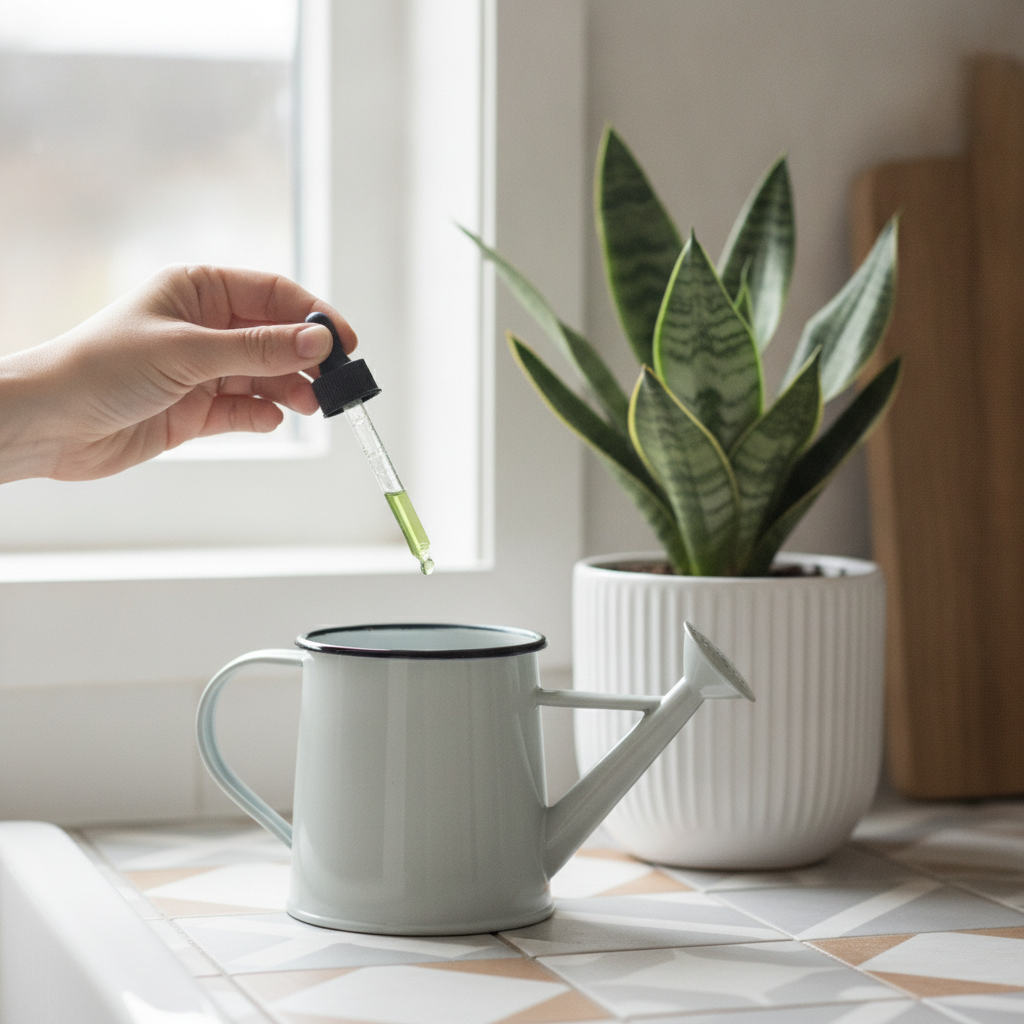
Understanding Plant Nutrients
Most fertilisers are labelled with an N-P-K ratio, the percentages of nitrogen, phosphorus and potassium they contain, alongside smaller amounts of secondary nutrients and trace elements. Understanding what each does helps you read the signs when something is lacking, though true deficiencies are rare in a plant fed even occasionally.
| Nutrient | Symbol | Primary Function | Deficiency Symptoms |
|---|---|---|---|
| Nitrogen | N | Leaf and stem growth, green pigment | Pale, yellowing older leaves, slow growth |
| Phosphorus | P | Root development and energy transfer | Stunted roots, dull or purplish tint |
| Potassium | K | Overall vigour and water regulation | Yellow or brown leaf edges |
| Calcium | Ca | Cell wall structure | Distorted new growth |
| Magnesium | Mg | Core of the chlorophyll molecule | Yellowing between leaf veins |
| Iron | Fe | Chlorophyll production | Pale new leaves with green veins |
Types of Fertiliser
Liquid fertilisers: The easiest option for a Moonshine, because you control the dose exactly and can dilute well below the label rate. A balanced houseplant feed or a cactus and succulent formula, mixed to half strength, is ideal.
Slow-release granular: Coated prills that release nutrients gradually over months are convenient, but harder to control for such a light feeder. If you use them, apply at half the recommended quantity and only once at the start of the growing season.
Organic fertilisers: Gentle options such as diluted worm-casting tea or a mild organic liquid feed suit the Moonshine well, releasing nutrients slowly and posing little risk of salt burn. They are a forgiving choice for anyone nervous about overfeeding.
Feeding Schedule
Feed only during the active growing months of spring and summer, and only two or three times across the whole season. A half-strength liquid feed applied roughly once every six to eight weeks is plenty. Stop feeding entirely in autumn and winter, when the plant is resting and cannot use the extra nutrients, which would simply accumulate in the soil as harmful salts.
Pro Tip — Less Is More: When it comes to feeding a Moonshine, restraint always beats generosity. A plant that is slightly underfed stays firm and healthy, while an overfed one develops brown leaf tips and weak, floppy growth. If you are unsure, skip a feed rather than adding one.
How to Fertilise
- Dilute a balanced liquid feed to half the strength stated on the label, or weaker.
- Water the plant with plain water first if the soil is very dry, to protect the roots from concentrated feed.
- Apply the diluted solution evenly to the soil, never onto the leaves or into the crown.
- Let any excess drain away fully and empty the saucer.
- Wait at least six weeks before the next feed, and never feed in the dormant season.
Warning — Salt Build-Up: Over time, fertiliser salts can accumulate in the soil and appear as a white crust on the surface or pot rim, damaging the roots. Every few months, flush the pot by running plenty of plain water through it until it drains freely, which washes the excess salts away.
Propagation
Propagating the Moonshine is straightforward, but there is one crucial catch that sets it apart from the ordinary green snake plant. As a cultivar selected for its silvery colour, the Moonshine will not reliably come true from leaf cuttings. New plants grown from a leaf section frequently revert to a plain green form, losing the very quality that makes the Moonshine special.
For that reason, division is the method of choice. Splitting the plant at the rhizome keeps each new section genetically identical to the parent, so the silver colour carries through intact. It is also faster and more reliable than rooting cuttings, giving you established plants almost immediately.
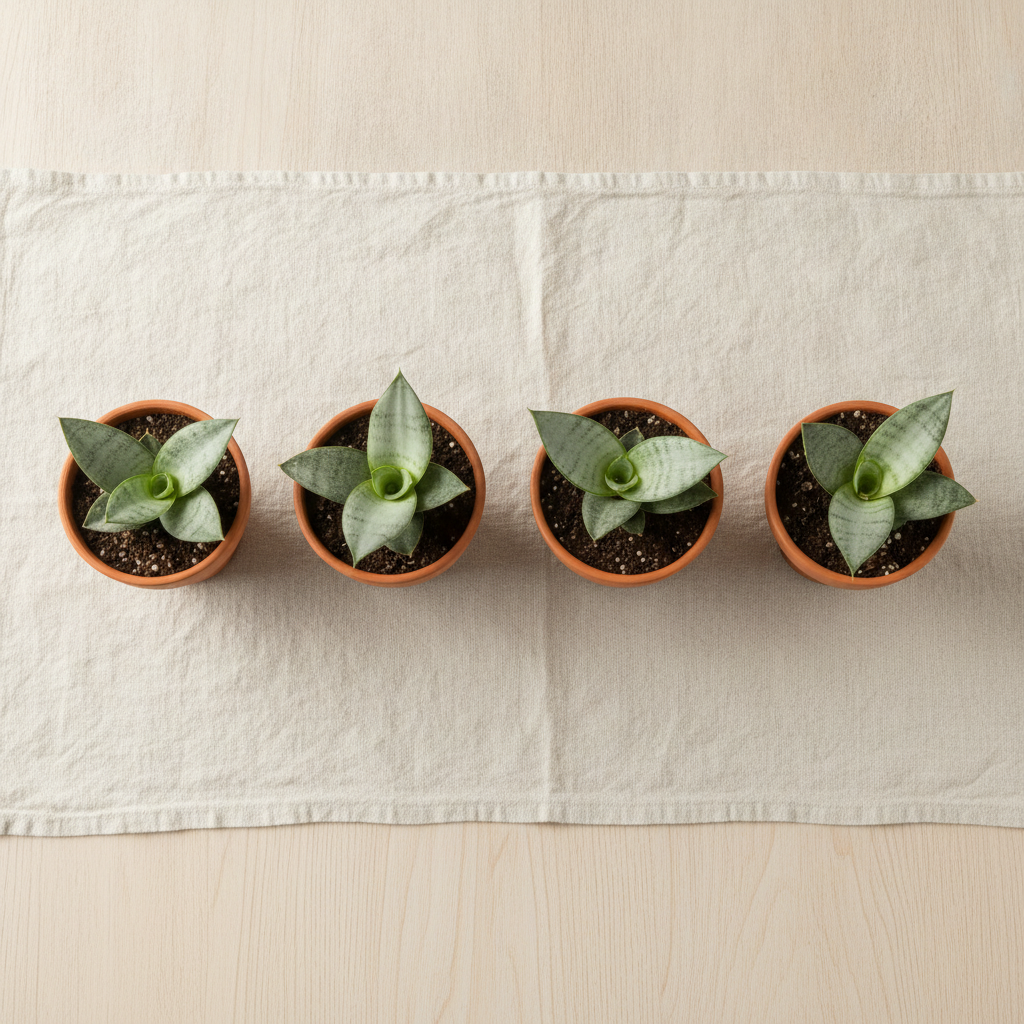
Understanding Rhizomes and Pups
The Moonshine grows from thick, horizontal underground stems called rhizomes, which store water and energy and send up new fans of leaves as the plant spreads. These new shoots, known as pups or offsets, emerge around the base of the parent and can be separated once they have a few leaves and some roots of their own. Because every pup is part of the same rhizome network, dividing them preserves the cultivar’s silver colouring perfectly.
Division: Step-by-Step
Division is best done in spring, ideally combined with a routine repotting so the plant is only disturbed once. Aim for divisions that each carry at least one healthy leaf fan and a portion of rhizome with roots attached.
- Slide the whole plant out of its pot and brush away the loose soil to expose the rhizomes and roots.
- Identify natural divisions where clusters of leaves connect to their own section of rhizome and roots.
- Separate the sections by hand where possible, or cut cleanly through the rhizome with a sharp, sterilised knife.
- Make sure each division has at least one leaf fan and a healthy piece of rooted rhizome.
- Let the cut surfaces dry and callus for a day or two in a shaded, airy spot to guard against rot.
- Pot each division into fresh, gritty mix at its original depth, and wait about a week before the first watering.
Pro Tip — Sterilise Your Blade: Wipe your knife with isopropyl alcohol before and between cuts. Cutting rhizomes exposes moist tissue that pathogens love, and a clean blade is the simplest way to stop rot and disease from spreading between divisions.
Potting Up Separated Pups: Step-by-Step
If your plant has produced small pups around its edge rather than large divisible clumps, you can lift and pot these individually. This is the gentlest way to increase your collection without dismantling the whole parent plant.
- Locate a pup that has grown to at least a third the height of the parent and has its own roots.
- Ease the soil away to find where the pup joins the parent rhizome.
- Cut the connecting rhizome with a clean, sharp blade, keeping as many of the pup’s own roots as possible.
- Allow the cut to callus over for a day in a dry, shaded place.
- Pot the pup into a small container of gritty mix, sized only slightly larger than its roots.
- Keep it warm and in bright, indirect light, and water sparingly once the callus has formed.
Troubleshooting Propagation
| Problem | Likely Cause | Solution |
|---|---|---|
| Division rots after potting | Watered too soon or soil too wet | Let cuts callus fully and use dry, gritty mix |
| New plant reverts to plain green | Grown from a leaf cutting, not division | Always propagate the Moonshine by division |
| No new growth for months | Normal slow establishment or cool season | Be patient, keep warm and bright, water lightly |
| Pup wilts after separation | Too few roots taken with the offset | Wait for larger pups with more established roots |
Pests & Diseases
The Moonshine is among the most trouble-free houseplants you can grow, and a healthy specimen in good conditions rarely attracts pests. Its tough, waxy leaves offer little for sap-suckers to exploit, and the dry conditions it prefers discourage most infestations. When problems do arise, they are almost always linked to overwatering rather than pests.
That said, no plant is entirely immune. Stressed plants, overcrowded collections, or a newly bought Moonshine carrying hitchhikers can all bring in the occasional pest, so it pays to know the usual suspects and to catch them early.
Common Pests
Mealybugs (Pseudococcus species)
Mealybugs are the most likely pest to appear on a snake plant, showing up as small, white, cottony tufts tucked into the crevices where leaves meet, or along the leaf bases. They suck sap and secrete sticky honeydew, gradually weakening the plant and leaving it looking dull and tired.
Treatment: Dab each insect directly with a cotton bud dipped in isopropyl alcohol, which dissolves their protective coating. For larger outbreaks, wipe the leaves with a diluted insecticidal soap and repeat weekly until no new bugs appear. Isolate the plant while treating.
Spider Mites (Tetranychus urticae)
Spider mites are tiny arachnids that thrive in warm, dry air and can occasionally trouble indoor snake plants. They cause fine stippling or a dusty, faded look on the leaves, and in heavy infestations spin delicate webbing between the foliage.
Treatment: Wipe the leaves with a damp cloth to remove mites and webbing, then treat with insecticidal soap or a neem oil solution, covering both leaf surfaces. Repeat every five to seven days for a few weeks to break the breeding cycle.
Scale Insects (Coccoidea)
Scale insects appear as small, brown, limpet-like bumps clinging to the leaves, often along the margins or midrib. Protected by their hard shells, they can be easy to overlook until the sticky honeydew they produce gives them away.
Treatment: Scrape or wipe off the visible scales with an alcohol-soaked cloth or cotton bud, then follow up with insecticidal soap or neem oil. Because their shells resist sprays, physical removal is the most effective first step.
Common Diseases
Root Rot (Fusarium and Pythium species)
By far the most serious threat to the Moonshine, root rot is a fungal condition driven by waterlogged soil. The first signs are yellowing, soft leaves at the base and a foul smell from the soil, while below ground the roots and rhizome turn brown and mushy.
Treatment: Act fast. Unpot the plant, cut away every soft, brown root and rhizome section with sterile tools, and salvage any firm, healthy growth. Let the wounds dry for a day, then repot into fresh, dry, gritty mix and hold off watering for a week.
Fungal Leaf Spot (Colletotrichum species)
Fungal leaf spot shows as sunken brown or reddish lesions on the leaves, sometimes with a yellow halo, and tends to appear when foliage stays wet or humidity is high with poor airflow. It spreads through splashed water and lingering surface moisture.
Treatment: Remove and discard affected leaves, improve ventilation, and keep water off the foliage. Avoid misting, and in stubborn cases apply a suitable fungicide. Correcting the damp conditions that caused it is essential to prevent recurrence.
Pest and Disease Summary
| Pest / Disease | Identification | Treatment |
|---|---|---|
| Mealybugs | White cottony tufts in leaf joints | Alcohol dab, insecticidal soap |
| Spider mites | Fine stippling, faint webbing | Wipe down, neem oil, repeat |
| Scale | Brown limpet-like bumps | Physical removal, neem or soap |
| Root rot | Soft yellow leaves, sour soil | Cut out rot, repot dry, reduce watering |
| Fungal leaf spot | Brown sunken lesions | Remove leaves, improve airflow, fungicide |
Prevention Strategies
Prevention with a Moonshine comes down mostly to restraint. Water only when the soil is fully dry, use a free-draining mix and a pot with drainage, and keep the leaves dry and the air moving. These few habits head off nearly every problem this plant can develop, pests and diseases alike.
It also helps to inspect new arrivals before introducing them to your collection, wiping the leaves and checking the crevices for any stowaways. Quarantining a new plant for a couple of weeks is a small effort that can save an entire shelf from an infestation.
Pro Tip — Wipe the Leaves: Dust settles readily on the broad, flat blades of a Moonshine, dulling its silver sheen and blocking light. Wiping the leaves with a soft, damp cloth every few weeks keeps them gleaming, helps the plant photosynthesise, and gives you a regular chance to spot pests early.
Popular Varieties
The Moonshine belongs to the wider world of Dracaena trifasciata cultivars, a group that has been selected over decades for an impressive range of leaf shapes, sizes and colours. Knowing the close relatives helps you place the Moonshine’s soft silver among the bolder greens and yellows of its cousins, and points to companions that share its easy care.
The varieties below are the ones you are most likely to meet, ranging from the classic banded forms to compact rosettes and cylindrical selections. All share the same undemanding temperament, so mixing them is simply a matter of taste.
| Variety | Leaf Appearance | Light Needs | Growth Rate | Availability |
|---|---|---|---|---|
| Moonshine | Broad, upright, silvery pale sage | Bright indirect best | Slow | Common |
| Moonshine Variegata | Silver blades with creamy margins | Bright indirect | Slow | Uncommon |
| Laurentii | Green with yellow edge bands | Adaptable | Moderate | Very common |
| Zeylanica | Dark green with grey cross-bands | Adaptable | Moderate | Very common |
| Hahnii (Bird’s Nest) | Compact rosette, short leaves | Low to bright | Slow | Common |
| Cylindrica | Round, spear-like leaves | Bright indirect | Slow | Common |
| Black Coral | Deep green with silvery mottling | Adaptable | Moderate | Common |
Featured Varieties
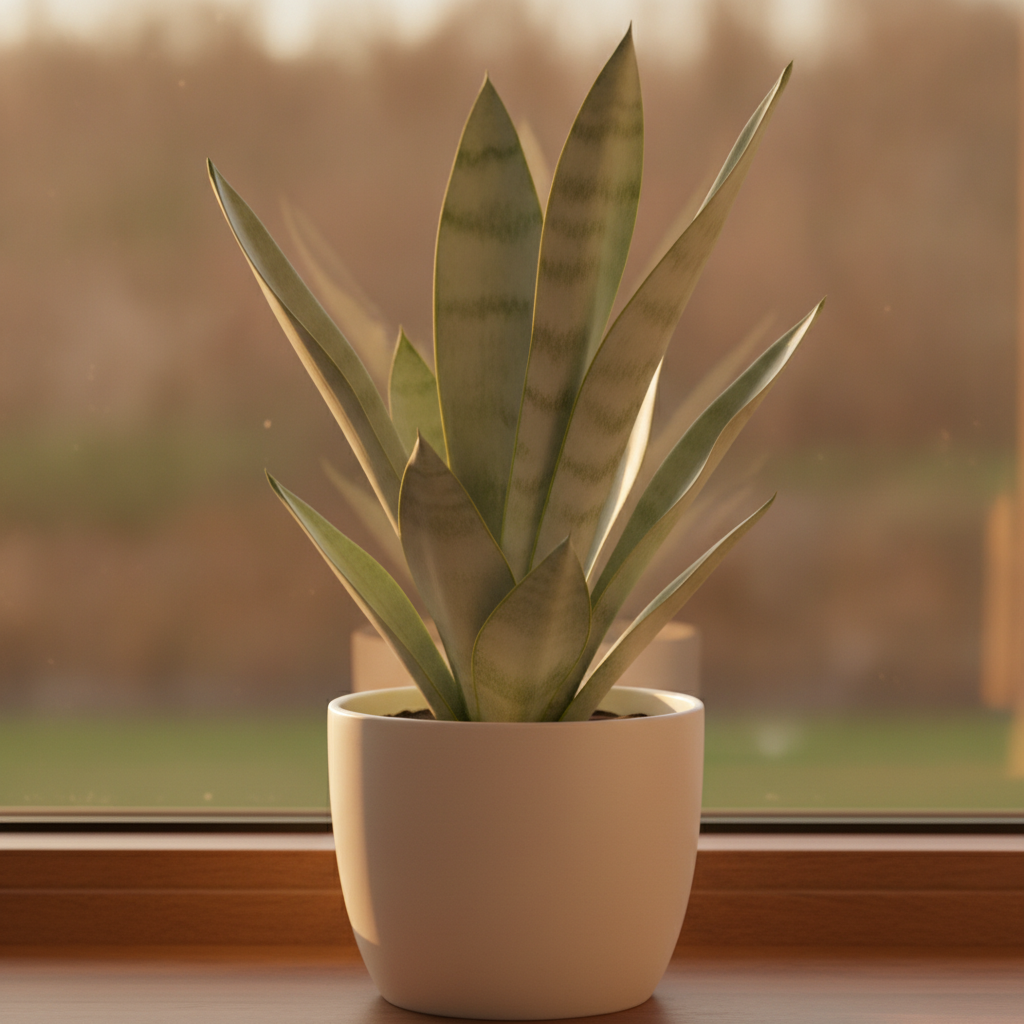
Moonshine
The classic form, with broad upright blades in an almost uniform silvery sage-green, edged by only the faintest darker margin. Its calm, near-metallic colour is what sets it apart from every other snake plant.
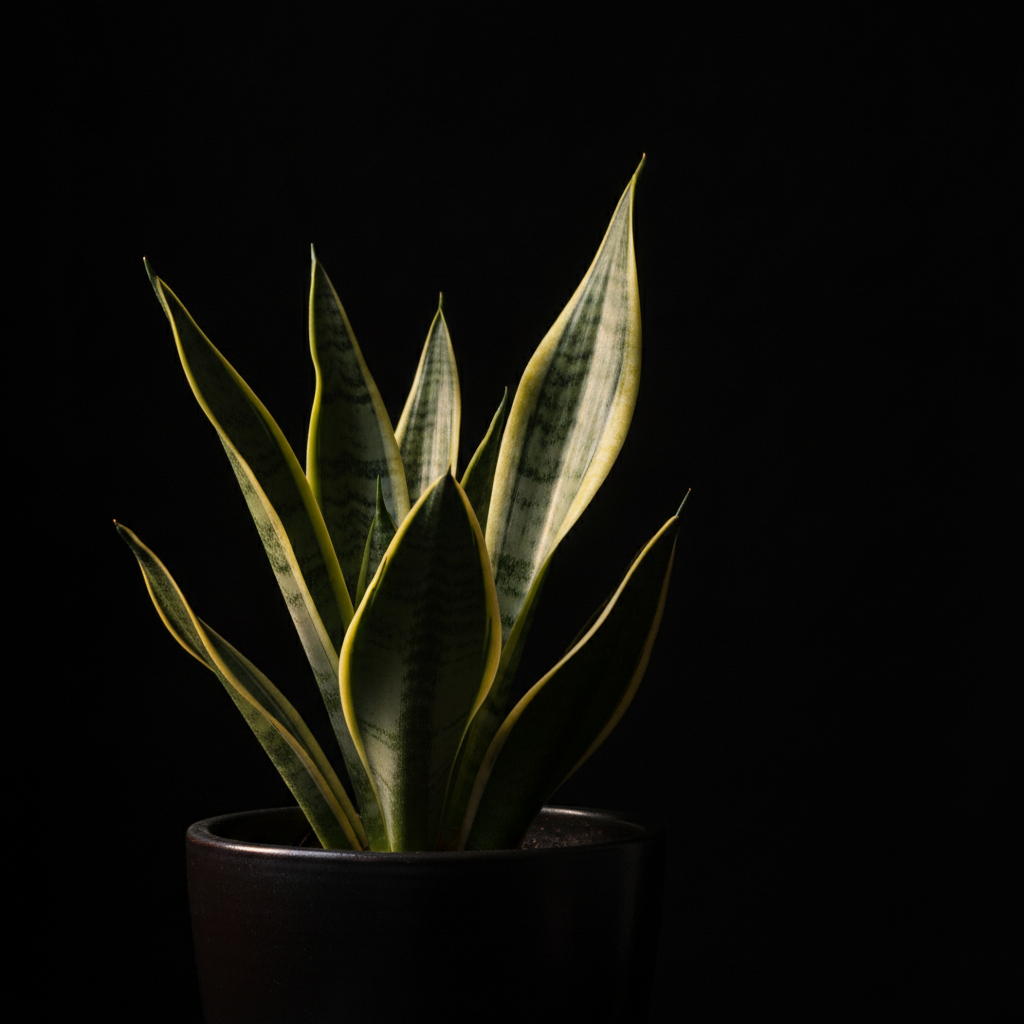
Moonshine Variegata
A scarcer sport of the Moonshine in which the silver blades are edged with soft creamy-yellow variegated margins. It combines the pale central colour with a brighter frame, though it needs good light to hold the variegation.
Variety Profiles in Detail
Laurentii (Dracaena trifasciata ‘Laurentii’)
The most familiar snake plant of all, Laurentii has tall green blades marked with grey cross-banding and bordered by bright golden-yellow margins. Like the Moonshine, it must be divided rather than grown from leaf cuttings to keep its yellow edges, which otherwise revert to plain green.
Hahnii (Dracaena trifasciata ‘Hahnii’)
Known as the bird’s nest snake plant, Hahnii forms a low, compact rosette of short leaves rather than tall upright blades. It stays small enough for a desk or shelf and comes in green and variegated forms, sharing all the toughness of its larger relatives.
Cylindrica (Dracaena angolensis)
The African spear plant produces round, rigid, spear-like leaves instead of flat blades, sometimes braided or fanned for display. Now classified as a separate species, it is grown and cared for in exactly the same way as the Moonshine and makes a striking architectural companion.
Choosing the Right Variety for Your Space
Choosing between the snake plant cultivars is largely about scale and colour. For a tall, sculptural accent in a bright room, the Moonshine or a banded Laurentii works beautifully; for a compact spot such as a desk or bathroom shelf, the low rosette of Hahnii fits neatly. If it is the Moonshine’s luminous silver you are after, give it the brightest indirect light you can spare, and remember that all of these plants ask for the same minimal, drought-tolerant care.
Frequently Asked Questions
Why is my Moonshine snake plant turning green?
Fading from silver toward green is almost always a light issue. In low light the plant produces more chlorophyll to survive, which darkens the leaves. Move it to a brighter spot with plenty of indirect light and new growth should return to the pale, silvery tone. Note that plants grown from leaf cuttings may be permanently green, as the cultivar reverts when propagated that way.
How often should I water a Moonshine snake plant?
Water only when the soil has dried out completely, which typically means every two to three weeks in spring and summer and as little as once a month or less in winter. Always let the soil dry fully between waterings, and when unsure, wait. This plant tolerates drought far better than excess water.
Is the Moonshine snake plant toxic to pets?
Yes. Like all snake plants it contains saponins that are toxic to cats and dogs, and can cause drooling, vomiting and diarrhoea if the leaves are chewed or swallowed. It is also mildly toxic to humans. Keep it out of reach of pets and children.
Can I propagate a Moonshine from a leaf cutting?
You can root a leaf cutting, but the resulting plant will usually revert to plain green and lose the silver colour. To keep the Moonshine true to type, always propagate by division, separating the rhizome so each new plant carries the cultivar’s colouring intact.
Why are the leaves of my Moonshine wrinkling or curling?
Wrinkled, puckered or curling leaves usually signal underwatering, meaning the plant has drawn down its stored water reserves. Give it a thorough drink and the leaves should plump up within a day or two. If the leaves are instead soft and yellow, suspect overwatering and root rot rather than thirst.
How big does a Moonshine snake plant grow?
Indoors, a Moonshine typically reaches around 60 to 90 centimetres (24 to 36 inches) tall, occasionally a little more in ideal conditions. It is a slow grower, so expect it to take several years to reach full size and to add only a few new leaves each season.
Does the Moonshine snake plant flower?
It can, though flowering is uncommon indoors. A mature, slightly root-bound plant in good light may occasionally send up a tall spike of small, fragrant, greenish-white flowers. It is an unpredictable event and not something to rely on, but a pleasant surprise when it happens.
Why does my Moonshine have brown leaf tips?
Brown, crispy tips can result from inconsistent watering, a build-up of fertiliser salts or mineral-heavy tap water. Water thoroughly and evenly when the soil is dry, feed only sparingly, and flush the pot occasionally with plain water. If tap water is the culprit, switching to filtered or rainwater often helps.
Can a Moonshine snake plant survive in a windowless room?
It can survive for a time in very low light, but it will not thrive, its colour will fade and growth will stall. In a room with no natural light, add a full-spectrum LED grow light run for 10 to 12 hours a day to keep the plant healthy and maintain its silvery appearance.
Do I need to mist my Moonshine snake plant?
No. The Moonshine is adapted to dry conditions and thrives in ordinary household humidity. Misting is unnecessary and can actually encourage fungal leaf spot and rot by leaving moisture sitting on the leaves. Good airflow matters far more to this plant than humidity.






