
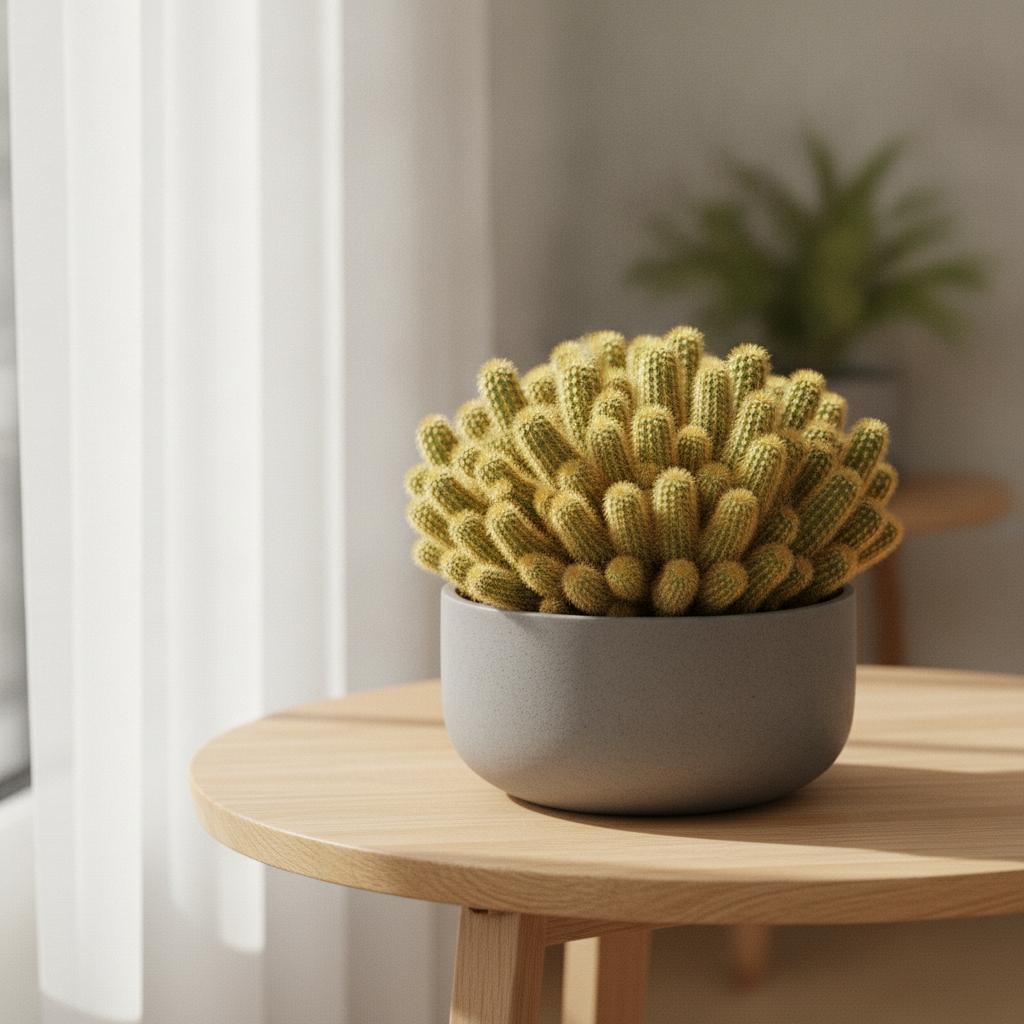
Few cacti look quite as approachable as the ladyfinger cactus. Instead of one intimidating column of spikes, Mammillaria elongata builds itself from dozens of slender, finger-like stems, each wrapped in tidy rosettes of golden spines that catch the light like combed straw. It is the sort of plant that survives on a forgotten windowsill for years, yet rewards a little genuine attention with a spring crown of tiny pale flowers. This guide covers everything that separates a ladyfinger cactus that merely survives from one that truly thrives, from the quality of light it wants to the gritty soil that keeps its roots alive.
In This Guide
- Quick Reference
- Why the Ladyfinger Cactus Is Worth Growing
- Light
- Watering
- Soil and Potting
- Fertilising
- Propagation
- Pests and Problems
- Varieties
- Frequently Asked Questions
Quick Reference
The ladyfinger cactus, also sold as the gold lace cactus, is one of the most forgiving members of the enormous Mammillaria genus. The table below summarises the conditions it needs to do more than merely hang on.
| Botanical name | Mammillaria elongata |
| Common names | Ladyfinger cactus, gold lace cactus, golden star cactus |
| Family | Cactaceae |
| Origin | Rocky limestone slopes of central Mexico |
| Mature size | 10 to 15 cm (4 to 6 in) tall, spreading to 30 cm (12 in) or more as a clump |
| Light | Bright direct sun, at least 4 to 6 hours daily |
| Water | Soak thoroughly, then let the soil dry out completely; barely any in winter |
| Soil | Very gritty, fast-draining cactus mix |
| Temperature | 18 to 30 degrees C (64 to 86 F) in growth; cool and dry in winter |
| Humidity | Low; dry indoor air is ideal |
| Fertiliser | Dilute low-nitrogen cactus feed, spring and summer only |
| Propagation | Separation of offsets, or seed |
| Toxicity | Non-toxic to cats and dogs, but the spines are a physical hazard |
| Difficulty | Easy |
Why the Ladyfinger Cactus Is Worth Growing
The appeal of Mammillaria elongata lies in its architecture. A young plant may start as a single upright stem, but it soon begins to branch and cluster from the base, throwing out new fingers until the pot brims with a mound of them. Each stem is a slim cylinder, rarely more than a couple of centimetres thick, covered in spiralling tubercles. From every tubercle radiates a neat star of spines, and it is these that give the plant its softer, almost woven appearance. Depending on the clone, the spines range from pale straw yellow through rich gold to coppery brown, and in strong light they take on a luminous quality that flatter columnar cacti simply cannot match.
It is also a genuinely small plant, which matters for anyone short on space. A mature clump sits comfortably on a windowsill or a bright shelf for a decade or more, spreading outward rather than upward. In late winter and early spring, established plants often produce a ring of small funnel-shaped flowers near the top of each stem, usually creamy white or the palest yellow, occasionally flushed pink. The flowers are modest rather than showy, but they arrive at a time of year when little else on the windowsill is doing anything at all.

Crucially, this is a cactus that tolerates neglect far better than fussing. It comes from a climate of intense light, sharp drainage and long dry spells, which means the most common way to kill it is kindness in the form of too much water. Understand its native rhythm of soak and drought, give it the brightest spot you have, and the ladyfinger cactus becomes one of the lowest-maintenance plants you can own.
Light
Light is the single most important factor in growing a good-looking ladyfinger cactus, and it is where most indoor specimens fall short. In the wild, these plants grow fully exposed on sun-baked slopes, and they carry that need indoors. Aim to give the plant at least four to six hours of direct sun each day. A south-facing or west-facing windowsill is ideal in most homes; an east-facing window can work but may leave the plant slightly hungry for light through the darker months.
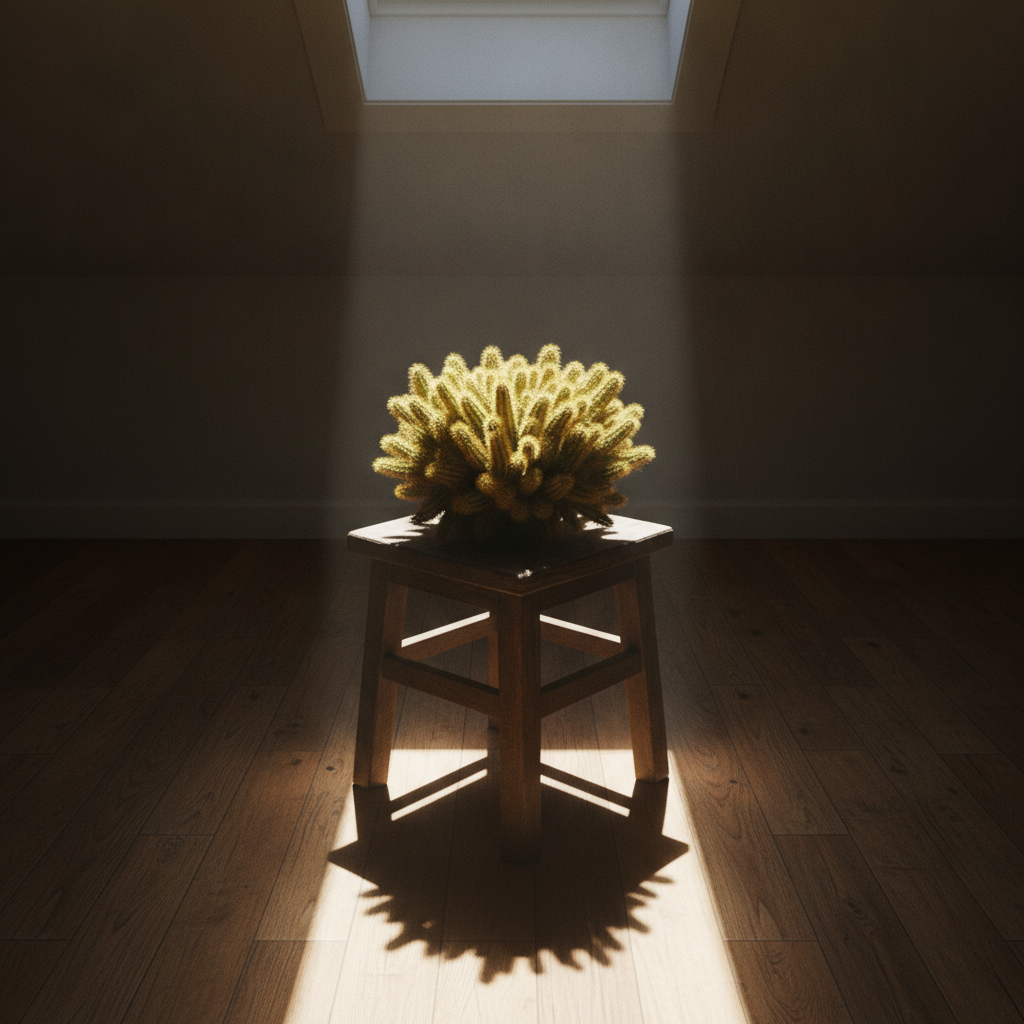
The clearest sign of insufficient light is etiolation. Instead of staying stubby and rounded, the stems begin to stretch, growing thin and pale as they reach toward the window. New growth loses its dense, star-like spine pattern and the whole plant takes on a spindly, drawn look that never fully recovers, since a stem cannot un-stretch once it has elongated. If you notice this happening, move the plant to a brighter position gradually rather than all at once, because a cactus that has acclimatised to low light can scorch if suddenly thrust into fierce summer sun.
Pro Tip, Rotate for Even Growth: Cacti grow toward the light, so a plant that never turns will lean and cluster unevenly. Give the pot a quarter turn every week or two to keep the mound symmetrical and the spines colouring uniformly on all sides.
If you lack a genuinely bright window, a full-spectrum LED grow light is a reliable substitute. Positioned 20 to 30 cm (8 to 12 in) above the plant and run for ten to twelve hours a day, it will keep the stems compact and the spines well coloured through even the dimmest winter. Whatever the source, the rule is simple: with this plant, there is almost no such thing as too much light indoors.
Watering
Watering is where good intentions do the most damage. The ladyfinger cactus stores water in its stems and is built to endure long droughts, so it wants a deliberate cycle of thorough soaking followed by complete drying. When you water, water properly: drench the soil until it runs freely from the drainage holes, making sure the entire root ball is wetted rather than just the surface. Then leave the plant strictly alone until the soil has dried out all the way through.
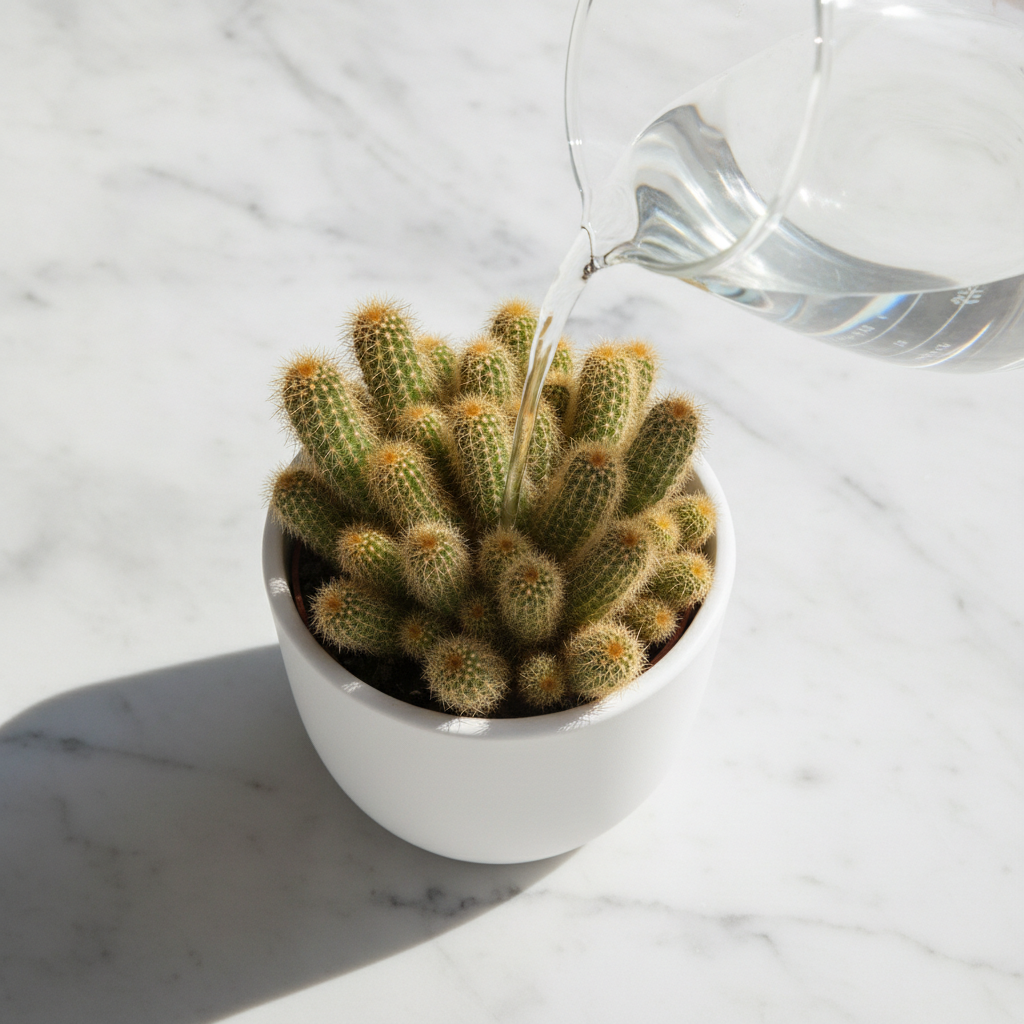
In practice, that means watering roughly every ten to fourteen days during the warm growing season of spring and summer, though the exact interval depends on your light, pot size and how gritty your mix is. The most reliable test is to push a finger or a wooden skewer into the soil; if it comes out with any moisture or clinging particles, wait longer. In winter the plant enters near-dormancy and its water needs collapse. From roughly November to February, water only enough to stop the stems from shrivelling, which for many plants means once a month or even less. This cool, dry winter rest is also what encourages the plant to flower the following spring.
Warning, Rot Is Usually Fatal: A cactus left sitting in wet soil, especially over winter, will rot from the roots up. The first sign is often a soft, discoloured or translucent patch at the base of a stem. By the time it shows, the damage is usually done, so always err on the side of too dry rather than too wet.
Always tip away any water that collects in the saucer within half an hour, and never let the pot stand in it. Soft, room-temperature water is fine; there is no need for anything special. If you are ever unsure whether to water, the safe answer with this plant is almost always to wait.
Soil and Potting
The right soil is the other half of the watering equation, because drainage is what makes a soak-and-dry routine possible. Standard houseplant compost holds far too much moisture and will suffocate cactus roots. What the ladyfinger cactus wants is a coarse, open, mineral-rich mix that lets water pass straight through and admits plenty of air to the roots.
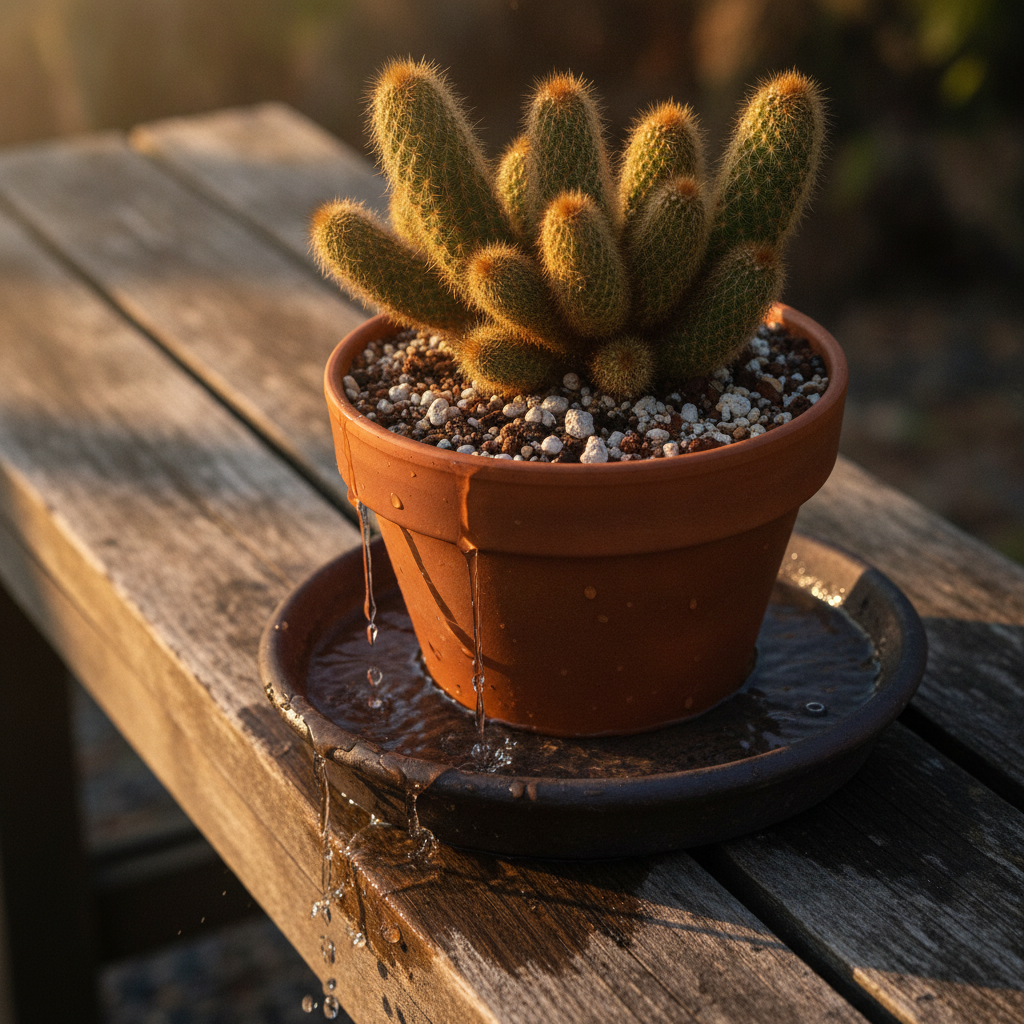
A good starting point is a proprietary cactus and succulent compost with extra grit stirred through it. As a rough recipe, combine two parts of a decent cactus mix with one part coarse material such as pumice, perlite or horticultural grit. The finished blend should feel gritty in the hand and pour rather than clump. When you water it, the liquid should drain through within seconds; if it pools on the surface, add more grit. A terracotta pot suits this plant well, since the porous clay wicks moisture away and dries the root ball faster than plastic. Whatever the material, a generous drainage hole is non-negotiable.
Ladyfinger cacti are slow growers and are quite happy being a little snug in their pots, so there is no rush to repot. Every two to three years is plenty, ideally in spring at the start of the growing season, and only when the clump has genuinely filled its container. Choose a new pot just one size larger. The main challenge is handling a spiny, clustering plant without damaging yourself or the stems.
Pro Tip, Handle Without Pain: Fold a thick strip of newspaper into a band, wrap it around the cluster like a sling, and use it to lift the plant out of its pot. It protects your fingers, spreads the pressure across many stems at once, and keeps the delicate spines from being crushed.
After repotting, resist the urge to water straight away. Leave the plant dry for about a week so that any roots damaged during the move can callus over, then resume normal watering. This short pause dramatically reduces the risk of rot setting in through fresh wounds.
Fertilising
In its native ground the ladyfinger cactus grows in thin, mineral soils with very little to feed on, so its appetite is small. It does not need rich feeding to stay healthy, but a light touch of fertiliser during the growing season supports steady growth and better flowering. The key is restraint: too much feed, particularly too much nitrogen, produces soft, swollen growth that is prone to splitting and to attack by pests.
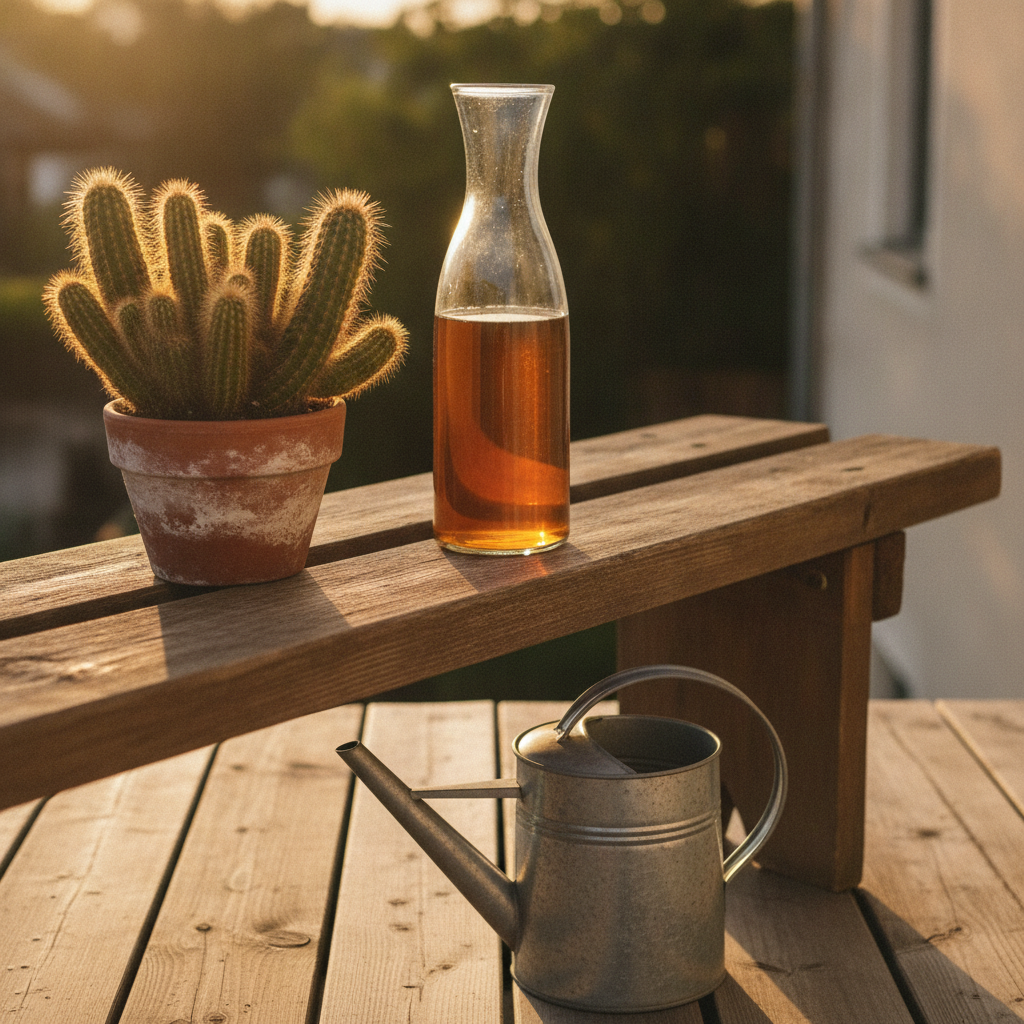
Use a fertiliser formulated for cacti and succulents, which is low in nitrogen and higher in potassium and phosphorus to favour flowers and firm growth. Dilute it to half the strength recommended on the label and apply it only when the plant is in active growth, roughly from April to September. Feeding once every four to six weeks during that window is ample. Always apply feed to already-moist soil rather than a bone-dry root ball, since fertiliser salts applied to dry roots can scorch them.
Stop feeding entirely from autumn through winter. During the cool dormant months the plant is not growing and cannot use the nutrients, so any fertiliser simply accumulates as salts in the soil. If you have repotted into fresh cactus compost in spring, you can skip feeding altogether for the first few months, as the new mix will carry enough nutrition to see the plant through.
Propagation
Propagating a ladyfinger cactus is refreshingly straightforward, because the plant does most of the work itself. Its clustering habit means it is constantly producing offsets, the small new stems that appear around the base and along the sides of the clump. Separating these is the easiest and most reliable way to make new plants, and it doubles as a way to tidy an overgrown clump.
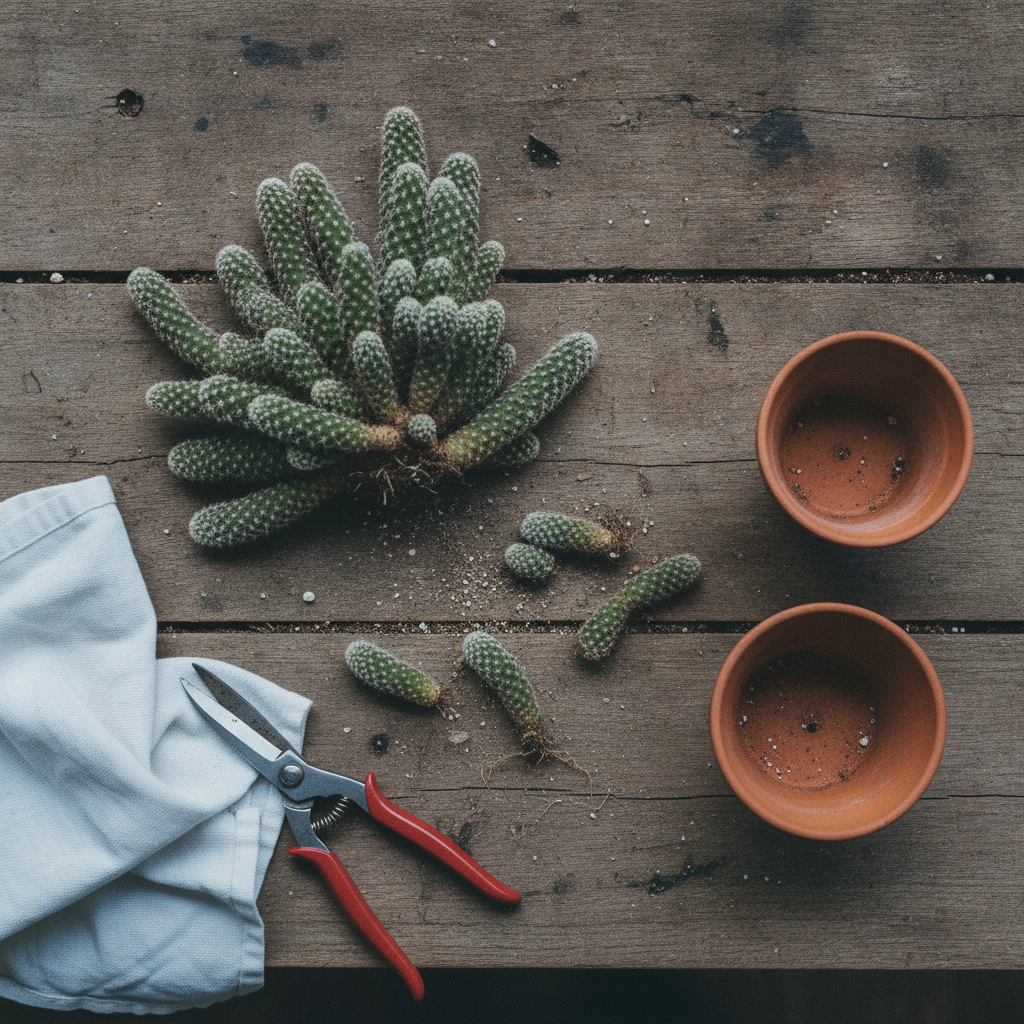
The best time to take offsets is spring or early summer, when the plant is growing actively and will root quickly. Work carefully with folded newspaper or tongs to protect your hands. To divide the plant, follow these steps:
- Choose a plump, healthy offset and gently twist or cut it away from the parent, using a clean, sharp knife if it does not separate easily. Try to keep any roots that come with it.
- Set the offset aside in a dry, shaded spot for three to seven days so the cut surface can callus over. This dry scab is what prevents rot once it is planted.
- Fill a small pot with the same gritty cactus mix you use for mature plants and settle the calloused offset onto the surface, burying only the very base.
- Wait about a week before watering lightly for the first time, then keep the soil only barely moist until you feel resistance when you tug gently, which signals that roots have taken hold.
- Once rooted and growing, move the young plant into bright light and treat it exactly like an adult ladyfinger cactus.
Propagation from seed is also possible and is how many named forms are raised commercially, but it is a slow business that demands warmth, patience and careful moisture control over many months. For the home grower, dividing offsets gives near-guaranteed results in a fraction of the time.
Pests and Problems
A well-grown ladyfinger cactus is rarely troubled, but its dense mass of spines and tightly packed stems can hide a few opportunists. Regular, close inspection is the best defence, since problems caught early are far easier to deal with than an infestation that has spread through the whole clump.
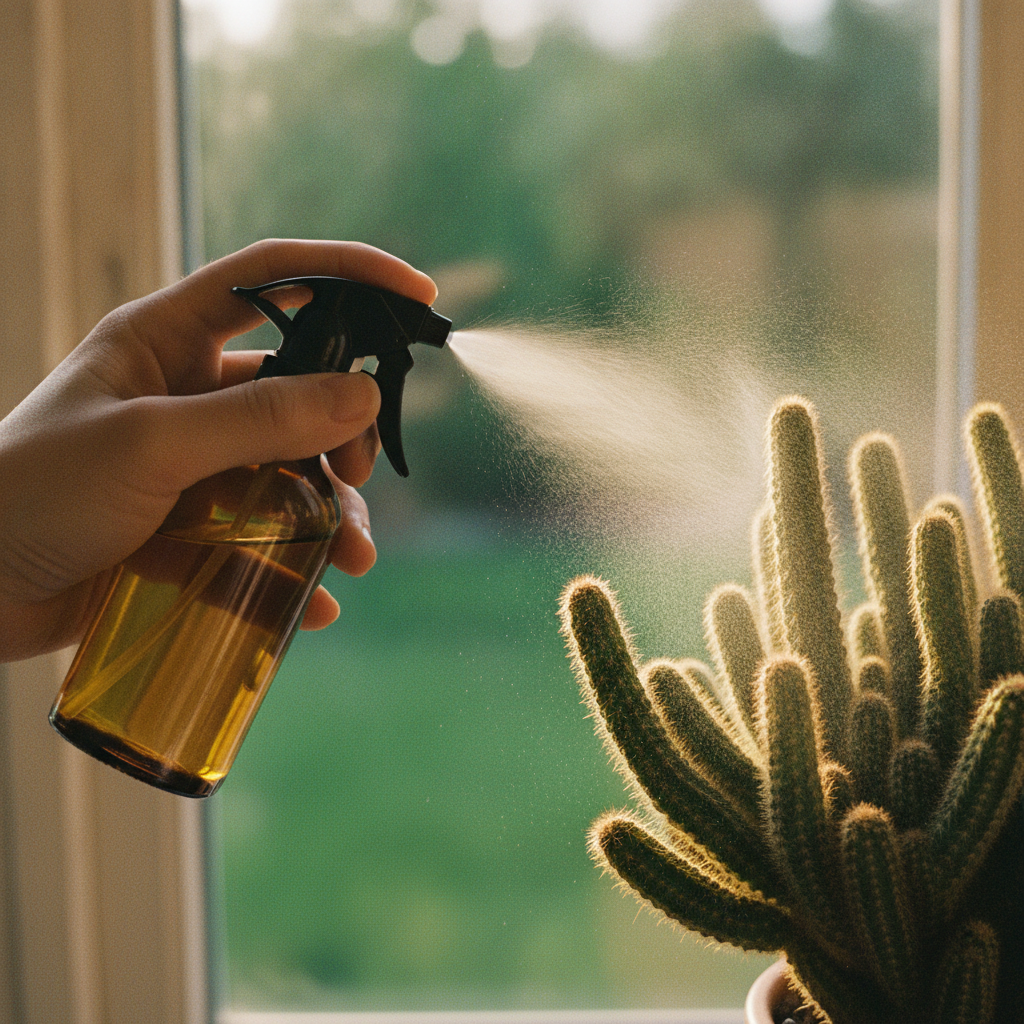
The most common pest by far is the mealybug, which shows up as small tufts of white, cottony fluff tucked between the stems and in the crevices at the base of the spines. Because these hiding places are hard to reach, mealybugs can build up unnoticed. Dab individual colonies with a cotton bud dipped in isopropyl alcohol, which dissolves their protective coating on contact, and follow up with a thorough spray of a dilute neem or horticultural oil to catch the rest. Repeat every week or so until no new fluff appears. Root mealybugs, a related pest that colonises the roots, are worth checking for at repotting time if a plant is inexplicably failing to thrive.
Spider mites can appear in hot, dry conditions, leaving fine webbing and a stippled, dull look on the stems, while scale insects occasionally attach as small brown bumps. Both respond to the same oil treatment used for mealybugs. By far the biggest threat, though, is not an insect at all but rot, driven by overwatering and poor drainage. A stem that turns soft, brown, black or translucent, especially near the base, is rotting. Act fast: cut away all affected tissue back to firm, healthy green, let the wound dry, and if the roots are involved, salvage any clean offsets as insurance. Prevention, through gritty soil and disciplined watering, is far more effective than any cure.
Two other issues are cosmetic rather than dangerous. The oldest stems at the base of a mature clump often develop a corky, brown, woody texture over time; this is a normal sign of age, not disease. And stretched, pale growth, as covered in the light section, points to too little sun rather than any pest. Correcting the light will not reverse the elongated stems, but it will keep all future growth compact and well coloured.
Varieties
Mammillaria elongata is a variable species, and growers have selected a number of forms that differ mainly in spine colour and density. All share the same easygoing care, so choosing between them comes down to appearance. Two of the most widely grown are shown below.
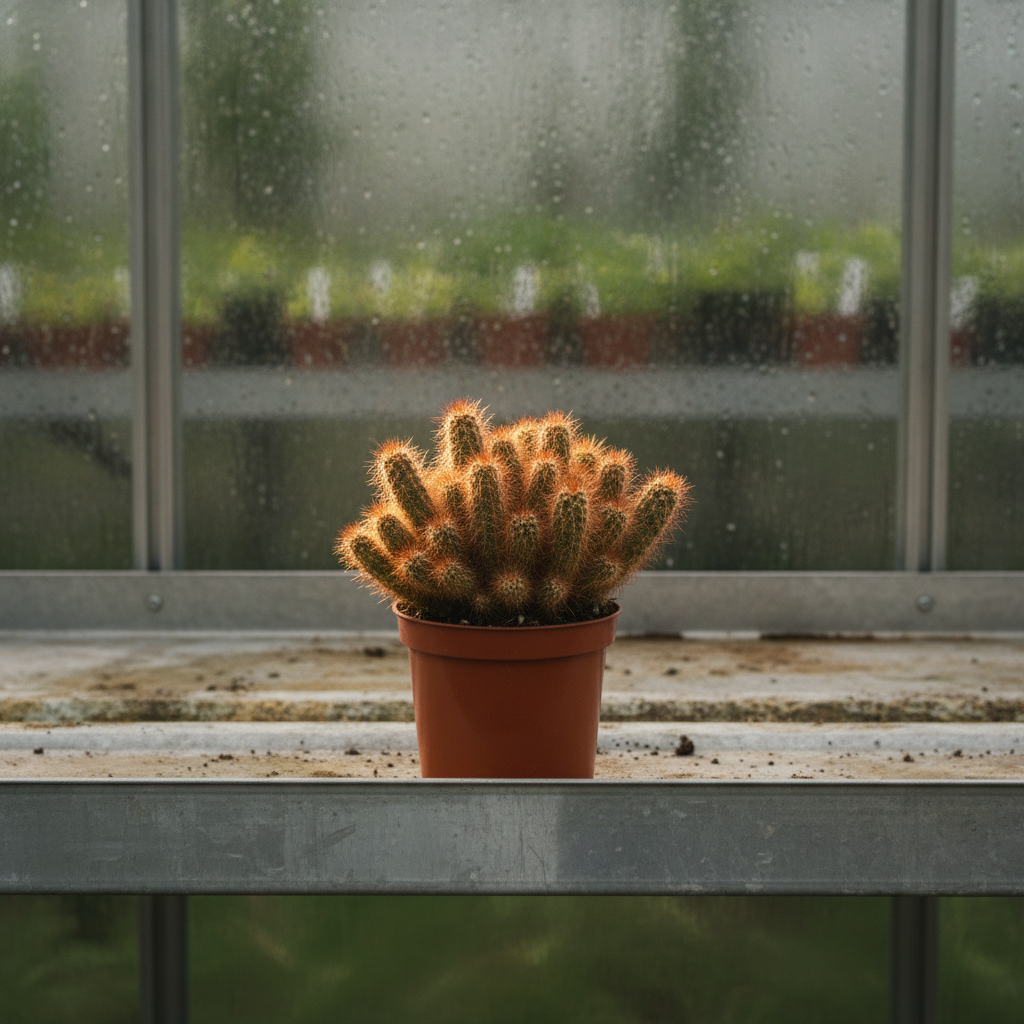
Copper King is prized for its warm, coppery-red to amber spines, which curve softly around each stem and seem to glow when backlit by low sun. The colour is strongest in bright light, so this form especially rewards a sunny position. It makes a striking contrast to the more familiar yellow types and is one of the most sought-after selections of the species.
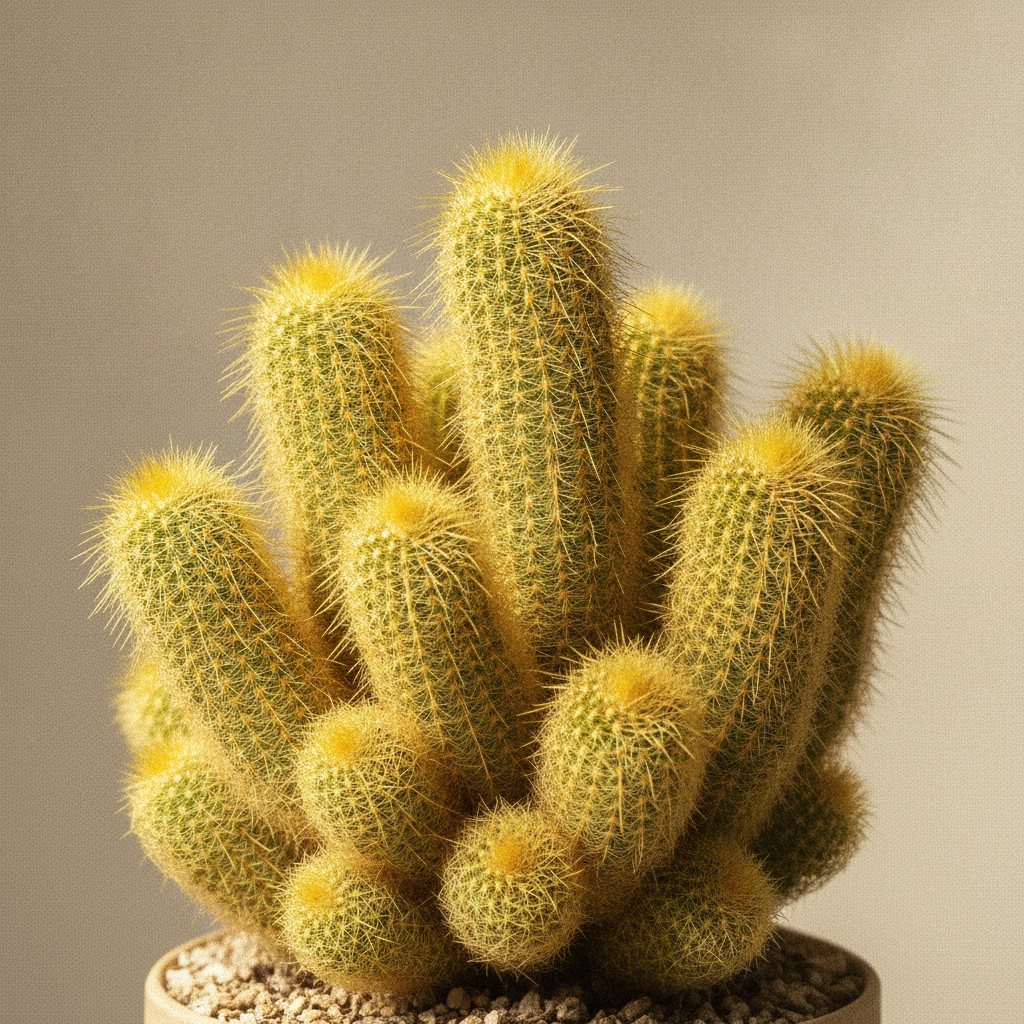
Gold Lace, sometimes sold under the varietal name echinaria, wraps its stems in dense, bright golden-yellow spines that interlace into a fine, lacy net. It is the classic look most people picture when they hear the name gold lace cactus, and the tightly packed spines make the clump appear soft and almost furry from a distance. Like the species, it clusters freely into a generous mound.
You may also encounter the crested form, Mammillaria elongata f. cristata, whose growing point fans out into undulating, brain-like ridges rather than separate fingers; it is usually sold under its own name of brain cactus. Whichever form you grow, the care remains identical, which makes collecting several a very low-effort pleasure.
Frequently Asked Questions
Why is my ladyfinger cactus growing tall and thin?
Thin, pale, stretched stems are a classic sign of etiolation, meaning the plant is not getting enough light and is reaching toward the brightest source it can find. Move it to a sunnier window or add a grow light. The already-stretched growth will not shrink back, but new growth will return to the compact, well-spined form once the light improves.
How often should I water a ladyfinger cactus?
Water thoroughly only when the soil has dried out completely, which is roughly every ten to fourteen days in spring and summer. In winter, reduce this to once a month or even less. The interval matters less than the principle: always let the mix dry all the way through between waterings, and never leave the pot standing in water.
Is the ladyfinger cactus safe for pets?
The plant is not chemically toxic to cats or dogs, so a curious nibble will not poison them. The real risk is physical: the spines can lodge in paws, mouths and noses. It is sensible to keep the plant out of reach of pets and children who might brush against it.
Why won’t my ladyfinger cactus flower?
The two most common reasons are too little light and the absence of a proper winter rest. To trigger the spring ring of flowers, give the plant strong sun through the growing season and then keep it cool and almost completely dry from late autumn through winter. This dormant period is what signals the plant to set buds.
How do I get more plants from my ladyfinger cactus?
Separate one of the many offsets that form around the base, let the cut end dry and callus for several days, then pot it into gritty cactus mix and wait about a week before its first light watering. Spring and early summer give the fastest, most reliable rooting.
The base of my cactus has gone brown and woody. Is it dying?
Not necessarily. If the browning is firm, dry and corky at the very base of the oldest stems, it is simply a natural sign of maturity and nothing to worry about. If, on the other hand, the discoloured area is soft, mushy or spreading upward, that is rot, and you should cut back to healthy tissue immediately and review your watering.






