
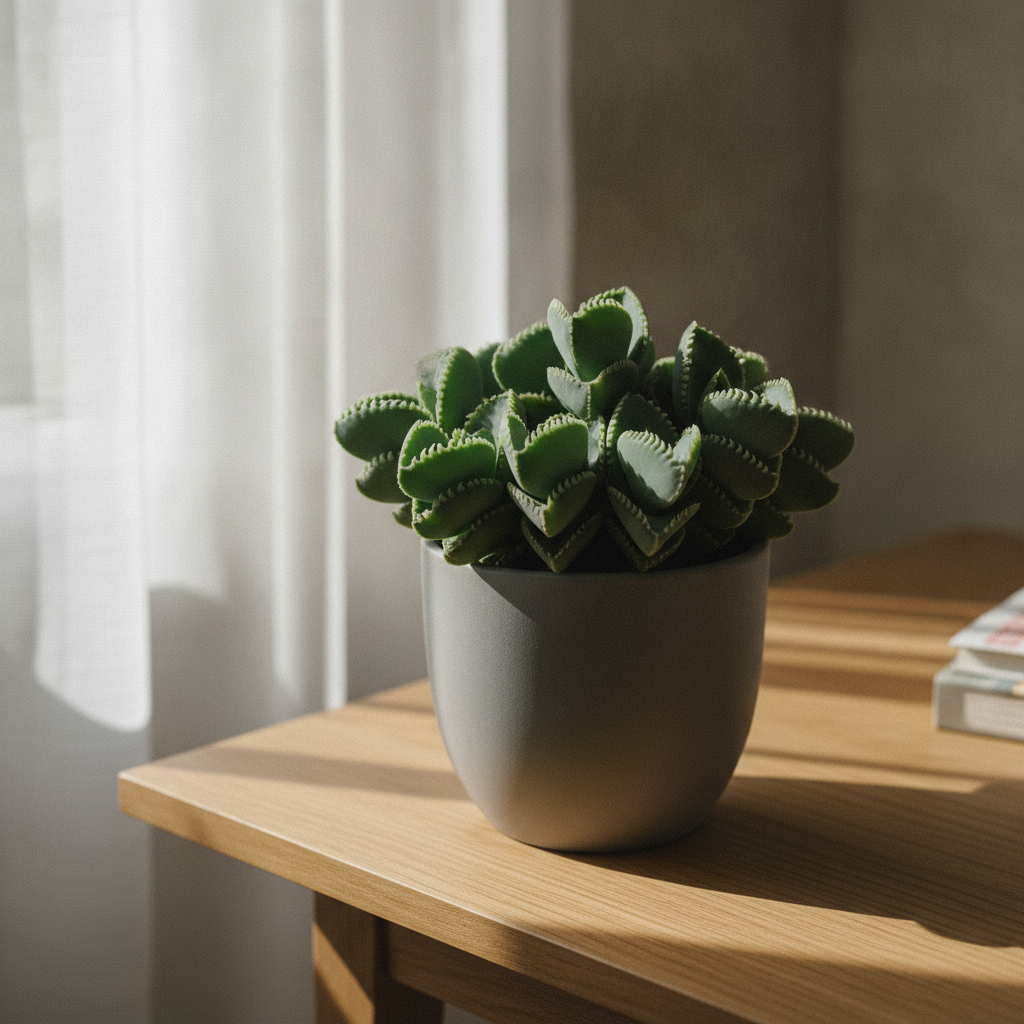
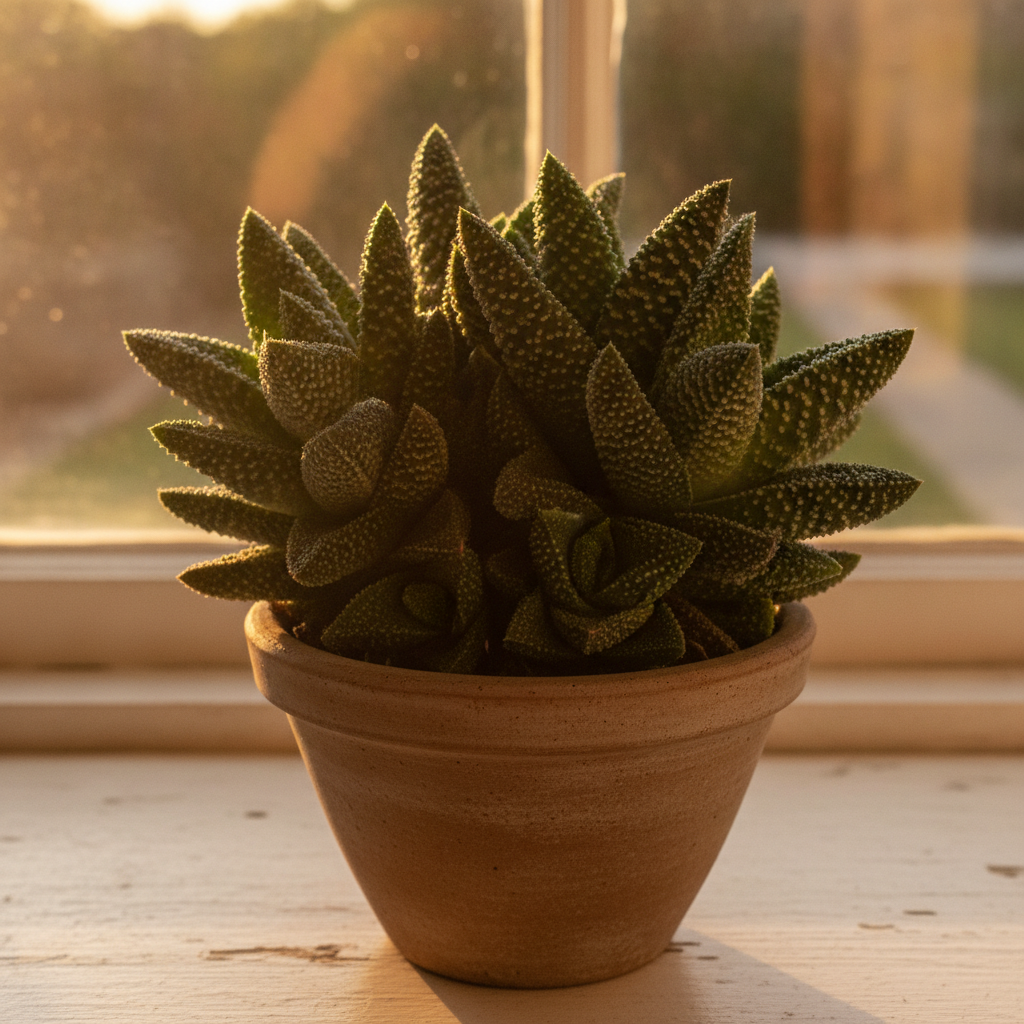
Few succulents wear their common name quite so literally as Tiger Jaws. Each pair of fat, triangular leaves clamps together along soft white teeth, and the whole rosette looks for all the world like a set of open jaws frozen mid-yawn. Faucaria tigrina is a low, clumping plant from the dry interior of South Africa, and it belongs to a group of growers who learn one lesson the hard way: the fastest route to a dead Tiger Jaws is kindness in the form of a watering can. Treat it like the desert plant it is, and it will reward you with decades of slow, sculptural growth and improbably large golden flowers in autumn.
Quick Reference
This table distils everything a Tiger Jaws needs into one glance. The sections that follow expand on each line, but if you only take away one number, make it the watering interval: this plant tolerates drought far better than it tolerates a soggy pot.
| Botanical name | Faucaria tigrina |
| Common names | Tiger Jaws, Shark’s Jaw, Tiger’s Jaw |
| Family | Aizoaceae (the mesemb or ice plant family) |
| Native range | Eastern Cape, South Africa (Great Karoo and Fish River valley) |
| Mature size | 10 to 15 cm (4 to 6 in) wide, spreading into clumps |
| Light | Bright direct light; at least 4 to 6 hours of sun |
| Water | Soak and dry; roughly every 2 to 3 weeks in growth, far less in summer rest |
| Soil | Very gritty, fast-draining mineral mix |
| Temperature | 18 to 24 degrees C (64 to 75 degrees F); brief lows near 0 degrees C (32 degrees F) if dry |
| Humidity | Low; ordinary dry room air is ideal |
| Feeding | Weak, dilute feed once or twice during active growth |
| Flowering | Large yellow daisy-like blooms in autumn, opening in the afternoon |
| Propagation | Division of clumps, offsets, leaf cuttings, or seed |
| Toxicity | Non-toxic to cats, dogs and humans |
| Difficulty | Easy, provided you resist overwatering |
Why Tiger Jaws Makes a Rewarding Houseplant
Tiger Jaws earns its place on a windowsill through a rare combination of toughness and character. It is small enough to live happily in a 9 cm pot for years, sculptural enough to hold its own on a minimalist shelf, and forgiving enough to survive the kind of neglect that would finish off most leafy houseplants. The plant forms tight rosettes of three to five pairs of opposite leaves, each pair set at right angles to the one below in a pattern botanists call decussate. The leaf surfaces are usually dotted with small raised white tubercles, and the margins carry a row of curved, bristle-like teeth that are soft to the touch despite their fierce appearance.
The teeth are not there for show. In the wild, in the gravel flats and rocky slopes of the Eastern Cape, those bristles channel dew and light fog toward the base of the plant, funnelling scarce moisture down to the roots. The grey-green colouring and translucent dotting help the plant blend into the surrounding quartz gravel, hiding it from grazing animals. Understanding where Tiger Jaws comes from explains almost everything about how to keep it: this is a plant adapted to brilliant light, sharp drainage, long dry spells, and cool nights.
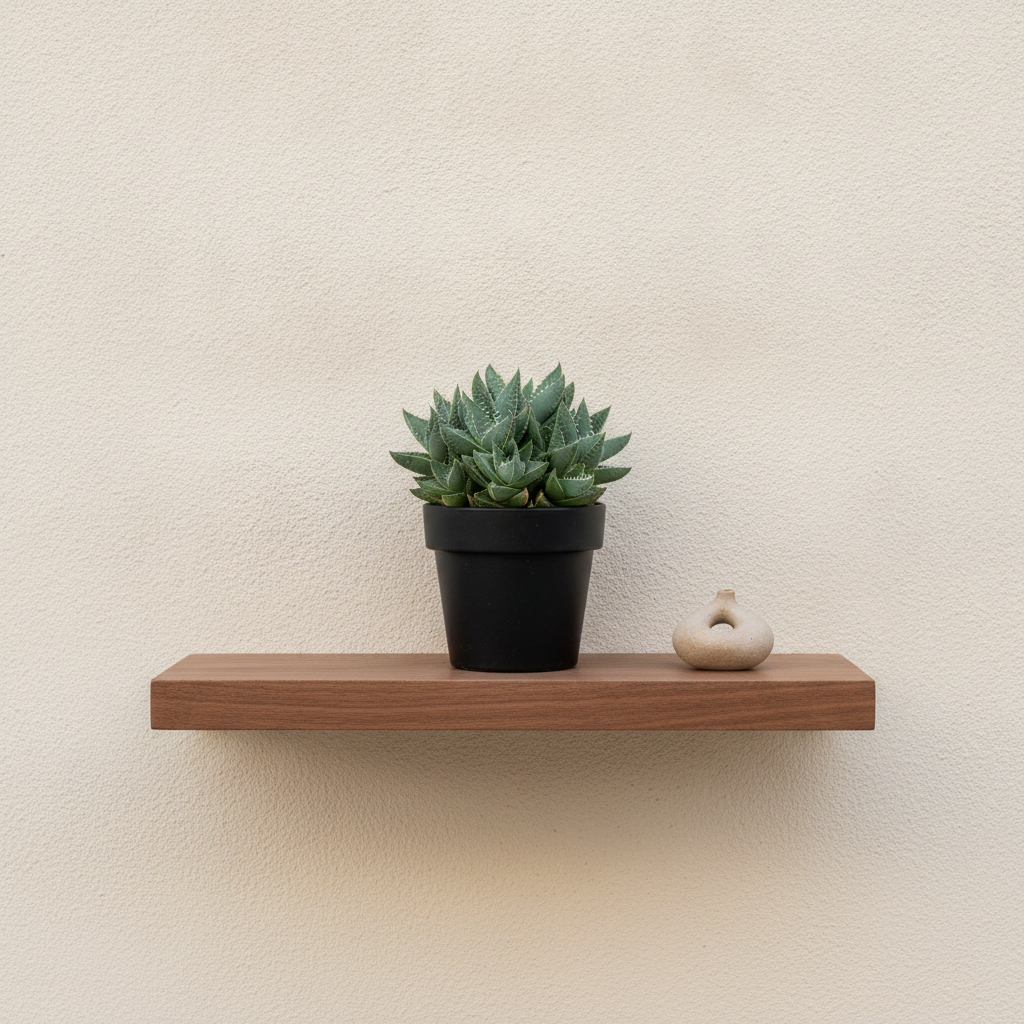
The real payoff comes in autumn. A well-grown, slightly stressed plant throws up surprisingly large flowers, golden-yellow and many-petalled, that look like daisies but belong to the same mesemb family as living stones and ice plants. The blooms emerge from the centre of a rosette, open in the warmth of the afternoon, and close again as the light fades, repeating the performance over several days. For a plant that asks so little, a flush of these flowers feels like an outsized reward. The distinction worth keeping in mind throughout this guide is the difference between a Tiger Jaws that merely survives and one that thrives: a survivor sits green and static in a dim corner, while a thriving plant colours up, stays compact, multiplies into a clump, and flowers on cue.
Light
Light is the single biggest lever you have over the appearance of a Tiger Jaws, and it is the area where indoor growers most often fall short. In its native Karoo, the plant grows in open, fully exposed positions under one of the brightest skies on earth. Inside a house, the goal is to come as close to that as a pane of glass will allow. A south-facing or west-facing window is ideal, giving the plant at least four to six hours of direct sun each day. In that kind of light the leaves stay short, fat and tightly packed, the white tubercles stand out crisply, and the plant has the reserves to flower.
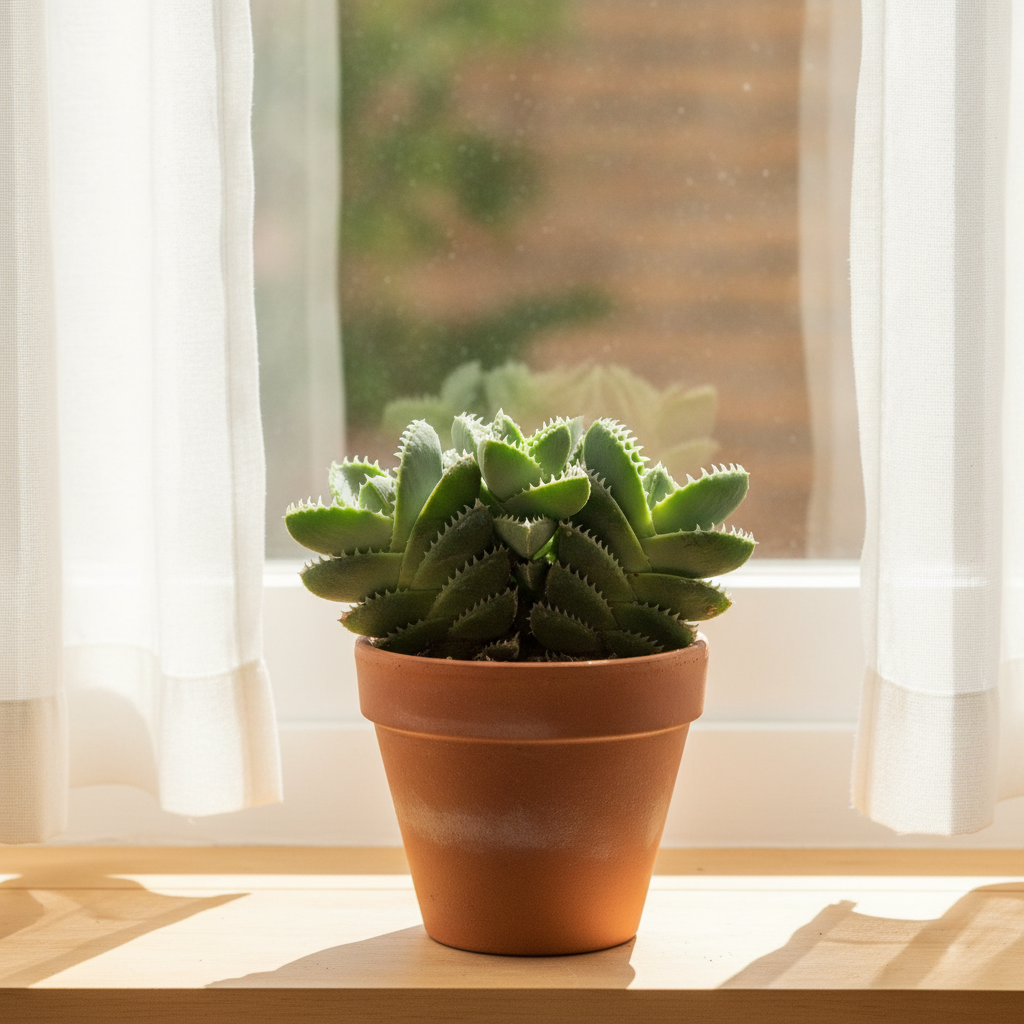
When light is too weak, Tiger Jaws does not die quickly, but it slowly loses everything that makes it attractive. The leaves stretch and thin out, the pairs splay apart instead of clasping, the colour fades to a dull, soft green, and flowering stops altogether. This stretching, known as etiolation, cannot be reversed; the elongated growth stays elongated, and only new growth in better light will return to its proper form. If your brightest window still leaves the plant looking pale and loose, a full-spectrum LED grow light positioned 20 to 30 cm (8 to 12 in) above the plant for around twelve hours a day makes an excellent substitute and is often the most reliable option through a dark northern winter.
Pro Tip – Easing into Summer Sun: A plant grown indoors over winter can scorch if moved abruptly into intense summer sun. If you want to give it a holiday outdoors, increase its exposure gradually over a week or two, starting in morning sun and dappled shade, so the leaves can build up their protective pigments without burning.
Watering
If you remember nothing else from this guide, remember that Tiger Jaws would rather be thirsty than wet. The fleshy leaves are water-storage organs, and a healthy plant carries weeks of reserves inside them at any given moment. Overwatering is by a wide margin the most common way these plants are killed, because the line between damp and rotten is short when the roots are sitting in dense, slow-draining compost. The correct method is the classic succulent rhythm of soak and dry: water the pot thoroughly until it runs from the drainage holes, then wait until the soil has dried out completely before watering again.
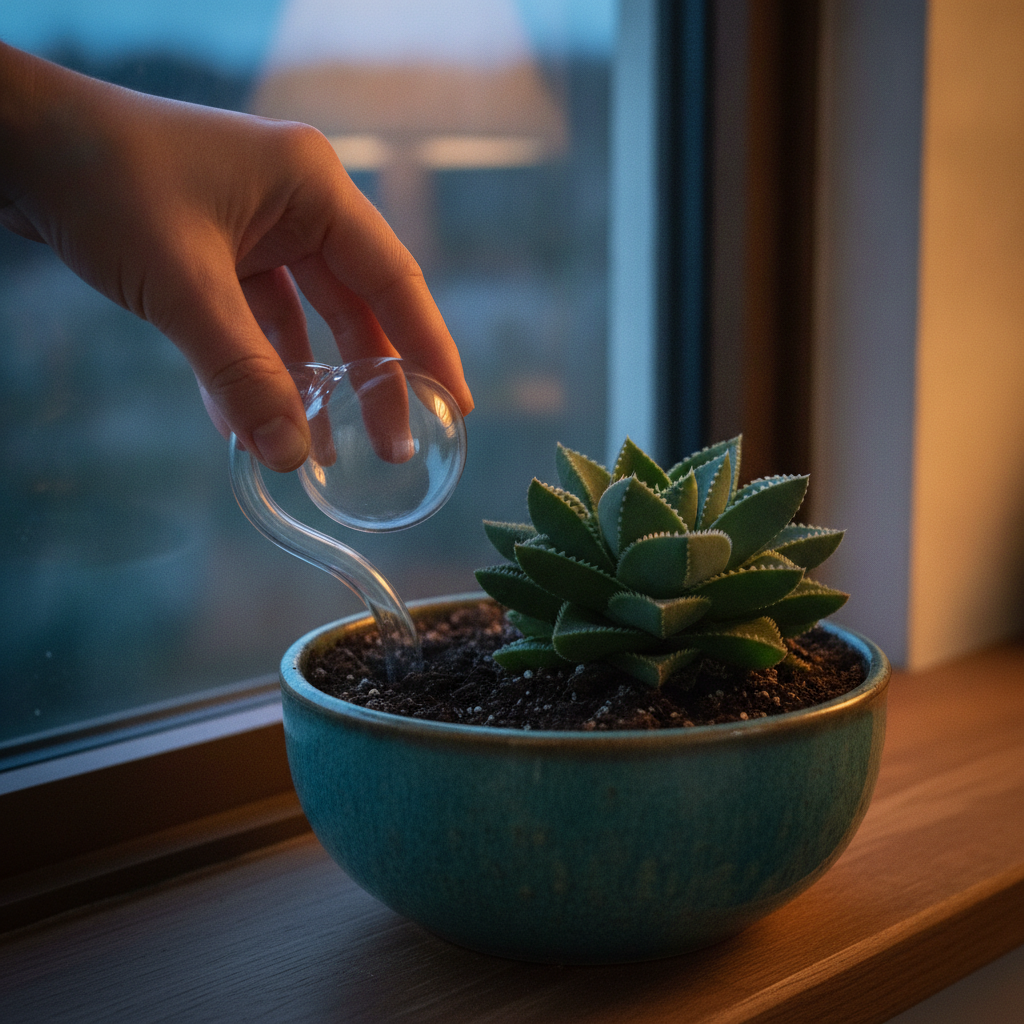
In practice, during the active growing seasons of spring and autumn, that usually works out to a thorough soaking once every two to three weeks, though the only reliable guide is the soil itself rather than the calendar. Push a finger or a wooden skewer down into the mix; if it comes out with any cool dampness clinging to it, wait. The plant’s own leaves also report on its state. Plump, firm leaves mean the reserves are full and no water is needed. Leaves that look slightly wrinkled or softer than usual are the plant’s signal that it is starting to draw down its stores, and that is the right moment to water.
Tiger Jaws takes a partial rest through the hottest part of summer, slowing its growth in response to extreme heat. During this period, cut watering back sharply to a light drink every three or four weeks, just enough to stop the roots desiccating entirely. As autumn arrives and temperatures ease, the plant wakes up, and this is when a return to regular watering helps trigger flowering. Always water at the base of the plant rather than over the rosette, since water pooling between the tightly packed leaves in cool conditions invites rot at the growing point.
Warning – Reading a Thirsty Plant Correctly: Wrinkled, soft leaves can mean either too little water or, confusingly, root rot from too much. Check the soil before reaching for the watering can. If the leaves are soft but the soil is still damp, the problem is rot, not drought, and adding more water will make it worse.
Soil and Potting
The right soil does more to protect a Tiger Jaws than any watering schedule, because a sufficiently gritty mix forgives the occasional over-generous watering by letting excess moisture drain away before it can cause harm. Ordinary houseplant compost holds far too much water around these roots and will eventually suffocate them. What the plant wants is a lean, mineral-heavy mix that drains in seconds and dries quickly. A good starting point is roughly half mineral grit and half a standard cactus or succulent compost. The grit can be coarse perlite, pumice, or fine horticultural gravel, and its job is to open up air channels so the roots can breathe.
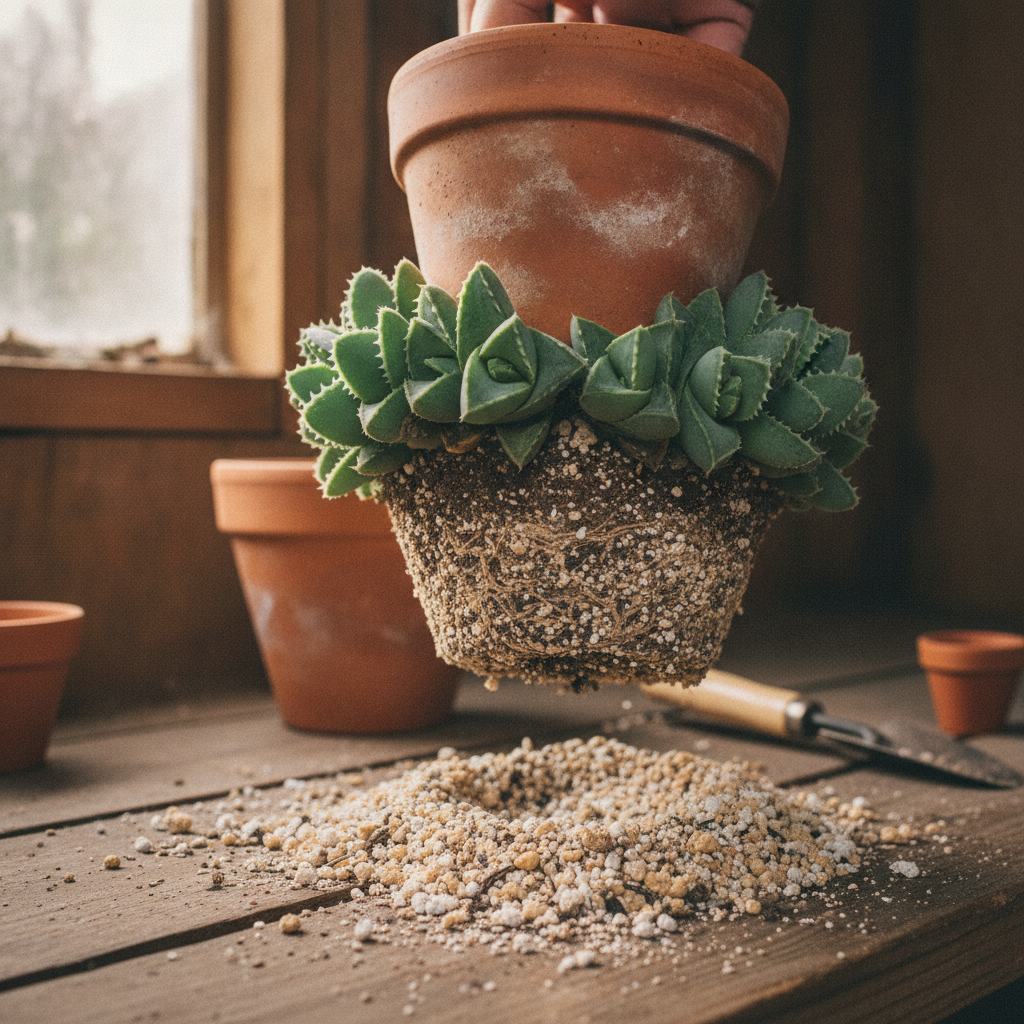
The pot matters almost as much as what goes inside it. A drainage hole is non-negotiable. Terracotta is the classic choice for this kind of succulent because the porous clay wicks moisture out of the soil and lets the rootball dry faster than it would in glazed ceramic or plastic. Because Tiger Jaws has a relatively shallow, fibrous root system and grows slowly, it is content in a snug, smallish pot, and a container only slightly larger than the rootball is better than an oversized one that holds a reservoir of damp soil the roots cannot reach.
Repotting is an occasional task rather than an annual one. Every two to three years, or when a clump has visibly filled its pot, lift the plant in spring or early autumn and refresh the mix. Tip it out gently, tease away the old soil, inspect the roots for any soft brown patches, and trim away anything that looks dead. Then settle it into fresh, dry mix and, crucially, wait several days before watering. This dry pause lets any roots that were nicked during repotting callus over, which dramatically lowers the risk of rot taking hold in the disturbed root zone.
Fertilising
Tiger Jaws is adapted to nutrient-poor soils and asks for very little feeding. In the wild it grows in thin, gritty ground that would starve a leafy plant, and it has no appetite for the rich diet that many houseplants enjoy. Overfeeding produces soft, swollen, sappy growth that is more prone to rot and far more attractive to pests, so restraint is the rule. For most growers, a single feed during the spring growth period and perhaps one more in early autumn is plenty.
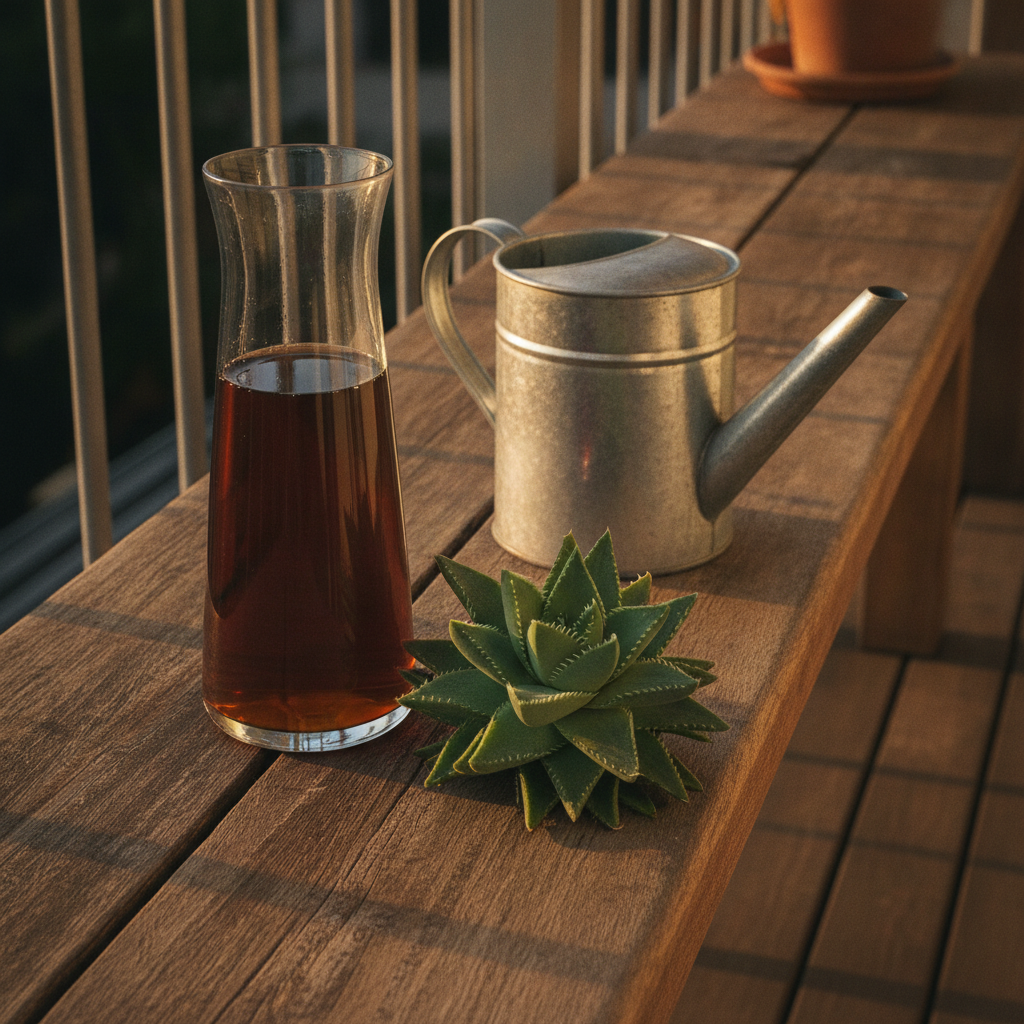
When you do feed, reach for a low-nitrogen fertiliser, ideally one formulated for cacti and succulents, and dilute it to half the strength suggested on the label or weaker still. A feed higher in potassium supports flowering and firm growth, whereas a high-nitrogen general houseplant feed pushes exactly the kind of lush, weak tissue you want to avoid. Always apply liquid feed to already-damp soil rather than bone-dry mix, since concentrated nutrients drawn straight onto dry roots can scorch them. Never feed a plant during its summer rest or while it is sitting in cold winter conditions, when it is not in any state to use the nutrients.
Pro Tip – Feed for Flowers: If your aim is autumn blooms, switch from a balanced feed to one slightly higher in potassium as summer ends. The extra potassium encourages the plant to put its energy into flower buds rather than leafy growth, improving your chances of a good golden display.
Propagation
One of the quiet pleasures of growing Tiger Jaws is how readily it multiplies. A plant that is happy will steadily produce new rosettes around its base, building into a dense clump over a few years, and that clump is the easiest source of new plants. Division is the most reliable method and the one most likely to give you a flowering-sized plant quickly. The best time is spring or early autumn, when the plant is in active growth and can recover fastest from the disturbance.
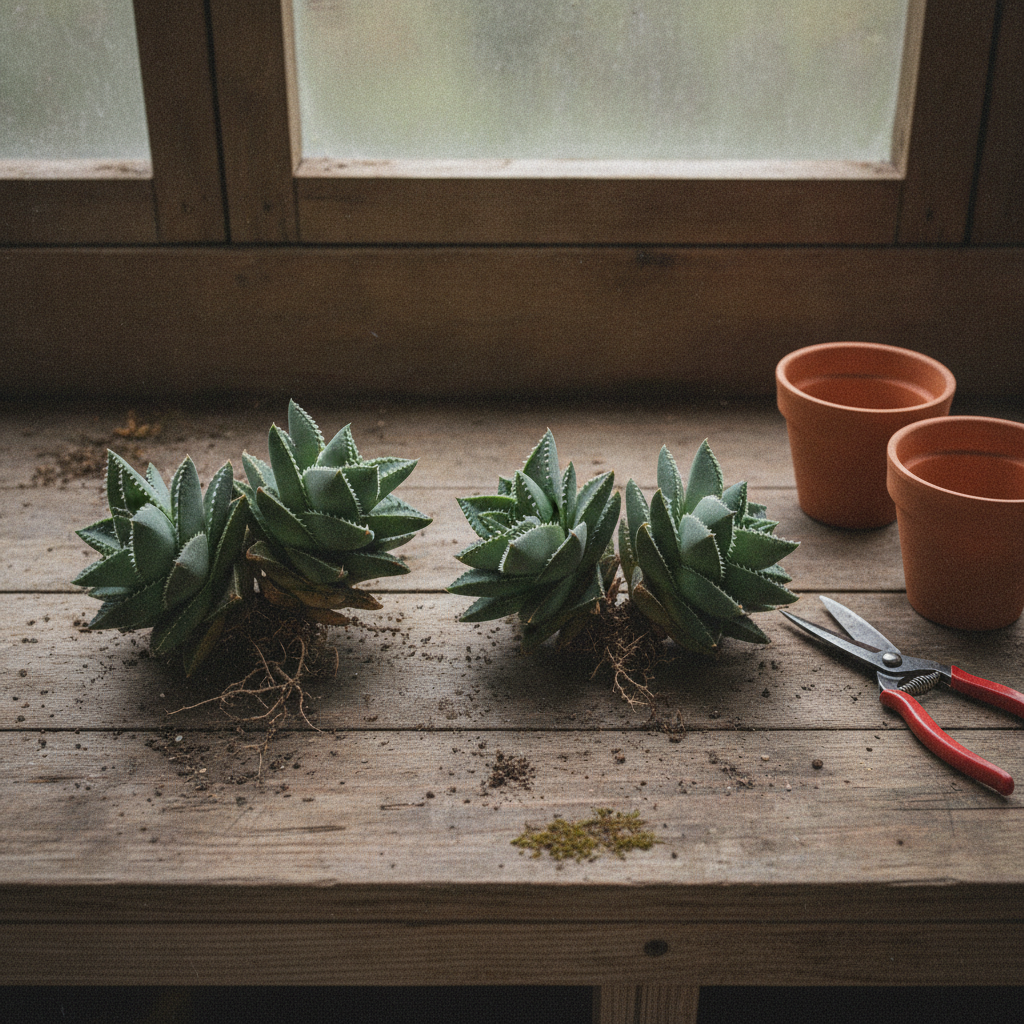
To divide a clump, slide the whole plant out of its pot and brush away enough soil to see where the individual rosettes join. Many offsets will already have their own roots, and these can simply be eased apart by hand. Where rosettes are firmly fused, use a clean, sharp knife to separate them, aiming to leave some roots on each piece. Let the divisions sit in a dry, shaded spot for two or three days so the cut surfaces can callus before you pot them up into dry, gritty mix.
If you would rather not disturb the parent plant, Tiger Jaws can also be grown from leaf cuttings and from seed. The step-by-step below covers division, which is the method most growers reach for.
- Unpot the plant and gently remove loose soil so you can see the separate rosettes and their roots.
- Identify offsets that already have roots, and ease them away from the parent by hand wherever possible.
- For rosettes that will not separate cleanly, cut through the connecting tissue with a sterilised blade, keeping some roots on each division.
- Set the divisions aside in a dry, shaded place for two to three days to allow the wounds to callus over.
- Pot each division into its own small pot of dry, free-draining succulent mix, just deep enough to hold it upright.
- Wait roughly a week before the first light watering, then return to the normal soak-and-dry routine.
New divisions establish over a few weeks. Resist the urge to check them by tugging; if the leaves stay plump and the rosette sits firm in the pot, roots are doing their work below the surface.
Pests and Common Problems
A Tiger Jaws grown in bright light and gritty soil is a robust, trouble-resistant plant, and the great majority of problems trace back not to pests but to water. Even so, a few insects find these succulents worth bothering, and it pays to know the warning signs. The most common culprit is the mealybug, a small sap-sucking insect that hides as white, cottony tufts tucked into the leaf axils and around the base of the rosette, exactly where the tightly packed leaves make them hard to spot.
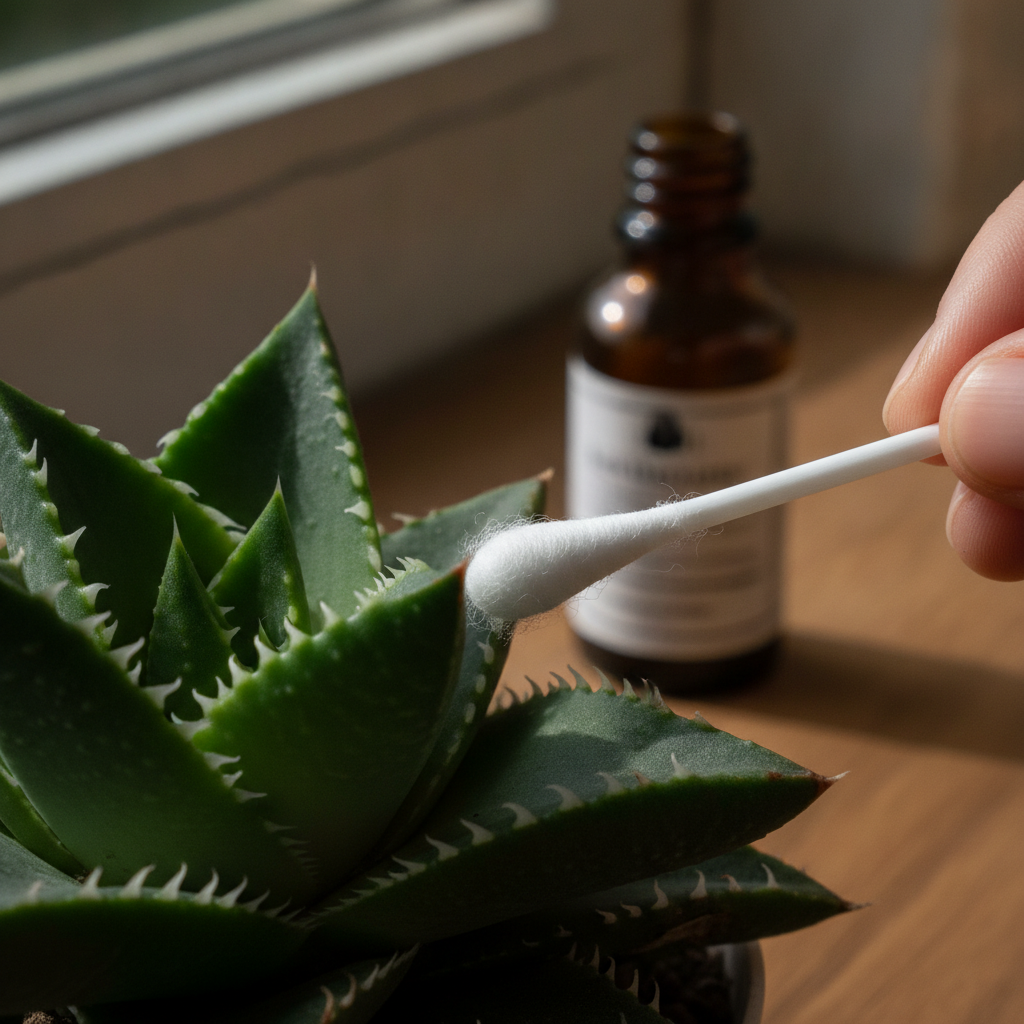
For a light mealybug infestation, dab each insect directly with a cotton bud dipped in dilute isopropyl alcohol, which dissolves their waxy coating and kills them on contact. Repeat every few days until no new tufts appear, and check any nearby plants, since mealybugs spread easily. A persistent or heavier infestation may need a horticultural soap or a systemic insecticide. Root mealybugs, a related pest that attacks the roots out of sight, are worth checking for whenever you repot; they show up as the same white waxiness clinging to the rootball, and the remedy is to wash the roots clean and repot into fresh mix. The table below maps the symptoms you are most likely to see to their usual causes and fixes.
| Symptom | Likely cause | What to do |
|---|---|---|
| Mushy, translucent, yellowing leaves or a soft base | Root rot from overwatering or dense soil | Stop watering, unpot, cut away rotten roots, repot into dry gritty mix |
| Stretched, pale, splaying leaves | Insufficient light (etiolation) | Move to a brighter window or add a grow light; new growth will reform |
| White cottony tufts in leaf axils | Mealybugs | Dab with dilute alcohol; repeat and isolate the plant |
| Slightly wrinkled, soft leaves with dry soil | Underwatering | Give a thorough soak and resume the soak-and-dry routine |
| Brown, scorched patches on leaf tops | Sunburn after a sudden increase in light | Shade temporarily and acclimatise to strong sun gradually |
| No flowers in autumn | Too little light, or no cool autumn trigger | Maximise sun and allow a natural seasonal temperature drop |
The recurring theme across this table is that prevention is almost entirely a matter of getting light, soil and water right. A Tiger Jaws kept bright, dry between drinks, and potted in grit rarely gives its owner anything to worry about.
Varieties and Relatives
The genus Faucaria contains around thirty species, and to the casual eye many of them look like close variations on the same toothy theme. Tiger Jaws itself is the best known, but a handful of relatives turn up regularly in collections and are worth knowing, since they share the same easy care and offer subtle differences in leaf shape, texture and the prominence of those signature teeth. The two below are the most commonly grown alongside Faucaria tigrina.
Pebbled Tiger Jaws (Faucaria tuberculosa) trades the long teeth of the classic Tiger Jaws for a knobbly, almost reptilian surface. Its stubbier, dark green leaves are studded with raised white warty tubercles and edged with shorter, blunter teeth, giving the whole plant a rougher, more rock-like texture. Care is identical to F. tigrina.
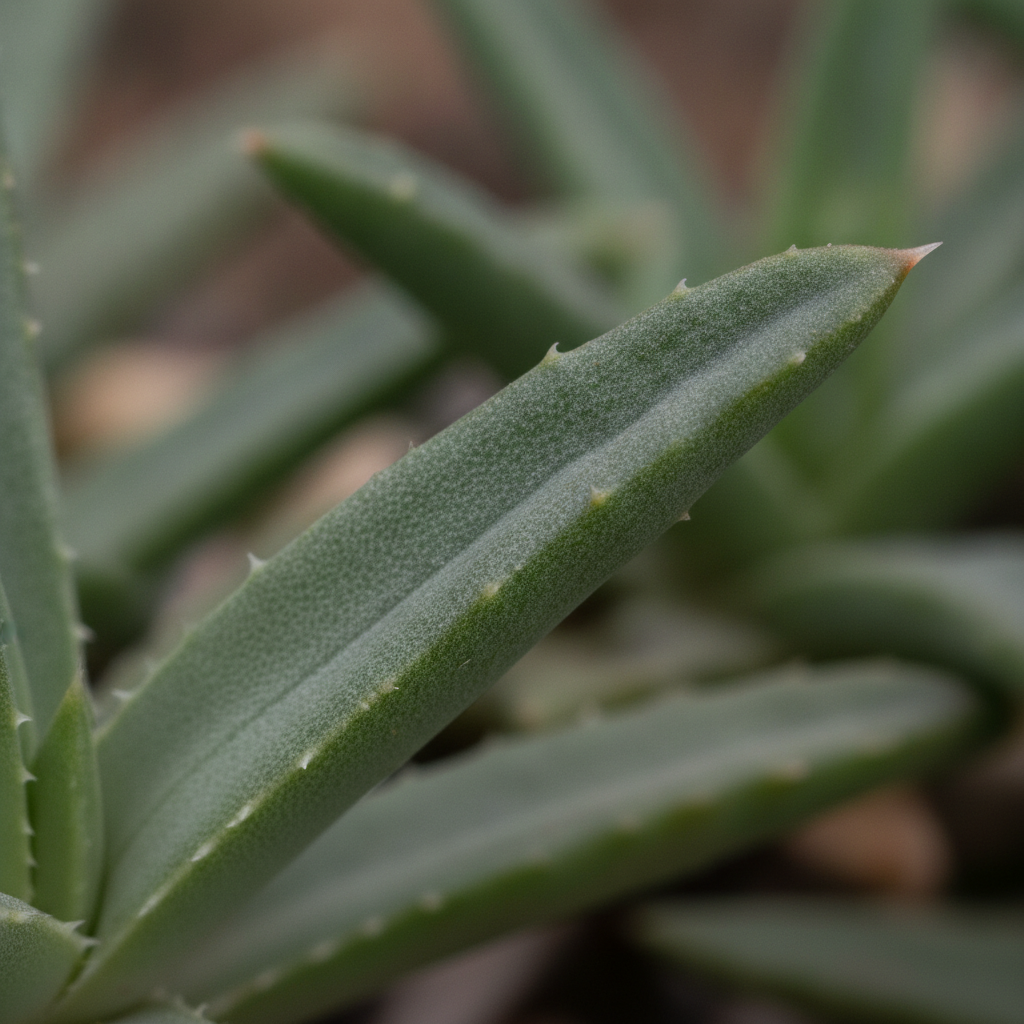
Cat’s Jaws (Faucaria felina) is the more delicate cousin, with narrower, more elongated grey-green leaves and fewer, finer marginal teeth. The slightly keeled undersides and softer jawline give it a gentler look than the fierce F. tigrina, though it produces the same large yellow autumn flowers and asks for exactly the same gritty soil and sparse watering.
Because the whole genus shares a single set of growing requirements, building a small collection of different Faucaria is one of the easiest ways to expand a succulent shelf. Group them together and they enjoy identical light, soil and watering, while their differences in tooth length and leaf texture give a surprising amount of variety in a very small footprint.
Frequently Asked Questions
Why is my Tiger Jaws growing tall and splaying open?
This stretching is called etiolation and is caused by too little light. The plant is reaching for a brighter source and, in doing so, its leaves elongate and the pairs fall open instead of clasping. The stretched growth will not shrink back, so move the plant to your sunniest window or add a grow light, and the new growth that follows will return to the compact, tightly toothed form.
How often should I water my Tiger Jaws?
There is no fixed schedule; water only when the soil has dried out completely, which in active growth tends to mean roughly every two to three weeks. Cut right back during the summer rest period. Always check the soil and the firmness of the leaves rather than watering by the calendar, since light, temperature and pot size all change how fast the mix dries.
Is Tiger Jaws safe around cats and dogs?
Yes. Faucaria tigrina is considered non-toxic to cats, dogs and humans, so it is a sensible choice for a home with curious pets. The soft teeth are harmless, though as with any plant it is best not to let animals chew on it.
Why won’t my Tiger Jaws flower?
The two most common reasons are insufficient light and the absence of a natural seasonal cue. Tiger Jaws flowers in autumn, and it needs both strong sunlight through the year and a gentle drop in temperature as the season turns to trigger buds. A plant kept too warm and too dim year-round may stay healthy but never bloom. Maximise sun, allow cooler autumn nights, and consider a potassium-rich feed at the end of summer.
My Tiger Jaws leaves have gone soft and mushy. Can I save it?
Soft, translucent, mushy leaves usually signal root rot from overwatering. Act quickly: unpot the plant, shake off the wet soil, and inspect the roots. Cut away any blackened or slimy roots with a clean blade, let the plant dry for a day or two, then repot into fresh, dry, gritty mix and hold off watering for a week. If the rot has reached the centre of the rosette the plant may be lost, but healthy offsets can often be salvaged and grown on.
How big does Tiger Jaws get?
It stays small. An individual rosette reaches only about 10 to 15 cm (4 to 6 in) across, and the plant grows slowly, clumping outward rather than upward over the years. This compact, undemanding size is part of what makes it such a good windowsill succulent, since a single pot can remain attractive for a very long time before it needs dividing.






