
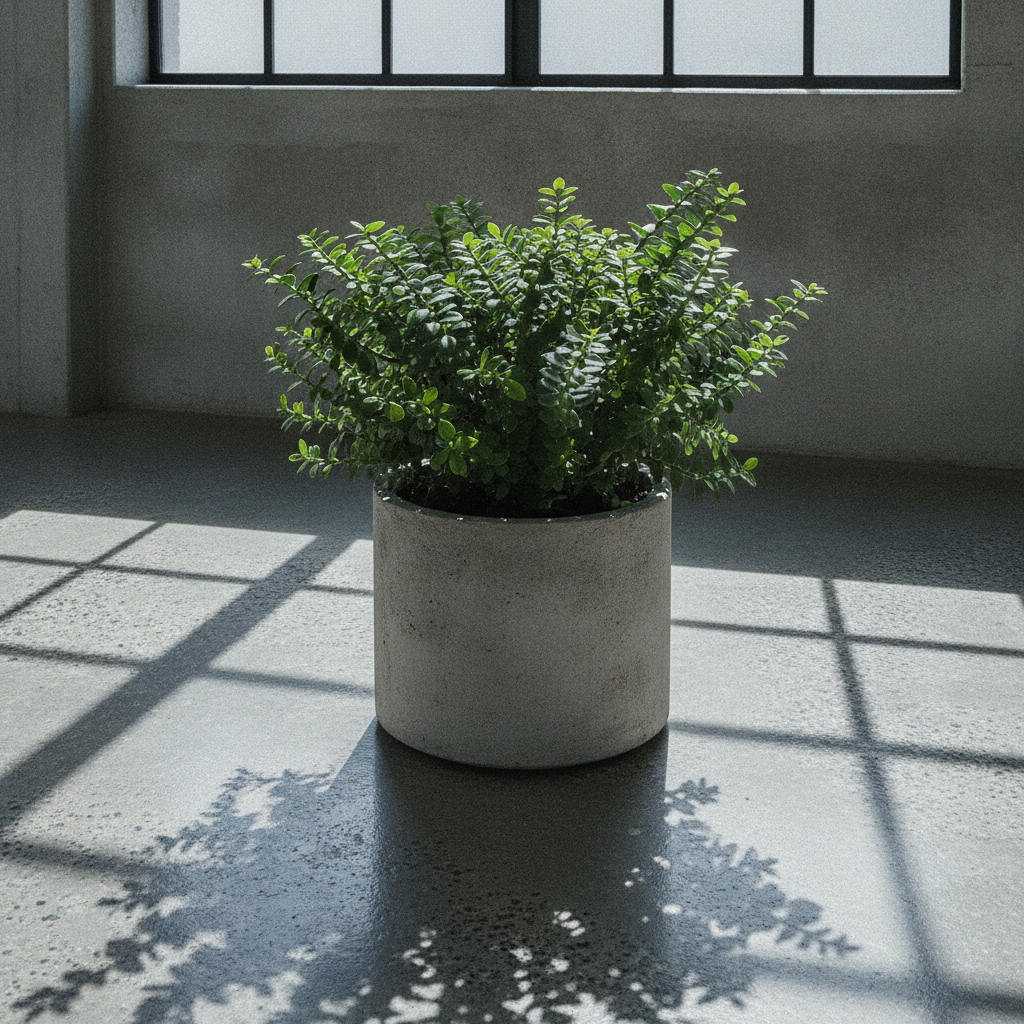
Few houseplants announce themselves quite as boldly as the Devil’s Backbone. Its common name is a nod to the plant’s most arresting feature: stems that kink sharply from side to side at every leaf node, zigzagging upward like a segmented spine. Known botanically as Euphorbia tithymaloides (and long grown under its former name Pedilanthus tithymaloides), this succulent shrub hails from the tropical and subtropical Americas, ranging from Mexico and the Caribbean through Central America into northern South America. Gardeners have collected it under a small library of common names, among them Zig Zag Plant, Redbird Flower, Jacob’s Ladder, Slipper Plant and Ribbon Cactus.
The Devil’s Backbone has a reputation as an easy-going plant, and for the most part that reputation is deserved. It stores water in its fleshy green stems, shrugs off the occasional missed watering and asks for very little in the way of fuss. Yet there is a meaningful gap between a plant that merely survives on a windowsill and one that thrives, colours up and produces its curious red bracts. This guide walks through every aspect of its care, from reading its light needs to propagating new plants from cuttings, so that you can move your Devil’s Backbone firmly into the thriving category.
Contents
- Quick Reference
- Why Devil’s Backbone Makes a Striking Houseplant
- Light Requirements
- Watering & Humidity
- Soil, Potting & Repotting
- Fertilising
- Propagation
- Pests & Diseases
- Popular Varieties
- Frequently Asked Questions
Quick Reference: Devil’s Backbone at a Glance
| Light | Bright indirect light with a few hours of gentle direct sun; variegated forms need the brightest position you can offer |
| Watering | Allow the top half of the soil to dry out fully; water thoroughly, then wait. Roughly every 10 to 14 days in summer, far less in winter |
| Temperature | 18 to 27 degrees Celsius (64 to 81 Fahrenheit); keep above 10 degrees Celsius (50 Fahrenheit) |
| Humidity | Average household humidity is fine (40 to 50 per cent); tolerates dry air well |
| Fertiliser | Dilute balanced feed once a month through spring and summer only |
| Toxicity | Toxic to people and pets; the milky latex sap is a skin, eye and mucous-membrane irritant |
Why Devil’s Backbone Makes a Striking Houseplant
The appeal of Euphorbia tithymaloides begins with its architecture. Where most houseplants grow in soft, predictable lines, the Devil’s Backbone builds itself out of sharp geometric angles, each stem bending abruptly at every node to create the ladder-like silhouette that gives the plant its names. Small, waxy, ovate leaves sit at the bends, and in a bright spot they take on a fresh mid-green that contrasts handsomely against the paler, almost jade-toned stems. Left to mature, the plant develops into a shrubby, upright specimen that can reach well over a metre in height indoors, making it a genuine sculptural presence rather than a background filler.

Beyond its looks, this is a forgiving plant that suits busy households and beginners still learning to read a plant’s signals. As a stem succulent it copes admirably with irregular watering, and it adapts to the dry air of centrally heated or air-conditioned rooms that would leave a fern crisping at the edges. In warm, bright conditions it may even reward you with its distinctive inflorescences: small red or pink bracts shaped, with a little imagination, like the head of a bird, which is where the name Redbird Flower comes from. The one point that demands respect is the plant’s sap, and it is worth understanding before you bring one home.
Important — Toxicity: Like all euphorbias, the Devil’s Backbone bleeds a milky white latex when cut or broken. This sap is an irritant that can cause burning, redness and blistering on skin, and it is particularly dangerous around the eyes and mouth. Ingestion causes mouth and stomach irritation in both people and pets. Wear gloves when pruning, wash your hands afterwards, and site the plant out of reach of children, cats and dogs.
Light Requirements
Light is the single most important variable in Devil’s Backbone care, and it is the one most likely to separate a leggy, pale plant from a compact, richly coloured one. In its native range this is a plant of open, sun-drenched scrub and rocky slopes, so it is built to handle far more light than the average leafy houseplant.
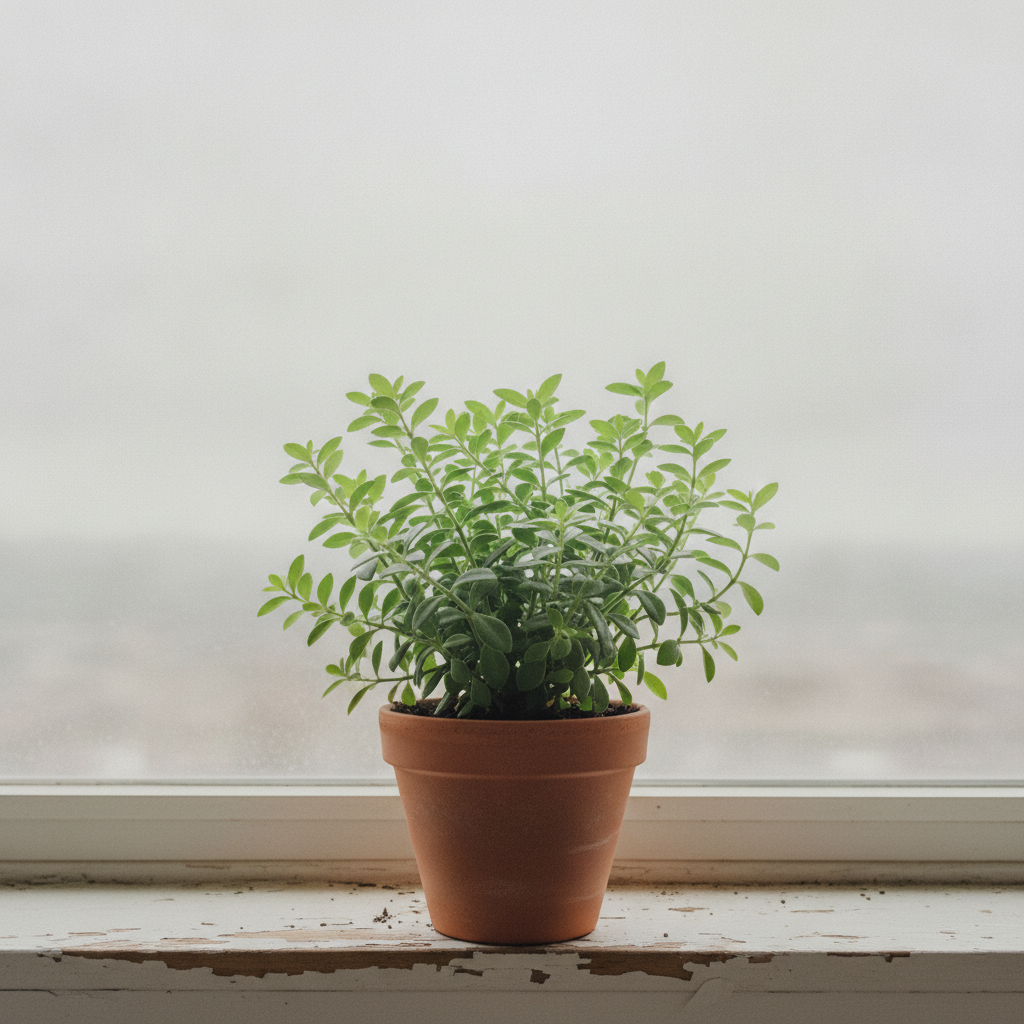
The ideal indoor position offers bright, largely indirect light for most of the day with a few hours of gentle direct sun, such as the soft light of early morning or late afternoon. A plant grown in these conditions holds its leaves close along tightly zigzagging stems and, in the case of variegated forms, develops the rosy blush that makes them so sought after. Give it too little light and the stems stretch, the gaps between nodes lengthen, and the whole plant takes on a stringy, reaching appearance.
Light Levels Explained
Understanding how the Devil’s Backbone responds across the range of indoor light levels helps you place it correctly the first time rather than shuffling it from window to window. The table below sets out the practical outcomes at each tier.
| Light Category | Approx. Level | Typical Location | Outcome |
|---|---|---|---|
| Direct sun | Over 50,000 lux | Right against a south or west window | Tolerated once acclimatised; best colour, but risk of scorch in harsh summer glass |
| Bright indirect | 20,000 to 50,000 lux | Just back from a bright window or beside an east window | Ideal; compact growth and strong colour |
| Medium | 10,000 to 20,000 lux | A metre or two from a bright window | Acceptable; growth slows and stretches a little |
| Low | 2,000 to 10,000 lux | North window or interior wall | Poor; stems elongate, leaves drop, colour fades |
| Very low | Under 2,000 lux | Hallways, far corners | Unsuitable; the plant declines over time |
Window Orientation and Placement
South-facing window: This is often the best home for a Devil’s Backbone in temperate regions. The plant will happily take direct sun here, though in the strongest weeks of summer a sheer curtain prevents the glass from concentrating the heat onto the leaves.
East-facing window: An excellent choice. Gentle morning sun followed by bright indirect light for the rest of the day suits the plant well and carries little risk of scorch.
West-facing window: Also very good. The plant receives strong afternoon light, which promotes compact growth and colour, though the same summer-heat caution as a south window applies.
North-facing window: The most challenging aspect. A north window rarely supplies enough light for sustained healthy growth, and a plant kept here will gradually stretch and thin. If a north window is your only option, plan to supplement with a grow light.
Pro Tip — Rotate for Even Growth: Because the Devil’s Backbone leans noticeably toward its light source, give the pot a quarter turn every week or two. This keeps the plant growing upright and symmetrical rather than developing a permanent lean toward the glass.
How Light Affects Colour and Form
The variegated cultivars are where light really earns its keep. Their creamy white margins flush pink and rose in response to strong light, and the more sun they receive within safe limits, the more vivid that blush becomes. In dim conditions the same plants fade toward a plain, washed-out green and white, losing the very quality that made them worth growing. If your variegated Devil’s Backbone has stopped showing pink, insufficient light is almost always the cause.
Warning — Direct Sunlight: While an acclimatised plant handles direct sun well, a plant moved suddenly from a shady spot into fierce midday sun can scorch, developing bleached or brown patches on the sun-facing stems. Introduce stronger light gradually over a week or two so the plant can adjust.
Artificial Lighting
The Devil’s Backbone responds well to supplementary lighting, which makes it a viable plant even in darker homes or through gloomy northern winters. A full-spectrum LED grow light positioned 20 to 30 centimetres (8 to 12 inches) above the plant and run for 10 to 12 hours a day provides ample energy for compact growth. Because this species wants high light rather than merely adequate light, do not be shy about the intensity; it is far harder to overdo artificial light with a euphorbia than with a shade-loving foliage plant.
Seasonal Adjustments
Light levels indoors fall dramatically between summer and winter, and the Devil’s Backbone notices. As the days shorten, move the plant to your brightest available window and clean the glass so it captures every bit of available sun. Growth naturally slows in the colder months, so a little stretching over winter is normal and can be corrected with a spring prune once active growth resumes.
Watering & Humidity
If light is the variable most likely to make a Devil’s Backbone thrive, water is the one most likely to kill it. As a stem succulent adapted to seasonally dry habitats, this plant is engineered to endure drought and deeply resents sitting in wet soil. The guiding principle is simple: when in doubt, wait.
When to Water
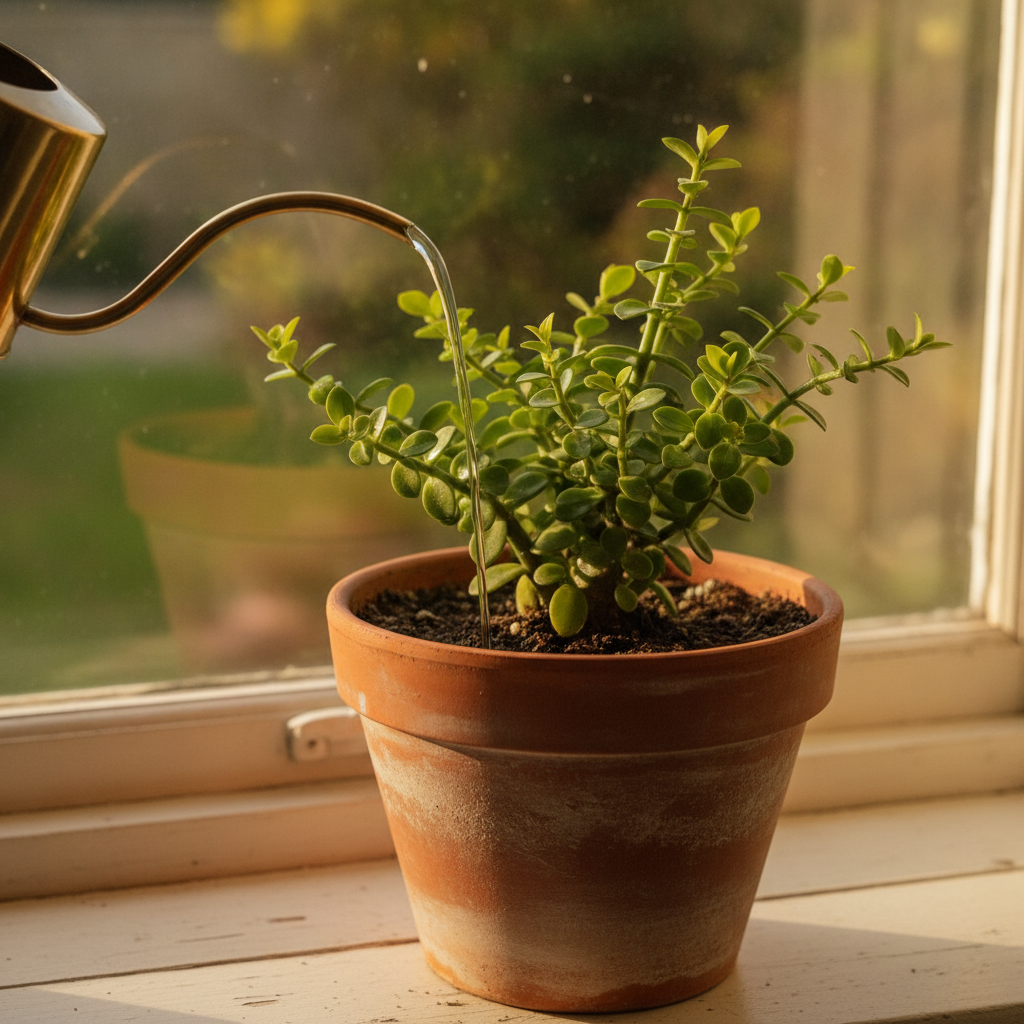
Rather than watering on a fixed calendar, let the soil tell you when it is thirsty. Push a finger into the mix and water only once the top half of the pot has dried out completely. In practice this tends to mean roughly every 10 to 14 days during the warm growing season, though the exact interval depends on your light, pot size and room temperature. A plant in a bright, warm room dries far faster than one in a cooler, shadier spot.
Through autumn and winter the plant’s water use drops sharply as growth slows. During these months you may water as little as once every three or four weeks, giving only enough to keep the stems from shrivelling. Overwatering in winter, when the soil stays wet far longer, is the single most common way to lose a Devil’s Backbone.
Pro Tip — The Weight Test: Lift the pot just after watering and again a week later to learn the difference between a heavy, saturated pot and a light, dry one. Judging moisture by weight quickly becomes second nature and is more reliable than any schedule.
How to Water Correctly
- Check that the top half of the soil is dry before you begin.
- Water at the soil surface, avoiding the stems and leaves where possible, until water runs freely from the drainage holes.
- Let the pot drain completely for several minutes so no water remains trapped at the base.
- Empty the saucer or cachepot; never allow the plant to stand in collected water.
- Wait until the top half of the mix has dried again before the next watering.
Signs of Overwatering vs. Underwatering
| Symptom | Overwatering | Underwatering |
|---|---|---|
| Leaf colour | Yellowing, often lower leaves first | Dull, faded green |
| Leaf texture | Soft, limp, translucent | Thin, papery, curling at edges |
| Stems | Soft, mushy, sometimes darkening at the base | Wrinkled, shrunken, slightly wobbly |
| Soil | Stays wet for many days, may smell sour | Bone dry, pulling away from the pot sides |
| Overall | Sudden collapse or leaf drop | Slow decline, recovers quickly once watered |
Warning — Root Rot: A soft, darkening stem base is the hallmark of root rot, and it advances quickly in a euphorbia. If you spot it, unpot the plant at once, cut away all mushy tissue with a clean blade, let the healthy remainder callus, and re-root it in fresh dry mix. Caught early, a top cutting can often be saved even when the roots are lost.
Humidity Requirements
Here the Devil’s Backbone is refreshingly undemanding. Average household humidity of 40 to 50 per cent suits it perfectly, and it tolerates the drier air of heated rooms without complaint. This is not a plant that needs misting, pebble trays or a humidifier, and in fact excessive humidity combined with poor airflow does it more harm than good by encouraging fungal problems.
Signs of a humidity problem are rare with this species, but if you keep it in a genuinely damp, stagnant spot such as a poorly ventilated bathroom, you may see soft growth or the beginnings of stem rot. These are symptoms of too much moisture rather than too little.
If anything, aim to give the plant good air movement rather than added moisture. A position with gentle airflow keeps the stems firm and discourages the fungal issues that thrive in still, humid corners.
Water Quality
The Devil’s Backbone is not fussy about water quality and copes with ordinary tap water in most areas. If your supply is very hard, mineral deposits may build up on the soil surface over time, in which case the occasional watering with filtered or rainwater helps. Allowing tap water to stand overnight before use lets some of the chlorine dissipate, though this is a refinement rather than a necessity for such a tolerant plant.
Soil, Potting & Repotting
Because the Devil’s Backbone is so vulnerable to excess moisture, the soil you choose is a critical line of defence. The goal is a mix that holds just enough water to sustain the plant between waterings while draining freely enough that the roots never sit in saturated conditions.
Ideal Soil Composition
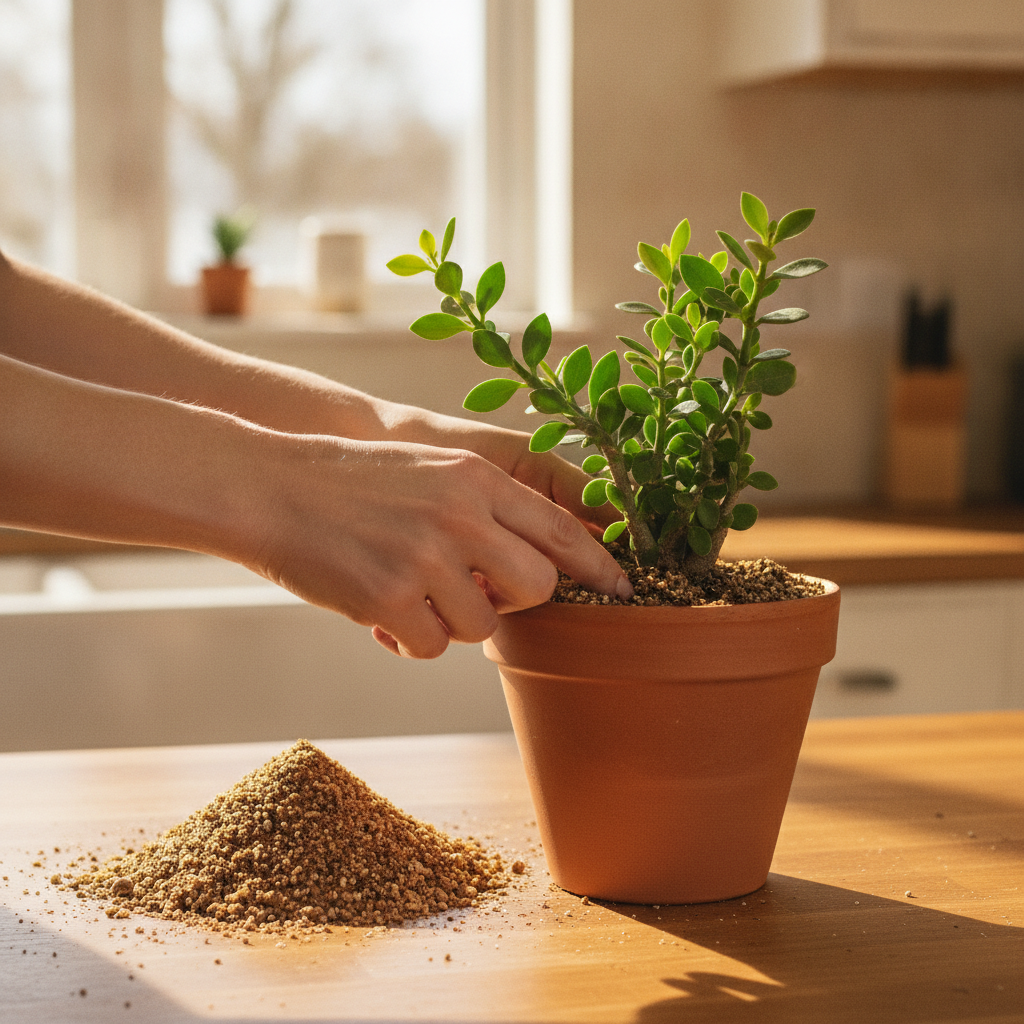
A purpose-made cactus and succulent compost forms an excellent base, but most bagged mixes benefit from extra grit to sharpen their drainage further. Aim for a substrate that feels loose and gritty rather than dense and peaty, so that water flushes through within seconds of pouring it on.
| Component | Proportion | Function |
|---|---|---|
| Cactus or succulent compost | 2 parts | Provides body, structure and modest nutrients |
| Coarse perlite or pumice | 1 part | Opens the mix and prevents compaction |
| Horticultural grit or coarse sand | 1 part | Adds weight and sharpens drainage |
The Devil’s Backbone prefers a soil that is neutral to slightly acidic, in the region of pH 6.0 to 7.0, which is comfortably within the range of most commercial mixes. There is no need to test or adjust pH under normal circumstances; the plant is far more sensitive to drainage than to acidity.
Pro Tip — Quick Mix Recipe: For a reliable blend, combine two handfuls of cactus compost with one handful each of perlite and horticultural grit. If the mix still feels heavy or holds together when squeezed damp, add more grit until it crumbles apart freely.
Choosing the Right Pot
The container matters almost as much as the mix inside it. A well-chosen pot works with your soil to keep the root zone healthy, while the wrong pot can undo careful watering habits.
Drainage holes are non-negotiable. Never plant a Devil’s Backbone in a container without drainage. Decorative pots with no holes trap water at the base where you cannot see it, and this is a direct route to root rot. If you love a particular cachepot, keep the plant in a plastic nursery pot inside it and lift it out to water.
Pot material: Terracotta is ideal for this plant. Its porous walls wick moisture out of the soil and allow it to breathe, which suits a species that hates staying wet. Glazed ceramic and plastic hold moisture longer, so if you use them, be even more conservative with watering.
Pot size: Choose a pot only slightly larger than the root ball, with 2 to 3 centimetres (about an inch) of space around the sides. An oversized pot holds a large volume of slow-drying soil that stays wet long after the roots have taken their fill, which invites trouble.
When to Repot
The Devil’s Backbone is a slow, steady grower that dislikes disturbance, so it needs repotting only every two to three years, or when roots begin to emerge from the drainage holes and the plant becomes top-heavy. Early spring, just as growth resumes, is the best time. Repotting a plant in full dormancy or the depths of winter leaves the fresh soil sitting wet around inactive roots.
How to Repot: Step-by-Step
- Put on gloves before you start, since repotting inevitably breaks a few stems and releases the irritant sap.
- Let the soil dry for a few days first, which makes the root ball easier to slide out and reduces root damage.
- Ease the plant from its pot and gently tease away the old soil from around the roots.
- Inspect the roots, trimming away any that are black, soft or rotten with a clean blade.
- Position the plant in its new pot at the same depth as before and fill around it with fresh gritty mix, firming lightly.
- Resist watering for five to seven days so that any nicked roots can callus over, then resume normal watering.
Warning — Transplant Shock: Do not water a freshly repotted Devil’s Backbone straight away. Damp soil against cut or bruised roots is the classic trigger for rot. Waiting a week feels counterintuitive but is exactly what this succulent needs to settle in without disease.
Fertilising
The Devil’s Backbone is a light feeder that grows in relatively lean soils in the wild, so it needs far less fertiliser than a fast-growing leafy houseplant. A modest, well-timed feeding programme supports healthy new growth without pushing the plant into weak, sappy stretches that flop and rot.
The cardinal rule with this plant is restraint. Too much feed does more harm than too little, encouraging soft growth and allowing mineral salts to accumulate in the soil. Erring on the side of underfeeding will never kill a Devil’s Backbone, whereas overfeeding readily can.
Understanding Plant Nutrients
Fertiliser labels carry three prominent numbers representing nitrogen, phosphorus and potassium, the three macronutrients plants use in the largest quantities. A balanced feed with roughly equal amounts of each suits the Devil’s Backbone well, alongside the trace elements that support overall health.
| Nutrient | Symbol | Primary Function | Deficiency Symptoms |
|---|---|---|---|
| Nitrogen | N | Drives stem and leaf growth | Overall paleness, stunted new growth |
| Phosphorus | P | Root development and flowering | Weak roots, poor bract production |
| Potassium | K | General vigour and stress resistance | Yellowing or browning leaf edges |
| Calcium | Ca | Cell-wall strength | Distorted, weak new growth |
| Magnesium | Mg | Core of the chlorophyll molecule | Yellowing between leaf veins |
| Iron | Fe | Chlorophyll production | Pale new growth with green veins |
Types of Fertiliser
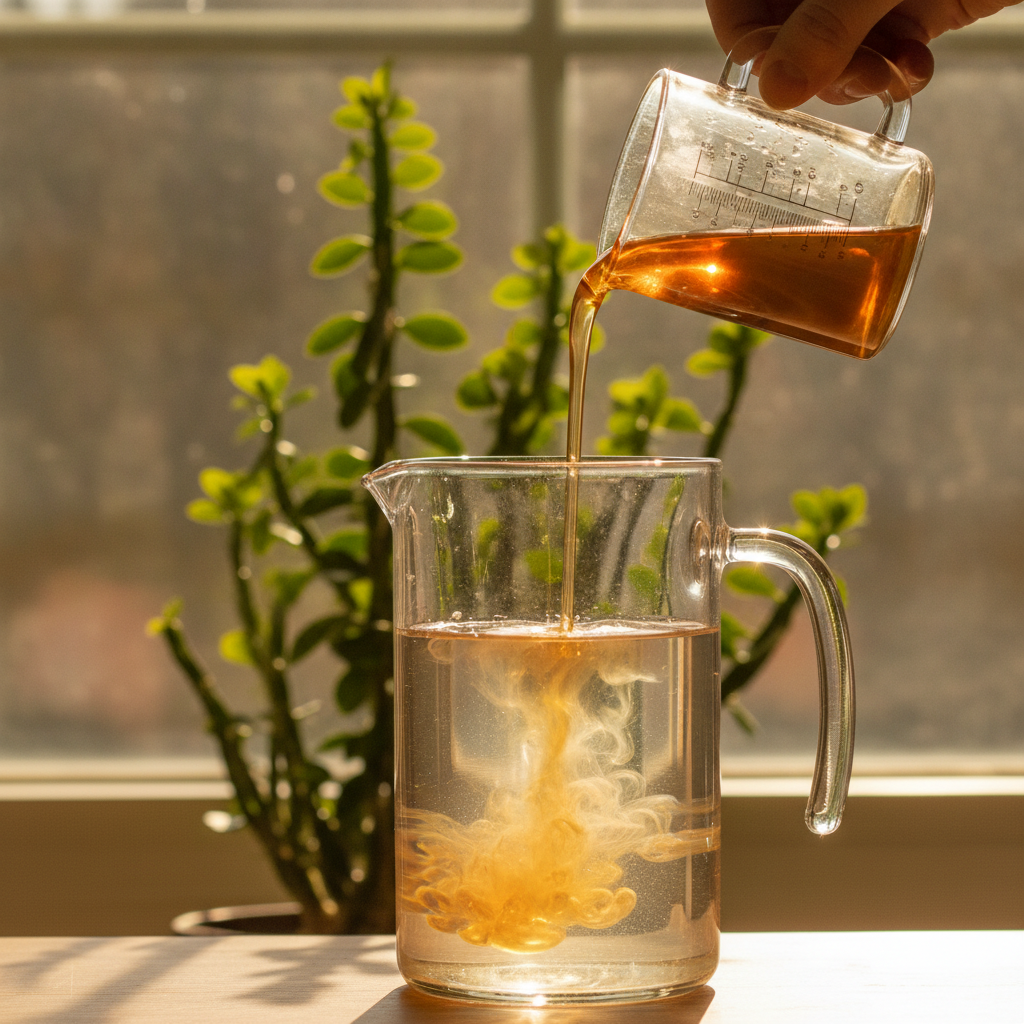
Liquid fertilisers: These are the easiest option for a Devil’s Backbone because you control the strength precisely. A balanced houseplant feed diluted to half the recommended rate, applied to already-moist soil, gives you fine control and is the method most growers prefer.
Slow-release granular: Granules mixed into the soil at potting release nutrients gradually over months. They are convenient but offer less control, so use them at a light rate for a plant that wants little feeding.
Organic fertilisers: Gentle organic options such as diluted seaweed or worm-casting tea feed the plant slowly and are almost impossible to overdo. They release nutrients at a measured pace that suits this undemanding succulent.
Feeding Schedule
Feed only during the active growing season, from spring through late summer, at roughly monthly intervals. Stop feeding entirely in autumn and winter, when the plant is resting and cannot use the nutrients. A dormant plant fed through winter simply accumulates unused salts in the soil, which can scorch the roots.
Pro Tip — Half Strength Always: Whatever feed you use, mix it at half the label rate for this plant. Succulents evolved in nutrient-poor soils, and a diluted feed delivers everything the Devil’s Backbone needs while removing any risk of fertiliser burn.
How to Fertilise
- Water the plant lightly a day before feeding so the roots are never in contact with fertiliser while dry.
- Mix a balanced liquid feed at half the recommended strength.
- Apply the solution to the soil surface, keeping it off the stems and leaves.
- Let any excess drain away freely and empty the saucer.
- Flush the pot with plain water every couple of months to clear accumulated salts.
Warning — Salt Build-Up: A white crust on the soil surface or around the pot rim signals a build-up of fertiliser salts. Flush it away by running plenty of plain water through the pot until it drains freely, and cut back on the feeding rate going forward.
Propagation
Propagating the Devil’s Backbone is straightforward and rewarding, and it is the easiest way to build up a fuller display or share the plant with friends. Because the species rarely sets viable seed in cultivation, almost all propagation is done from stem cuttings, which root readily given warmth and a dry start.
The best time to take cuttings is late spring or early summer, when the plant is growing actively and will root fastest. This also happens to be the natural moment to tidy a leggy plant, so propagation and pruning go hand in hand.
Understanding the Latex and the Callus
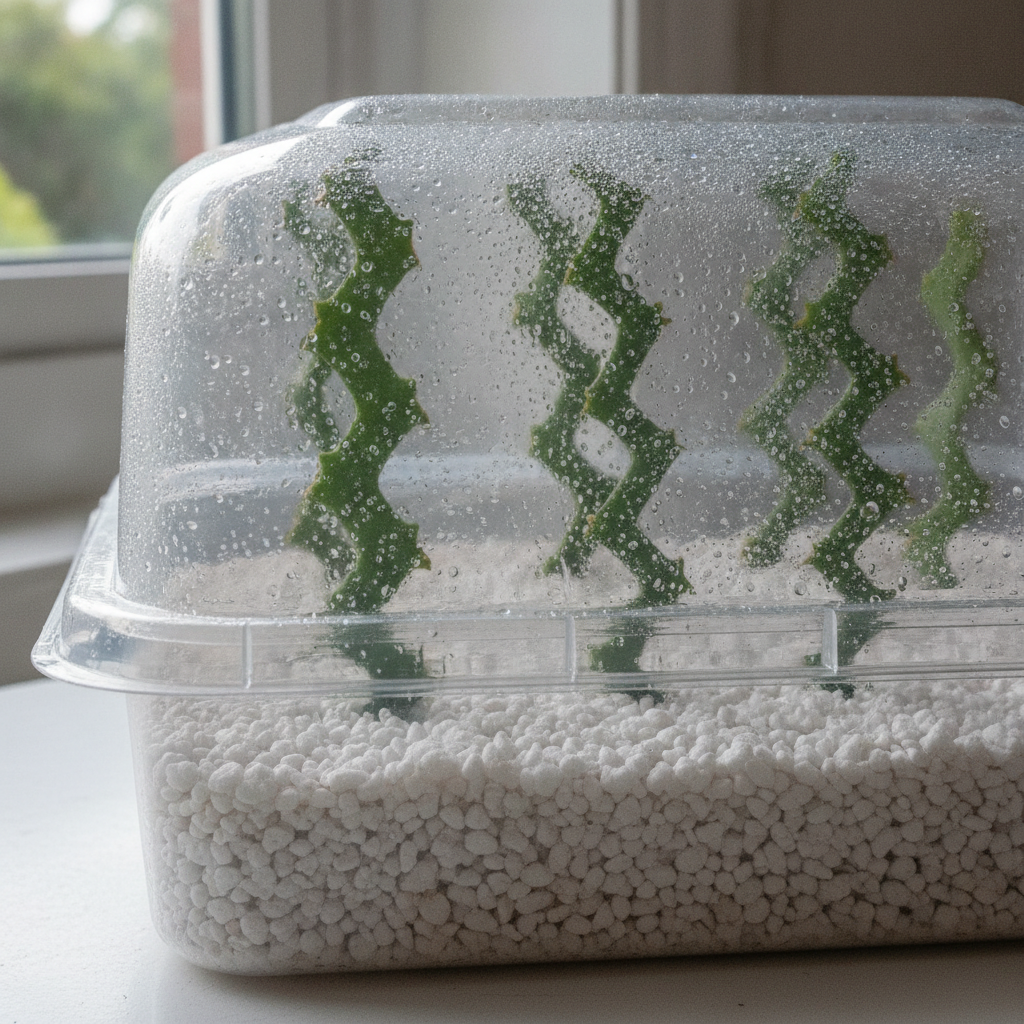
The key to success lies in respecting the plant’s milky sap. When you cut a stem, latex bleeds from the wound, and if you plant the cutting straight away that wet, open end is a magnet for rot. The solution is to let the cut end dry and form a callus, a hardened seal that protects against infection, before the cutting ever touches soil. This single step is what separates reliable rooting from a tray of mushy failures.
Stem Cuttings in Substrate: Step-by-Step
Rooting cuttings directly in a gritty medium is the most dependable method for this plant and avoids the rot risk that comes with water rooting a latex-bearing euphorbia.
- Wearing gloves, cut a healthy stem tip 10 to 15 centimetres (4 to 6 inches) long just below a node with a clean, sharp blade.
- Rinse or dab the cut end to stem the flow of latex, then set the cutting aside in a dry, airy spot for three to seven days until the wound calluses over.
- Remove the lowest leaves so that a bare section of stem can be inserted into the medium.
- Insert the callused end into barely-damp gritty succulent mix or perlite, firming gently so it stands upright.
- Place the pot in bright, indirect light and warmth, and cover loosely with a propagator lid only if your air is very dry.
- Wait before watering, keeping the medium only slightly moist; roots usually form within three to six weeks.
Pro Tip — Test the Roots Gently: Resist tugging a cutting to check for roots. Instead, give it a very light wiggle after a month; firm resistance means roots have formed and you can begin watering a little more generously.
Rooting Multiple Cuttings for a Fuller Plant: Step-by-Step
Because a single Devil’s Backbone can look sparse, many growers root several cuttings together to create a bushier specimen from the outset.
- Take three to five cuttings at once from a plant you are pruning back, following the callusing steps above.
- Once all the cuttings have callused, insert them together around the edge of a single pot of gritty mix.
- Keep them in the same bright, warm conditions and water sparingly until they root.
- Leave the rooted cluster undisturbed to grow on together, giving you a full, multi-stemmed plant in a fraction of the time.
Troubleshooting Propagation
| Problem | Likely Cause | Solution |
|---|---|---|
| Cutting turns soft and mushy | Planted before callusing, or kept too wet | Allow a full callus and keep the medium barely damp |
| Cutting shrivels without rooting | Medium too dry or air too hot | Give a little more moisture and move out of harsh sun |
| No roots after many weeks | Too cold or too dark | Provide warmth of 20 degrees Celsius or more and bright light |
| Cutting rots at the base | Contaminated blade or waterlogged mix | Use a sterile blade and a sharply draining medium |
Pests & Diseases
The Devil’s Backbone is a robust plant that shrugs off most problems, and its irritant sap seems to deter some pests that trouble softer houseplants. Even so, no plant is entirely immune, and a stressed or overcrowded specimen can attract the usual sap-sucking insects.
The best defence is vigilance. A quick inspection each time you water, paying attention to the leaf axils and the undersides of leaves, catches most infestations while they are still small and easily dealt with.
Common Pests
Mealybugs (Pseudococcus spp.)
Mealybugs are the most frequent visitor, appearing as small white cottony tufts tucked into the sharp angles of the stems and leaf joints. They suck sap and weaken the plant, and their sheltered hiding spots on this zigzagging plant make them easy to overlook.
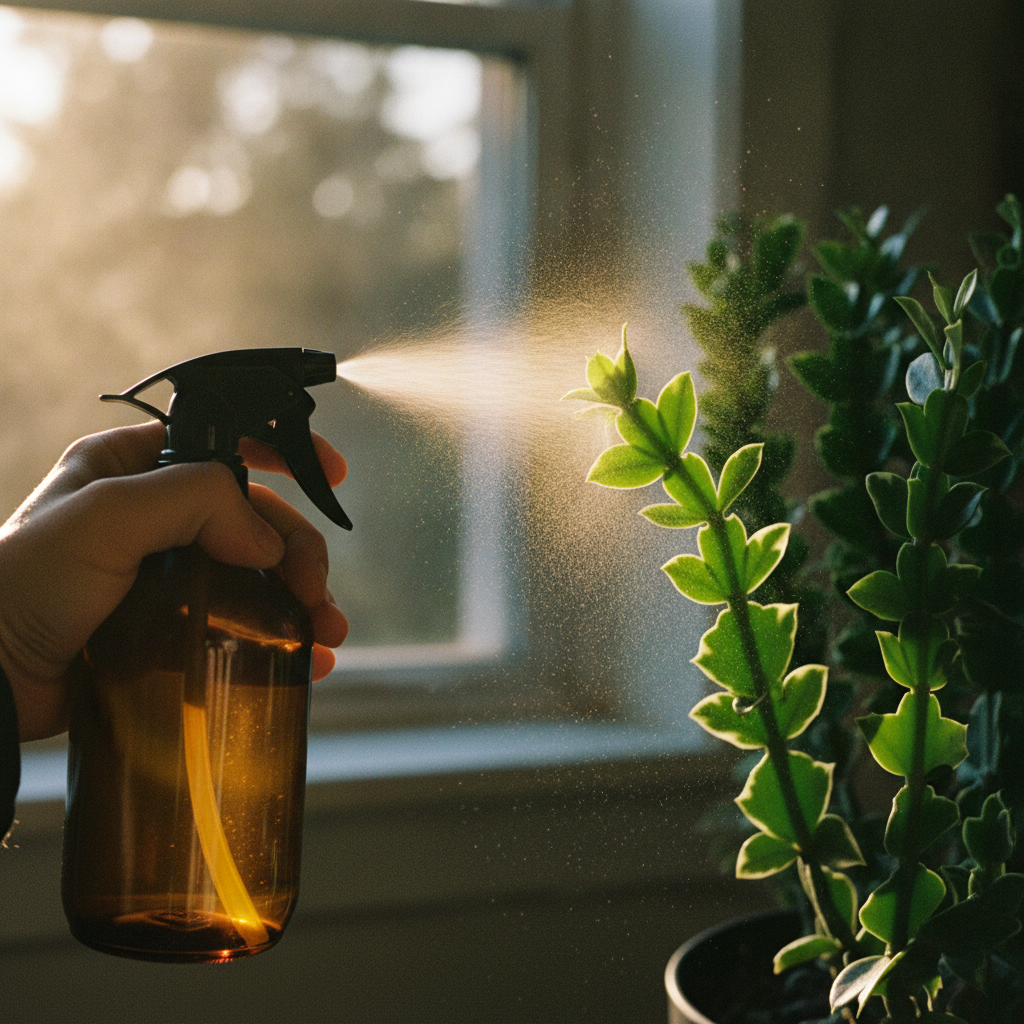
Treatment: Dab each insect with a cotton bud dipped in isopropyl alcohol, then follow up with a horticultural soap or neem spray. Repeat weekly until no new bugs appear, checking the hidden joints carefully.
Scale Insects (Coccoidea)
Scale appear as small, immobile brown or tan bumps along the stems, protected under a waxy shell. They too feed on sap and can produce sticky honeydew that leads to sooty mould.
Treatment: Scrape off individual scales with a fingernail or an alcohol-soaked cotton bud, then treat the plant with neem oil or horticultural soap. Persistent infestations may need several rounds a week apart.
Spider Mites (Tetranychus urticae)
Spider mites thrive in hot, dry conditions and can appear when a plant is stressed. Look for fine speckling on the leaves and, in bad cases, delicate webbing between the stems.
Treatment: Rinse the plant to knock the mites back, then apply neem oil or a miticide, focusing on the leaf undersides. Improving airflow helps prevent their return.
Common Diseases
Root Rot (Pythium and Phytophthora spp.)
Root rot is by far the most serious threat to this plant and is almost always caused by overwatering or poorly draining soil. The first visible signs are yellowing leaves and a stem base that turns soft, dark and mushy.
Treatment: Act quickly. Unpot the plant, cut away every trace of rotten tissue, and re-root a healthy top cutting in fresh dry mix. Prevention through careful watering and gritty soil is far more effective than any cure.
Stem and Fungal Rot (various fungi)
In cool, damp, stagnant conditions, fungal rots can take hold in the stems themselves, showing as soft, discoloured, sunken patches. This is essentially the above-ground counterpart of root rot.
Treatment: Cut out affected sections well into healthy tissue with a sterile blade, reduce watering, and improve ventilation. Salvage clean cuttings from any firm, unaffected growth.
Pest and Disease Summary
| Pest / Disease | Identification | Treatment |
|---|---|---|
| Mealybugs | White cottony tufts in stem joints | Alcohol swab plus neem or soap spray |
| Scale | Immobile brown bumps on stems | Scrape off and treat with neem oil |
| Spider mites | Leaf speckling and fine webbing | Rinse and apply neem or miticide |
| Root rot | Yellow leaves, soft dark stem base | Cut away rot and re-root a clean cutting |
| Stem rot | Soft sunken patches on stems | Excise affected tissue, dry out, ventilate |
Prevention Strategies
Almost every problem the Devil’s Backbone faces traces back to excess moisture, so a disciplined watering routine and a sharply draining mix prevent the majority of issues before they start. Good light and gentle airflow keep the plant vigorous and far less inviting to pests.
Quarantining new arrivals for a couple of weeks before they join your other plants is a simple habit that stops pests spreading through a collection. A brief check of each new plant’s hidden joints during this period catches hitchhikers early.
Pro Tip — Neem as Routine: A light neem oil spray every few weeks during the growing season acts as a preventative, discouraging pests before they establish. Apply it in the evening or out of direct sun so the treated stems do not scorch.
Popular Varieties
Although the plain green species has its own understated charm, most of the Devil’s Backbone plants sold today are selected forms chosen for colour or compactness. Knowing the main varieties helps you pick one that suits both your taste and the light you can offer.
All of these cultivars share the same easy care and the same distinctive zigzag habit; the differences lie mainly in leaf colour, size and the intensity of light each needs to look its best.
| Variety | Leaf Appearance | Light Needs | Growth Rate | Availability |
|---|---|---|---|---|
| Species (green form) | Plain mid-green ovate leaves on green zigzag stems | Bright indirect to full sun | Moderate | Common |
| ‘Variegatus’ | Green and creamy white, edges flushed pink | Very bright for best colour | Moderate | Common |
| ‘Nana’ (dwarf) | Small green leaves on tight, compact zigzag stems | Bright indirect | Slow | Occasional |
| ‘Jurassic Park’ | Robust, upright green stems, larger overall | Bright indirect to full sun | Moderate to fast | Occasional |
| Pink-tipped forms | Green with pronounced pink new growth | Very bright for strong pink | Moderate | Occasional |
Featured Varieties
‘Variegatus’
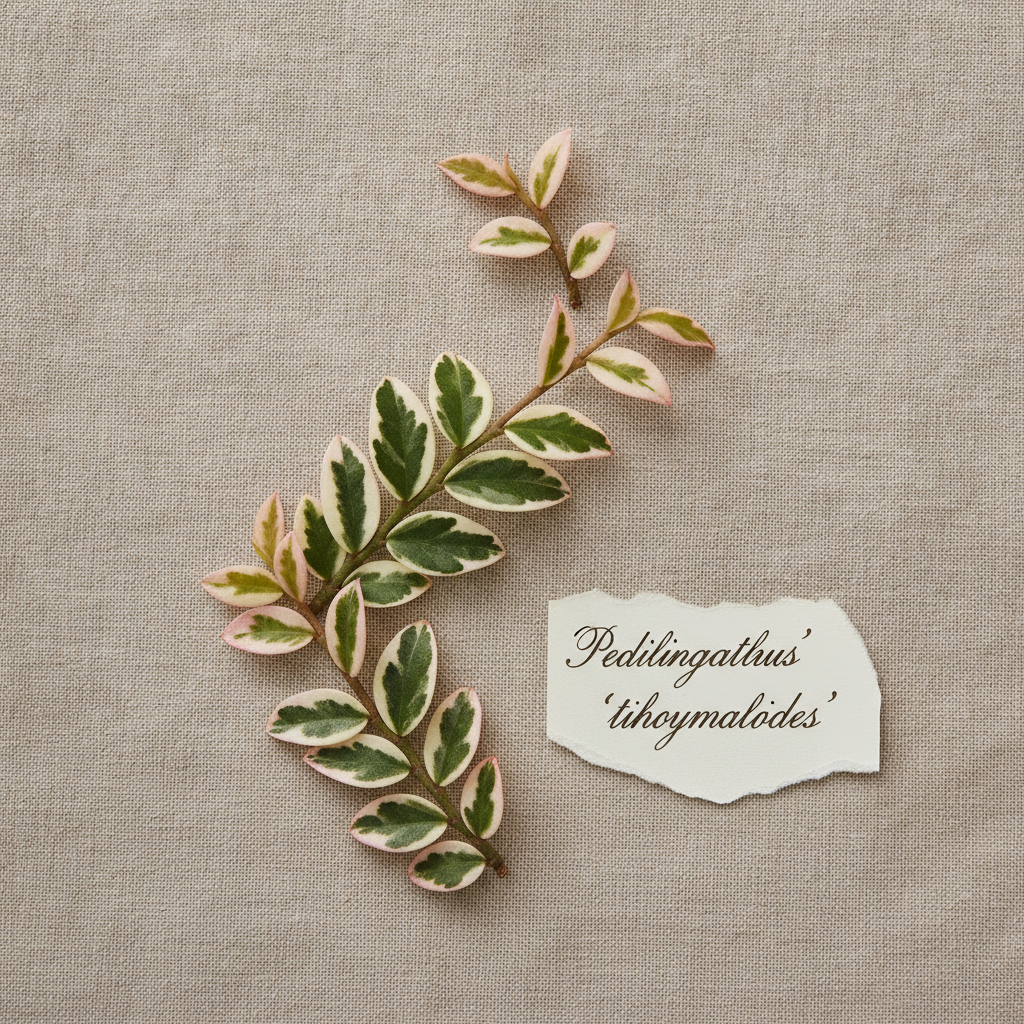
The most widely grown and most ornamental form, with leaves marbled green and creamy white whose edges and new growth flush a striking rose pink in bright light. It is the variety most people picture when they think of the Devil’s Backbone as a decorative houseplant.
‘Nana’ Dwarf Form
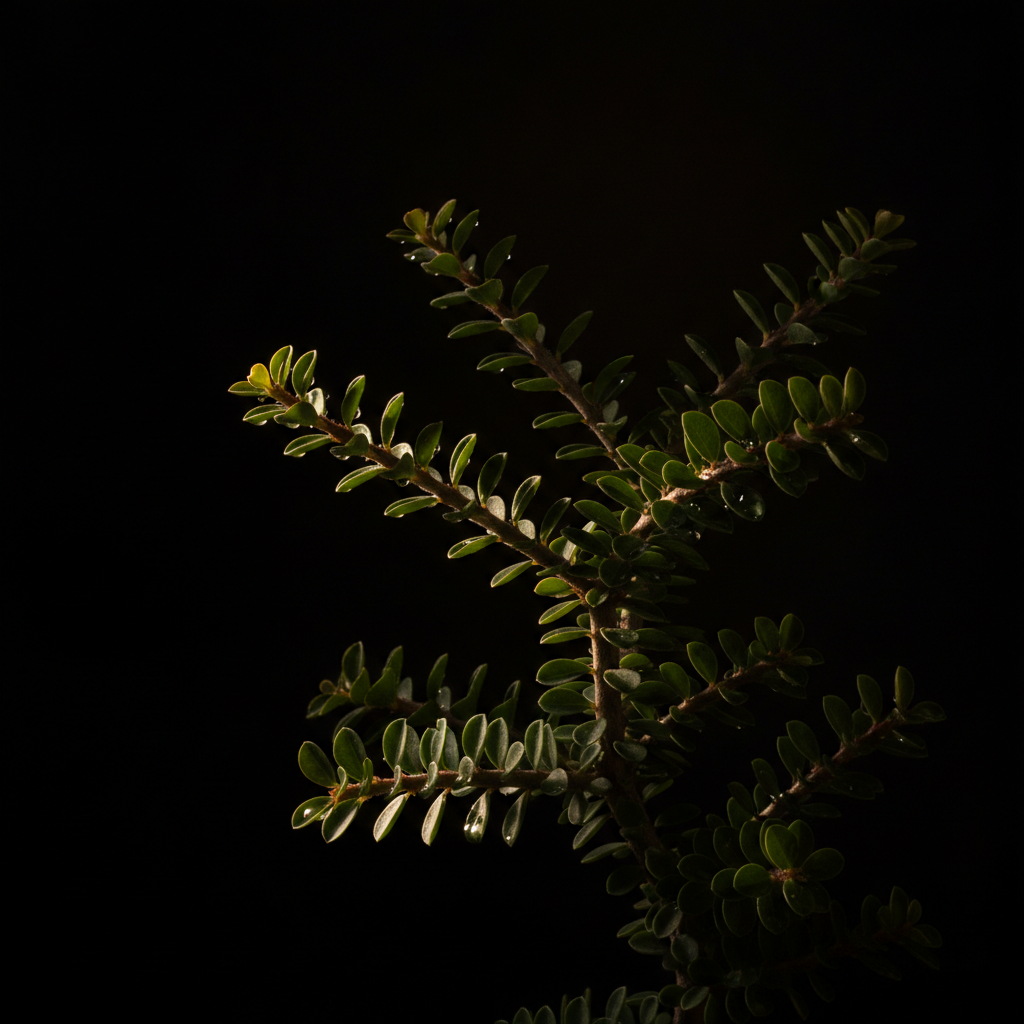
A compact selection with tighter, more sharply angled zigzag stems and smaller, closely spaced green leaves. Its restrained size makes it ideal for a bright windowsill or a small tabletop where the full-size species would soon outgrow its welcome.
Variety Profiles in Detail
‘Variegatus’ (Euphorbia tithymaloides ‘Variegatus’)
This is the plant that has carried the Devil’s Backbone into so many collections. The variegation is stable and generous, and the pink blush deepens dramatically with light and cooler nights, giving the plant a seasonal shift in colour. It needs the brightest position of any form to keep its variegation crisp, and it will revert toward plain green in shade.
‘Nana’ (Euphorbia tithymaloides ‘Nana’)
The dwarf form trades stature for density, producing a low, congested tangle of zigzag stems that shows off the plant’s architectural quirk at close quarters. It is slower growing and rarely needs pruning, making it one of the most low-maintenance ways to enjoy the species.
Choosing the Right Variety for Your Space
If you have a bright, sunny window to spare, the variegated form rewards you with colour no other variety can match. For a smaller spot or a first attempt at the species, the plain green form or the compact ‘Nana’ offer the same striking silhouette with even less fuss and greater tolerance of slightly lower light. Whichever you choose, matching the plant to your available light is the surest route to a specimen that thrives.
Frequently Asked Questions
Is the Devil’s Backbone poisonous to cats and dogs?
Yes. As a euphorbia, its milky latex sap is toxic and irritant to both pets and people. Chewing the stems can cause drooling, mouth irritation and stomach upset in cats and dogs, and the sap irritates skin and eyes on contact. Keep the plant well out of reach of curious animals and children.
Why are my Devil’s Backbone stems stretching and leggy?
Legginess is the classic symptom of insufficient light. When the plant cannot find enough sun, it stretches toward the nearest source, lengthening the gaps between nodes and shedding lower leaves. Move it to a brighter window, and prune the leggy growth in spring to encourage a bushier shape.
Why has my variegated plant lost its pink colour?
The pink blush on variegated forms is light-driven. In too little light the plant produces more green pigment and the pink fades. Giving it the brightest spot you can, including some gentle direct sun, usually restores the colour over a few weeks of new growth.
How big does a Devil’s Backbone get indoors?
Indoors it typically reaches 60 centimetres to just over a metre (2 to 4 feet) in height, though a happy plant in strong light can grow taller over many years. Regular pruning keeps it to whatever size suits your space, and the trimmings root easily as new plants.
How do I prune a Devil’s Backbone safely?
Always wear gloves and use a clean, sharp blade, cutting just above a node in spring or early summer. Have a cloth ready to blot the latex that bleeds from the cut. Pruning encourages branching and gives you cuttings to propagate, so it is a productive job rather than merely tidy-up.
Why is the base of my plant turning soft and dark?
A soft, darkening stem base is a sign of rot, nearly always caused by overwatering or soil that stays wet too long. Reduce watering immediately, and if the rot is spreading, cut a healthy top section and re-root it in fresh dry mix to save the plant.
Does the Devil’s Backbone flower indoors?
It can, given enough warmth and light. In good conditions it produces small red or pink bracts shaped a little like a bird’s head, the feature behind the name Redbird Flower. The blooms are modest, and most growers keep the plant chiefly for its distinctive stems rather than its flowers.
How often should I repot my Devil’s Backbone?
Only every two to three years, or when roots grow out of the drainage holes and the plant becomes top-heavy. It prefers to be slightly snug in its pot, and repotting into a container that is too large holds excess wet soil that invites rot. Move up just one pot size at a time in early spring.
Can I grow the Devil’s Backbone outdoors?
In frost-free climates it grows happily outdoors year-round and can form a sizeable shrub. In temperate regions it is best treated as a houseplant that summers outside in a sheltered, sunny spot, then comes back indoors before temperatures drop below about 10 degrees Celsius (50 Fahrenheit).






