
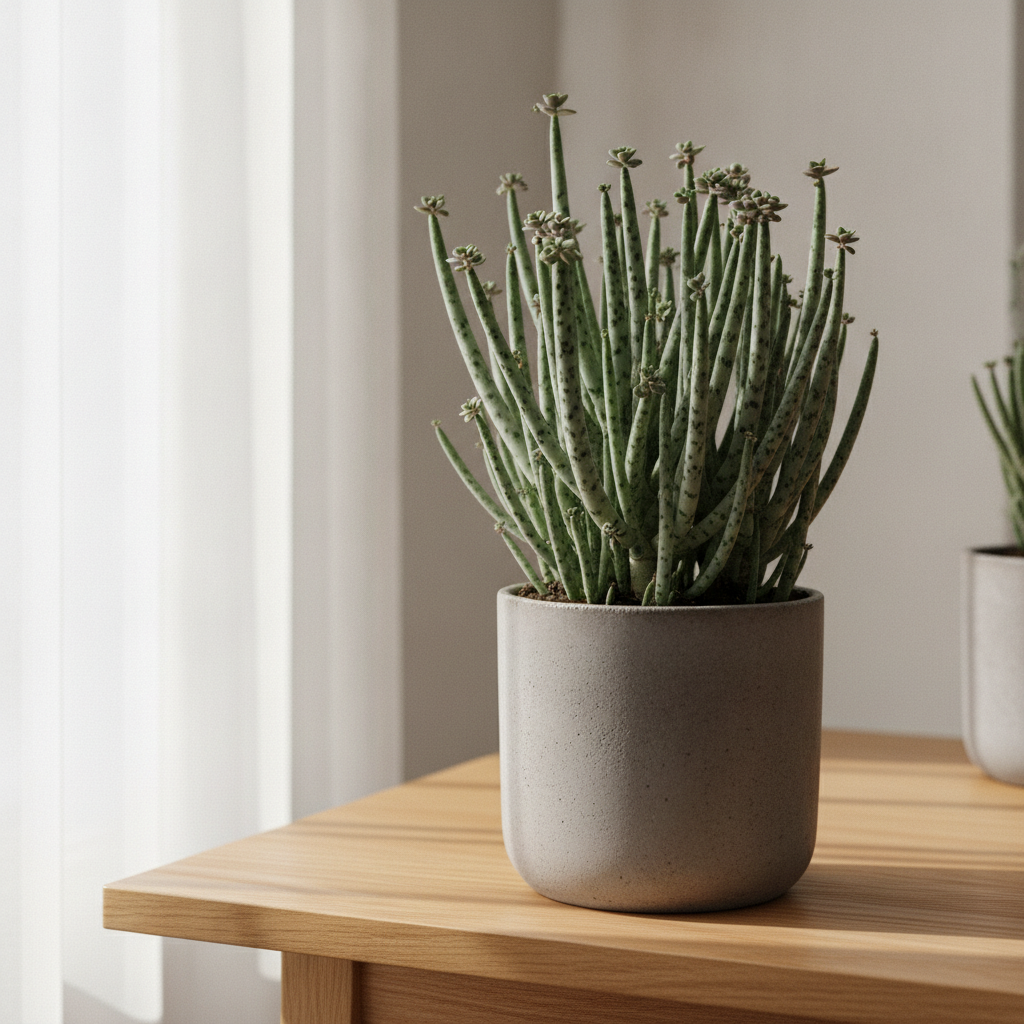
Few houseplants earn a reputation for being difficult to kill, and fewer still earn a reputation for being difficult to stop. The chandelier succulent (Bryophyllum delagoense, still widely sold under its older name Kalanchoe delagoensis) manages both at once. A native of the dry south of Madagascar, it grows as a slender upright column of speckled, pencil-thin leaves, each one fringed at the tip with a nursery of ready-made baby plants. Those plantlets are why gardeners the world over know it as the mother of millions, and why a single specimen on a windowsill can, given the chance, seed an entire balcony. Understanding this plant means understanding both how little it asks of you and how much it is capable of on its own.
This guide covers everything from the light and water the chandelier succulent needs to survive, to the conditions that push it from merely surviving into the vigorous, free-flowering thriving it shows in its native range. It also covers the responsibilities that come with a plant this enthusiastic, because a species that propagates itself by the thousand is one you keep on purpose, never by accident.
Quick Reference
| Botanical name | Bryophyllum delagoense (syn. Kalanchoe delagoensis, Kalanchoe tubiflora) |
| Common names | Chandelier succulent, mother of millions, chandelier plant |
| Family | Crassulaceae |
| Origin | Southern and south-western Madagascar |
| Plant type | Evergreen succulent perennial |
| Mature size | 30 to 100 cm (12 to 39 in) tall, occasionally taller |
| Light | Bright direct light to full sun; tolerates bright indirect |
| Water | Soak thoroughly, then let the soil dry out completely |
| Soil | Gritty, fast-draining cactus and succulent mix |
| Temperature | 18 to 27 degrees C (64 to 81 degrees F); keep above 10 degrees C (50 degrees F) |
| Humidity | Low to average; dislikes damp, stagnant air |
| Feeding | Diluted feed once or twice across spring and summer |
| Propagation | Leaf-tip plantlets, offsets, stem cuttings |
| Toxicity | Highly toxic to pets, livestock and humans if eaten |
| Difficulty | Very easy to grow, hard to contain |
Why Grow the Chandelier Succulent as a Houseplant
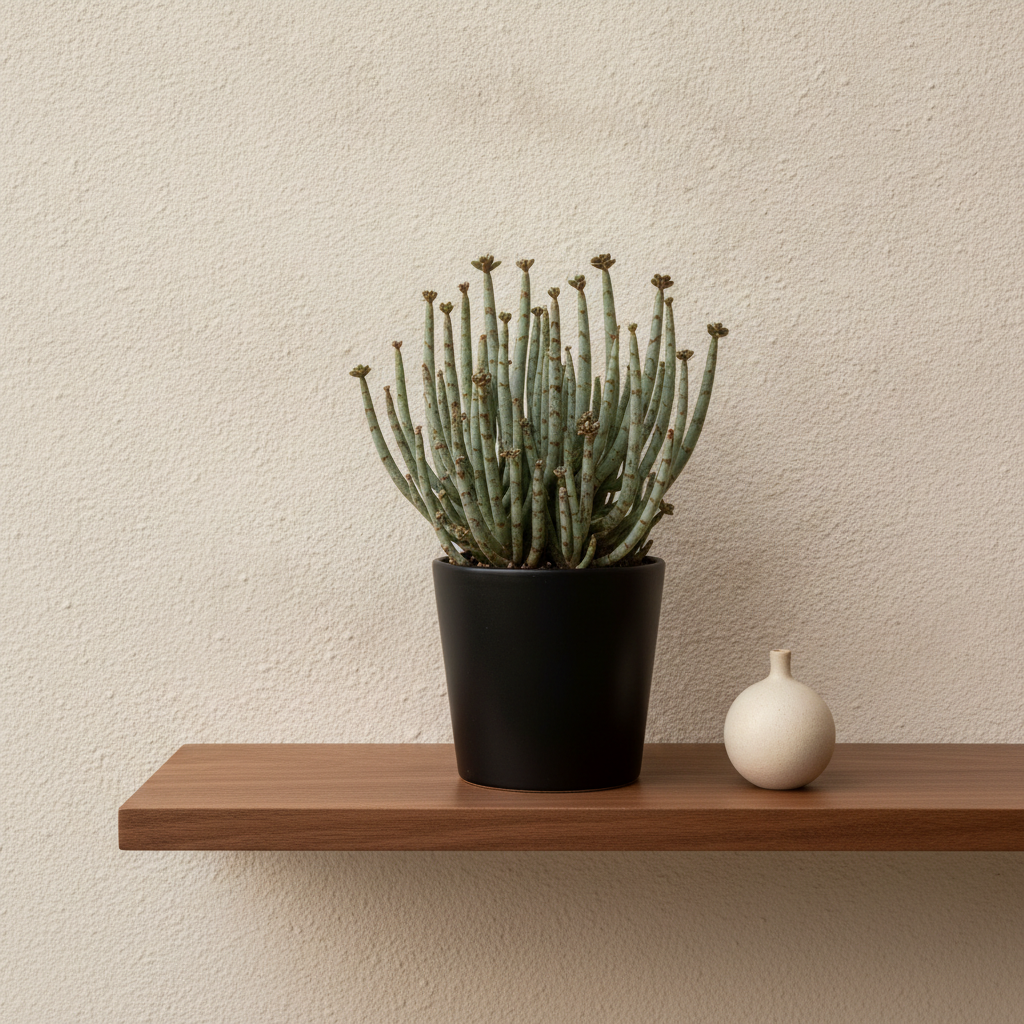
The appeal of the chandelier succulent begins with its architecture. Rather than spreading into a rosette like most of its Crassulaceae relatives, it grows straight up on a single unbranched stem, carrying whorls of narrow tubular leaves that are grey-green and marbled with irregular purplish-brown blotches. The overall effect is more mineral than botanical, a plant that looks assembled from soft stone. In good light the leaves flush a deeper bronze, and mature specimens crown themselves in winter with pendent clusters of coral to salmon-orange bell flowers, the display that gives the plant its chandelier name.
Then there are the plantlets. Along the grooved tip of every leaf, the chandelier succulent produces a fringe of perfectly formed miniature plants, each with its own pair of tiny leaves and, often, a wisp of aerial root already reaching downward. This is vegetative reproduction taken to an extreme, and it is genuinely fascinating to watch. A leaf that would be an unremarkable green spike on another succulent becomes, on this one, a living hatchery. For anyone drawn to the mechanics of how plants work, few species offer such an accessible demonstration.
That same trait, though, is the reason to grow it thoughtfully. The plantlets root wherever they fall, and in frost-free climates the chandelier succulent has become a serious environmental weed, notably across large parts of Australia and in warm regions of the Americas and Africa, where it is toxic to grazing livestock. As a contained houseplant in a temperate home it poses no such risk, but the responsible grower sweeps up dropped plantlets rather than letting them scatter, and never composts or dumps the plant outdoors where winters are mild. Kept in a pot, it rewards you with one of the most forgiving, drought-proof and quietly strange plants you can own.
In This Guide
- Quick reference
- Why grow the chandelier succulent
- Light
- Watering
- Soil and potting
- Fertilising
- Propagation
- Pests and problems
- Varieties and relatives
- Frequently asked questions
Light
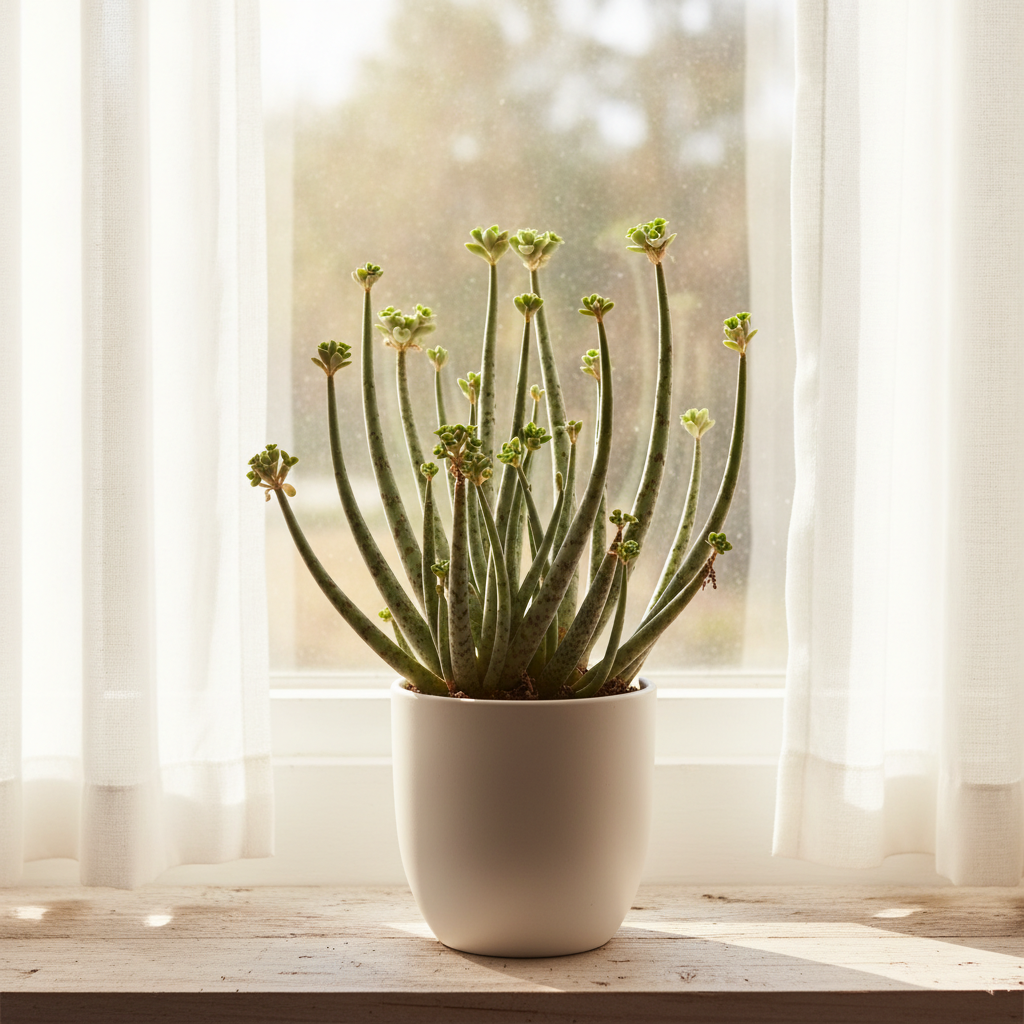
Light is where the difference between a chandelier succulent that survives and one that thrives is decided. This is a full-sun plant from an open, arid landscape, and indoors it wants the brightest position you can offer. A south-facing or west-facing window where the leaves catch several hours of direct sun each day is ideal, and it is one of the few succulents relaxed enough to take midday sun through glass without scorching once acclimatised. In that kind of light the stem stays sturdy, the leaves stay compact and well coloured, and the plant has the energy reserves it needs to flower.
Deprived of light, the chandelier succulent tells you quickly. The stem stretches, the spacing between leaf whorls widens, and the whole plant leans hard toward the nearest window in a pale, drawn-out reach known as etiolation. A stretched plant rarely recovers its former tidiness, so the fix is prevention: give it the sunniest spot from the start, and turn the pot a quarter every week or two so it grows evenly rather than lopsided. If your brightest window still is not bright enough, particularly through a dim northern-hemisphere winter, a simple full-spectrum LED grow light for a few hours a day keeps the growth compact until the sun returns.
Pro Tip – Easing into sun: A plant grown in a shop under fluorescent light can sunburn if moved straight into a blazing window. Introduce it to direct sun over a week or two, adding an hour of exposure at a time, and any faint bleaching will firm up into healthy colour.
Watering
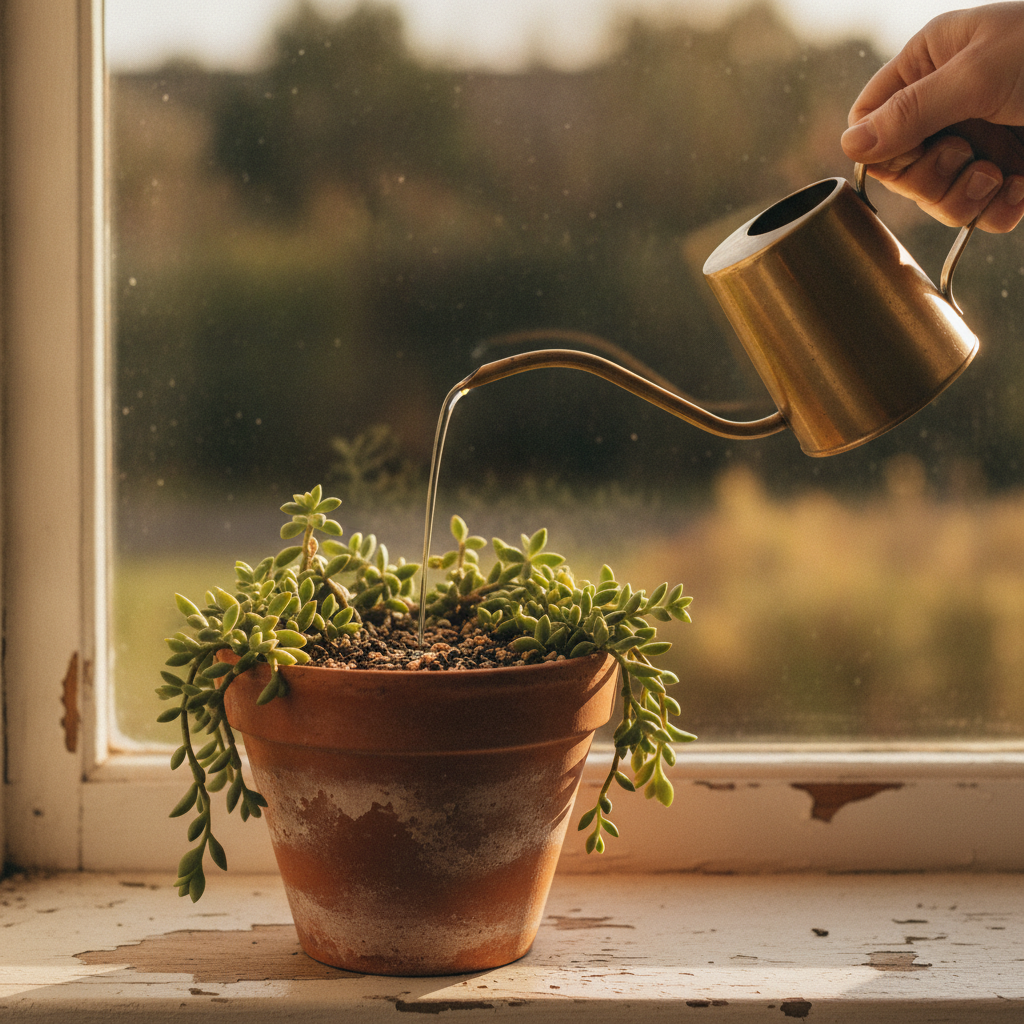
The chandelier succulent stores water in its fleshy leaves and stem, which means it is built to endure long droughts and to resent the opposite. The reliable approach is to soak and then to wait. When you water, water thoroughly, letting it run right through the pot until it drains from the base, so the entire root ball is wetted. Then leave the plant completely alone until the soil has dried out all the way through, which in a bright warm spot through spring and summer might mean every ten days to a fortnight, and considerably longer in the cooler, darker months.
Overwatering is the one thing that genuinely threatens this plant. Roots left sitting in moist soil suffocate and rot, and the first outward sign is often a stem that turns soft, translucent or blackened near the base, or lower leaves that yellow and drop with a mushy feel rather than a shrivelled one. If you are ever unsure whether to water, do not. A thirsty chandelier succulent shows slightly softened, faintly wrinkled leaves and perks up within a day of a drink, whereas a waterlogged one can collapse beyond saving. Push a finger into the soil to the second knuckle, and only water if it is dry at that depth.
Through winter, when growth slows to a near stop, cut watering right back to a light drink only when the leaves start to look thin. Cold plus wet soil is the classic killer of succulents on the windowsill, and this species is no exception. Always tip away any water that collects in the saucer, and avoid splashing the leaves and stem when you water, since moisture trapped in the crevices between leaves can encourage rot.
Warning – Rot moves fast: Unlike thirst, which is slow and recoverable, rot in a chandelier succulent can spread through the stem within days. At the first sign of a soft, darkening base, stop watering, and if the damage is advanced, behead the healthy top and re-root it rather than trying to save the rotting section.
Soil and Potting
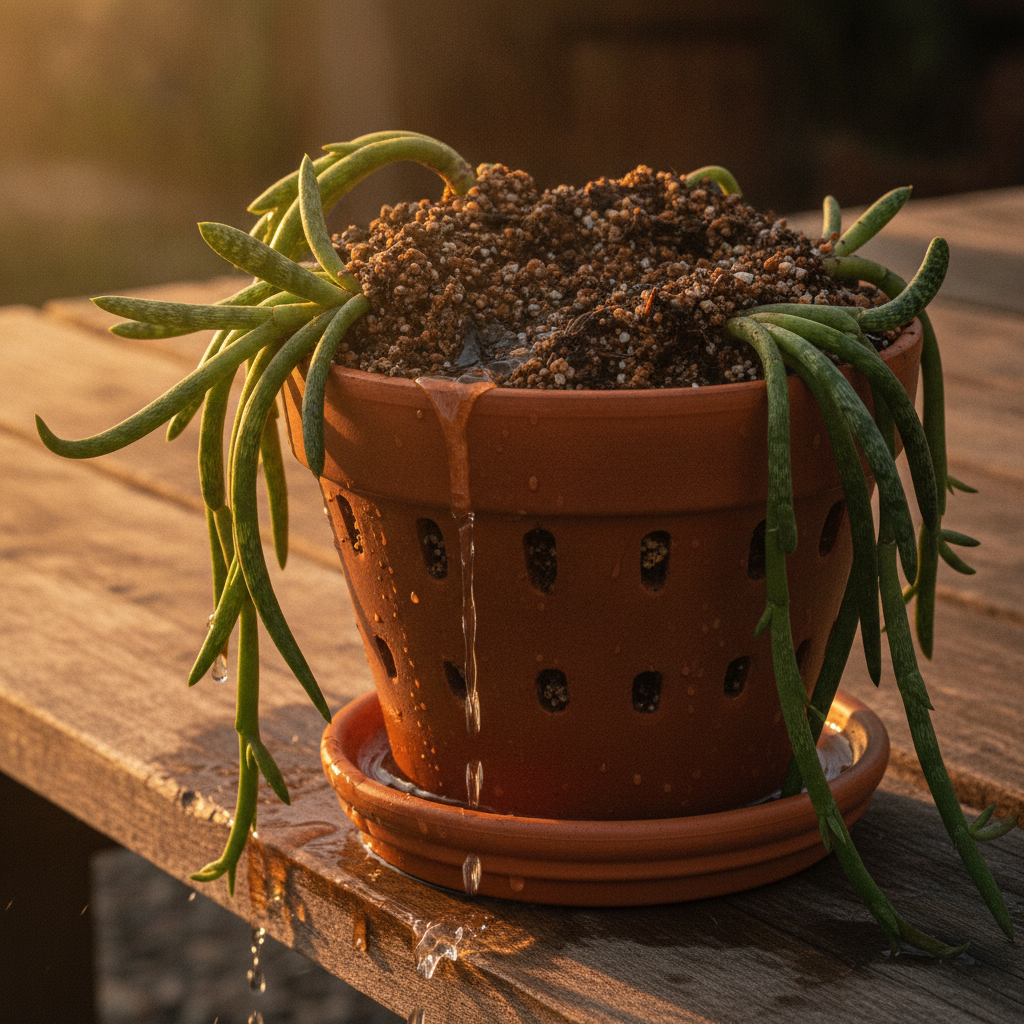
Everything about growing this plant well rests on drainage. In the wild it roots into thin, stony, sharply draining ground, and in a pot it needs a mix that mimics that: open, gritty and quick to shed water. A proprietary cactus and succulent compost is the easy starting point, and it improves further if you cut it with extra mineral grit. A rough guide of two parts succulent compost to one part coarse material such as perlite, pumice or fine horticultural grit gives the free-draining structure the roots want, keeping air around them even after a thorough soak.
The pot matters as much as the mix. A drainage hole is essential, with no exceptions, and a terracotta pot has the added benefit of breathing through its walls and wicking moisture away, which suits a plant this prone to rot. Choose a container only a little larger than the root ball, because a chandelier succulent sitting in a big volume of slow-drying soil is far more vulnerable than one in a snug pot. Its root system is modest, and it is genuinely happy growing a touch pot-bound.
Repotting is an occasional job, needed only every two or three years or when the plant becomes top-heavy and tips its pot. Spring is the moment, at the start of active growth. Let the soil dry first, ease the plant out, brush away the old mix, and settle it into fresh compost at the same depth it sat before. Then resist the urge to water: waiting three to seven days before the first drink lets any roots nicked during the move heal over, which sharply reduces the chance of rot taking hold in the fresh, damp soil.
Fertilising

The chandelier succulent evolved on impoverished ground and needs very little feeding to do well. Treat fertiliser as a gentle seasonal boost rather than a routine, and you will avoid the soft, over-lush growth that heavy feeding produces and that pests find irresistible. One or two applications spread across the active growing months of spring and summer are plenty for a healthy potted plant.
Reach for a balanced feed or a dedicated cactus and succulent fertiliser, and dilute it well below the strength printed on the bottle, to roughly a quarter or half of the recommended dose. Apply it to soil that is already slightly moist rather than bone dry, so the diluted feed spreads evenly and never draws water out of the roots. Feeding into completely dry soil can scorch fine root tips, an easy mistake to avoid by simply watering first or feeding shortly after a normal watering.
Stop feeding entirely from autumn through winter. During the dark months the plant is resting, it cannot use the extra nutrients, and unused fertiliser salts simply build up in the soil where they can eventually damage the roots. If you ever suspect a build-up, shown as a white crust on the soil surface or around the pot rim, flush the pot through with plain water several times to leach the salts away, then let it dry out fully as usual.
Propagation
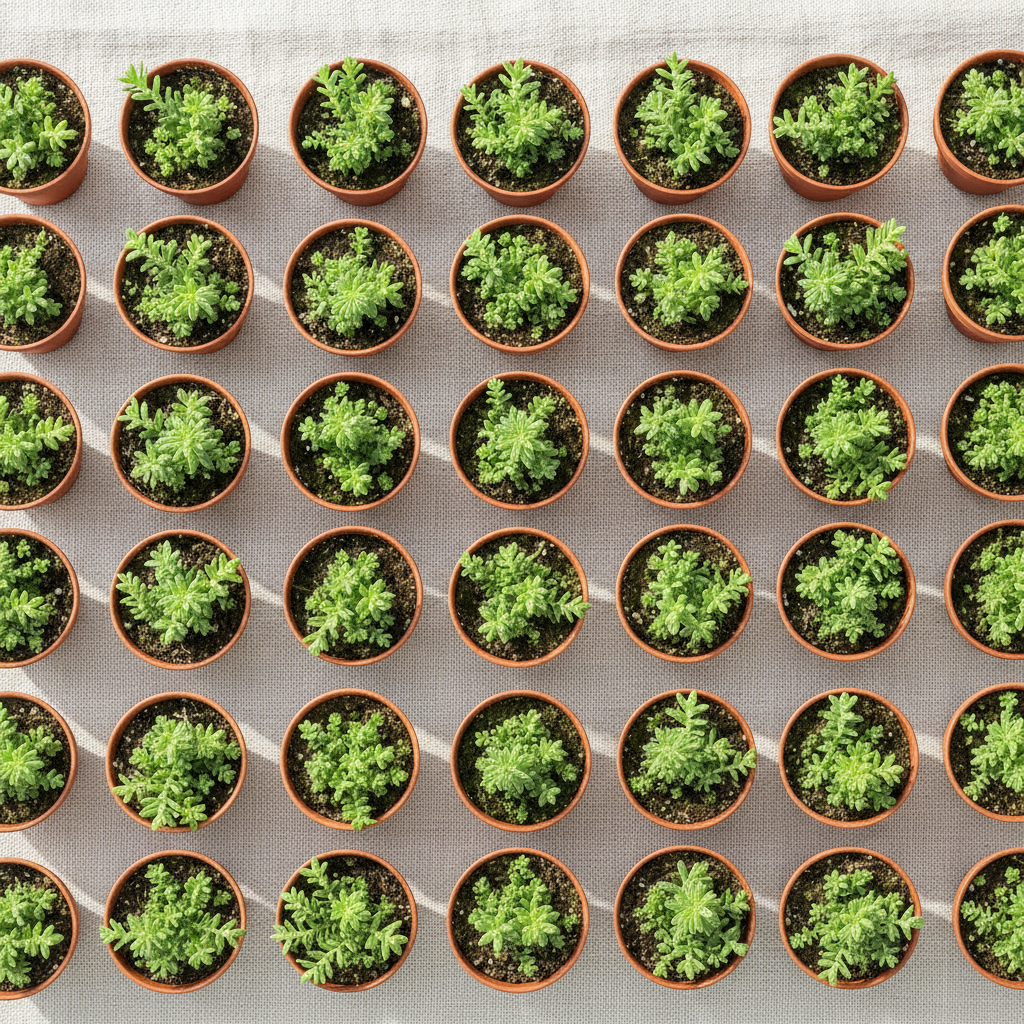
No houseplant makes propagation easier, because the chandelier succulent has essentially done the work for you. Each of the plantlets ranged along the leaf tips is a complete young plant, and many already carry the beginnings of roots before they even detach. The whole species is built to reproduce this way, which is both its charm and its cautionary tale. Propagating it deliberately is a matter of a few minutes; the trick is doing it on purpose and containing the result.
To raise new plants from plantlets, work through the following steps.
- Gently brush or pinch a handful of plantlets from the leaf margins of a mature plant. They release easily, and the healthiest ones already show tiny white root threads.
- Fill a shallow tray or small pots with the same gritty, free-draining mix you use for the adult plant, and lightly firm the surface.
- Lay or press the plantlets onto the surface of the mix, root-side down. There is no need to bury them; simple contact with the soil is enough.
- Mist the surface very lightly, or water from below, just enough to settle them without leaving the mix soggy. Keep the tray in bright, indirect light.
- Keep the surface barely moist for the first week or two while roots establish, then treat the young plants exactly like adults, letting the mix dry between waterings.
Within a few weeks the plantlets anchor and begin to grow into upright little stems, and you can pot the strongest ones on individually. The same success rate applies to stem cuttings, which can be taken from a leggy plant to rejuvenate it: cut a length of stem, let the cut end dry and callus for a day or two, then insert it into gritty mix and treat it as a young plant. Because germination and rooting are so effortless, always collect fallen plantlets from the surrounding surfaces rather than letting them establish in neighbouring pots, and never tip spent compost from this plant into the garden or the general waste where it might take root.
Pests and Problems
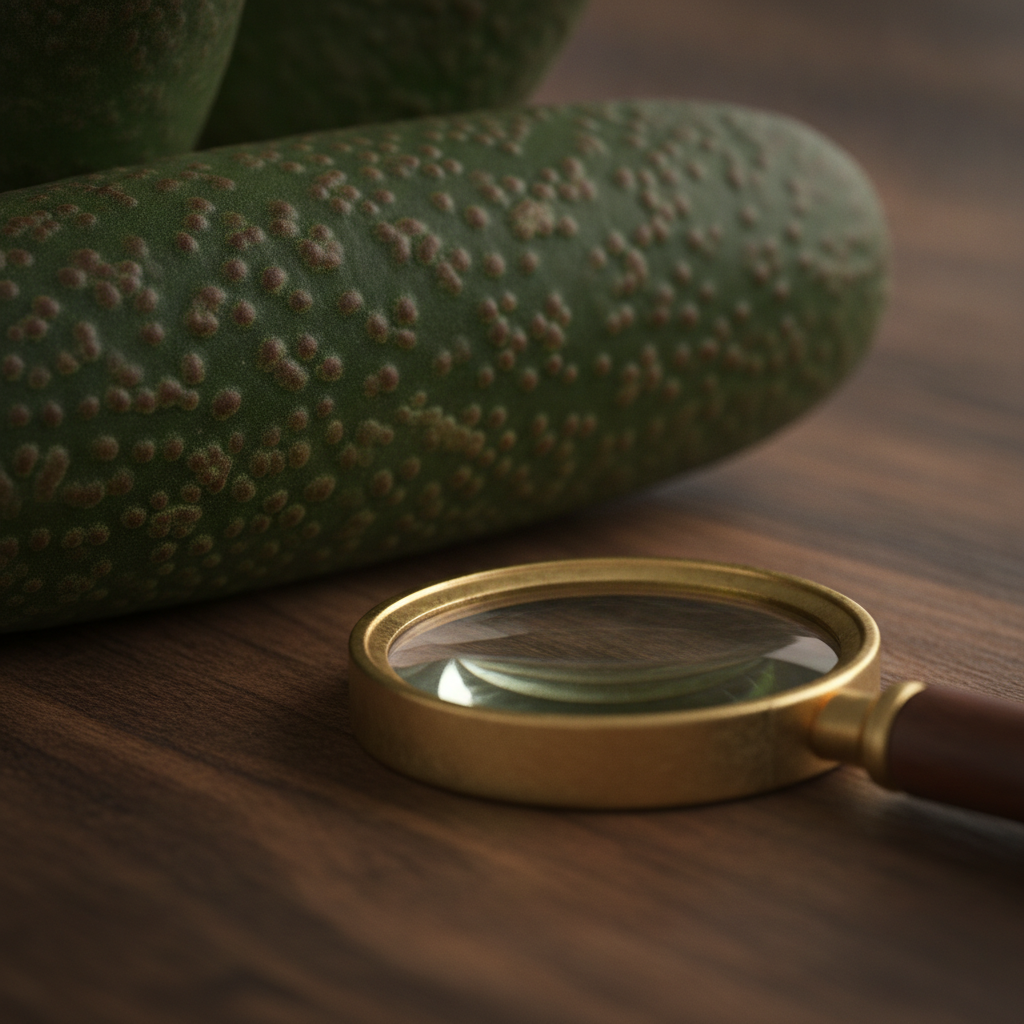
A well-grown chandelier succulent is remarkably trouble-free, and most of the difficulties owners meet trace back to watering rather than to pests. The commonest of all is root and stem rot from soil kept too wet, showing as a softening, darkening base and collapsing lower leaves. The response is the same each time: stop watering, move the plant somewhere brighter and better ventilated, and if the rot has climbed into the stem, cut off a firm, healthy section from above the damage and re-root it as a cutting, discarding the rest.
Among insects, mealybugs are the most likely visitor. They appear as small tufts of white fluff tucked into the joints where the leaves meet the stem, and they multiply quickly if ignored. Dabbing each one with a cotton bud dipped in dilute isopropyl alcohol removes them on contact, and a follow-up check every few days catches any survivors before an infestation rebuilds. Aphids can gather on the soft flower stalks when the plant is blooming, and are easily rinsed or wiped away. Scale insects and the fungus gnats that breed in overly wet soil are occasional nuisances, the latter being one more reason to let the mix dry out fully between waterings.
Cosmetic complaints usually explain themselves. A stem that stretches and grows pale is short of light; leaves that shrivel and soften are short of water and will plump up after a drink; and leaves that yellow, turn translucent and drop are almost always a sign of the opposite, of soil kept too wet for too long. Reading these signals correctly, and remembering that this plant would rather be too dry than too damp, resolves the great majority of problems before they become serious.
Warning – Genuinely toxic: The chandelier succulent contains bufadienolide cardiac glycosides throughout, including in its plantlets, and is poisonous to cats, dogs, livestock and people if eaten. Keep it well out of reach of pets and children, wash your hands after handling it, and never site it where a curious animal could nibble a fallen plantlet.
Varieties and Relatives
The chandelier succulent belongs to a small group of Madagascan Bryophyllum species, all sharing the same habit of budding plantlets along their leaves, and it has given rise to one particularly celebrated garden hybrid. The two forms below are the ones you are most likely to encounter alongside the straight species.
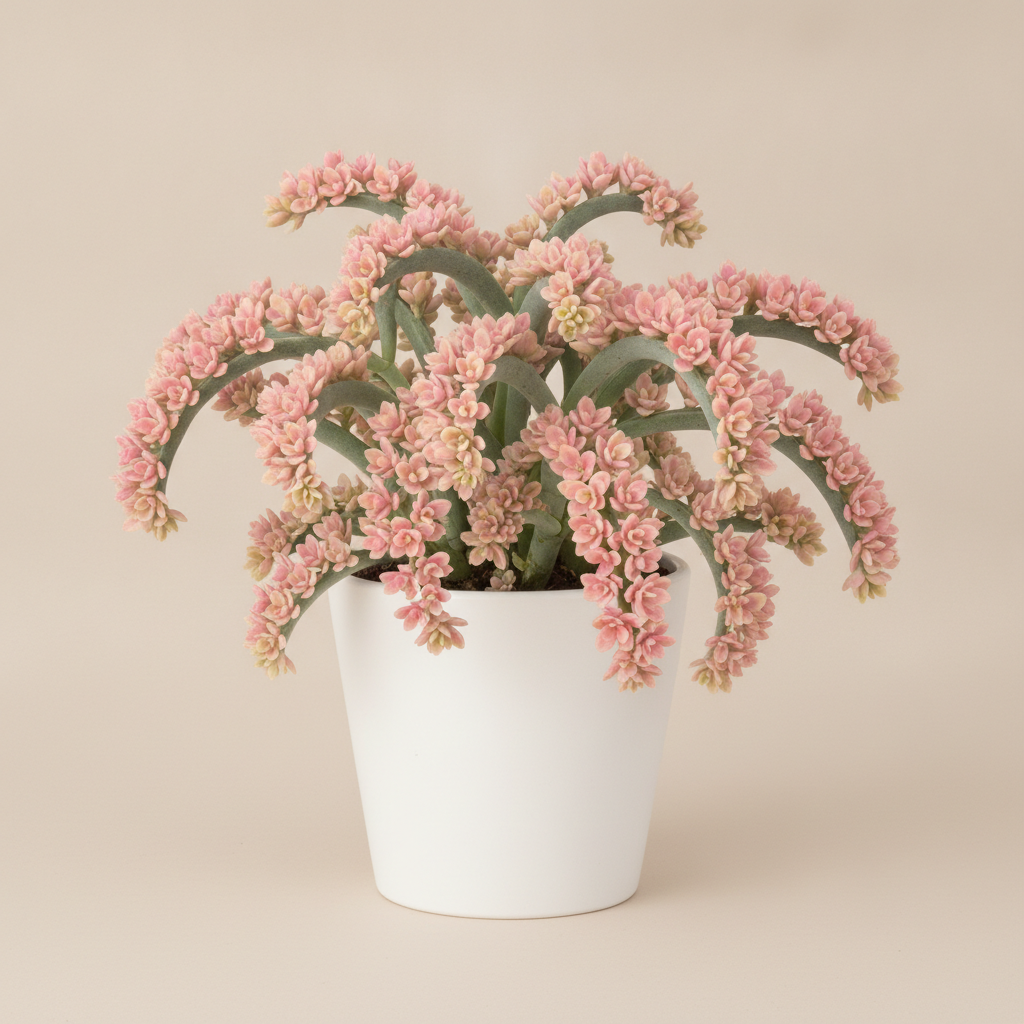
Pink Butterflies (Kalanchoe × houghtonii ‘Pink Butterflies’) is the showpiece of the group. A variegated cultivar of the hybrid between the chandelier succulent and mother of thousands, it lines its leaf margins with masses of vivid pink and cream plantlets that look, from a distance, like a swarm of tiny butterflies. Crucially, because it lacks the chlorophyll to sustain them, those plantlets are sterile and cannot root and spread, which makes it the well-behaved, collectable member of an otherwise invasive family. It needs slightly more warmth and light than the species to keep its colour.
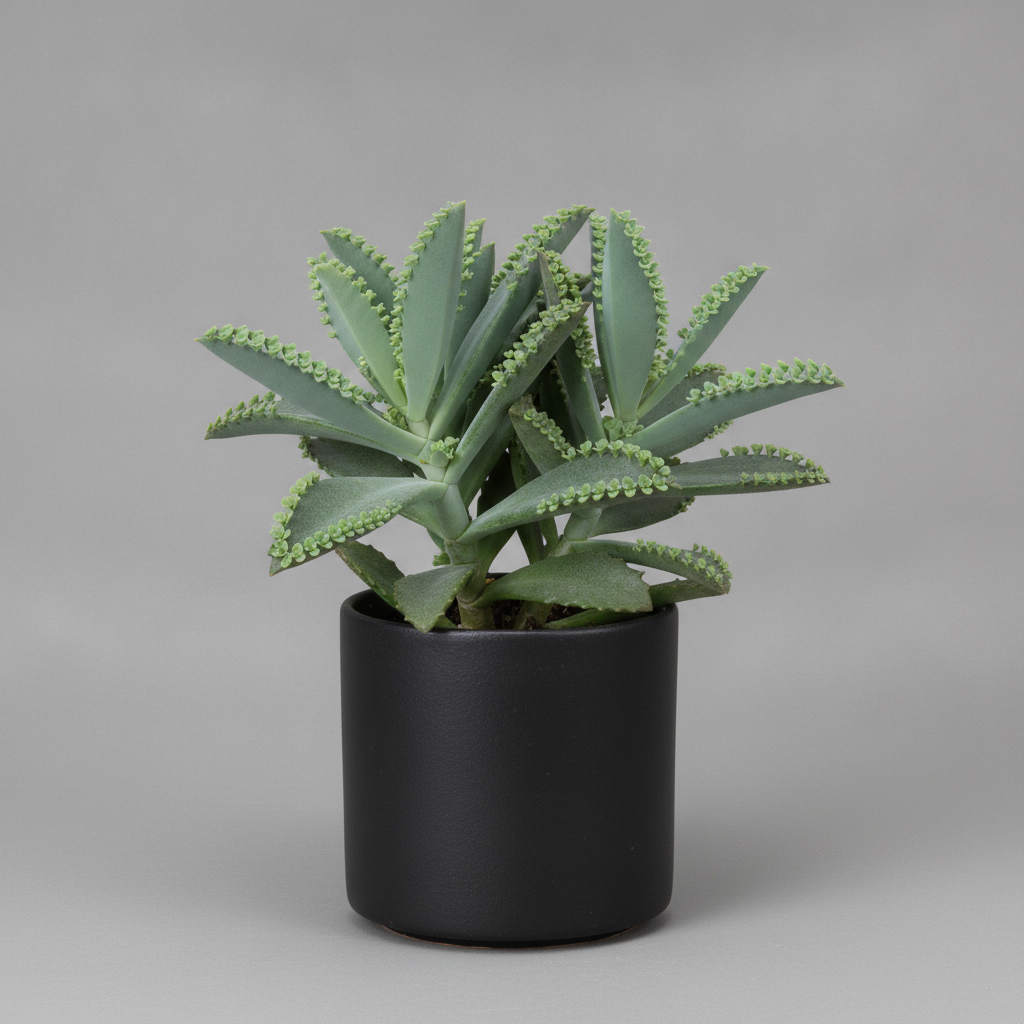
Kalanchoe × houghtonii, the fertile hybrid of the chandelier succulent and mother of thousands (Bryophyllum daigremontianum), carries broader, flatter, blue-green leaves than the narrow-leaved species, edged with neat rows of green plantlets. It is even more vigorous than either parent and, unlike Pink Butterflies, its plantlets root readily, so it demands the same containment discipline as the true chandelier succulent. Gardeners often meet it under the same mother of millions name, which is a fair reflection of how freely it multiplies.
Frequently Asked Questions
Why is my chandelier succulent growing tall and floppy?
Almost always a lack of light. When the plant does not get enough sun, the stem stretches and the gaps between leaf whorls widen as it reaches for a brighter spot, leaving it leggy and inclined to topple. Move it to your sunniest window, turn the pot regularly so it grows evenly, and if the sun is weak through winter, top it up with a grow light. A stem that has already stretched will not shorten again, but you can cut off the healthy top and re-root it as a compact new plant.
How often should I water it?
Only when the soil has dried out completely. In a bright, warm spot during spring and summer that often works out to roughly every ten to fourteen days, but you should always go by the soil rather than the calendar. Push a finger in to the second knuckle, and if there is any moisture at that depth, wait. In autumn and winter the plant needs far less, sometimes only a light drink every few weeks, and getting this wrong toward the wet side is the single most common way to kill it.
Is the chandelier succulent poisonous?
Yes, and seriously so. Every part of the plant, including the tiny plantlets, contains cardiac glycosides that are toxic to cats, dogs, grazing animals and humans if swallowed. Keep it out of reach of pets and children, wash your hands after handling or propagating it, and be especially careful to collect any fallen plantlets. If you suspect a pet or person has eaten part of the plant, contact a vet or medical professional promptly.
Why does it make so many baby plants?
Producing plantlets along its leaf tips is simply how this species reproduces. Each plantlet is a genetic clone of the parent, ready to drop off and root wherever it lands, which lets a single plant colonise ground quickly in its native climate. Indoors it is a harmless curiosity and an easy source of new plants, but it is also why the species is a damaging weed in frost-free regions. Sweep up the plantlets you do not want and dispose of them in sealed household waste rather than the compost or garden.
Will it flower indoors?
It can, given enough light and a mature stem. Well-grown plants produce drooping clusters of tubular coral to orange bell flowers in winter, the display that earns the chandelier name. Flowering is triggered by the shorter days of the cold months, so a plant kept in bright light through autumn and winter, and not disturbed by artificial light late into the evening, has the best chance of blooming. Many plants grown purely as foliage curiosities never flower, and that is perfectly normal.
My plant has gone soft and mushy at the base. Can I save it?
A soft, darkening base means rot, usually from soil kept too wet, and the affected tissue cannot be recovered. You can, however, often save the plant by acting quickly. Cut off a firm, healthy section of the upper stem well above the damage, let the cut end dry and callus for a day or two, and then root it in fresh gritty mix as a cutting. Discard the rotted base and its soil, and going forward water less and make sure the mix drains freely.
Grown with a bright window, a gritty pot and a light hand on the watering can, the chandelier succulent is about as close to effortless as a houseplant comes. Give it sun, let it dry out, and keep its enthusiastic offspring where you want them, and it will reward you for years with its strange sculptural form and, in the depths of winter, its quiet coral chandelier.






